


Antique Bohemian Crystal
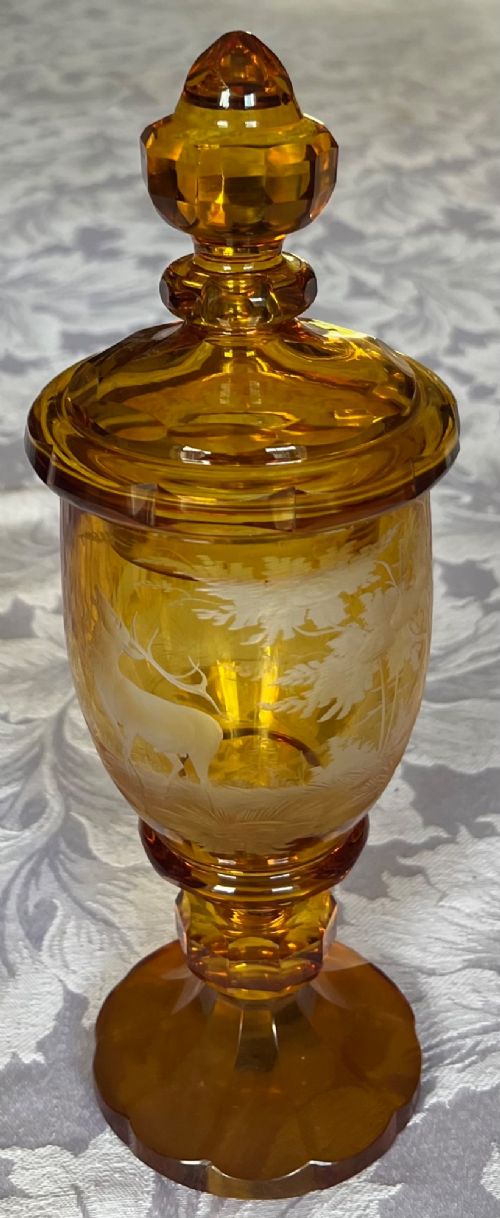
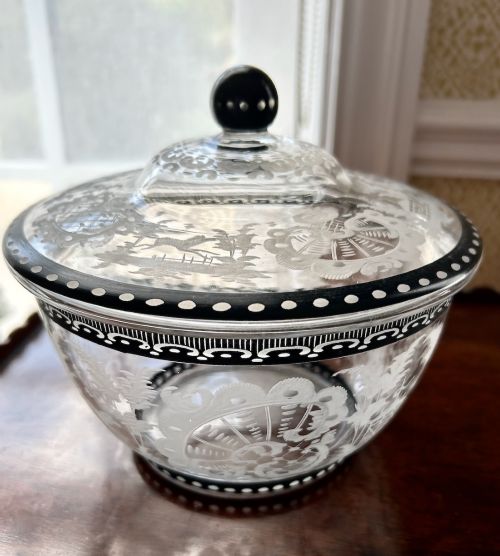
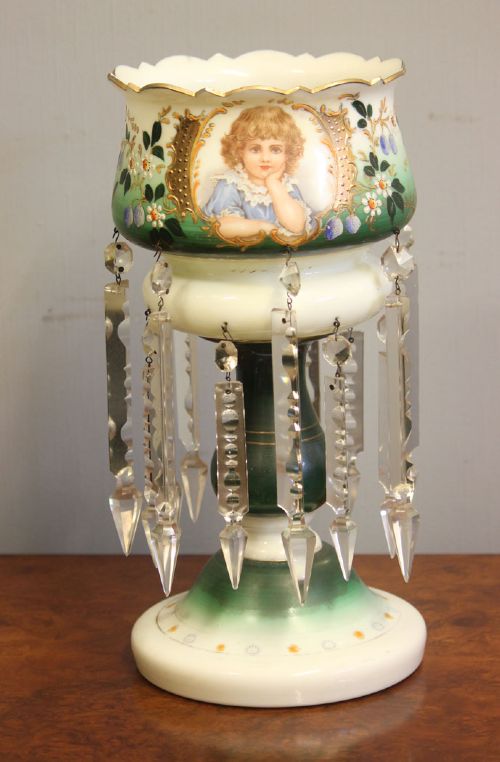
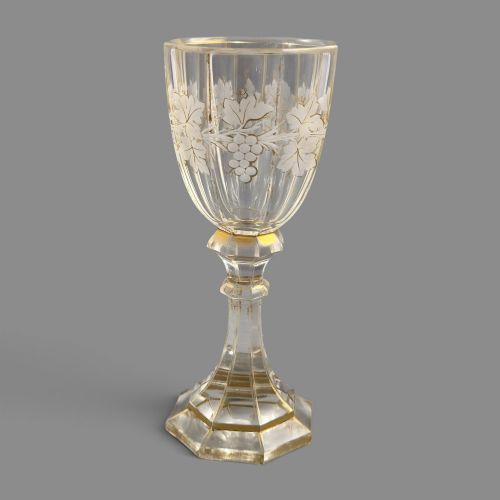
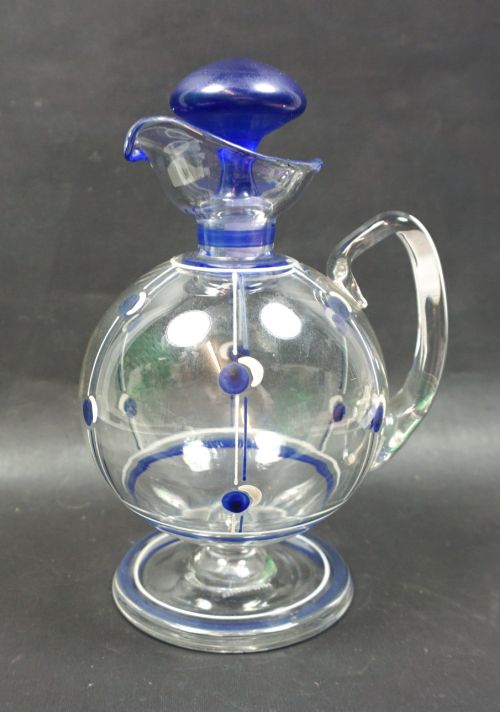
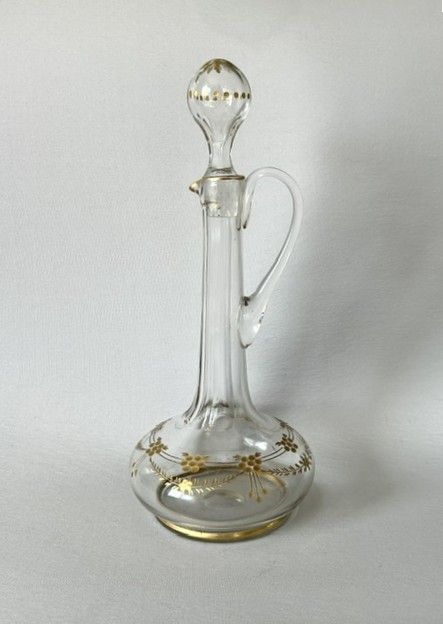
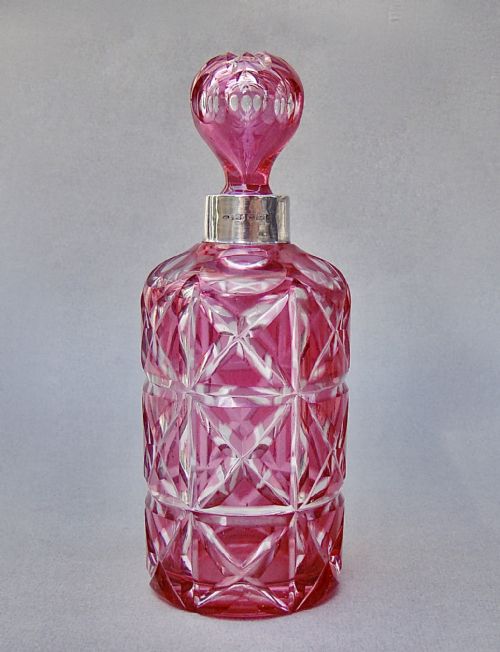
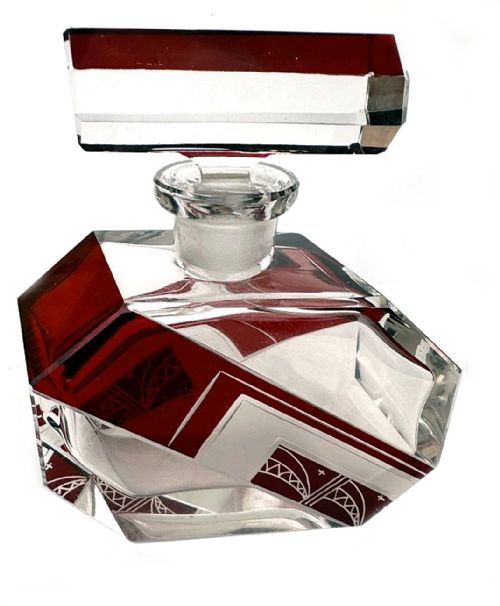
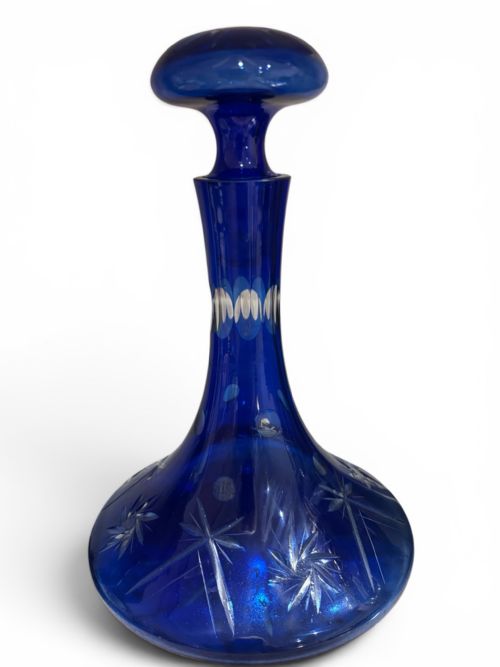
These pieces of antique bohemian crystal combine heavy coloured glass, deep cutting, and gilding from Central European workshops.
Antique Bohemian Crystal
Antique bohemian crystal encompasses a diverse array of decorative and utilitarian glassware originating from Central Europe, spanning periods from the early nineteenth century through the Art Deco era of the 1930s. Common forms include mantle lustres, decanter sets, wine glasses, perfume bottles, and large chandeliers.
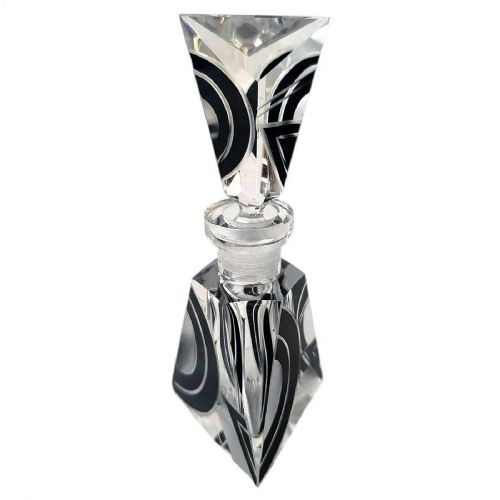
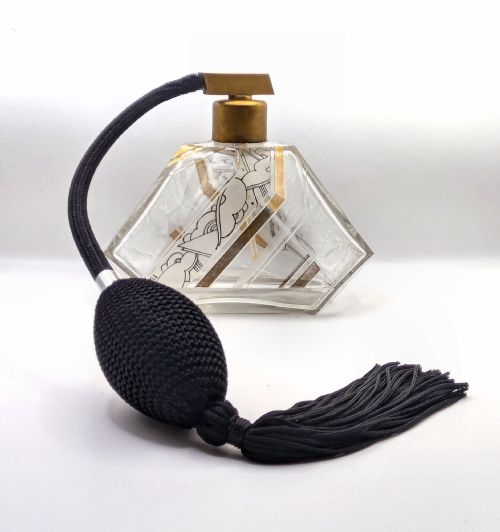
The objects frequently display rich colour palettes, including ruby, cranberry, cobalt blue, amethyst, and amber, often utilising flash or overlay techniques. Buyers encountering this material on the page will frequently find Victorian ruby glass lustres and 1930s geometric Art Deco perfume bottles.
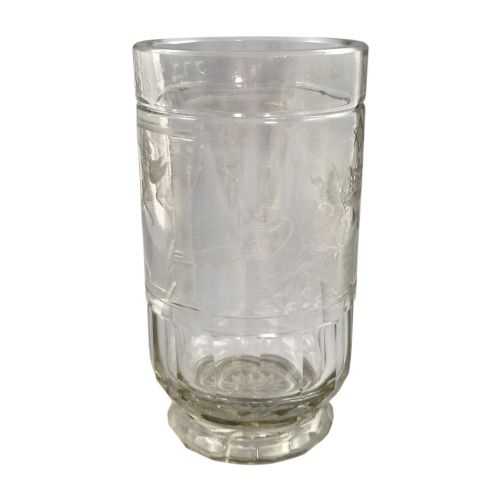
Makers and designers working in Bohemia produced pieces ranging from ceremonial beakers and engraved roemers to massive chandeliers adorned with crystal prisms. The enduring appeal lies in the weight of the material and the complexity of the surface ornamentation.
Techniques and materials
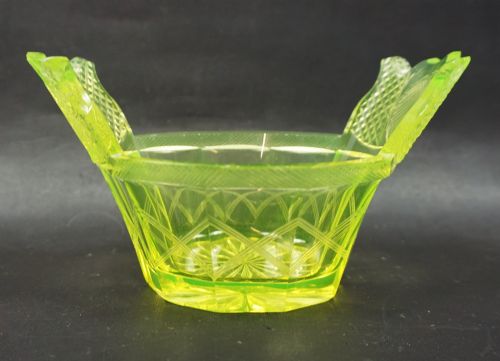
Makers utilised lead crystal, heavy cut glass, and coloured glass substrates treated with coloured enamels or overlaid with contrasting layers of glass. Artisans then cut through these outer layers on a wheel to reveal the clear or differently coloured glass beneath.
Surface decoration frequently involved intricate hand engraving, depicting floral motifs, geometric patterns, or architectural scenes, complemented by applied gold gilding fired onto the glass surface.
Early nineteenth-century pieces occasionally incorporate uranium, causing the glass to glow under specific light sources.
Judging quality and execution
Quality in these glass objects rests on the crispness of the wheel-cutting, the depth and saturation of the glass colour, and the precision of the gilding and enamel work. Superior examples show sharp, clean facets without softening or blurring at the edges of the cut.
The weight of the glass, the balance of mounted silver or gilt metal elements, and the complexity of the engraving distinguish standard production pieces from masterworks produced by prominent houses.
Moser·Karl Palda·Harold Bushell and Co·Hoffman
The Antique Bohemian Crystal Glossary
- Mantle lustre
- A decorative two-piece or multi-piece ornament featuring a central vase or pedestal hung with cut glass crystal prisms. These objects were traditionally placed on mantelpieces to reflect candlelight.
- Flash glass
- Glass formed by blowing a thin layer of coloured glass over a core of clear glass, creating a dual-layered material suitable for deep cutting. This technique allows artisans to expose the clear layer underneath.
- Roemer
- A traditional Germanic or Central European wine goblet featuring a wide bowl atop a heavily studded or ribbed stem. They are frequently made from green, amber, or engraved crystal.
- Overlay glass
- A glass vessel constructed with two or more distinct layers of different coloured glass fused together before shaping and cutting. The exterior layers are selectively ground away to form complex patterns.
Antique Bohemian Crystal: Frequently Asked Questions
How do I identify genuine antique bohemian crystal?
Look for heavy lead content, hand-cut facets that show slight irregularities from wheel polishing, and traditional nineteenth-century or Art Deco forms.
Examine the depth of the colour and the presence of hand-applied gilding or engraving rather than modern pressed moulds.
What are mantle lustres and how were they used?
Mantle lustres are decorative table ornaments fitted with hanging glass prisms that catch and refract ambient light in Victorian reception rooms.
They stood in matched pairs upon drawing room fireplaces as ornamental centrepieces.
How do I care for antique glass decanters and stemware?
Wash these pieces strictly by hand using tepid water and mild detergent, avoiding harsh thermal shocks or dishwashers.
Dry them immediately with a lint-free cloth to protect surface gilding and enamel details.
What is the difference between cut glass and crystal?
Crystal contains a higher lead oxide content, which increases the weight, refractive index, and clarity of the material compared to standard soda-lime glass.
Cut glass refers to the decorative process of grinding facets into the hardened surface using a rotating wheel.