


Antique Bobbin Seat
An antique bobbin seat brings turned wooden spindles and solid timber frames into a room, offering historic seating with distinct character.
Antique Bobbin Seat
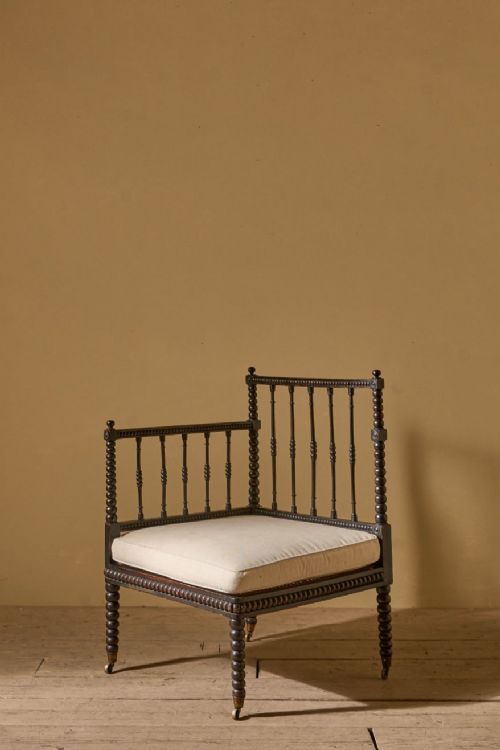
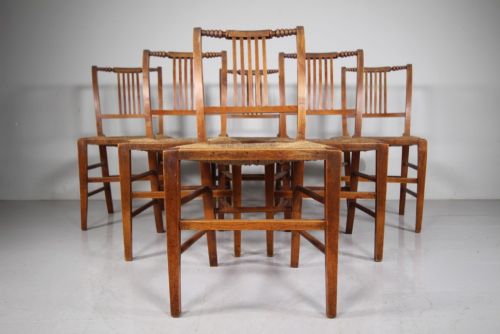
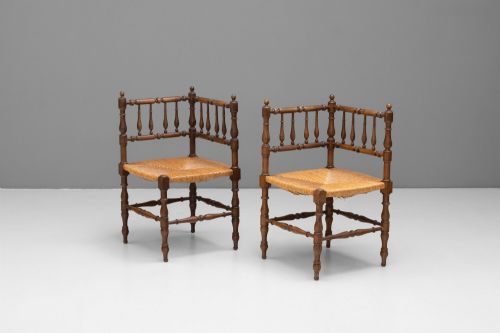
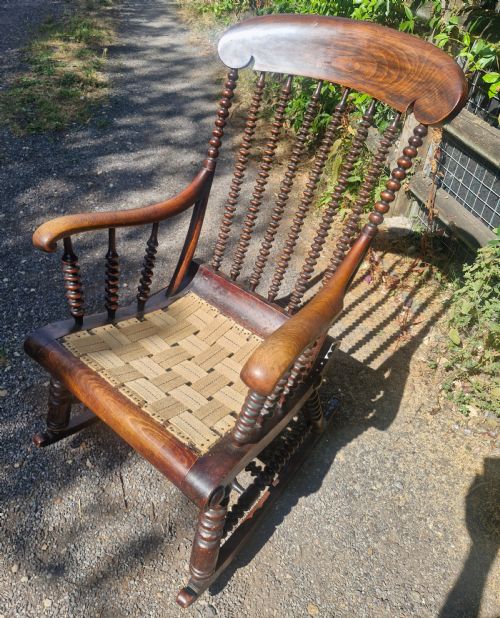
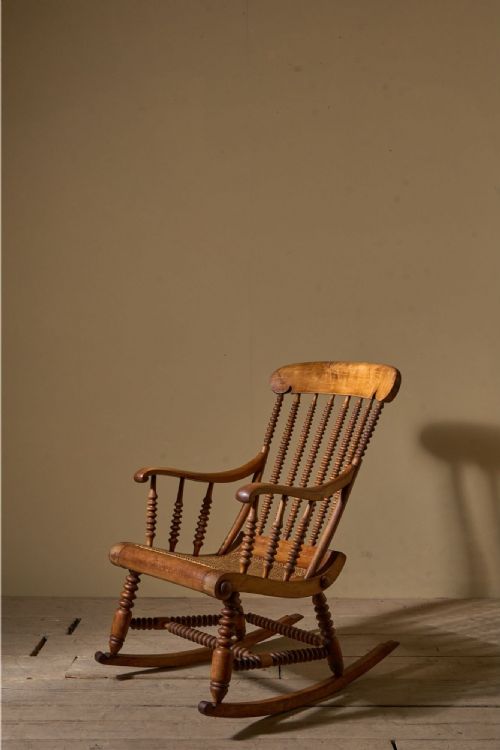
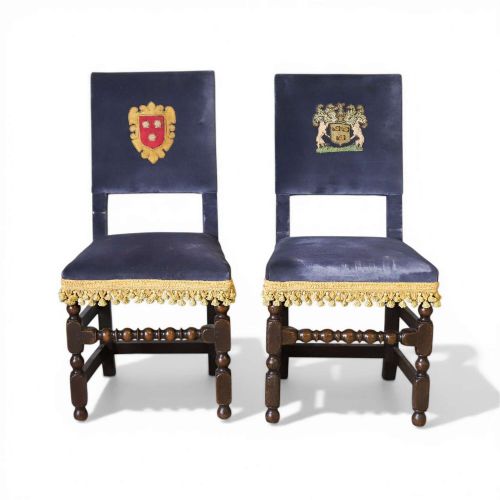
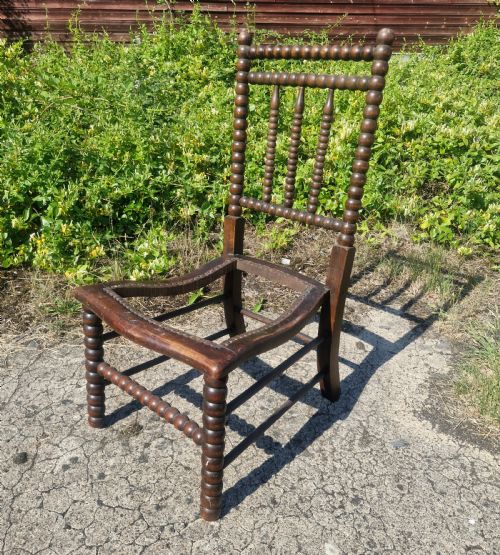
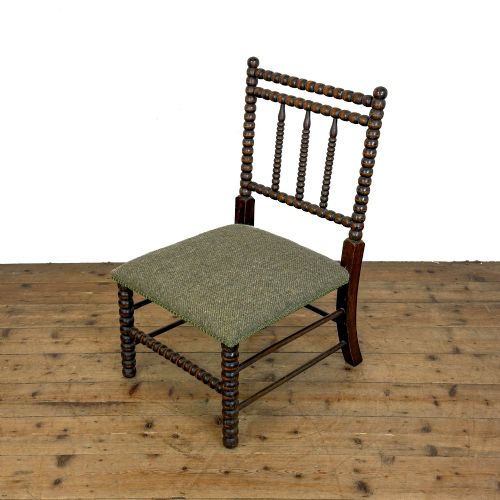
When you search for an antique bobbin seat, you encounter chairs, armchairs, rocking chairs, corner chairs, and stools built with distinctive turned spindles that resemble spools of thread. These pieces appear primarily from the nineteenth century, including Victorian examples, alongside earlier seventeenth-century interpretations and later twentieth-century pieces.
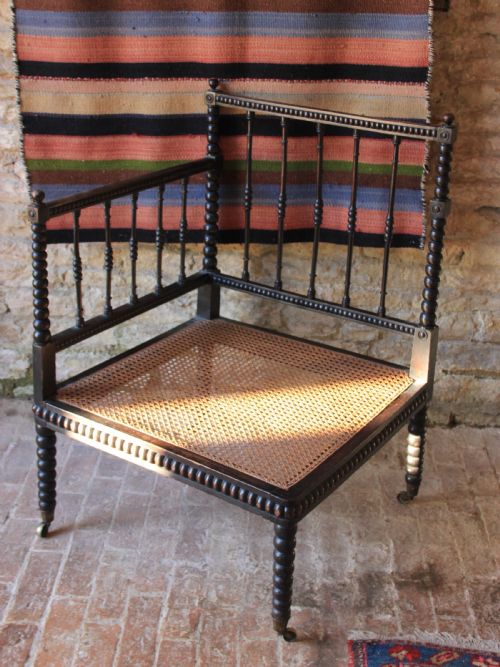
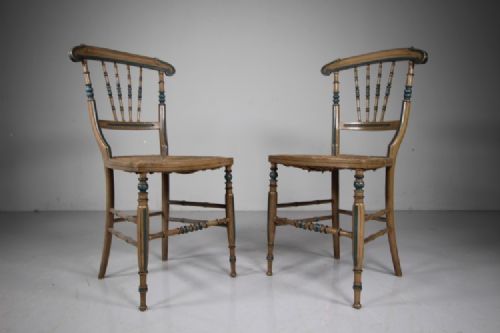
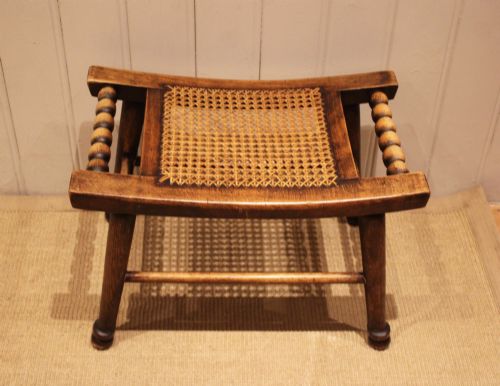
The most common formats on this page are open armchairs and corner chairs featuring ebonised wood or oak frames. You will also find rocking chairs, low bedroom chairs, and stools fitted with cane, rush, fabric, or leather seats.
How they were made
Frames are turned from timbers such as oak, beech, walnut, rosewood, and ebonised wood using lathes to create the repeating spherical or spool shapes characteristic of the style. Joinery relies on traditional pegged mortise and tenon construction to secure the uprights, rails, and arms.
Seating surfaces utilise woven cane, natural rush, or solid timber panels, often supplemented by drop-in pads or upholstery in leather, velvet, tweed linen, and fabric.
Listings feature items spanning the seventeenth century through to the twentieth century, constructed from oak, beech, rosewood, walnut, and ebonised wood.
What varies in quality
Quality rests upon the crispness of the turning along the spindles and legs, where deeper, more uniform cuts indicate superior craftsmanship by a skilled turner. The choice of timber also dictates the standard, with dense woods like oak, walnut, and rosewood holding sharper profiles than softer alternatives.
The integrity of the frame construction and the original condition of materials such as cane work or turned joints separate robust examples from those requiring substantial intervention.
The Antique Bobbin Seat Glossary
- Bobbin turning
- A form of woodturning characterised by a sequence of rounded spheres or reels along a spindle, resembling a bobbin of thread. This technique defines the visual rhythm of the frame.
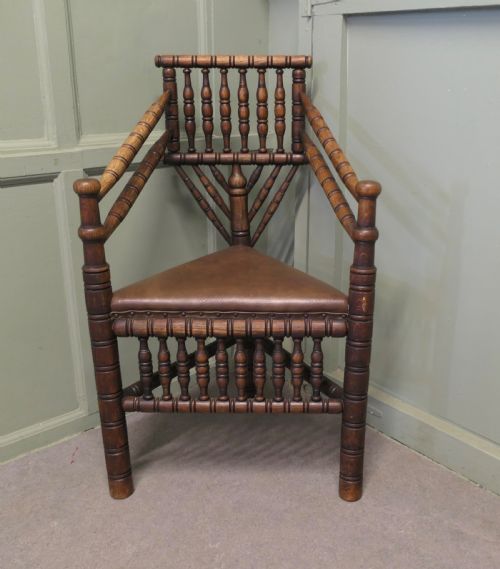
- Turner's chair
- A sturdy armchair constructed entirely from turned wooden members, often associated with seventeenth-century designs sometimes called Old Saxon chairs. They rely on geometric arrangements of spindles.
- Ebonised wood
- Timber treated with a dark stain or finish to imitate ebony. This dark surface accentuates the reflective contours of turned woodwork.
- Rush seating
- Woven marsh grass utilised to form a durable, textured seat base. It appears frequently on traditional country chairs.
- Cane work
- Woven rattan strips forming a permeable panel for chair seats or backs. It provides lightweight flexibility within a rigid wooden frame.
Antique Bobbin Seat: Frequently Asked Questions
What is an antique bobbin seat?
An antique bobbin seat is a chair, stool, or bench constructed with turned wooden spindles shaped like spools of thread. These pieces date primarily from the nineteenth century and earlier periods.
They appear in various forms including armchairs, rocking chairs, and corner chairs, utilising woods like oak, beech, and ebonised timber.
How do I date an antique bobbin seat?
Dating relies on examining the timber species, joinery methods, and turning style employed by the maker. Seventeenth-century examples often feature heavy oak frames and simpler joinery, while Victorian pieces frequently utilise ebonised wood or rosewood.
Secondary materials such as rush, cane, or specific upholstery fabrics also provide clues to the period of manufacture.
Where should I place a bobbin chair at home?
A bobbin chair functions well as an occasional seat in a living room, bedroom, or hallway where its sculptural turned frame remains visible. Corner chairs and rocking chairs fit neatly into unused alcoves or reading spaces.
Pairing the seat with complementary wooden furniture highlights the decorative spoolwork without overcrowding the room.
How do I care for wooden bobbin furniture?
Maintain the timber frame by dusting regularly with a soft, dry cloth and avoiding placement near direct heat sources or strong sunlight. Wax finishes benefit from occasional gentle polishing with appropriate natural beeswax.
Protect cane or rush seats by avoiding excessive weight or moisture, ensuring the woven natural fibres remain intact.