






Antique Boat Artwork
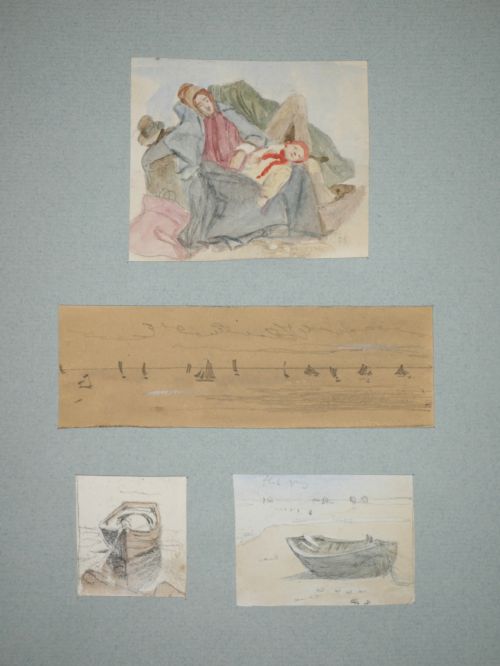
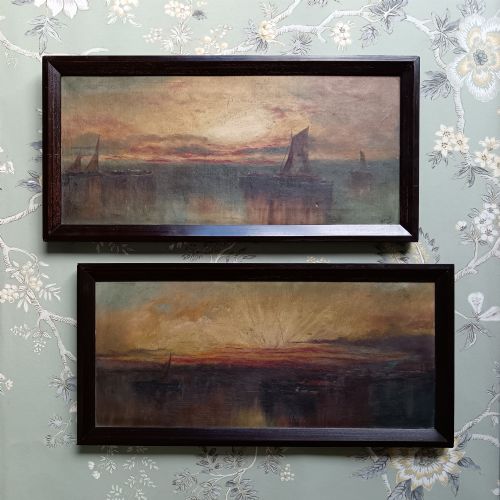
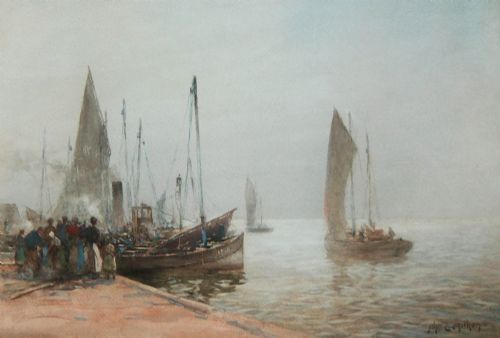
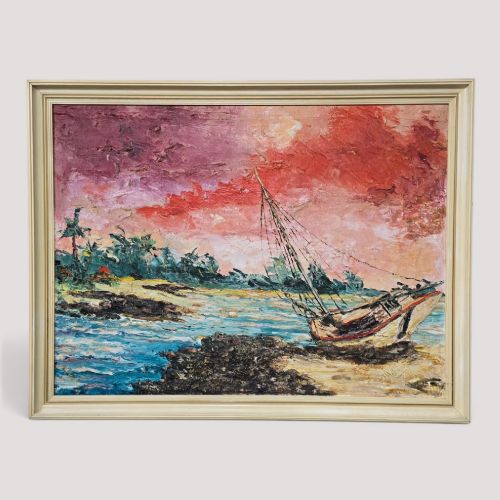
These antique boat artwork pieces capture maritime scenes and vessels across centuries of painting and drawing.
Antique Boat Artwork
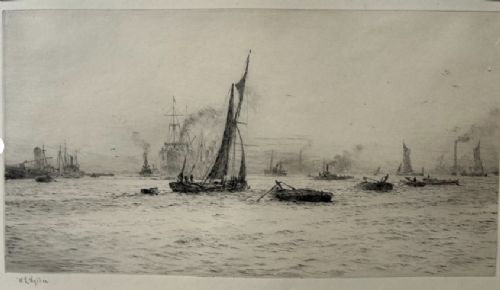
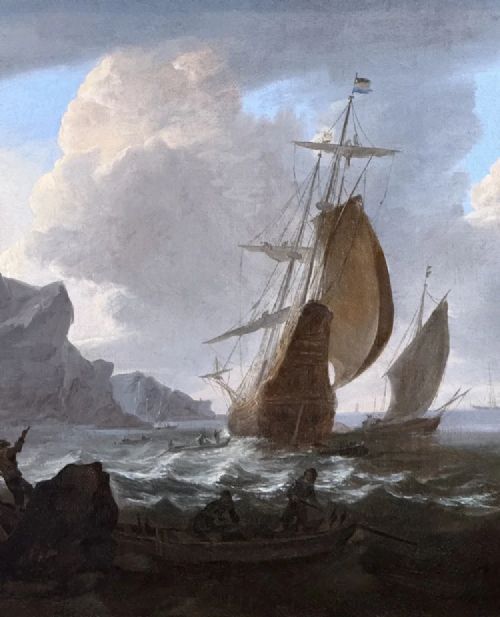
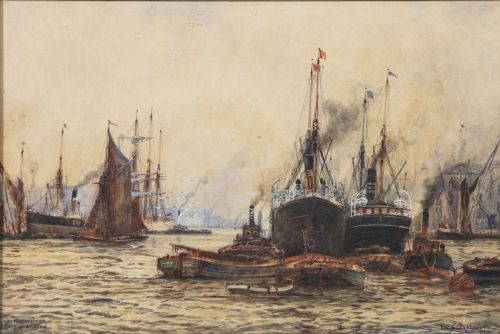
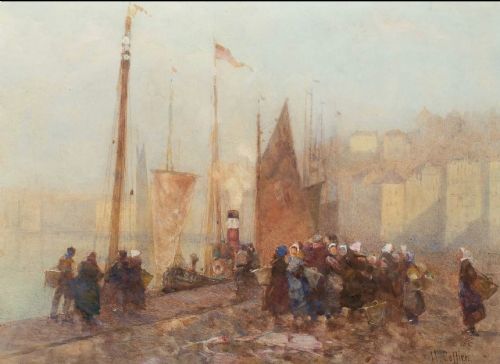
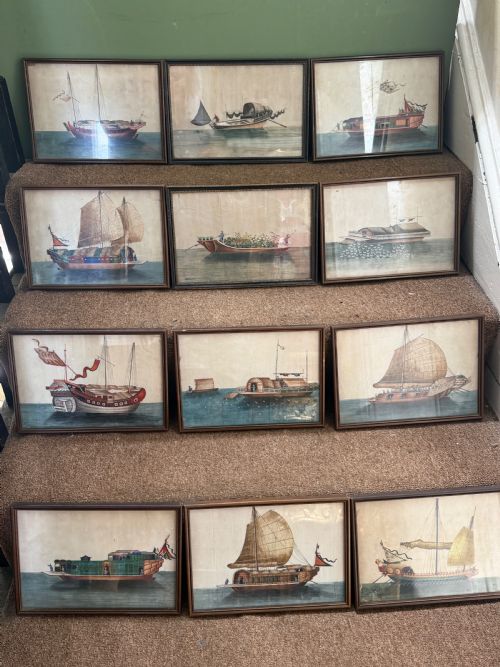
Antique boat artwork encompasses oil paintings, watercolours, gouache paintings, drawings, and etchings focusing on maritime and river subjects. These works depict various vessels ranging from fishing boats and trading junks to steamships and sailing barques operating in coastal waters, harbours, and open seas.
The selections span the nineteenth century, the Edwardian era, and into the mid-twentieth century, reflecting diverse regional schools from British and French artists to Dutch and Chinese export works. Buyers frequently encounter framed watercolours and oil paintings on canvas or board dating from the Victorian period onwards.
How they were made
Artists executed these works using oil on canvas, oil on board, watercolour on paper, and gouache, often housing the finished pieces in gilt wood frames. Some examples utilise glass to protect reverse paintings or employ engraving techniques on paper for detailed maritime scenes.
The physical support structures typically consist of stretched canvas, wooden boards, or heavy paper sheets, paired with traditional framing materials that match the period of creation.
Listings feature oil paintings, watercolours, gouache, and etchings spanning the 19th century to the mid-20th century.
What varies in quality
Quality in these maritime works rests on the artist's handling of light, water movement, and vessel rigging, where confident brushwork distinguishes accomplished hands from standard decorative pieces. The condition of the pigment, stability of the canvas or paper, and the preservation of the original gilt frame significantly influence the standing of each piece.
James Orrock·James Smetham·B. Nash·James E. Aitken·William Lionel Wyllie·Bonaventura Peeters·Frank William Scarbrough·Francis Moltino·Hector Caffieri·Thomas Creswick·Willem Bos·Cecil Allan Mould·John Wilson Carmichael·Alfred G. Morgan·Richard B. Spencer·William Henry Williamson·Bernard Benedict Hemy·George Stanfield Walters·Abraham Hulk I·Henry Barlow Carter·Paul Delvaux·William Edward Webb
The Antique Boat Artwork Glossary
- Watercolour
- A painting method where fine pigment is suspended in a water-based, staining solution on paper. It allows for translucent washes that suit atmospheric seascapes.
- Gouache
- An opaque water-based paint medium that creates solid, flat areas of colour and sharp highlights. It appears frequently in Chinese export ship paintings.
- Etching
- A printmaking technique where an artist uses acid to cut into the unprotected parts of a metal plate to hold ink. This process produces fine, linear maritime details.
- Gilt wood
- Wood treated with a thin layer of gold leaf or metallic powder for decorative framing. It defines the borders of many nineteenth-century oil paintings.
Antique Boat Artwork: Frequently Asked Questions
What periods do these artworks come from?
The inventory spans the nineteenth century through the Edwardian era and into the mid-twentieth century. Most examples originate from Victorian Britain and continental Europe.
Specific dates within titles point towards active painting periods of the nineteenth and early twentieth centuries.
How are these maritime paintings framed?
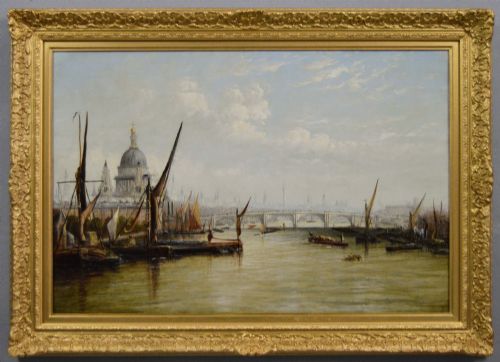
Many works are presented in their period gilt wood frames which complement the maritime subject matter. These frames vary from simple moulded borders to elaborate gilt designs.
Framing materials often match the operational decade of the painting or drawing.
What subjects appear besides boats?
Alongside fishing boats and steamships, the pieces portray harbours, coastal towns, river reaches, and open sea views. Locations range from the River Thames to foreign ports and coastal waters.
Skies and changing weather conditions form an integral part of the maritime composition.
Are these works signed by artists?
Numerous pieces carry signatures, monograms, or inscriptions from identified painters and printmakers. Documentation on the face or reverse links works to specific marine artists of the period.
Unsigned examples are typically attributed to regional schools or period workshops.