



Antique Blue Wine Glasses
Antique blue wine glasses bring vibrant colour and historic craftsmanship to the table, offering a striking alternative to clear crystal.
Antique Blue Wine Glasses
When you search for antique blue wine glasses, you are exploring a rich variety of drinking vessels spanning the Georgian, Victorian, and Edwardian eras. The selection ranges from deeply saturated cobalt and Bristol blue tones to lighter turquoise and peacock shades.
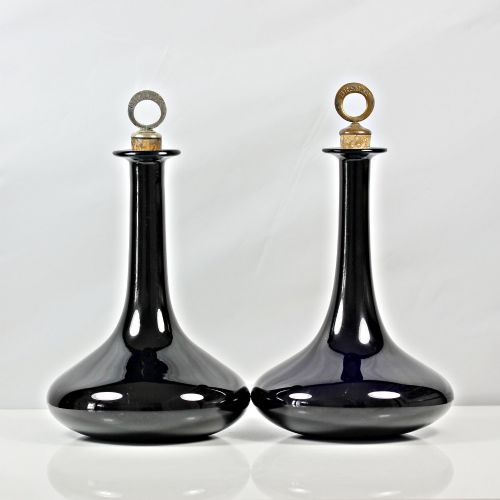
You are most likely to encounter matched sets of wine glasses alongside individual goblets and serving pieces like decanters and jugs. These items showcase diverse regional origins, including English, Bohemian, Italian, and Scottish workshops.
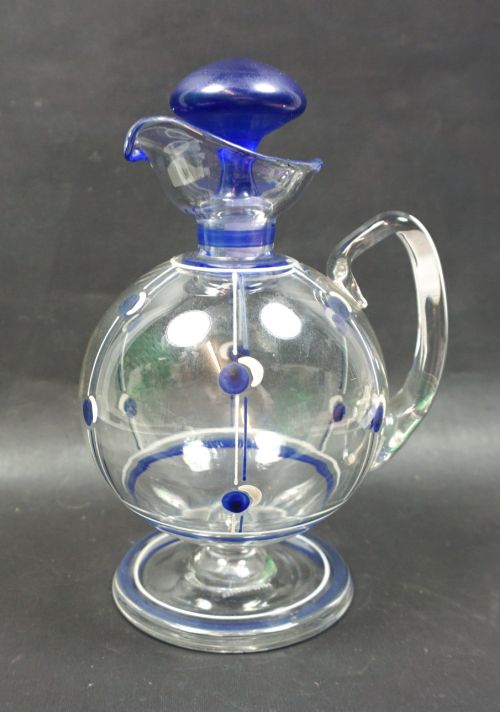
The forms vary from tall hock glasses to handled ewers and matched sets of six, reflecting the changing dining customs of the nineteenth and early twentieth centuries. Each piece carries the distinct character of its period style, from William IV robustness to Art Deco geometry.
How they were made
The production of these pieces relies on traditional glassmaking techniques such as free-blowing and mould-blowing using lead glass and crystal. Artisans achieved the characteristic blue hues by introducing metallic oxides into the molten batch, creating cobalt, turquoise, and peacock coloration.
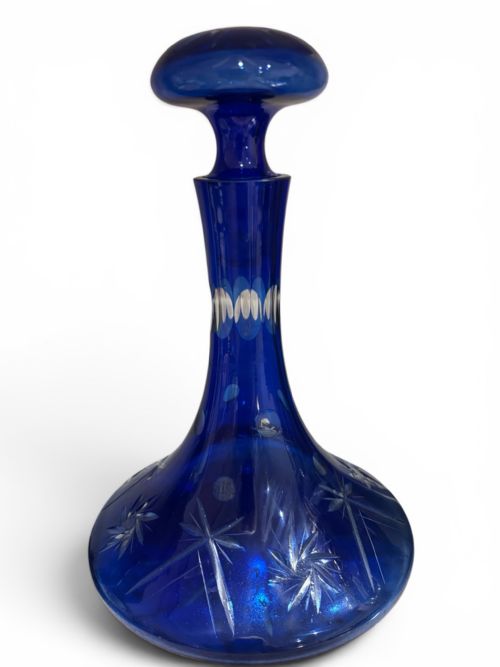
Decoration often involved skilled cutting, wheel-engraving, or the application of enamel and silver mountings. Some items utilise colour-over-crystal overlays, where a layer of blue glass is cut away to reveal clear crystal beneath.
Antique Blue Wine Glasses Retail Price Guide 2026
Typical asking prices for blue wine glasses among the pieces listed under this phrase on Sellingantiques today, from the lower quarter to the upper quarter. They describe what is for sale here now, not the wider market.
The listings feature glass items from the Georgian, Victorian, and Edwardian periods, utilising materials such as cobalt glass, crystal, and silver plate.
What varies in quality
Quality in these items is determined by the depth and uniformity of the glass colour, as well as the precision of any cut or enamelled decoration. Heavy, resonant lead crystal indicates a higher standard of manufacture compared to simpler soda glass.
The crispness of facet cutting and the proportional balance of the stem and bowl separate standard domestic wares from exceptional exhibition pieces. Condition and the integrity of any applied silver or enamel details further influence the overall standing of an object.
Salviati
The Antique Blue Wine Glasses Glossary
- Bristol blue
- A deep, vibrant cobalt blue glass traditionally associated with the English city of Bristol during the eighteenth and nineteenth centuries. It was frequently used for decanters, finger bowls, and wine glasses.
- Lead glass
- Glass containing lead oxide, which increases the weight, refractive index, and clarity of the material. This composition allows for sharper facet cutting and a clearer ring when struck.
- Hock glass
- A tall-stemmed wine glass traditionally used for hock or other white Rhine wines. The bowl is often coloured in shades of blue or green and set atop a slender stem.
- Latticino
- A Venetian glass technique involving the incorporation of opaque white threads within clear or coloured glass to create intricate patterns. It appears in Italian revival pieces from the nineteenth century.
Antique Blue Wine Glasses: Frequently Asked Questions
Can I use antique blue wine glasses for dining?
Many collectors enjoy using their glasses for special occasions, provided the vessels are handled with care and washed promptly after use. Their sturdy lead glass construction often makes them durable enough for gentle modern service.
Keep in mind that pieces with delicate enamel work or precious metal mounts require extra caution during use and storage.
How do I date an antique blue wine glass?
Examine the pontil mark on the underside of the base, where a rough scar often indicates an earlier manufacture date before polished pontils became common. The style of the stem, bowl shape, and depth of the glass tint also provide clear chronological markers.
Compare the decorative motifs, such as Victorian cut facets or Edwardian enamel patterns, with documented examples from the same period to narrow down the decade.
What is Nailsea glass?
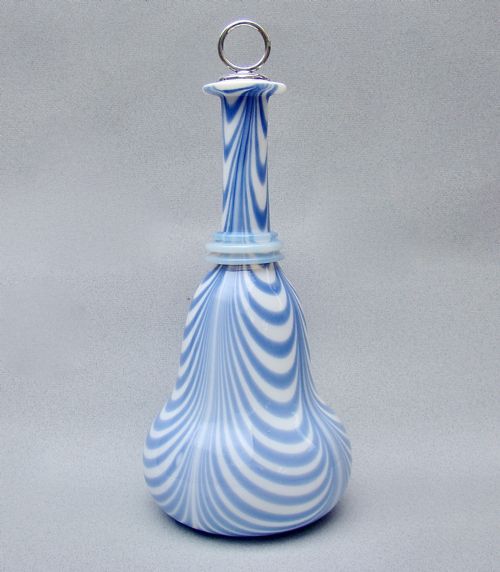
Nailsea glass refers to glassware produced at the Nailsea glassworks near Bristol, famous for distinctive looped and feathered decorative techniques. Items from this tradition often display unique surface patterns embedded within the glass body.
True pieces command attention for their folk art appeal and characteristic use of coloured glass threads trailing across a contrasting ground.