



Antique Blue Willow Dish
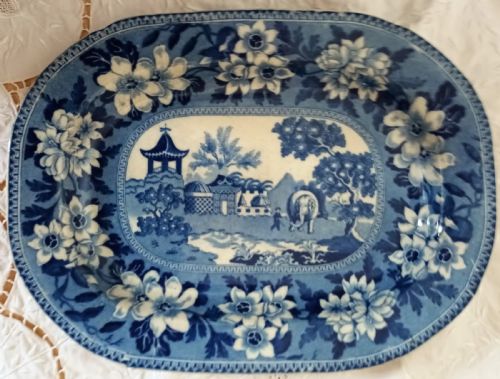
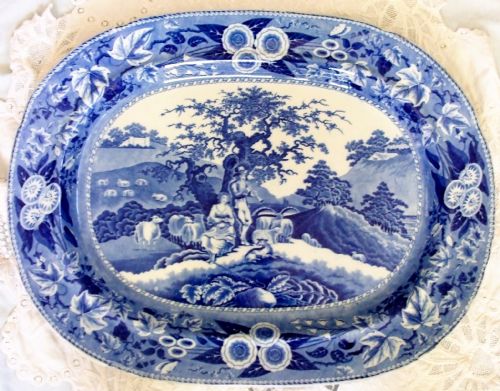
An antique blue willow dish brings traditional narrative scenery and rich blue transfer print onto your table.
Antique Blue Willow Dish
An antique blue willow dish offers a glimpse into historic tableware through transfer-printed pottery depicting oriental landscapes and traditional scenes. When you browse this selection, you encounter various forms ranging from large serving platters and lidded tureens to standard plates and small spoon trays. These items span the eighteenth, nineteenth, and early twentieth centuries, reflecting the enduring popularity of blue and white ceramic wares in British households.
The pieces listed here showcase distinct regional styles and historical periods, including Georgian and Victorian examples alongside English Delft chargers. While the classic willow pattern appears in sets, individual platters and meat plates display alternative scenic designs like the elephant, piping shepherd, zebra, and bridge of lucano patterns. Such variety demonstrates how nineteenth-century potters expanded upon traditional themes to meet domestic demand for decorative yet functional tableware.
Materials and production methods
Potters constructed these dishes using earthenware, pearlware, and tin-glazed ceramic bodies shaped into plates, platters, and tureens. Artisans applied cobalt pigment or cobalt oxide beneath a glossy ceramic glaze before firing the pieces in kilns to achieve the characteristic deep blue coloration.
The transfer printing technique allowed workshops to apply intricate patterns onto ceramic surfaces with remarkable consistency. Engraved copper plates transferred the design onto tissue paper, which was then pressed onto the biscuit ware prior to glazing and final firing.
Antique Blue Willow Dish Retail Price Guide 2026
Typical asking prices for blue willow dish among the pieces listed under this phrase on Sellingantiques today, from the lower quarter to the upper quarter. They describe what is for sale here now, not the wider market.
Early potters occasionally hid tiny whimsical figures within distant bridges on transfer-printed platters, rewarding close inspection with a quiet smile.
Factors influencing quality
Quality in these ceramics depends heavily on the clarity and depth of the cobalt transfer print against the white ground. Crisp lines and rich blue tones without blurring or running indicate superior execution by the potter.
The sophistication of the ceramic body and glaze smoothness also separate standard domestic items from finer productions. Earlier pearlware bodies and well-potted earthenware forms display greater refinement in weight and finish.
John Rogers and Son·Spode·Copeland and Garrett
The Antique Blue Willow Dish Glossary
- Pearlware
- A refined earthenware developed in the late eighteenth century featuring a subtle bluish glaze that pooled in crevices. This material was widely used for blue and white transfer-printed tableware.
- Transfer printing
- A decoration method where an engraved copper plate transfers a design onto paper, which is subsequently pressed onto unglazed ceramic. This technique revolutionized pottery production by enabling detailed repeatable patterns.
- Tin glaze
- An opaque white glaze containing tin oxide applied to earthenware bodies before firing. It formed the smooth white surface characteristic of early tin-glazed chargers.
- Biscuit ware
- Unglazed pottery that has undergone its initial kiln firing. Ceramic pieces received their transfer print and glaze coating directly over this porous state.
Antique Blue Willow Dish: Frequently Asked Questions
How do I date an antique blue dish?
Dating relies on examining the ceramic body, glaze characteristics, and any makers marks stamped or printed on the reverse. Earlier pieces often utilise pearlware bodies with a slightly bluish glaze, whereas later nineteenth-century items typically feature heavier ironstone or refined earthenware.
Assessing the style of the transfer print and the sharpness of the cobalt pigment also helps narrow the period of manufacture. Comparing the form against documented pottery shapes provides further chronological context.
Are these dishes safe for daily use?
Most buyers choose to display these historic ceramics rather than use them for daily dining. Historic glazes can be sensitive to modern detergents, thermal shock, and cutlery scratching.
Gentle hand washing in lukewarm water without harsh chemicals is recommended if cleaning becomes necessary. Storing them securely on plate stands or within cabinets protects the fragile earthenware bodies from accidental chips.
What is the difference between pearlware and earthenware?
Pearlware is an improved, whiter type of earthenware developed to mimic Chinese porcelain more closely. It contains flint and a small amount of cobalt in the glaze, which creates a faint blue tint in pooling areas.
Standard earthenware used for later nineteenth-century plates generally presents a warmer, creamier white ground without that characteristic bluish pooling. Both materials serve as durable foundations for transfer-printed decoration.
Why are some patterns different from the standard willow?
Nineteenth-century potteries produced a vast array of transfer-printed scenery alongside the traditional willow pattern. Designs featured named topographical views, exotic animals, and pastoral narratives to appeal to shifting consumer tastes.
These alternative patterns allowed households to curate dining sets with specific thematic narratives. Collectors today often seek out these rarer topographical and animal motifs for their distinct visual appeal.