


Antique Blue White Pot
An antique blue white pot brings centuries of cobalt painting and domestic utility straight to your table, offering endless variety from apothecary jars to Chinese export porcelain.
Antique Blue White Pot
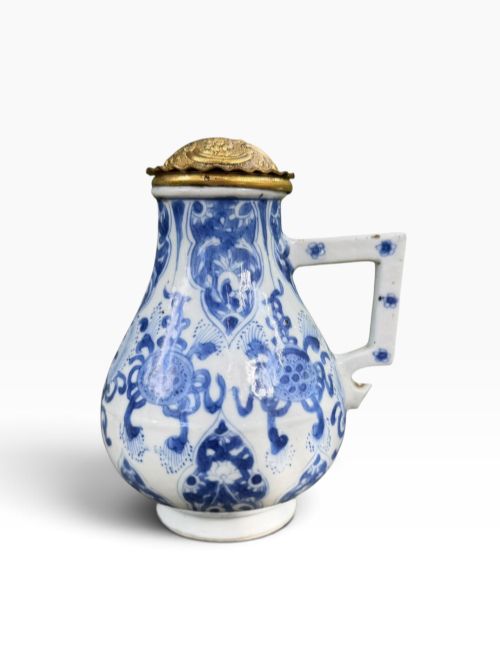
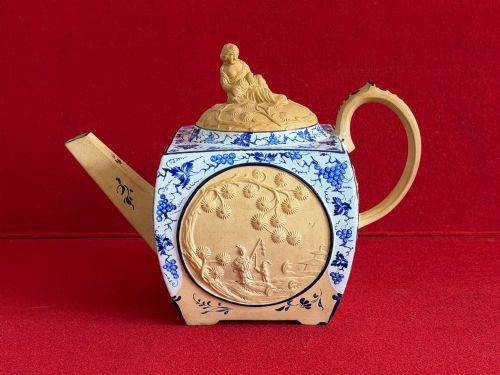
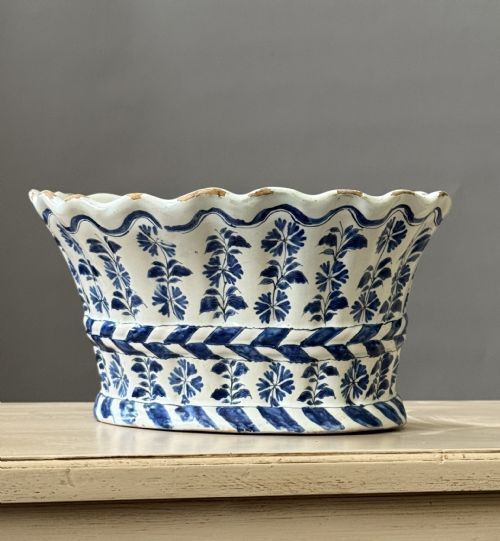
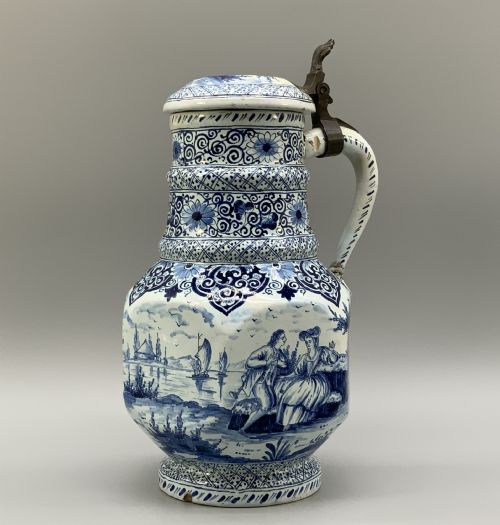
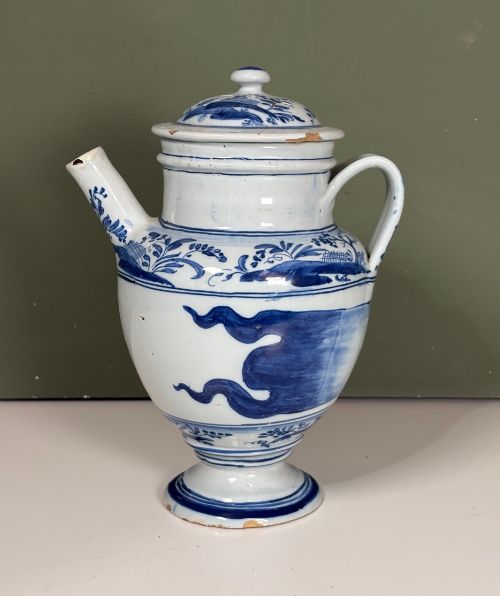
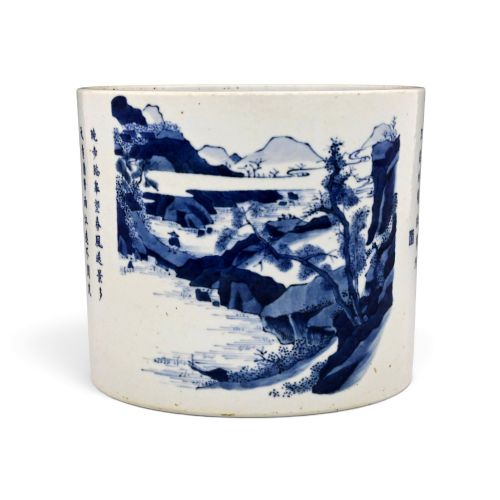
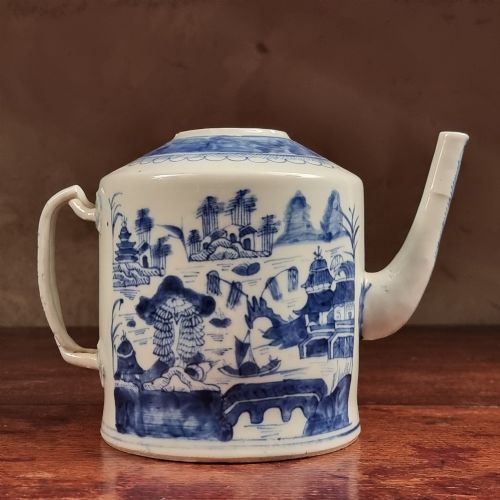
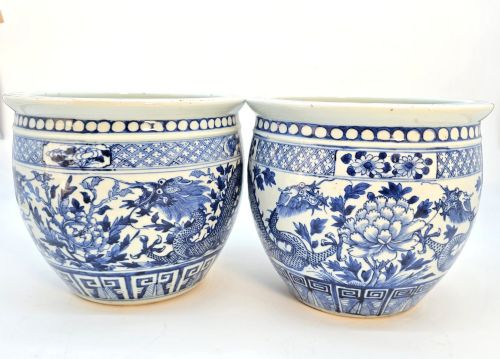
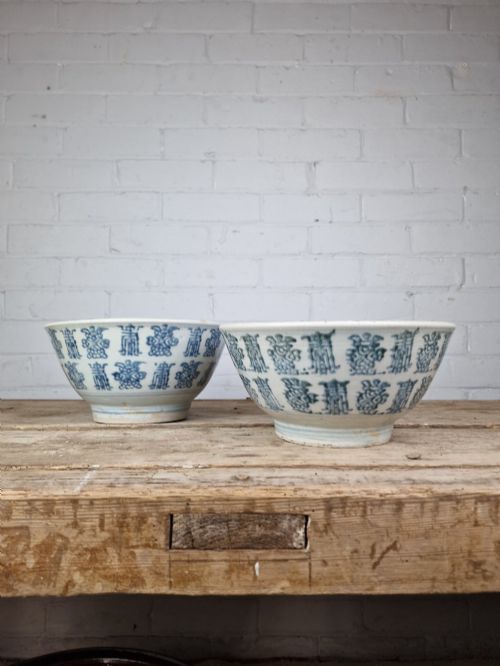
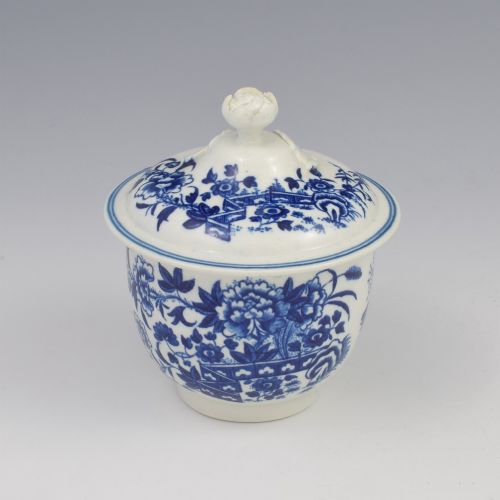
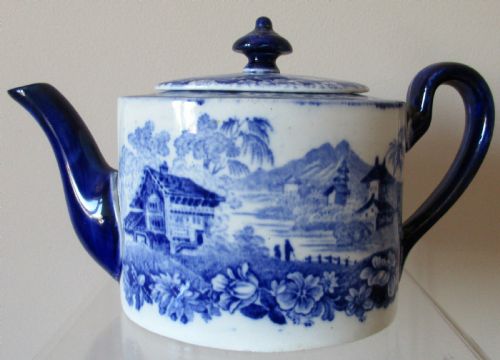
When searching for an antique blue white pot, collectors encounter a diverse group of domestic and decorative vessels spanning centuries of global ceramic production. These pieces include utilitarian pharmacy jars, tea wares, brush pots, and large garden planters originating from European kilns and Asian dynasties alike.
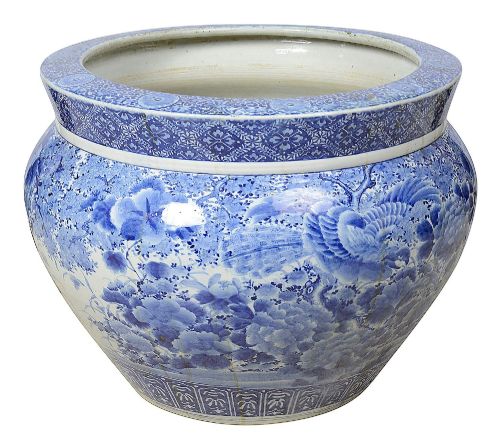
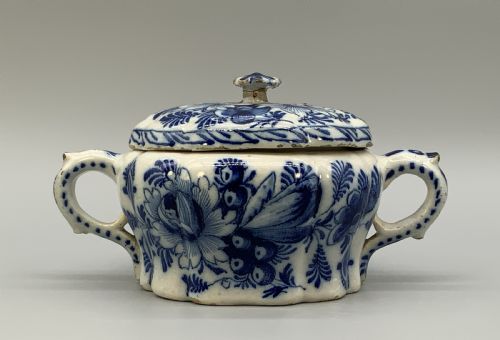
The English Delftware posset pots and drug jars sit alongside Chinese export porcelain and Japanese Meiji period jardinieres in this selection. Buyers frequently find seventeenth and eighteenth-century European tin-glazed earthenwares as well as nineteenth-century transfer-printed ironstone containers.
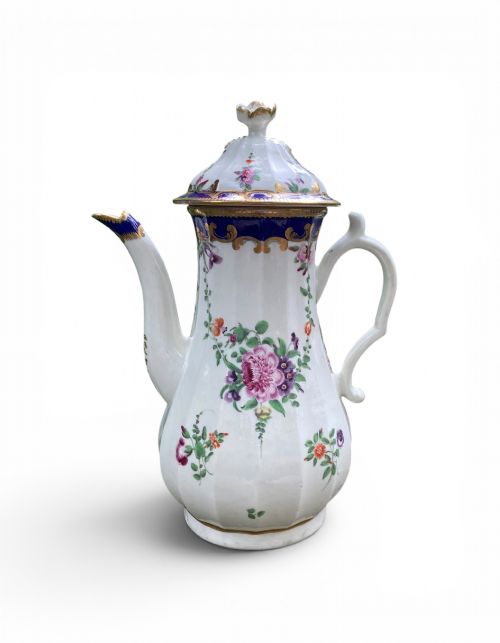
Domestic vessels range from small covered sugar bowls and teapots to monumental fish bowls and storage jars. Each functional form reveals the specific culinary, medicinal, or display needs of its original era.
How They Were Made
Potters shaped these vessels from clay bodies such as soft-paste porcelain, earthenware, and heavy stoneware before applying mineral pigments. Cobalt oxide provided the durable blue colour that could withstand high kiln temperatures without losing intensity.
Tin glazes created an opaque white surface on European delftware and majolica, providing a smooth field for hand-painted brushwork. Later nineteenth-century makers utilised copperplate transfer printing to apply intricate repeating patterns onto earthenware bodies efficiently.
Glazing techniques varied from transparent feldspathic coats on Chinese porcelains to thick tin-opacified layers on English and Dutch apothecary vessels. Firing methods determined the ultimate vitrification of the paste and the sharp clarity of the cobalt decoration.
Antique Blue White Pot Retail Price Guide 2026
Typical asking prices for blue white pot among the pieces listed under this phrase on Sellingantiques today, from the lower quarter to the upper quarter. They describe what is for sale here now, not the wider market.
Listings feature earthenware, porcelain, and stoneware bodies decorated with cobalt pigment across the seventeenth, eighteenth, and nineteenth centuries.
What Varies in Quality
The distinction between ordinary utility wares and exceptional pieces rests upon the precision of the cobalt painting and the balance of the vessel form. Master painters achieved fluid, confident brushstrokes that defined floral motifs and figurative scenes with notable depth.
Body preparation and kiln control directly influenced the purity of the white ground and the crispness of the blue pigment against the glaze. Superior examples display minimal firing distortion and an even, lustrous surface finish free from excessive pooling.
Historical importance and scarcity elevate certain forms, such as early dated English delft posset pots or well-documented Kangxi period scholar items. The integrity of original matching covers on teapots, jars, and sugar bowls also defines the completeness of a surviving piece.
William Adams And Sons·Mintons·Enoch Wood And Sons·Baccarat·Spode·Doulton Burslem
The Antique Blue White Pot Glossary
- Albarello
- A cylindrical pharmacy jar used in apothecary shops for storing dry or wet medicinal drugs. These Italian and Spanish drug jars typically feature an indented waist for easier handling.
- Delftware
- Tin-glazed earthenware produced in Holland and England during the seventeenth and eighteenth centuries. The porous clay body receives an opaque white lead glaze painted with cobalt blue designs.
- Jardiniere
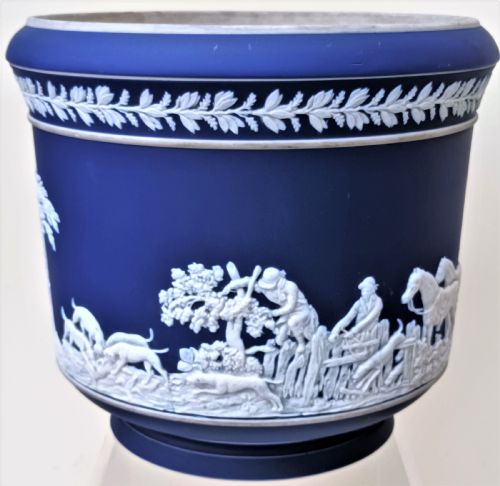
- A large ornamental pot or stand designed to hold growing plants or flowers. These vessels appear in ceramic, porcelain, and stoneware across Asian and European traditions.
- Posset pot
- A spouted ceramic vessel with handles used for serving a traditional hot drink made of curdled milk and wine or ale. Surviving seventeenth-century examples often include matching lids.
- Transfer printing
- A decoration technique developed in eighteenth-century England where an engraved copper plate transfers a design onto paper and then onto the ceramic surface before glazing.
Antique Blue White Pot: Frequently Asked Questions
What is an apothecary jar?
Apothecary jars were functional containers used by chemists and pharmacists to store herbs, ointments, and medicinal drugs safely. Their cylindrical or albarello shapes kept ingredients organised on pharmacy shelves.
Over time, these utilitarian containers evolved into decorative display pieces valued for their hand-painted cobalt labelling and rich historical provenance.
How do I care for my pot?
Clean these fragile ceramics gently using warm water and a mild, non-abrasive detergent when necessary. Avoid harsh scrubbing brushes and chemical solvents that might damage historic glazes.
Display the vessels away from direct sunlight and areas subject to sudden temperature fluctuations to protect the ceramic body and glaze integrity.
How do I date a delft pot?
Dating early delftware requires examining the characteristics of the clay body, the thickness of the tin glaze, and the painting style. Earlier seventeenth-century pieces often feature heavier earthenware bodies and darker, pooled cobalt pigments.
Comparative study of recorded kiln marks, painter ciphers, and stylistic motifs helps narrow the manufacturing period of unmarked domestic vessels.
Were these pots used daily?
Many of these vessels served demanding everyday roles in domestic kitchens, dining rooms, and apothecary shops. Teapots, jugs, and storage jars experienced regular handling by households and merchants alike.
Other larger decorative items, such as garden urns and scholarly brush pots, remained stationary within specialised interior settings.