


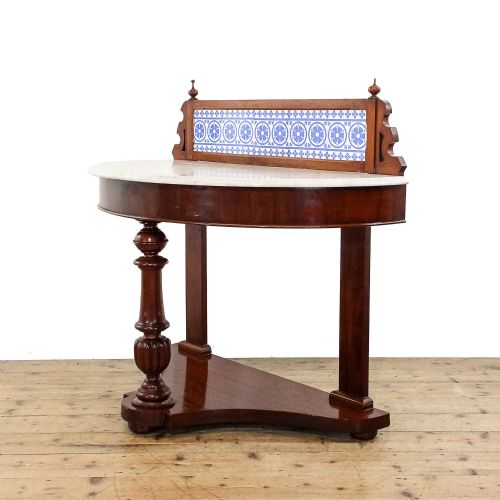


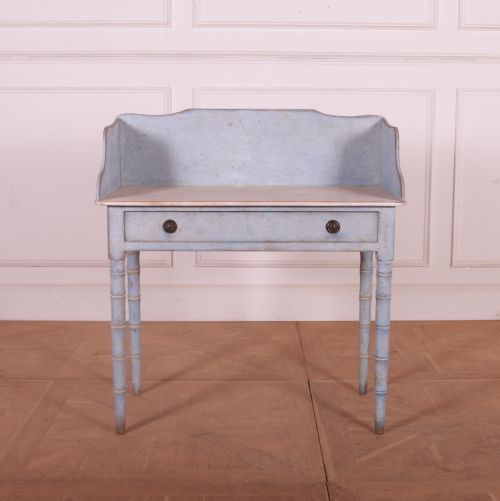
Antique Blue Washstand
An antique blue washstand brings practical 19th-century utility and striking cobalt ceramics to a bedroom.
Antique Blue Washstand
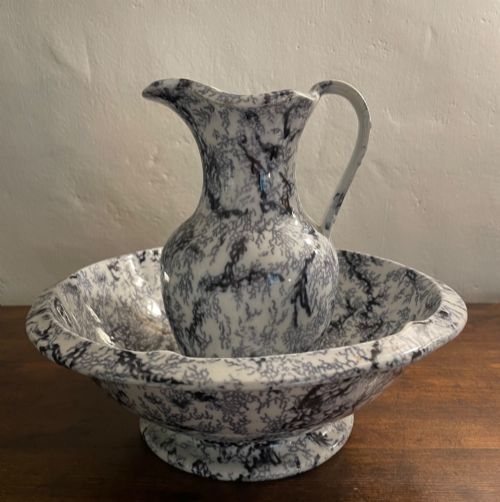
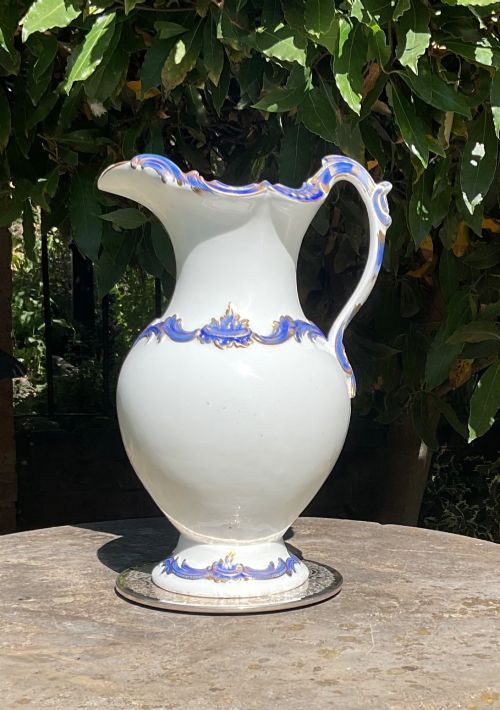
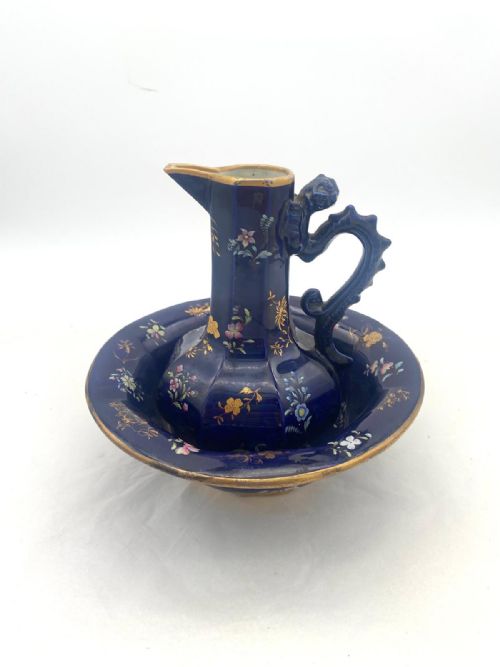
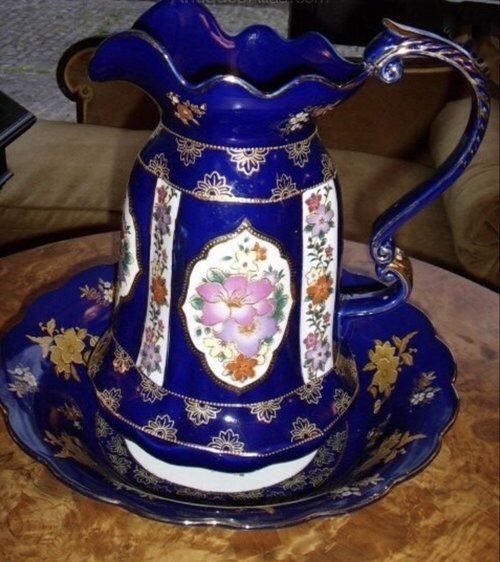
An antique blue washstand typically combines a wooden or marble-topped table with a ceramic jug and basin set decorated in blue. These pieces span the 19th century into the Edwardian era, incorporating styles from rustic country pine to Victorian and Regency forms.
The ceramic component usually forms a complete washstand set, comprising a large water jug and a matching toilet basin. Additional items such as soap dishes occasionally accompany these sets, presenting coordinated blue and white patterns or flow blue glazes.
Materials and construction methods
The furniture frames rely on timbers like mahogany and pine, sometimes paired with painted marble tops or tray backs to protect walls from splashes. Tables range from simple rustic country designs to more polished mahogany surfaces.
Ceramics are formed from earthenware, ironstone, and porcelain, finished with cobalt blue glaze or transfer-printed decoration. Potters utilised techniques like flow blue to create soft, blurred edges on the transfer patterns.
Listings feature 19th-century periods, including Victorian and Edwardian eras, alongside materials like earthenware, ironstone, and pine.
Distinctions in quality
Quality rests on the crispness of the ceramic transfer print and the durability of the glaze, alongside the stability of the wooden stand. Pieces from notable potteries often display finer detail in handles, spouts, and octagonal or moulded forms.
Cabinetry varies from utilitarian painted pine to heavier mahogany with fitted marble surfaces. Better examples maintain complete matching sets without replacement pieces, preserving the original harmony between jug, basin, and table.
Masons Ironstone·Minton·Doulton Burslem
The Antique Blue Washstand Glossary
- Flow blue
- A 19th-century ceramic glazing technique where lime or ammonia chloride was introduced into the kiln during firing to blur the cobalt transfer print intentionally.
- Ironstone
- A heavy, durable type of earthenware patented in the 19th century that bridged the gap between fine porcelain and standard pottery.
- Transferware
- Earthenware or porcelain decorated by applying an ink design from an engraved copper plate onto tissue paper, which was then transferred onto the unglazed ceramic surface.
- Washstand
- A piece of furniture designed to hold a basin, pitcher, and related washing accessories before the widespread installation of indoor plumbing.
Antique Blue Washstand: Frequently Asked Questions
How were washstands used?
These pieces served as the centrepiece for morning and evening ablutions in bedrooms before running water became common.
Water was heated elsewhere, poured into the pitcher, and used alongside the matching basin for washing the face and hands.
Can I use the ceramic sets today?
The jugs and basins remain fully functional for display or gentle domestic use as decorative planters or bathroom accessories.
Care should be taken with antique glazes, avoiding harsh detergents and sudden temperature changes to preserve the ceramic.
How do I date a washstand?
Dating relies on combining the construction style of the wooden table with the maker's mark and glazing style on the ceramic set.
Earlier 19th-century pieces often feature earthenware and deep cobalt transfer prints, while Edwardian examples show lighter, refined bathroom sets.
Where should I place a washstand?
They suit modern bathrooms, hallways, or bedrooms as statement side tables with built-in storage and display surfaces.
The marble tops on certain models offer practical, water-resistant utility while retaining period character.