
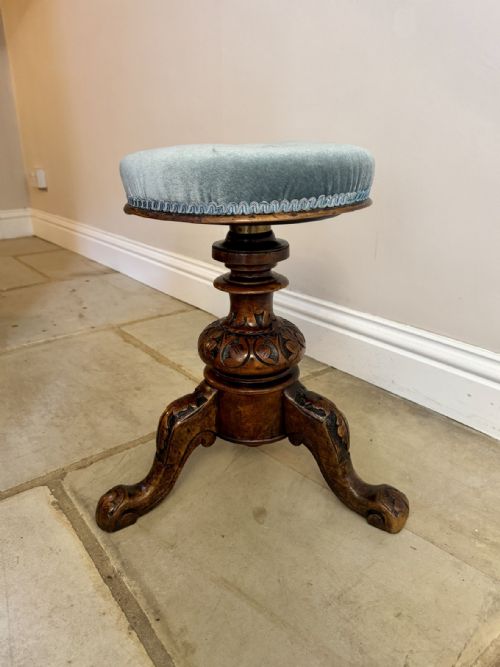


Antique Blue Velvet Seat
An antique blue velvet seat brings tactile depth and rich colour to a room, ranging from intimate bedroom chairs to grand dining sets.
Antique Blue Velvet Seat
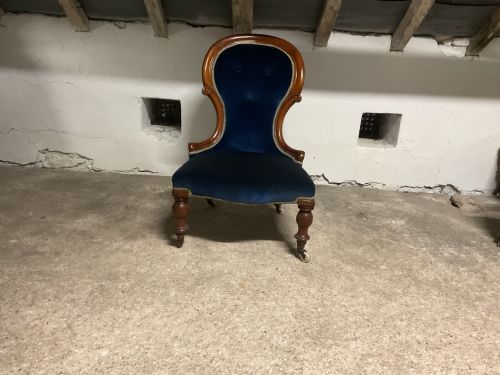
When you search for an antique blue velvet seat, you encounter a diverse array of seating furniture spanning the seventeenth century through to the Edwardian era. The selection encompasses dining chairs, armchairs, side chairs, stools, sofas, settees, chaise longues, nursing chairs, and window seats.
Victorian and Edwardian examples predominate, frequently rendered in mahogany, walnut, rosewood, oak, or ebonised wood. You also find specific stylistic revivals, including Louis XVI style giltwood armchairs, Jacobean Revival carved oak dining chairs, and William and Mary style walnut fauteuils.
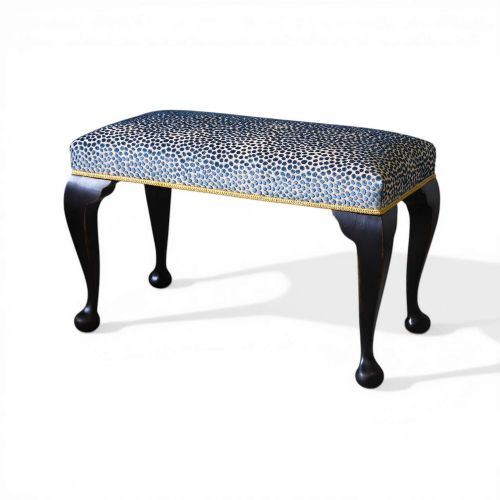
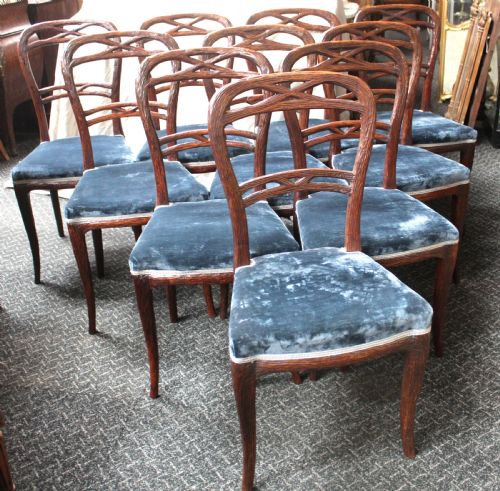
Seating arrangements range from single piano stools and duet window seats to matched sets of eight or ten dining chairs. Forms extend to day beds, ottomans, and box stools featuring button seats and tassel trims.
Materials and construction methods
Frames utilise dense hardwoods such as mahogany, walnut, rosewood, oak, and ebonised wood, alongside carved giltwood and painted finishes. Artisans shaped these timbers through traditional joinery, turning, and intricate carving, particularly evident in Victorian walnut and Jacobean Revival oak.
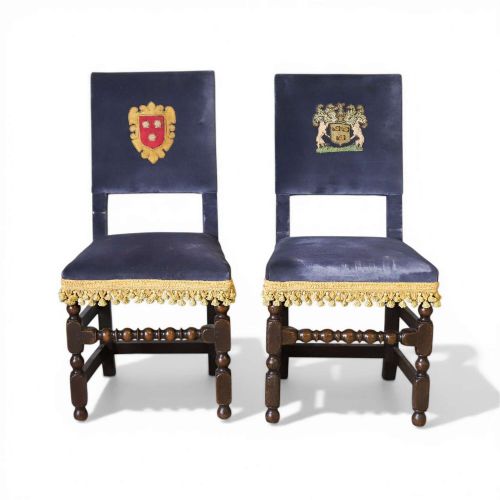
Upholstery relies upon plush velvet textiles, applied to supportive frames designed for dining, lounging, or perusal. Details such as heraldic crests, turned legs, and tassel trims complete the construction of these pieces.
Some seventeenth-century chairs carry family crests, proving that ancient clan loyalty looks remarkably plush in blue velvet.
Distinctions in craftsmanship and provenance
Quality rests upon the integrity of the timber frame and the precision of the carved details, distinguishing robust seating from lesser productions. Finer pieces demonstrate superior joinery and sophisticated stylistic adherence, whether in French Empire ottomans or Scottish armorial clan chairs.
Maker attribution elevates standing, as seen in documented works from firms like Liberty or Holland and Son. The harmony between the original wooden structure and the velvet upholstery dictates the overall standard.
Liberty·Holland and Son
The Antique Blue Velvet Seat Glossary
- Fauteuil
- An open-framed armchair with upholstered arms, originating in France. These pieces typically display exposed wooden framing in walnut or giltwood.
- Ottoman
- A low upholstered seat or bench without a back or arms, sometimes featuring internal box storage. Larger examples frequently utilise rosewood or walnut.
- Ebonised wood
- Timber treated to resemble ebony, creating a dark, uniform finish. This technique appears on Edwardian stools and decorative frames.
- Armorial
- Bearing a heraldic coat of arms, often carved into the wood of formal or clan seating. These symbols indicate specific lineage or institutional provenance.
- Duet
- A double-width seat designed for two people, commonly found in piano stools or window benches. These longer forms utilise mahogany or walnut frames.
Antique Blue Velvet Seat: Frequently Asked Questions
How do I date an antique blue velvet seat?
Dating relies upon stylistic markers, timber choice, and construction techniques associated with periods such as the Victorian, Edwardian, or seventeenth-century eras. Comparing the carved details and wood species to documented examples helps establish the correct timeframe.
Upholstery style and frame geometry also provide clues, though velvet covers are frequently replaced over time. Examining the underlying woodwork remains the most reliable method for determining age.
Where should I place a window seat?
Window seats suit entryways, bedroom alcoves, or living room perimeters where a low profile preserves natural light. Their compact forms make them practical for transitional spaces.
Duet benches and box ottomans offer functional seating combined with discreet placement beneath sills or at the foot of a bed.
How do I care for antique velvet upholstery?
Protect velvet from direct sunlight to prevent colour fading in the pile. Gentle brushing maintains the nap and removes surface dust.
Avoid harsh chemical cleaners and consult a professional conservator for deep cleaning to preserve the integrity of the textile.
What is the difference between a nursing chair and a side chair?
Nursing chairs feature lower seats designed for comfortable sitting near a hearth or nursery, often paired with upholstered backs. Side chairs are taller and straighter, intended primarily for dining tables or occasional room placement.
Nursing chairs frequently incorporate mahogany or walnut frames with compact footprints, distinguishing them from standard dining seating.