






Antique Blue Chest
An antique blue chest brings painted country character and practical storage to a room through centuries-old pine, oak and robust ironwork.
Antique Blue Chest
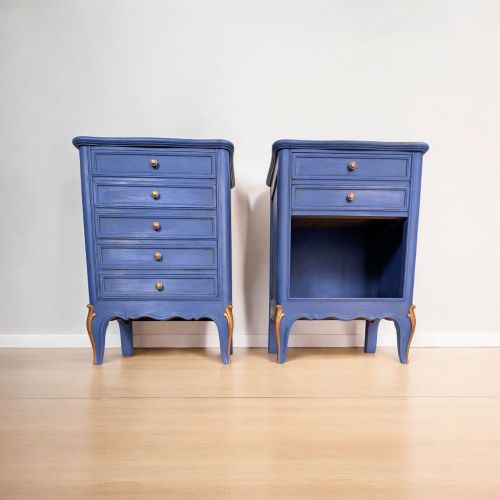
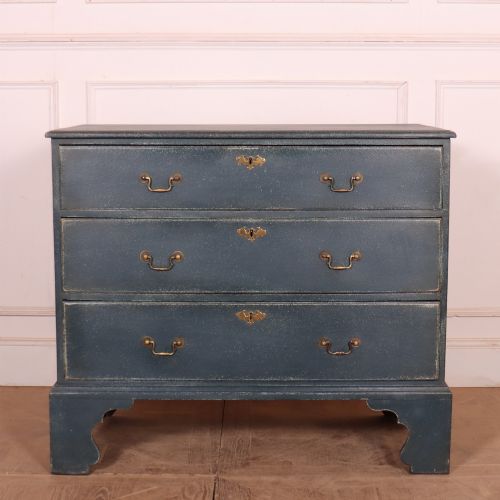
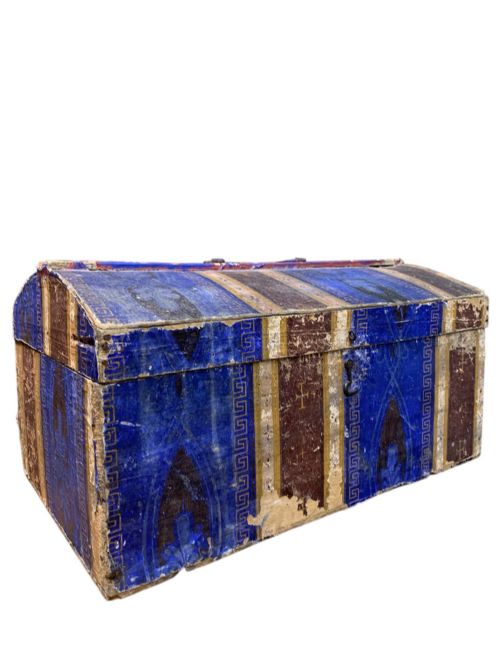
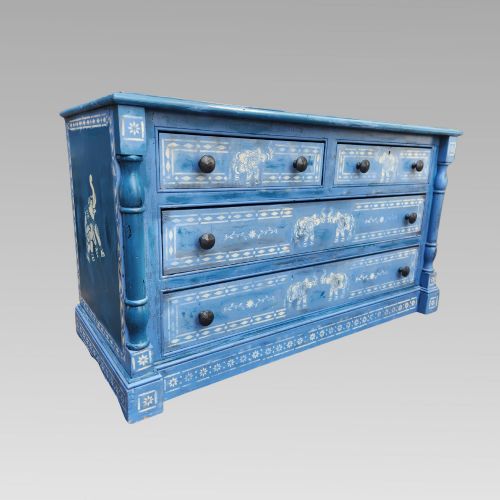
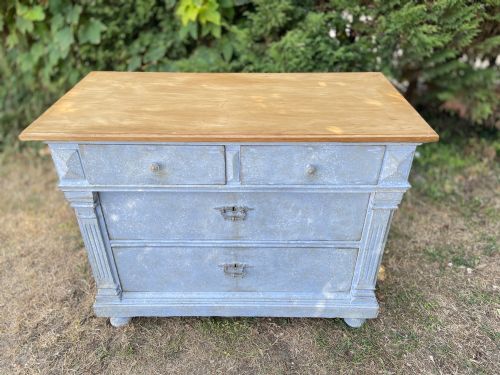
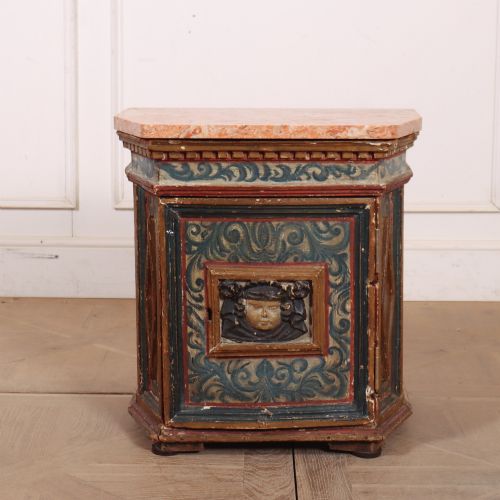
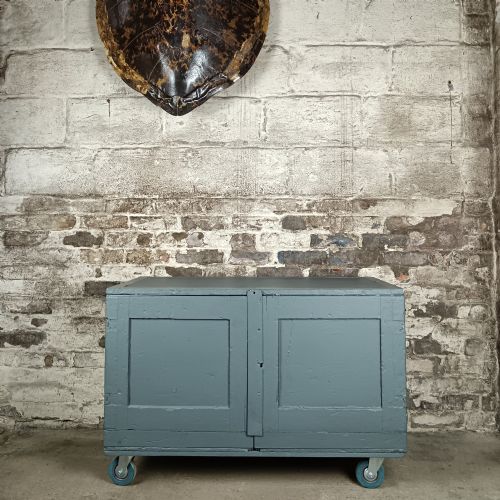
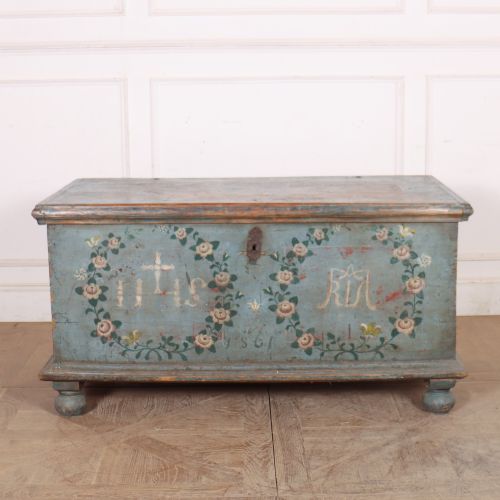
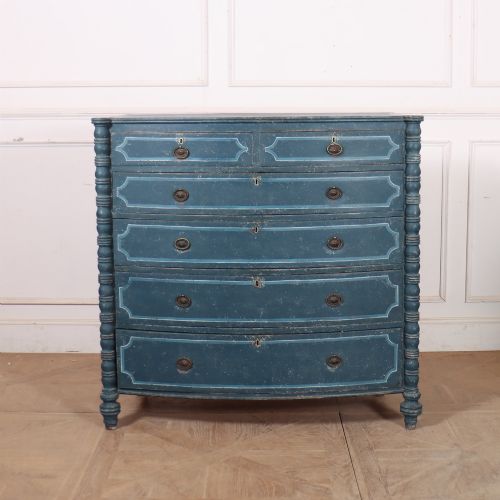
When you search for an antique blue chest, you encounter storage furniture spanning the eighteenth and nineteenth centuries, originating mostly from British, French, Italian, and Scandinavian workshops. These pieces include painted commodes, marriage chests, blanket boxes, and drawer units finished in various shades of blue and teal.
The most common examples on this page are nineteenth-century pine and painted wood items, often bearing the folk art styles of Swedish Gustavian or rural European traditions. They serve as functional storage receptacles that double as focal points due to their decorative painted surfaces.
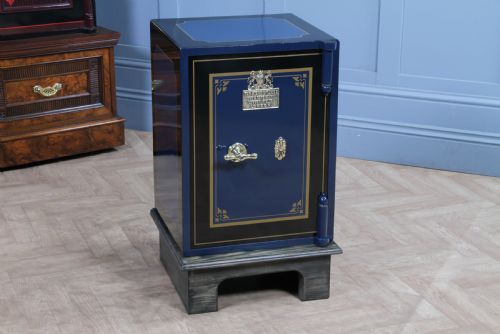
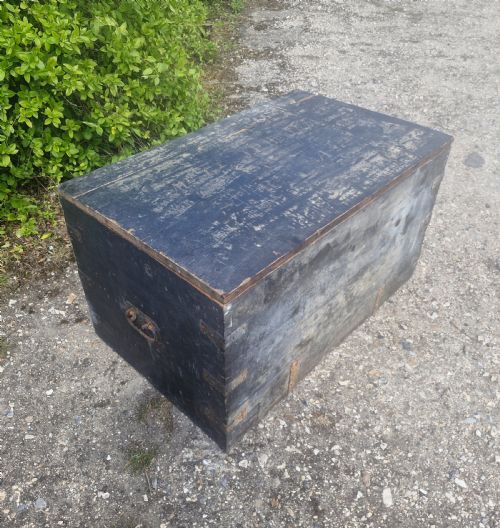
Alongside standard drawer chests, the selection encompasses specialised forms like dowry boxes, coffers, strong boxes, and mule trunks. These alternative forms demonstrate how domestic storage adapted to different regional customs and travel requirements over the decades.
Materials and Technique
Construction relies heavily on sturdy timbers such as pine, oak, and other native woods joined to withstand heavy daily use. Surfaces receive layers of traditional paint, often applied by hand in pigments that age to deep teal, mottled blue, and faded indigo.
Hardware components incorporate forged iron, wrought iron, and brass for handles, hinges, and locking mechanisms. These metal elements provide structural reinforcement while adding functional detail to the corners, lids, and drawer fronts.
Antique Blue Chest Retail Price Guide 2026
Typical asking prices for blue chest among the pieces listed under this phrase on Sellingantiques today, from the lower quarter to the upper quarter. They describe what is for sale here now, not the wider market.
The listings span the eighteenth and nineteenth centuries, featuring pine, oak, and iron across Scandinavian, English, and Italian origins.
Distinctions in Standard
Quality rests primarily on the integrity of the original painted surface and the survival of early or untouched finishes. Pieces that retain their genuine historic pigment without heavy overpainting command greater interest from collectors.
Construction methods and timber selection also divide standard utilitarian boxes from finer cabinet work. Hand-carved details, well-fitted drawers, and intact period hardware distinguish the better workshops from basic rural output.
The Antique Blue Chest Glossary
- Commode
- A low chest of drawers or cabinet dating from the eighteenth or nineteenth century. They frequently feature decorative painted finishes or shaped drawer fronts.
- Coffer
- A heavy wooden box utilised for storage, often fitted with a hinged lid and iron carrying handles. These sturdy receptacles were precursors to modern chest designs.
- Gustavian
- The Swedish neoclassical design style spanning the late eighteenth and early nineteenth centuries. Pieces from this movement display restrained carving and pale painted surfaces.
- Mule trunk
- A utilitarian storage chest combining a deep lower drawer with an upper compartment accessed via a lid. This hybrid form bridges the gap between traditional coffers and standard drawer chests.
Antique Blue Chest: Frequently Asked Questions
What is an antique blue chest used for?
These pieces serve as practical storage furniture for blankets, linens, and clothing while functioning as decorative focal points in bedrooms and living spaces.
Their robust construction and deep interiors accommodate bulky household items while adding historical character to a room.
How do I care for a painted wooden chest?
Maintain the finish by keeping the wood away from direct sunlight and maintaining stable indoor humidity levels. Dust gently with a dry cloth and avoid harsh chemical cleaners that might damage historic pigments.
Wax can be applied sparingly to unpainted interior wood, but consult a conservator before treating aged exterior paint.
Are these pieces made of solid wood?
The furniture utilises solid timbers like pine and oak rather than modern manufactured boards. Regional workshops built these items to endure heavy daily use through traditional joinery.
Individual panels and drawer linings reflect the natural grain and minor imperfections of historic tree growth.
How can I tell a Swedish commode from an English one?
Swedish pieces often display Gustavian neoclassical styling with pale painted finishes, fluted drawer fronts, and distinctive regional folk art motifs. English examples tend to utilise traditional cabinet forms like bowfronts or straightforward painted pine.
Examining the underlying timber preparation and pigment application helps reveal the geographic origin of the workshop.