


Antique Blue Box
An antique blue box brings a touch of vivid cobalt, turquoise, or deep sapphire colour to a dressing table or desk.
Antique Blue Box
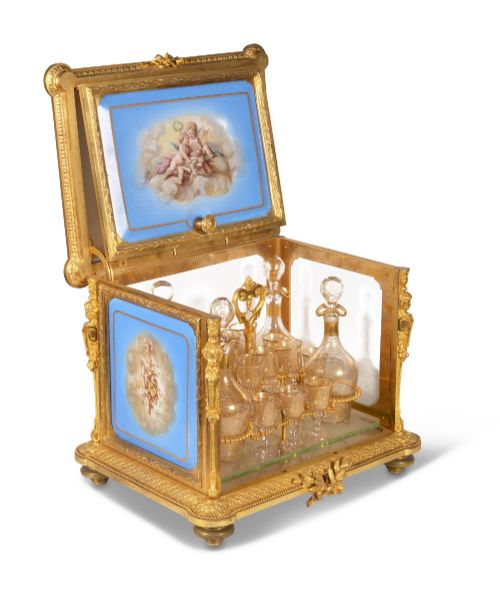
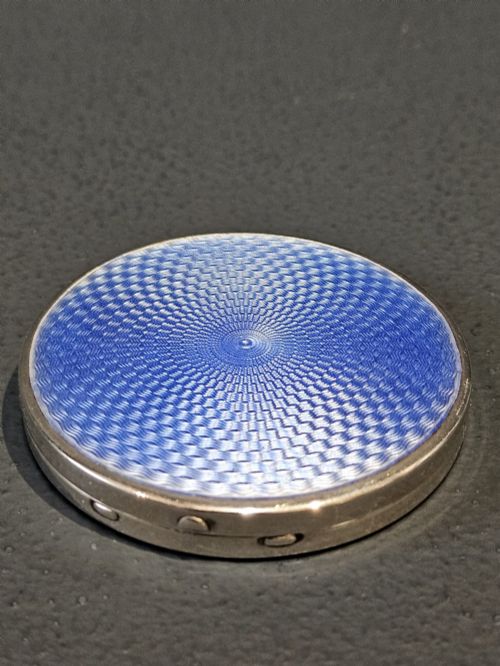
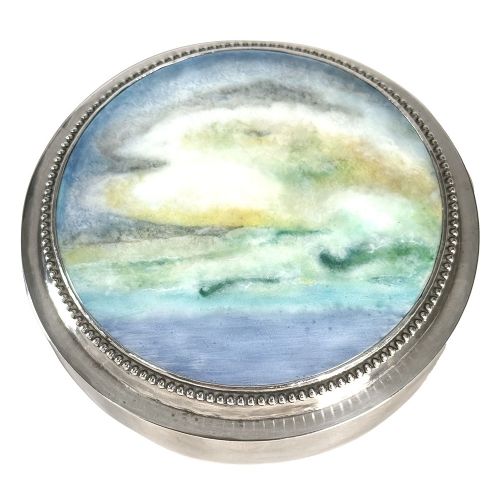
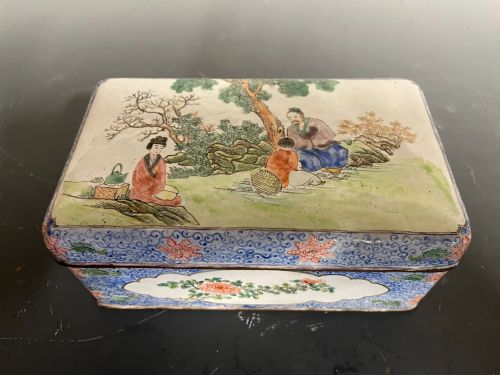
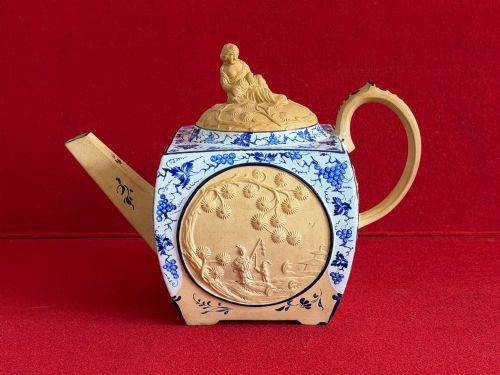
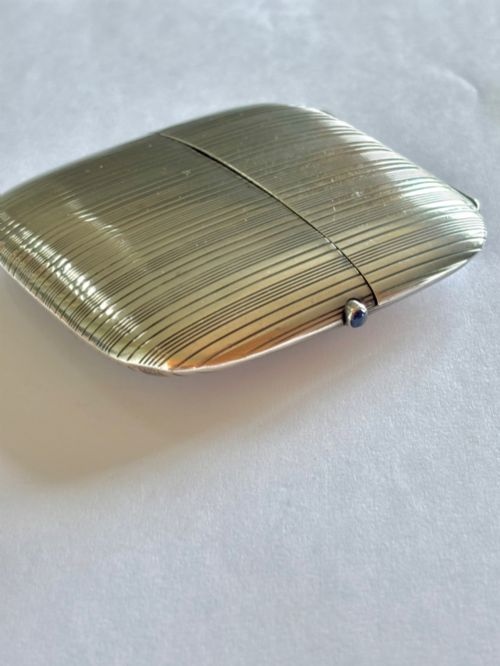
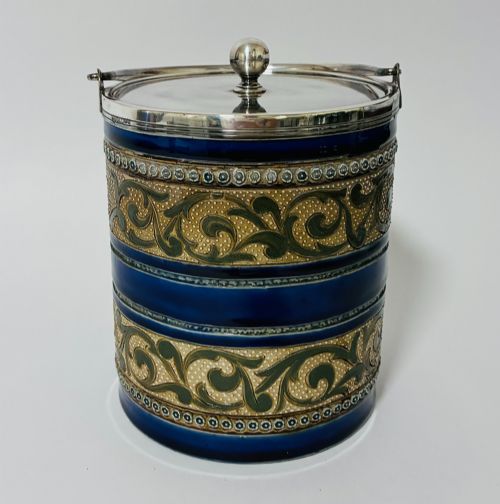
The search for an antique blue box encompasses a diverse group of small containers, ranging from pocket-sized enamel snuff boxes to larger dressing table jars and glass trinket holders. These pieces span multiple centuries, appearing in Georgian transferware, Victorian Bristol glass, and Art Deco engine-turned silver with coloured glass or enamel accents.
Buyers frequently encounter items created for personal grooming, smoking accessories, or decorative storage, reflecting the domestic habits of past eras. The selection draws on English, French, and Continental workshops, uniting diverse materials through the shared presence of blue hues.
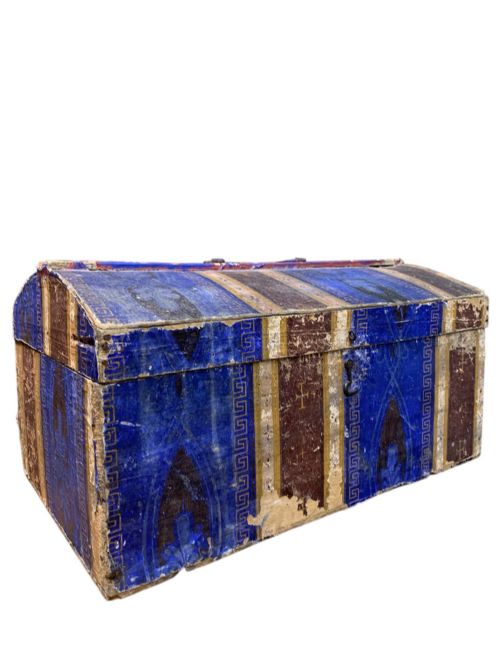
While larger items such as campaign chests or marriage trunks appear in timber and paint, the smaller blue boxes remain the most common expression of this specific colour theme on the page. They offer practical storage for small keepsakes while introducing rich tones into interior settings.
Materials and Technique
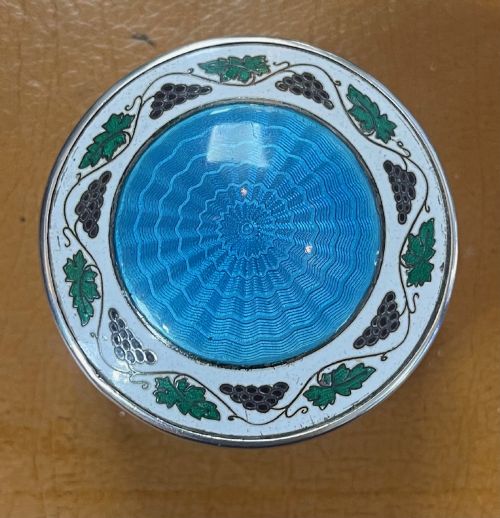
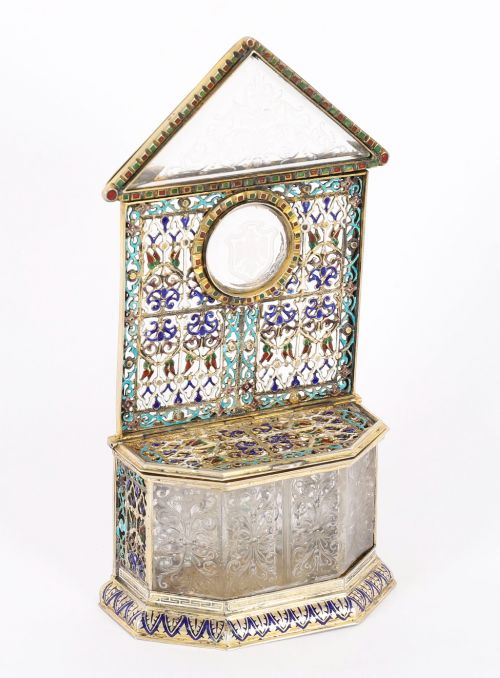
Makers utilised sterling silver, copper, and base metals as a foundation for vitreous enamel, applying ground glass pastes and firing them at high temperatures to achieve vibrant blue surfaces. Guilloche techniques involved machine-turning the metal beneath translucent enamel to create repeating geometric patterns that caught the light.
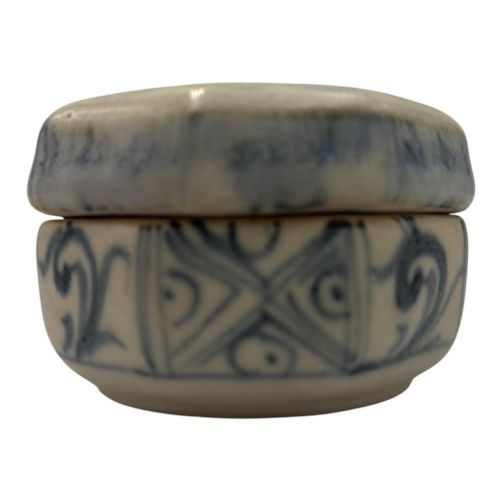
Glass containers relied on the addition of cobalt oxides during the molten stage to strike deep blue shades, often combined with hand-painted gilt detailing or mounted in ormolu and silver frames. Ceramics employed cobalt pigments for underglaze transfer printing and hand painting before a final clear glaze sealing.
Wooden pieces depended on traditional joinery, utilising pine, mahogany, and burr walnut, sometimes finished with original paint or leather upholstery. Metalwork incorporated soldering, bezel settings for cabochon stones, and hinged closures engineered to fit flush against the rims.
Antique Blue Box Retail Price Guide 2026
Typical asking prices for blue box among the pieces listed under this phrase on Sellingantiques today, from the lower quarter to the upper quarter. They describe what is for sale here now, not the wider market.
Submarines required secure metal caskets just as much as dressing tables did, as proven by the listing for a Royal Navy submarine launching container.
Assessing Quality
The standard of an antique blue box rests on the crispness of its execution, whether in the precision of the engine-turned guilloche lines beneath the enamel or the fine detail of hand-painted porcelain motifs. Superior examples maintain intact surfaces where the glass paste or glaze shows minimal chipping, crazing, or old repair.
The weight and purity of the housing metal, such as solid sterling silver or fire-gilt ormolu, distinguish high-workshop output from lighter plated wares. Original fitted interiors, intact mirrors, and fully functioning hinges that close securely contribute significantly to the standing of a piece.
Guild of Handicrafts·Henry Clifford Davis·Doulton Lambeth·Spode·Rene Lalique
The Antique Blue Box Glossary
- Guilloche
- A decorative technique where a mechanical lathe etches a precise, repeating geometric pattern into metal. This patterned base is then covered with translucent enamel so the design shows through.
- Ormolu
- Gilded bronze produced by applying a mixture of gold and mercury to a bronze object and heating it to vaporise the mercury. It creates a rich, durable golden finish often seen on nineteenth-century French mounts.
- Transfer Ware
- Pottery decorated by applying a printed design from an engraved copper plate onto unglazed or biscuit ceramic via tissue paper. The piece is then glazed and fired to fix the blue pigment permanently.
- Cabochon
- A gemstone or piece of coloured glass shaped and polished with a smooth, convex dome rather than faceted edges. It is typically set flush into a metal bezel on cigarette cases or boxes.
Antique Blue Box: Frequently Asked Questions
What were antique blue boxes used for?
These small vessels held everyday personal items such as snuff, patches, cosmetics, matches, or calling cards. Their portable nature allowed owners to carry them in pockets or display them prominently on dressing tables.
Over time, their functions shifted as fashions changed, turning utilitarian storage items into decorative display pieces for modern collectors.
How do I care for an enamel and silver box?
Keep enamel pieces away from direct sunlight and harsh chemical cleaners to prevent fading and scratching of the glass surface. Clean the silver portions gently with a soft microfibre cloth while avoiding abrasive polishes near the enamel edges.
Store them in stable humidity conditions to protect the delicate bonds between the metal mountings and the vitreous glass layers.
How can I tell the period of a blue enamel box?
Examine the metal components for hallmarks, maker stamps, and registration numbers which provide exact assay years and origin towns. The style of the script, the depth of the guilloche pattern, and the framing technique also point toward specific decades like the Edwardian era or the 1930s.
Construction methods, such as hand-cut hinge pins versus machine-tooled fittings, help differentiate eighteenth-century Bilston pieces from later Victorian revivals.
Is Bristol blue glass different from standard blue glass?
Bristol blue glass refers to deep cobalt-tinted glassware produced in the Bristol area during the eighteenth and nineteenth centuries. It gained renown for its rich, intense colour achieved through specific metallurgical recipes involving cobalt oxide.
While other European regions produced blue glass, authentic Bristol pieces often feature distinct hand-applied gilt ornamentation and traditional forms like Bristol jars and scent bottles.