
Antique Black Lamp Table
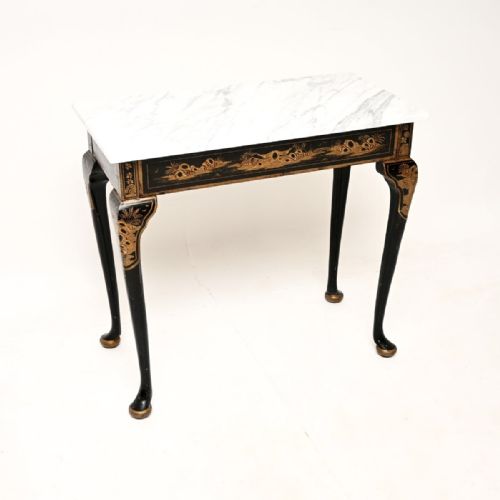
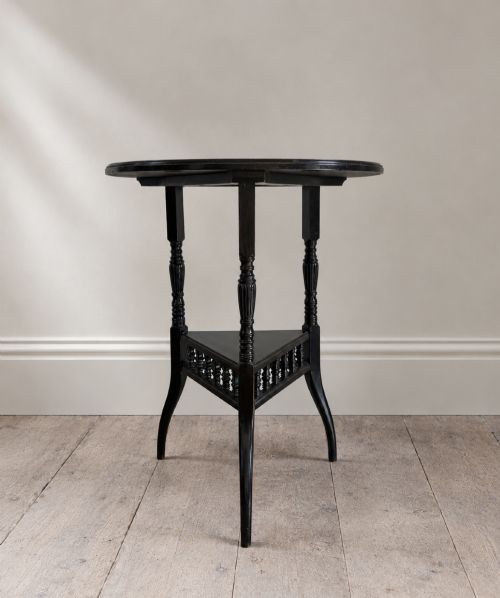
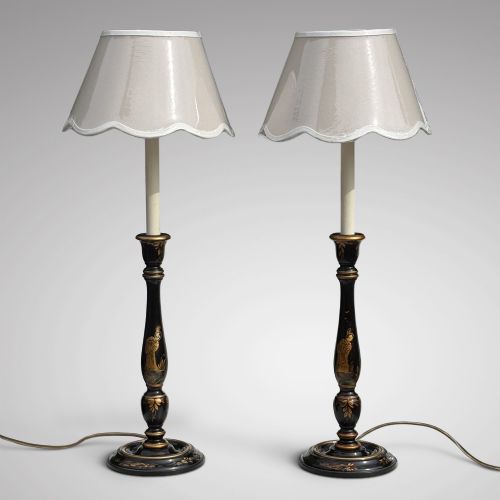
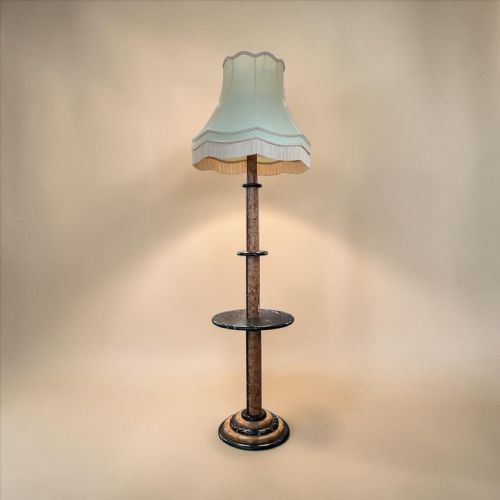
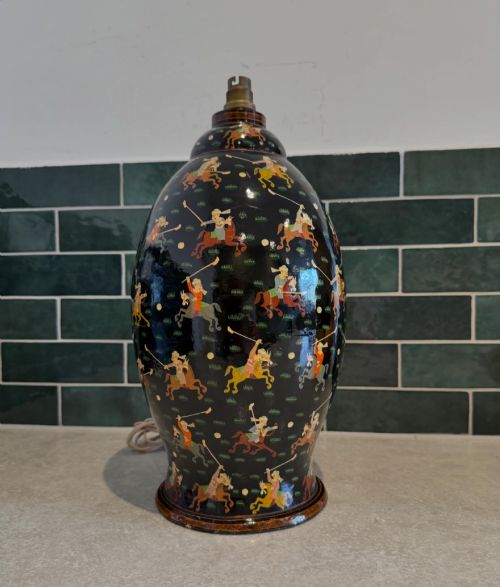
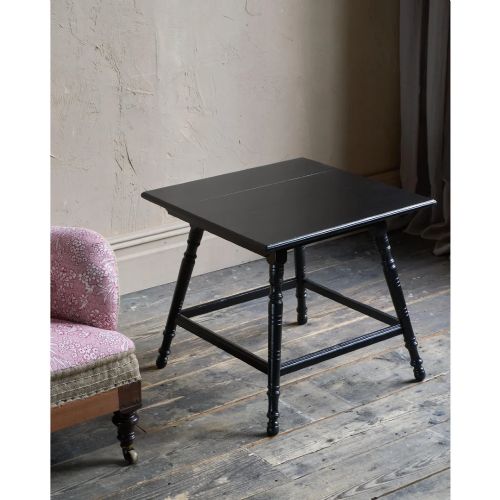
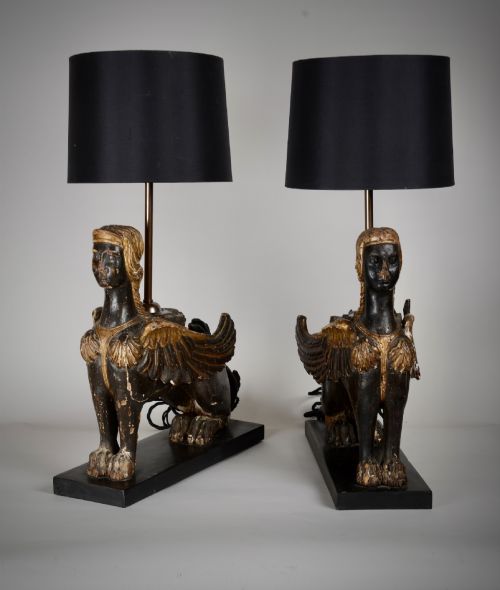
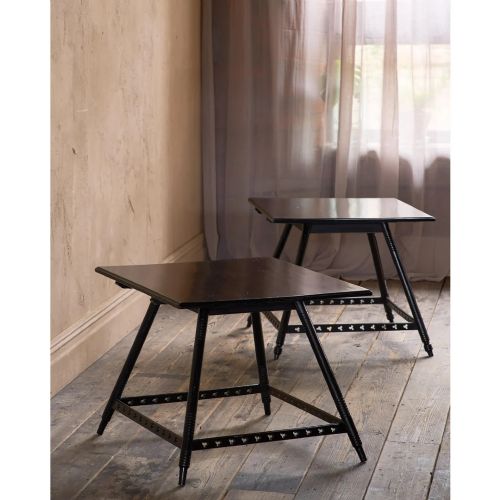
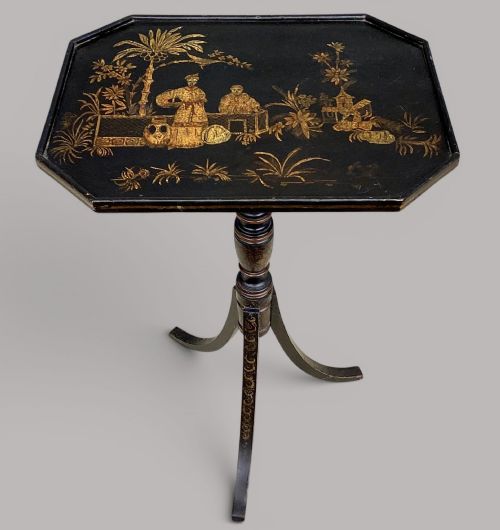
An antique black lamp table brings dark lacquer, ebonised wood and gilded detail to a corner, holding light or resting beside a chair.
Antique Black Lamp Table
When buyers search for an antique black lamp table, they look for small occasional pieces, side tables or surface conversions designed to hold illumination. The selection spans the nineteenth century through the early decades of the twentieth century, drawing on Victorian, Edwardian and Art Deco tastes.
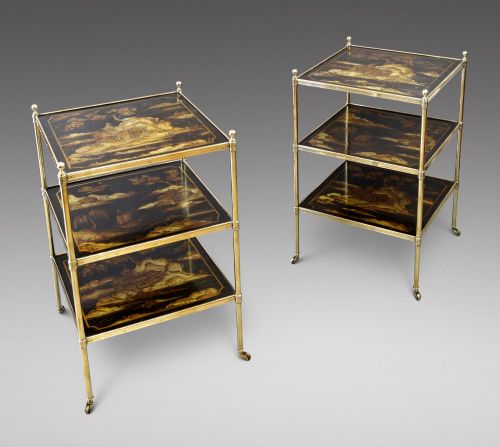
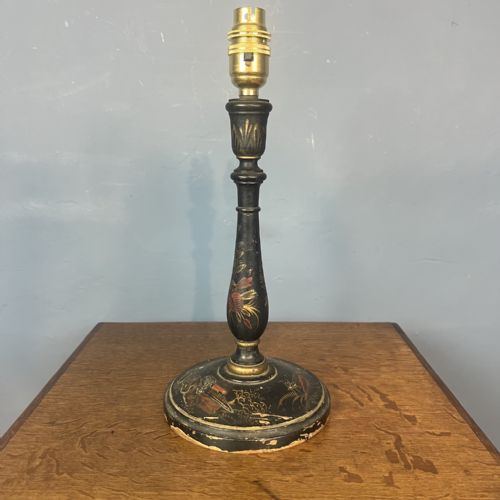
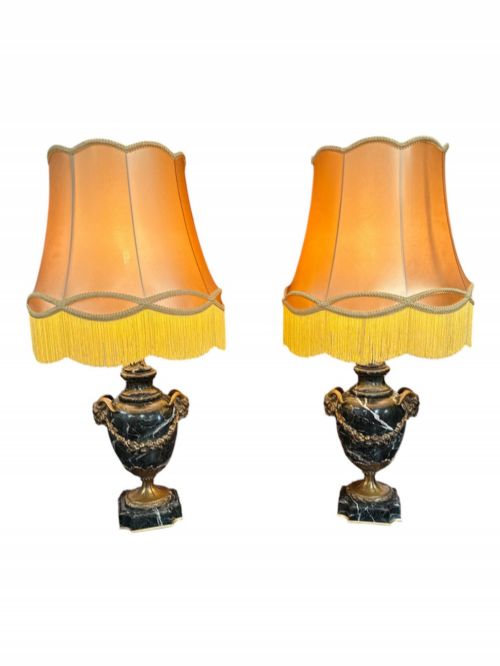
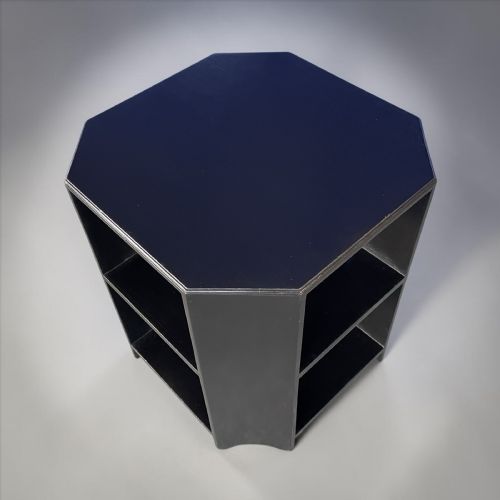
The most common forms on this page include ebonised occasional tables, lacquered Chinoiserie drop-leaf surfaces and converted oil lamps or urns. Makers ranged from English cabinet-makers like Hindley and Sons to French Empire workshops and continental designers.
Materials lean heavily towards ebonised wood, dark lacquer, polished marble, brass and fabric shades. Pieces appear in various guises, from Aesthetic Movement bamboo and amboyna to Sheraton period painted furniture.
Materials and technique
Construction relies on solid hardwoods treated with ebonising varnishes, black lacquers or japanning techniques to achieve a dense, dark surface. Many tables incorporate contrasting inlays of bone, marquetry or gilt bronze mounts.
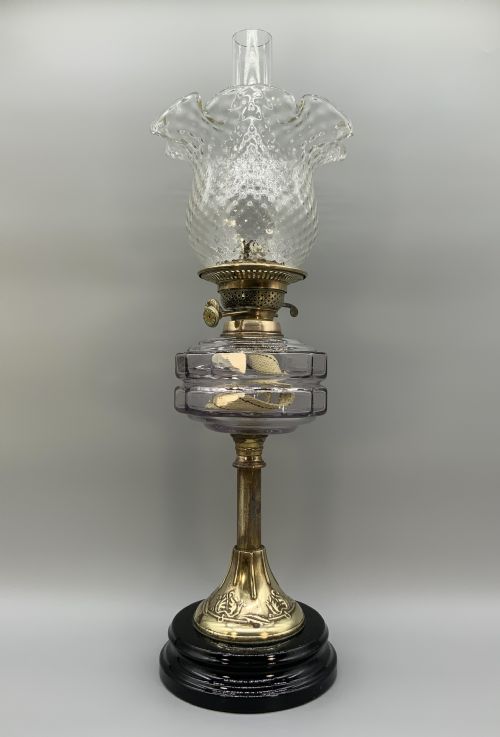
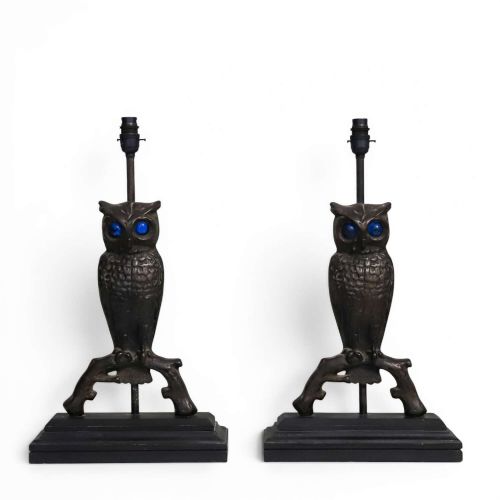
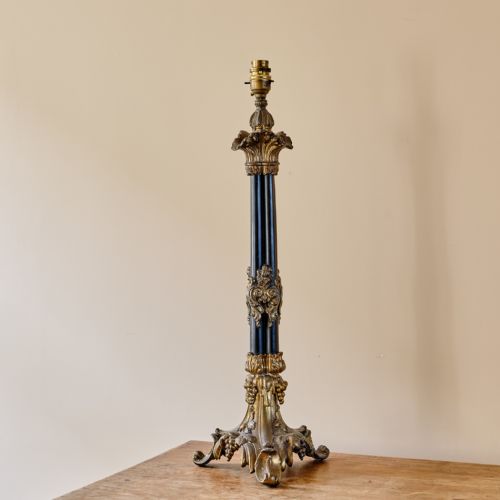
Lighting conversions frequently repurpose nineteenth-century brass columns, ceramic oil lamp bases, or carved wooden urns. Hand-blown glass shades, fabric covers and cloisonné vases are standard additions to these elevated table lamps.
Listings feature ebonised wood, brass, marble and lacquer across Victorian, Edwardian and Art Deco periods.
Quality and finish
Quality rests in the crispness of the ebonising, the depth of the lacquer and the integrity of the hand-painted or gilt decoration. Superior pieces display finely detailed Chinoiserie motifs rather than flat, mechanical stencilling.
Construction standards differ between standard factory outputs and bespoke workshop creations, such as signed pieces by known makers. The choice of secondary woods, the weight of the brass fittings, and the stability of marble inserts dictate the tier of the piece.
Hindley and Sons·EW Godwin
The Antique Black Lamp Table Glossary
- Ebonised
- Wood stained or painted black to imitate expensive ebony. This finish was widely favoured during the Victorian and Aesthetic Movement periods.
- Chinoiserie
- European decorative style reflecting Chinese artistic influences. It frequently employs gold motifs painted on a dark lacquered background.
- Bouillotte
- A type of French shaded table lamp with a central candlestick and a metal toleware shade. They are typically executed in brass.
- Guéridon
- A small French occasional table supported by one or more central columns. They often feature marble tops and gilt bronze mounts.
- Etagere
- A set of open shelves for displaying small objects. These lightweight tables often stand on slender legs with brass details.
Antique Black Lamp Table: Frequently Asked Questions
What is an antique black lamp table?
These pieces combine small occasional furniture and elevated lighting stands finished in dark lacquers, ebonised woods or painted black surfaces. They served practical purposes in Victorian and Edwardian parlours.
Today they function as compact side tables or decorative lamp stands that anchor a room's lighting scheme.
How do I style a black lamp table?
The dark finishes contrast effectively against lighter walls and upholstered seating. Pair an ebonised side table with neutral fabrics or brass accents to highlight the reflective surface.
Keep surface objects minimal to let the painted Chinoiserie or wood grain remain the focal point.
Are these tables original lamp tables?
Many items listed as lamp tables began life as occasional tables, torchères or oil lamps before later conversion. Conversion was a common nineteenth and twentieth-century practice.
Check the fittings and wiring on electrified pieces to understand their history of adaptation.
How do I date an ebonised table?
Dating relies on stylistic clues like Aesthetic Movement geometry, Victorian turning or Art Deco clean lines. Examination of the wood joints and secondary timbers confirms the period.
Signatures or stamps from makers such as Hindley and Sons provide definitive chronological markers.