

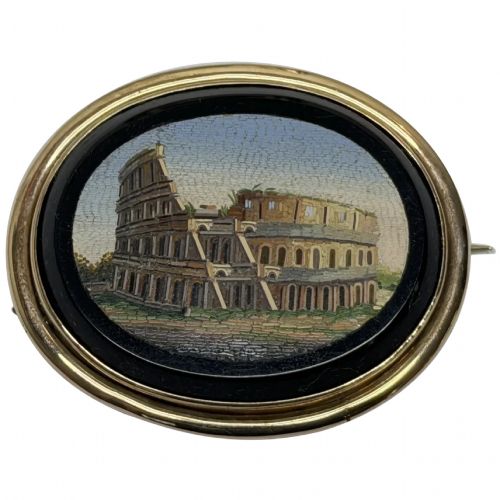


Antique Black Brooch
An antique black brooch is a striking piece of historical jewellery, sought after for its dark elegance and rich materials.
Antique Black Brooch
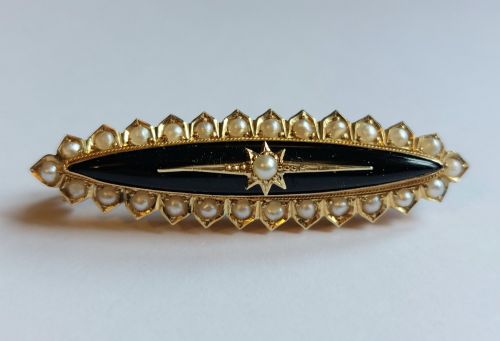
An antique black brooch encompasses dark ornamental fastenings from periods including Georgian, Victorian, Edwardian, and Art Deco. These pieces most commonly feature deep black stones, bog oak, enamel, or polished onyx set in gold, silver, or platinum.
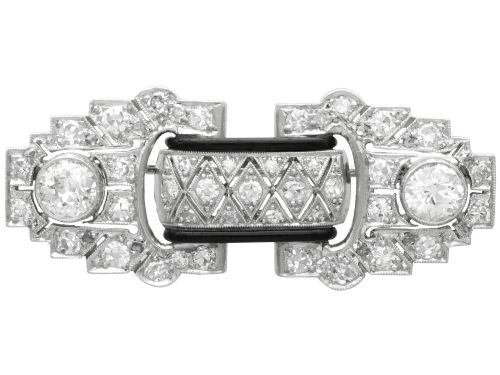
Buyers browsing for an antique black brooch encounter varied forms, from mourning pieces set with seed pearls to geometric Art Deco designs accented with diamonds. The selection spans straightforward pin brooches to convertibles that double as pendants or bracelets.
How they were made
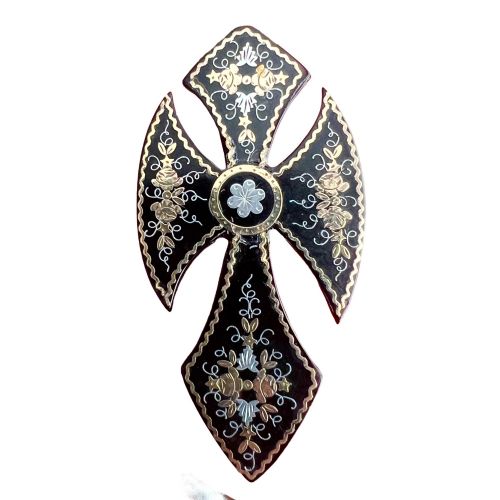
Maker techniques relied heavily on carving dense materials like onyx, hardstone, agate, and bog oak into sculptural profiles and cameos. These dark elements were then mounted securely into precious metal settings of yellow gold, white gold, silver, or platinum.
Detailed embellishments frequently involved flush or collet set diamonds, seed pearls, enamel work, and micromosaic panels. Jewellers combined these contrasting components by hand to create high-contrast monochromatic visual effects.
Antique Black Brooch Retail Price Guide 2026
Typical asking prices for black brooch among the pieces listed under this phrase on Sellingantiques today, from the lower quarter to the upper quarter. They describe what is for sale here now, not the wider market.
What varies in quality
Quality rests on the crispness of the stone carving and the precision of the metalwork, distinguishing refined atelier pieces from simpler regional production. Superior examples integrate gemstones like diamonds or rubies with absolute symmetry and secure flush settings.
The sophistication of the design dictates the overall standard, moving from plain carved bog oak to intricate gold, platinum, and enamel assemblies. Well-preserved surfaces on soft materials like jet or bog oak retain sharper relief work over time.
Cartier Paris
The Antique Black Brooch Glossary
- Onyx
- A variety of chalcedony with parallel bands, utilised in jewellery for its deep, uniform dark colour. It provides a smooth, reflective surface that contrasts sharply with surrounding diamonds and white metals.
- Bog oak
- Subfossil oak timber retrieved from peat bogs, carved into lightweight ornaments in Ireland and elsewhere during the nineteenth century. Its dark, matte finish made it popular for mourning and souvenir jewellery.
- Mourning brooch
- A commemorative jewel often incorporating black enamel, jet, or hair, designed to remember a deceased person. These pieces frequently date from the Georgian and Victorian eras.
- Micromosaic
- Tiny coloured glass tesserae assembled to form pictorial scenes, such as architectural landmarks. They were often mounted centrally within gold brooch frames during the nineteenth century.
Antique Black Brooch: Frequently Asked Questions
How do I date an antique black brooch?
Dating relies on examining the metal purity marks, fastener styles, and overall artistic movement, such as Georgian, Victorian, or Art Deco.
Materials also offer clues, as bog oak and hair-work point directly to the nineteenth century, while platinum and rock crystal indicate the twentieth.
Were all black brooches used for mourning?
While mourning pieces formed a large category during the Victorian era, many dark jewels served purely decorative or fashionable purposes.
Art Deco geometric pieces and carved hardstone cameos were worn as stylish accessories rather than symbols of grief.
What materials make up these brooches?
These jewels utilise naturally dark substances including onyx, agate, bog oak, and black enamel, often paired with yellow gold, silver, or platinum.
Accents frequently include seed pearls, diamonds, and rock crystal quartz to create contrast.
How should I care for an antique brooch?
Cleaning requires gentle methods suitable for fragile historic materials like bog oak, pearls, and enamel, avoiding harsh chemical dips.
Store each piece in a lined box to protect delicate protruding pins and soft stone surfaces from scratching.