


Antique Bird Desk Ornament
An antique bird desk ornament brings miniature sculpture to the writing table, combining fine metalwork, carved stone or glass into a functional or decorative desk accessory.
Antique Bird Desk Ornament
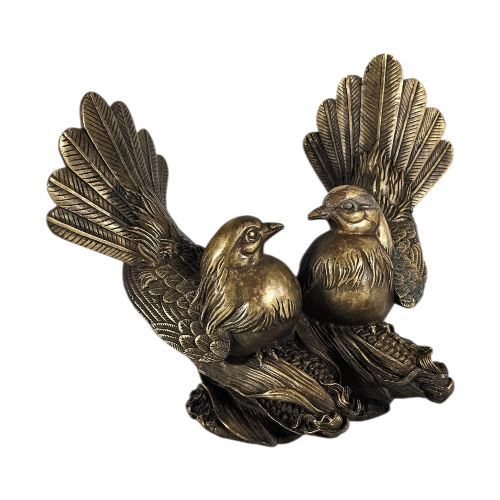
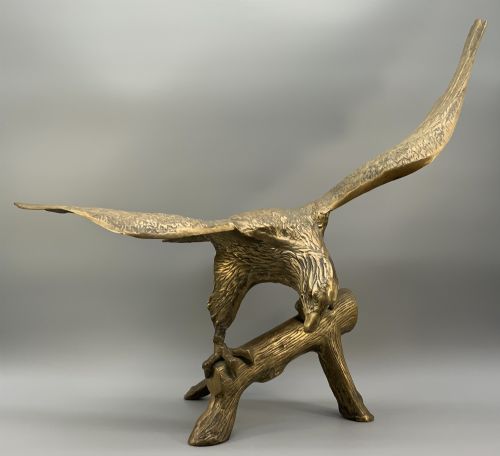
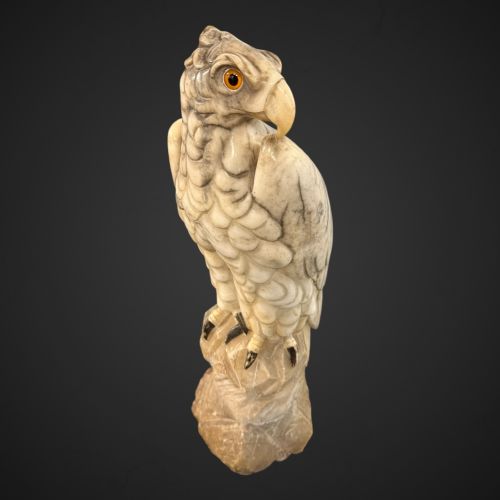
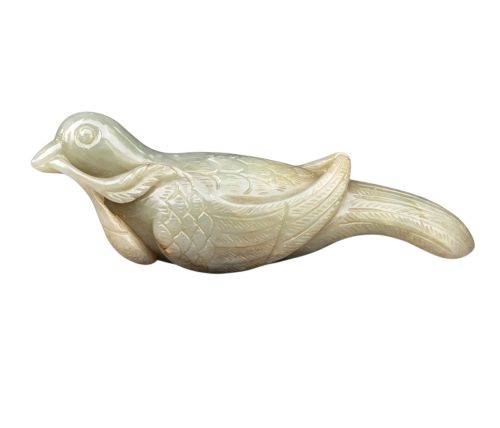
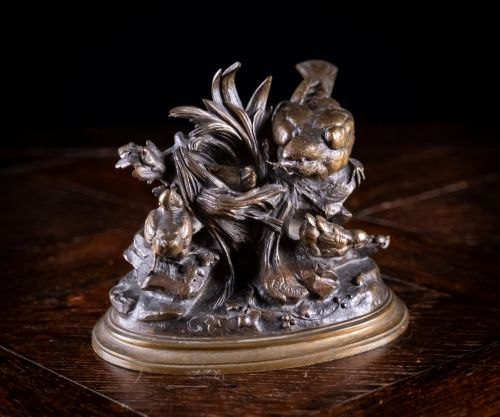
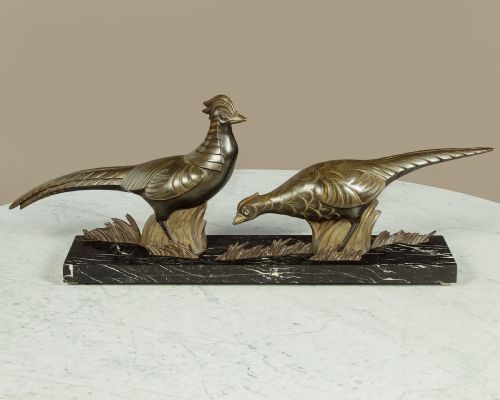
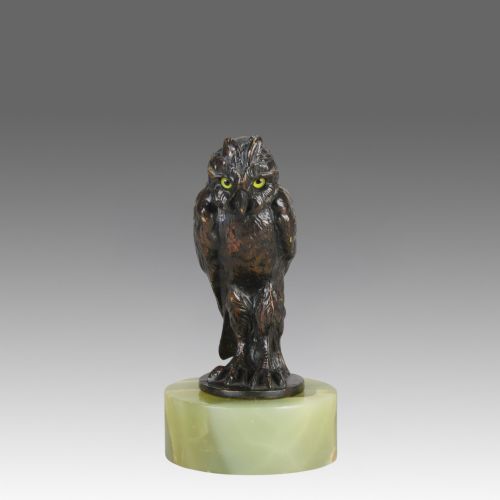
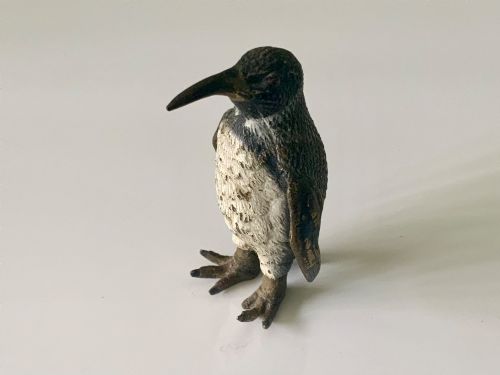
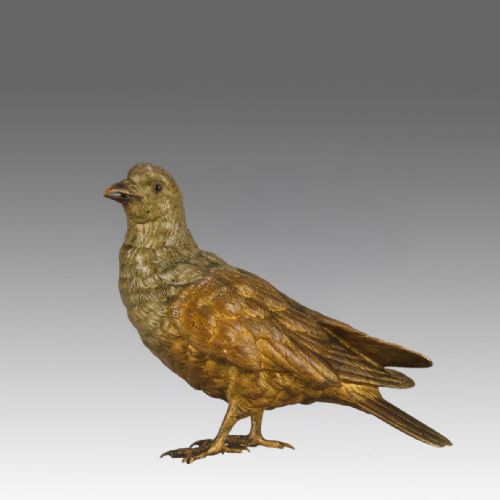
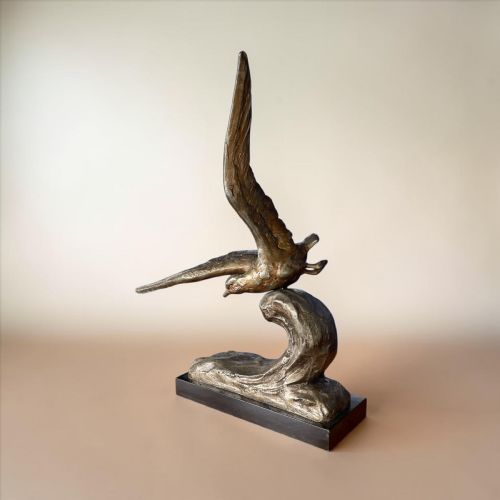
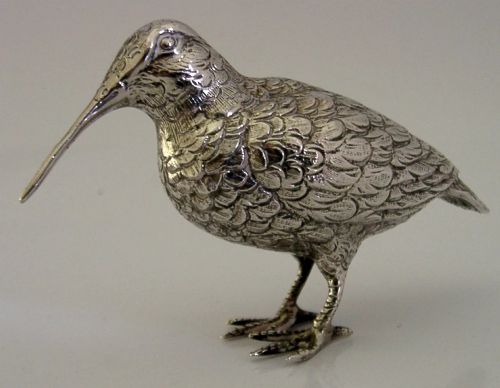
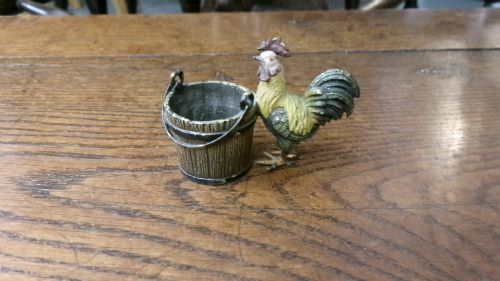
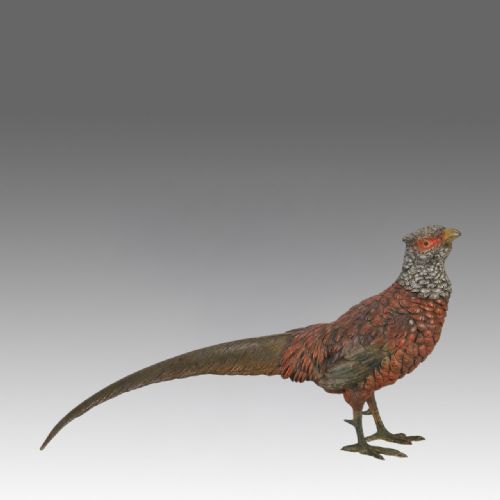
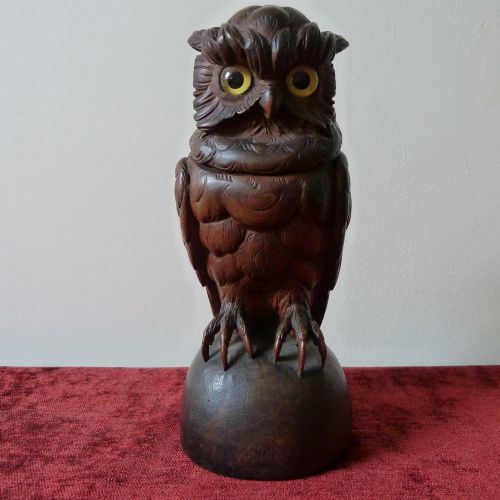
The assortment on this page reflects varied international traditions, featuring Austrian cold painted bronze studies, French animalier bronzes, Black Forest carved wood pieces and moulded glassware. Forms range from domestic fowl and game birds like pheasants, grouse and woodcocks to owls, eagles and exotic parrots mounted on marble plinths or integrated into desk stands.
How they were made
Metal figures rely heavily on traditional foundry methods, including the lost-wax casting technique utilised for bronze animalier studies and gilt bronze sculptures. Cold painted bronzes receive their polychrome decoration through layers of hand-applied paint over a metallic base, while silver pieces involve casting, hammering and detailed chasing.
Carved and moulded pieces demonstrate alternative artisan skills, utilising hand-carved wood in the Black Forest style alongside veined Carrara marble and onyx for bases and inkwell bodies. Glass examples, particularly paperweights, employ pressing and moulding techniques to achieve frosted and clear finishes.
Listings feature items spanning the Victorian era through the Art Deco period, incorporating materials from Carrara marble to frosted glass.
What varies in quality
Quality in these desk ornaments rests upon the crispness of the casting or carving and the fidelity of the anatomical detail. Superior bronzes and wooden carvings capture the texture of plumage and the natural posture of the bird with precision, whereas lesser examples display softer lines and simplified surface details.
The preservation of original surface treatments marks another distinction, particularly the survival of hand-applied cold paint on Austrian bronzes or the crisp finish on moulded glass paperweights. The integration of quality secondary materials, such as heavy marble or onyx plinths and solid sterling silver or 830 silver, elevates the overall standard of the piece.
Franz Bergman·Antoine Louis Barye·Barbedienne·P J Mêne·Rene Lalique
The Antique Bird Desk Ornament Glossary
- Cold painted bronze
- Bronze figures decorated with multiple layers of unfired or low-fired paint applied by hand. This technique was widely utilised by Viennese foundries to create realistic bird plumage.
- Animalier
- A nineteenth-century sculptural style depicting animals with anatomical accuracy and naturalistic behaviour. French and Austrian makers excelled in this genre.
- Black Forest carving
- Woodcarving originating from the mountainous region of Germany and Switzerland, typically executed in rich walnut or limewood. These pieces often feature detailed birds of prey and foliage.
- Inkwell
- A small container for holding ink, placed on a desk or table for writing. Many antique examples incorporate bird figures as lids, mounts or structural body elements.
- Paperweight
- A small solid object heavy enough to hold down loose sheets of paper. Bird models in glass, bronze and silver frequently served this practical desktop function.
Antique Bird Desk Ornament: Frequently Asked Questions
What materials are used?
These desk ornaments utilise a diverse array of materials recorded across the listings, including cast bronze, sterling silver, 830 silver and gilt brass. Natural stones such as Carrara marble and onyx frequently form the sturdy bases and bodies.
Additional materials include hand-carved wood seen in Black Forest pieces, moulded glass for paperweights, and painted surfaces applied to metal figures.
How were they used?
Many of these pieces served practical functions on nineteenth and early twentieth-century writing desks. They held ink within integrated ceramic or glass wells, wiped ink from steel nibs, or anchored loose correspondence as paperweights.
Other examples functioned purely as decorative sculptures, mascots or desk accessories designed to display taste and appreciation for natural history.
How do I identify periods?
Periods are determined by stylistic markers, manufacturing techniques and material choices characteristic of specific eras. Victorian and Edwardian items often feature ornate silverwork and traditional inkwell configurations, while nineteenth-century pieces lean towards detailed animalier bronze casting.
Art Deco items from the nineteen-thirties introduce streamlined aesthetics, stylised bird forms, and specific glass moulding techniques associated with makers like René Lalique.
How do I clean them?
Cleaning depends entirely on the specific material of the object. Bronze and silver require gentle dusting and avoidance of harsh chemical dips that strip patination, particularly on cold painted surfaces where moisture can ruin the pigment.
Stone bases and glass paperweights tolerate mild cleaning with soft, dry cloths, ensuring no liquid seeps into vulnerable glued joints or carved wooden crevices.