
Antique Bird Art
Antique bird art spans centuries of creative expression, bringing natural history and craftsmanship into interiors through paintings, sculptures, and prints.
Antique Bird Art
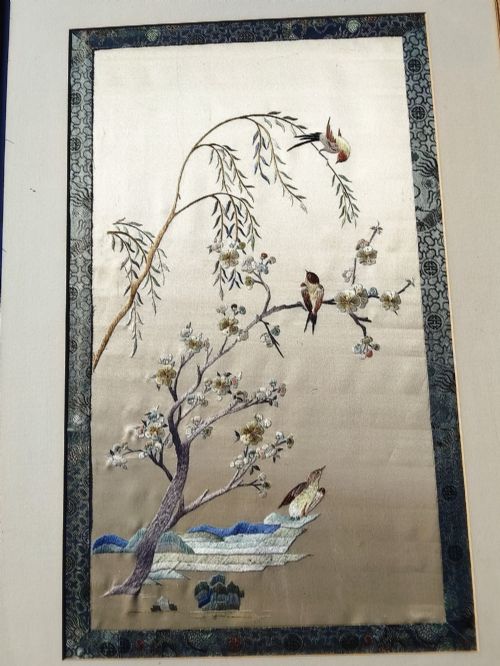
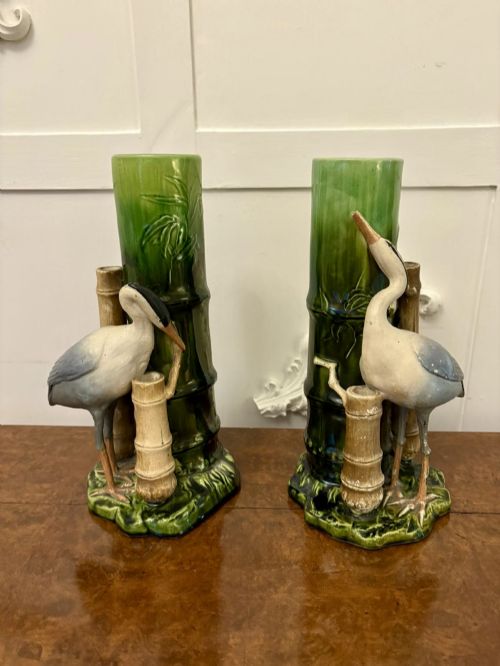
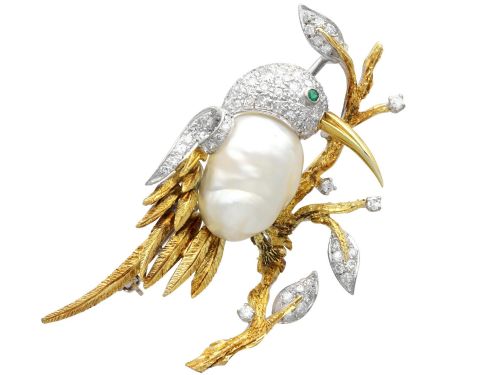
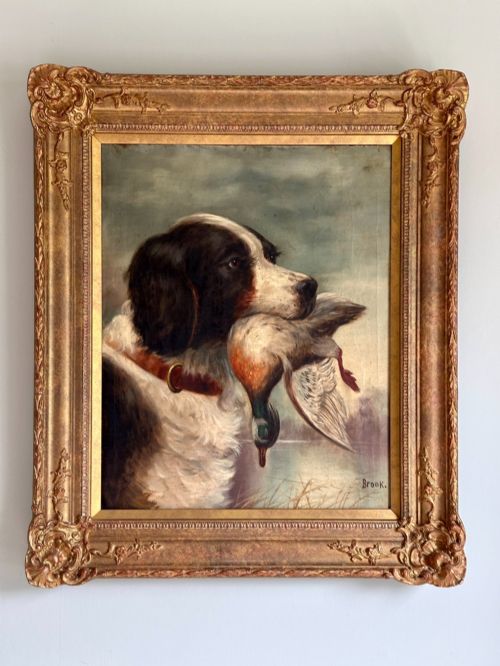
When buyers search for antique bird art, they encounter a diverse selection of pieces ranging from framed watercolours and oil paintings to bronze sculptures and hand-coloured prints. These works capture avian subjects across various historical periods, reflecting both scientific observation and decorative tastes.
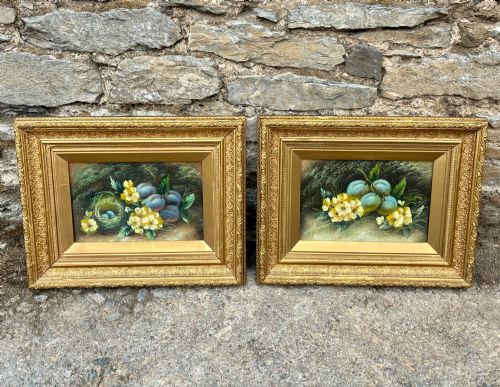
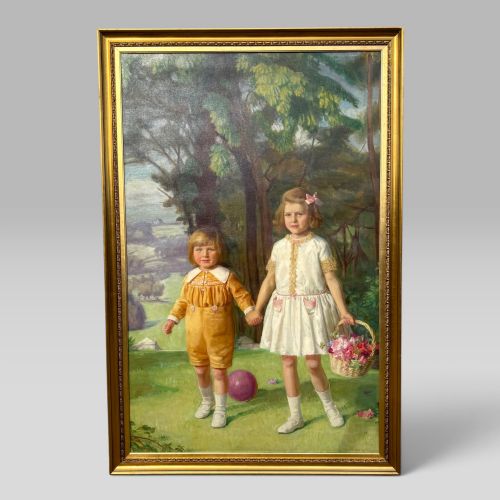
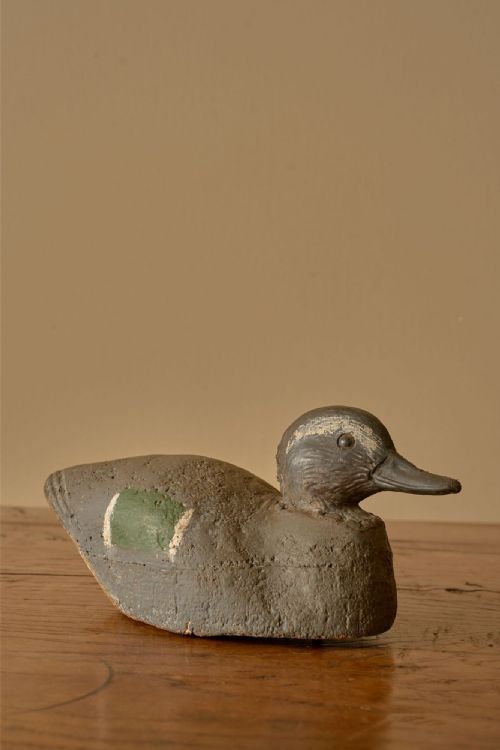
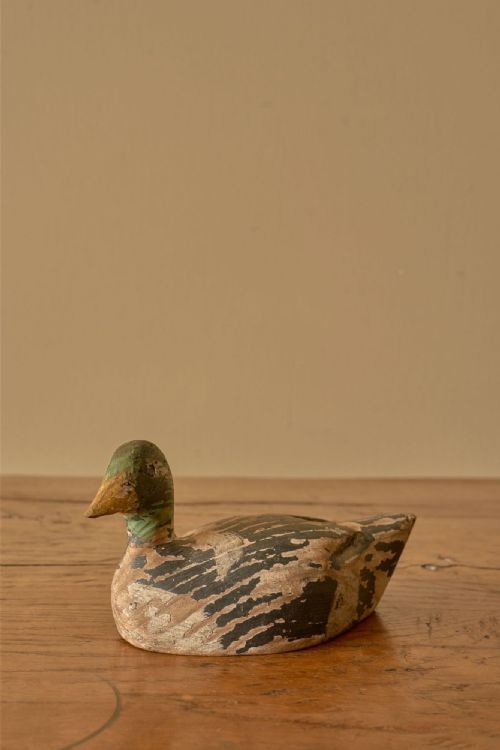
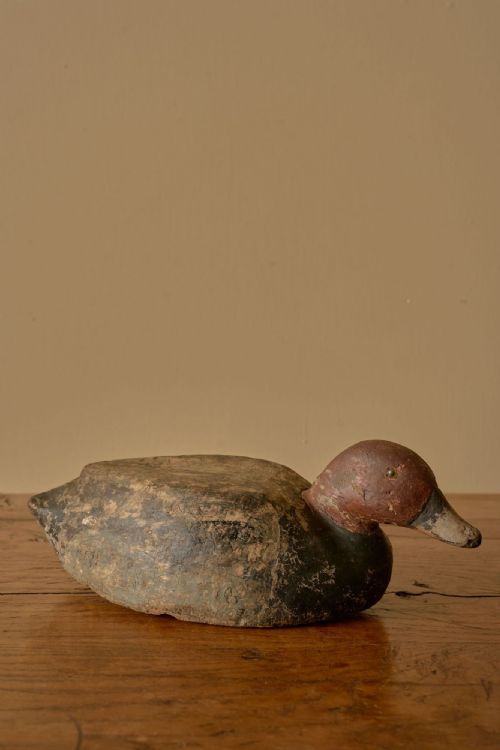
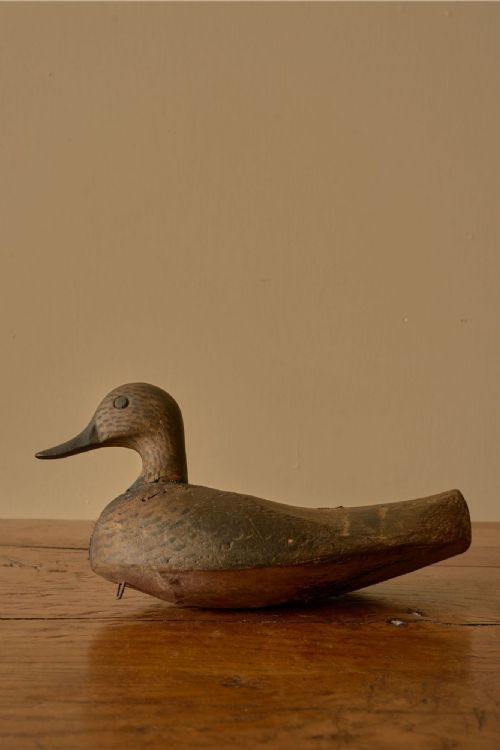
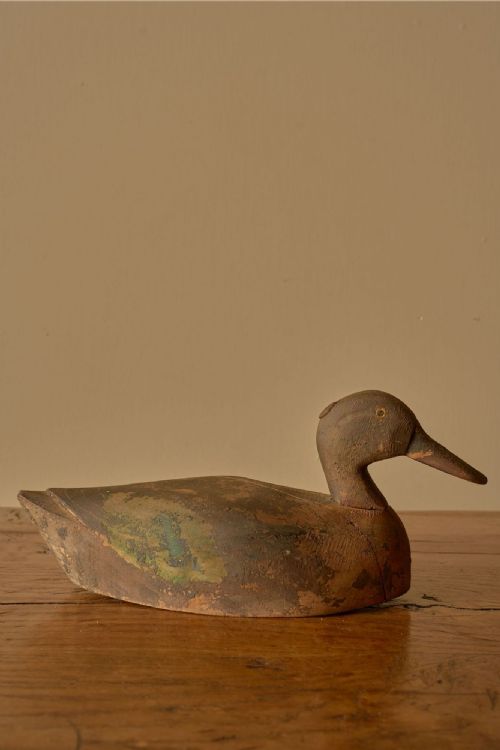
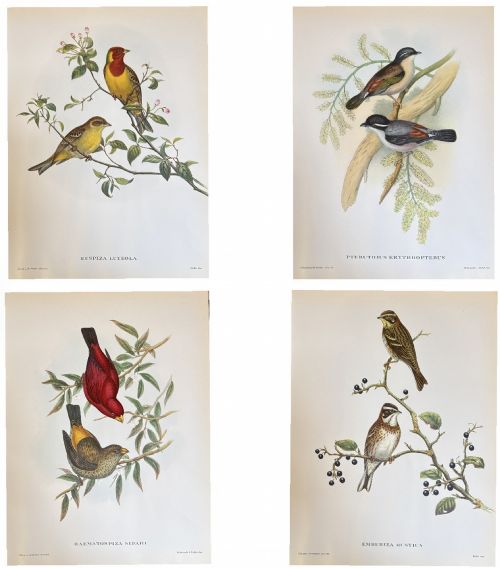
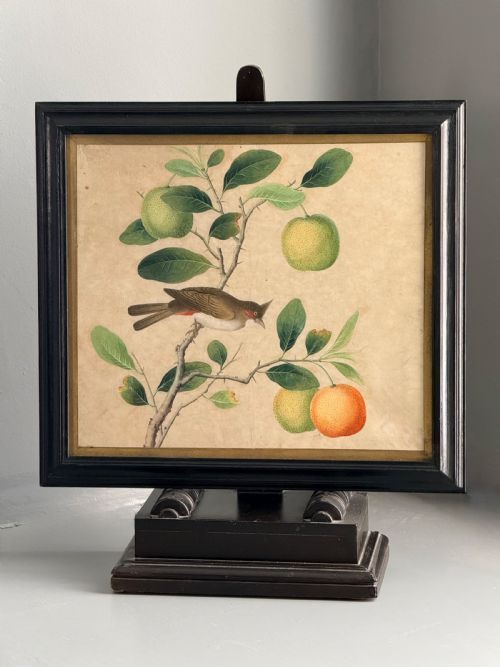
The most common items on this page include framed prints, decoy ducks, and traditional paintings dating from the nineteenth and early twentieth centuries. Pieces originate from diverse traditions, encompassing British natural history watercolours, Japanese Meiji period bronzes, and European folk art carvings.
Collectors find that these works serve multiple decorative purposes, functioning equally well as focal points in a traditional study or as curated additions to a gallery wall. The variety in mediums ensures that buyers can select pieces aligned with specific aesthetic preferences and spatial requirements.
Materials and methods of production
Makers utilised traditional artistic mediums such as oil paint, watercolour, gouache, and ink on paper, canvas, or pith paper to render detailed bird studies. Printmakers employed engraving and lithography techniques, often applying hand colouration to enhance the visual impact of natural history plates.
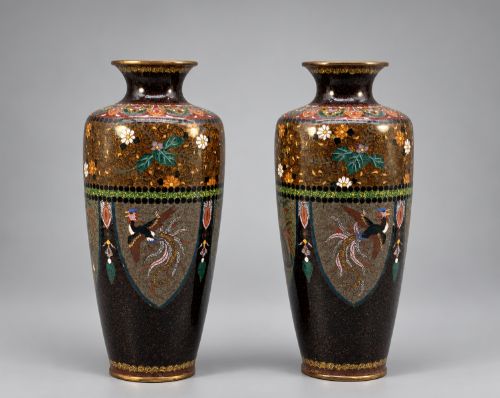
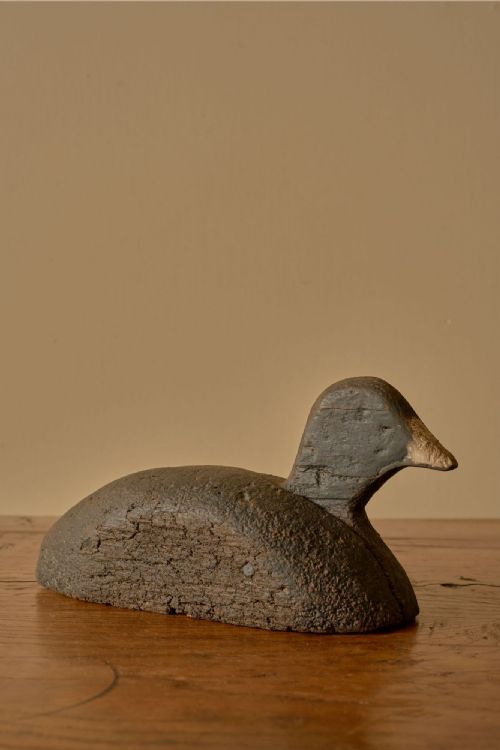
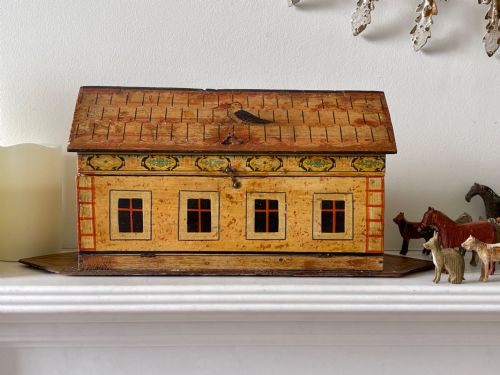
Three-dimensional representations relied on carving wood for decoy ducks and folk art boxes, casting bronze for Japanese okimono sculptures, and employing enamel work for cloisonné vases. These materials required skilled craftsmanship, from the careful patination of metal surfaces to the precise shaping and painting of wooden forms.
Listings feature works across multiple centuries, ranging from seventeenth-century oil paintings to mid-twentieth-century tropical bird prints.
Determinants of quality
Quality in these works rests on the precision of execution, the sensitivity of the artistic rendering, and the preservation of the original medium. Finer paintings and watercolours demonstrate superior draughtsmanship in capturing avian anatomy and plumage, whereas lesser examples display stiffness or anatomical inaccuracy.
The integrity of materials also distinguishes superior pieces, such as the clarity of hand colouration on historical engravings, the crispness of carving on wooden decoys, and the complexity of enamel work on bronze or cloisonné objects. Well-preserved surfaces without heavy restoration retain higher authenticity and visual appeal for collectors.
George F. Bird·Harry Bright·William Bird·George Sydney Shepherd·François-Nicolas Martinet·Oliver Clare·Rene Lalique
The Antique Bird Art Glossary
- Gouache
- An opaque watercolour paint consisting of natural pigment, water, and a binding agent such as gum arabic. It dries to a flat, matte finish that allows for dense colour application.
- Okimono
- A Japanese decorative sculpture designed for display on a shelf or in a tokonoma alcove. These figures often depict animals, birds, or human subjects cast in bronze or carved in ivory and wood.
- Lithography
- A planographic printing process based on the repulsion of oil and water. Artists draw on limestone or metal plates to produce multiple impressions of an image.
- Cloisonné
- An ancient technique for decorating metal object surfaces using enamel compartments enclosed by thin strips of flattened wire. The piece is fired and polished to create a smooth, patterned finish.
- Decoy
- A carved and painted wooden or canvas replica of a bird utilised by hunters to attract waterfowl. Antique examples now function as folk art collectibles due to their handmade regional characteristics.
Antique Bird Art: Frequently Asked Questions
How do I identify the age of a bird print?
Age is typically determined by examining the paper type, printing technique, plate marks, and any accompanying publisher inscriptions or handwritten dates.
Watermarks in the paper and the specific style of hand colouration also provide reliable indicators of the historical period during which the piece was produced.
Are wooden duck decoys difficult to maintain?
Wooden decoys require stable indoor humidity levels and protection from direct sunlight to preserve their original painted surfaces and prevent wood splitting.
Dusting them gently with a dry, soft cloth is sufficient for routine care, avoiding chemical cleaners that might strip the historic patina.
What is the difference between an engraving and a lithograph?
Engravings involve cutting lines into a metal plate with a sharp tool to hold ink, resulting in crisp, indented lines on the printed paper.
Lithography relies on a chemical process using a flat stone or metal plate, producing smoother tonal gradations without the physical indentation characteristic of engravings.
How should I frame antique bird watercolours?
Framing should incorporate acid-free mount board and UV-protective glazing to prevent the paper and pigments from degrading over time.
Keeping the artwork away from direct heat sources and moisture ensures that watercolours and gouache paintings remain stable for decades.