



Antique Birch Side Table
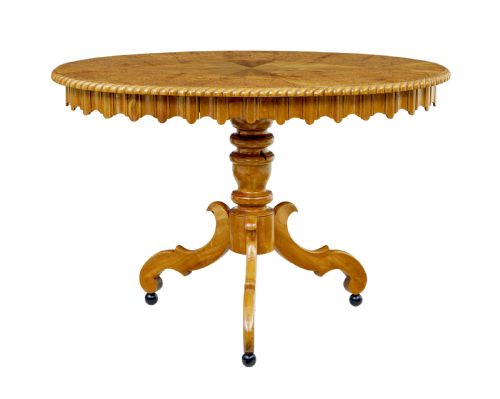
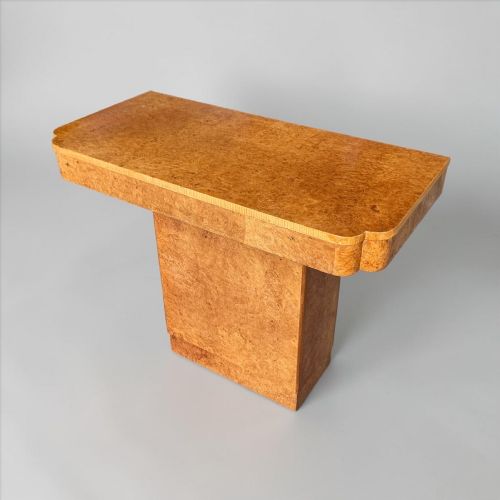
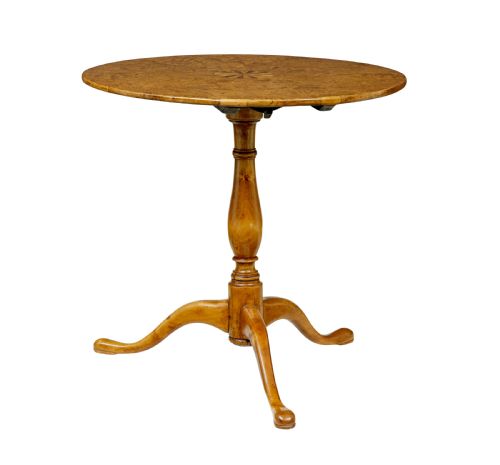
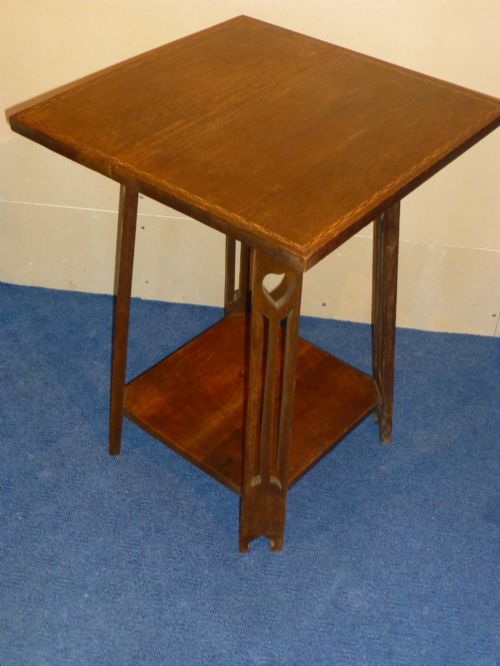
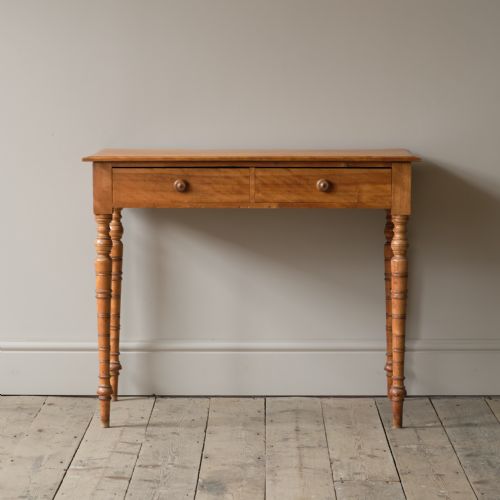
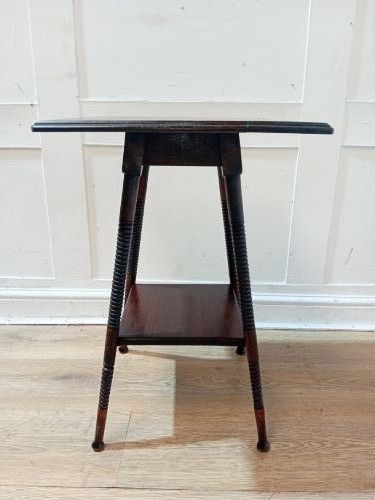
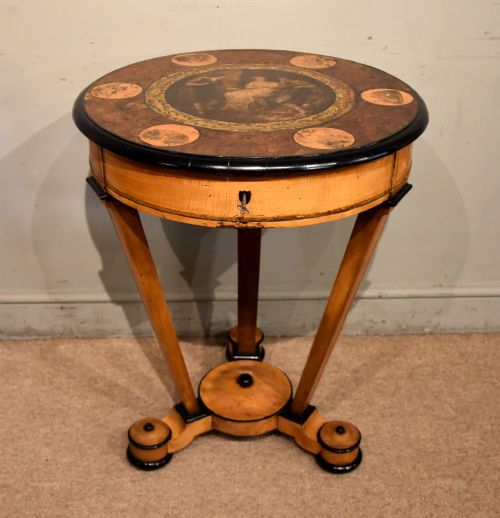
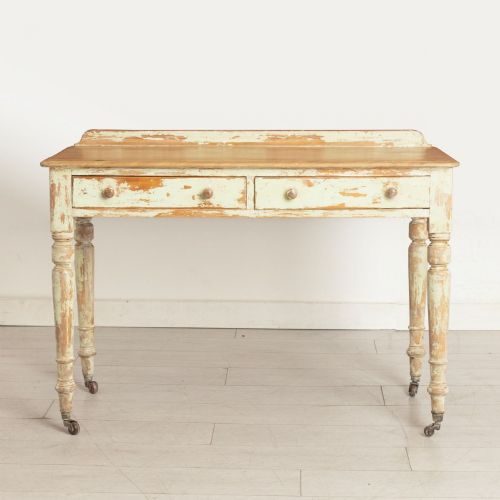
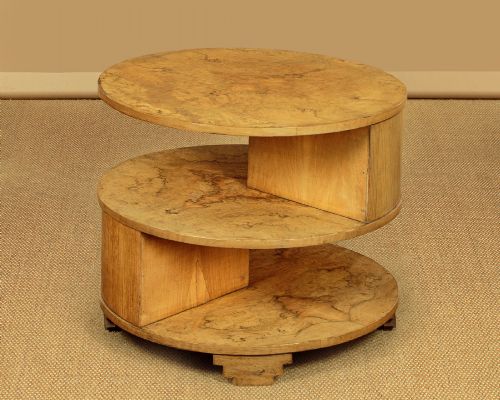
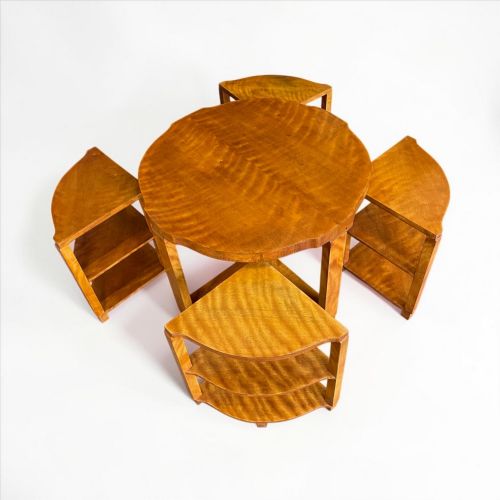
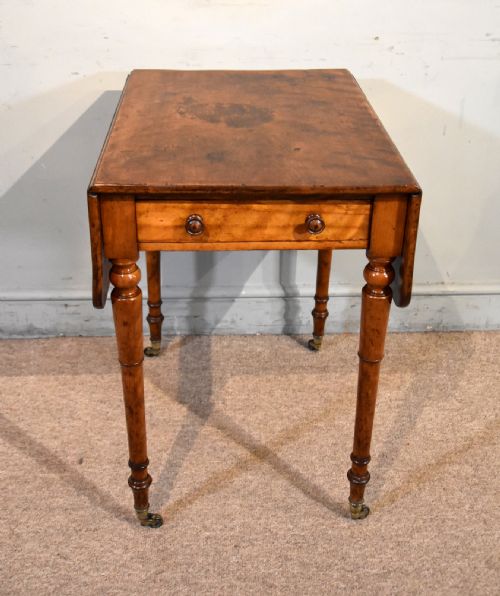
An antique birch side table brings pale warmth and distinct grain to a room, ranging from simple Victorian writing desks to figured Swedish occasional tables.
Antique Birch Side Table
An antique birch side table covers a wide variety of domestic furniture designed for compact utility, from lamp and occasional tables to console and writing desks. Buyers searching this phrase will find pieces spanning the nineteenth century through to the art deco period, reflecting diverse regional tastes.
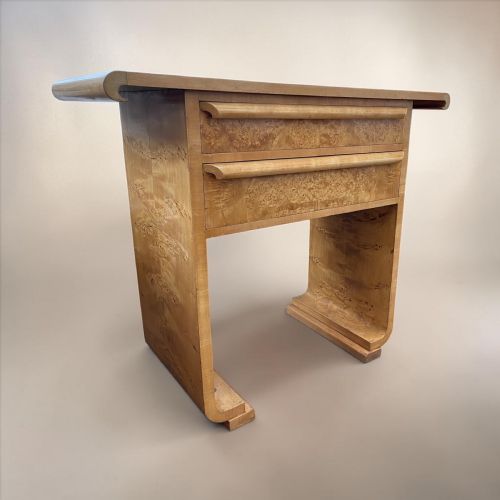
The most common forms on this page include nineteenth-century Swedish occasional tables, Victorian writing desks in satin birch, and twentieth-century art deco console pieces. These items served specific functional roles in period homes, functioning as tea tables, bedside stands, or small writing surfaces.
Makers and retailers such as Liberty and Co., Heal and Sons, and Johnstone and Jeanes appear alongside continental European pieces in Biedermeier and empire revival styles. The combination of varied surface forms and distinctive wood figures defines this category.
Materials and construction methods
Cabinetmakers utilised solid birch, satin birch, burr birch, and karelian birch, often applying veneers to highlight the striking natural patterns of the timber. Ebonised wood and brass details frequently complement the pale, figured surfaces.
Construction techniques include intricate chequered inlay, tripod frames, and lyre-form supports, alongside turned legs and tilting tops. Many items incorporate secondary timbers such as oak and elm, paired with brass sabots or ormolu mounts.
Listings feature periods spanning from the early nineteenth-century regency era through to 1930s art deco designs.
Distinguishing quality in construction and grain
The visual impact of an antique birch side table rests heavily on the selection of the timber, where dense burr figures, rich satin sheen, or dramatic karelian markings elevate a piece above plain surfaces. Master cabinetmakers balanced these striking grain patterns with restrained proportions and precise joinery.
Execution of decorative elements separates standard workshop production from finer examples. Inlaid borders, cast brass mounts, and well-proportioned turning or lyre supports reveal the hand of skilled makers and influential retailers.
Liberty and Co.·William Birch·Fortnum and Mason·Johnstone and Jeanes·Howard and Sons·Heal and Sons·Daniel Cottier
The Antique Birch Side Table Glossary
- Satin birch
- A timber featuring a natural golden shimmer and fine grain, highly favoured by nineteenth-century English cabinetmakers for writing desks and side tables. It provides a bright, reflective surface.
- Burr birch
- Wood harvested from tree growths that produce complex, swirling grain patterns. This highly decorative material is frequently utilised on table tops and cabinet fronts.
- Biedermeier
- A central European style dating from the early to mid-nineteenth century emphasising clean lines, minimal ornament, and the natural beauty of veneers. Birch and karelian birch were central to this aesthetic.
- Ormolu
- Gilded bronze mounts applied to furniture for decorative accent, often found framing or supporting edges on continental pieces. It contrasts sharply with pale birch timbers.
- Sabot
- A metal sleeve or shoe fitted to the foot of a table leg, usually cast in brass. These protected the wood at floor level while adding a neat decorative finish.
Antique Birch Side Table: Frequently Asked Questions
What is satin birch?
Satin birch is a timber prized for its lustrous, light-reflective surface and smooth grain texture. Cabinetmakers utilised it extensively during the Victorian period for writing tables and bedroom furniture.
Because of its pale tone, it brightened nineteenth-century interiors while offering a stable base for fine polish and inlay.
Where were Biedermeier tables made?
Biedermeier furniture originated in central Europe, primarily German-speaking regions and Scandinavia, during the first half of the nineteenth century. These pieces favoured functional elegance and striking local woods.
Makers frequently turned to birch, maserbirch, and karelian birch to create smooth, unpretentious surfaces that highlighted the natural grain.
How do I identify burr birch?
Burr birch is distinguished by swirling, highly figured knot formations that create intricate circular patterns across the wood. It was sliced into thin veneers for table tops and decorative panels.
This material catches the light from different angles, giving the surface depth and visual movement.
Were these tables used for writing?
Many side tables and occasional tables from the nineteenth century doubled as compact writing desks, fitted with drawers for stationery. They offered a portable workspace before dedicated studies became standard.
Examples from makers like Heal and Sons often combined this practicality with refined aesthetic styling.