


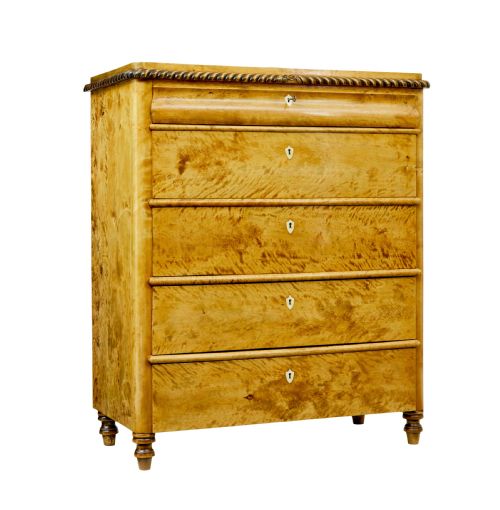


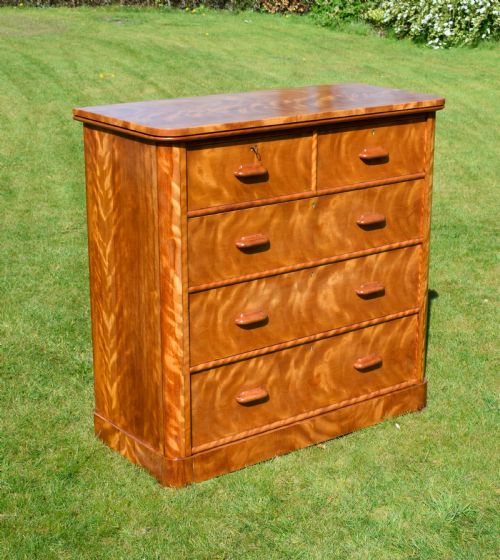
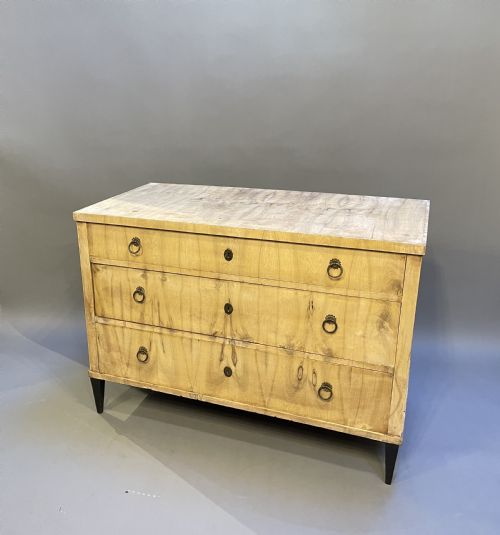


Antique Birch Dresser
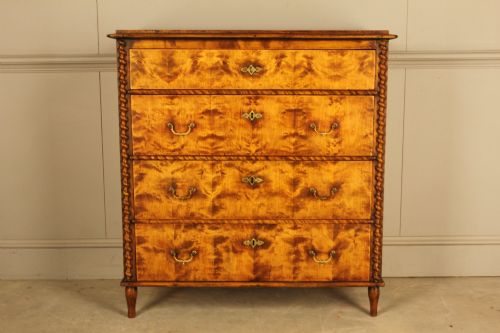
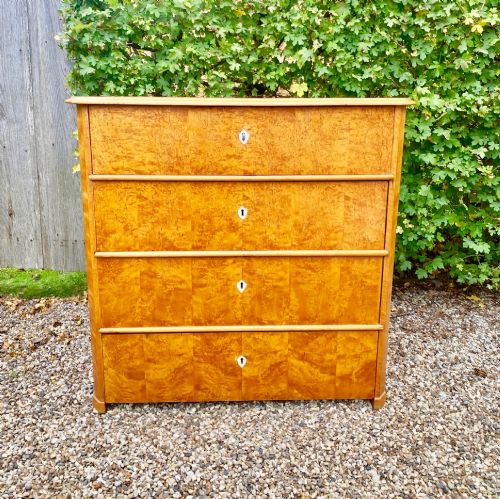
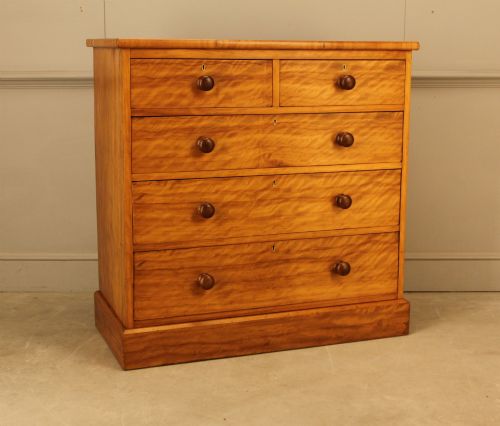
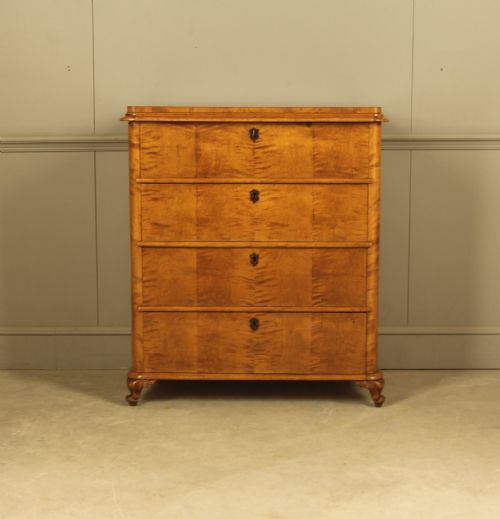
An antique birch dresser is a striking statement of 18th and 19th-century cabinetmaking, prized for its pale, figured timber and robust storage.
Antique Birch Dresser
Scandinavian origins dominate the material evidence, with Swedish Biedermeier, Empire Revival, and Rococo styles appearing frequently alongside Victorian English pieces. These items bring warmth and distinct regional character to domestic interiors.
Materials and construction methods
Makers utilised solid birch and various decorative veneers, selecting flame birch, tiger birch, masur birch, and satin birch to showcase complex natural grain patterns. Structural carcases frequently incorporate pine, while decorative accents employ ebonised wood, brass hardware, bone, and iron.
Surfaces receive careful hand-finishing, sometimes featuring simulated birch paintwork or intricate carved details. Cabinetmakers constructed these chests of drawers using traditional joinery designed to support heavy timber drawers over generations of daily use.
Antique Birch Dresser Retail Price Guide 2026
Typical asking prices for birch dresser among the pieces listed under this phrase on Sellingantiques today, from the lower quarter to the upper quarter. They describe what is for sale here now, not the wider market.
Distinctions in craftsmanship and materials
Superior examples separate themselves through the selection of highly figured timber veneers, such as richly patterned flame or tiger birch laid symmetrically across the drawer fronts. Plain timber surfaces or heavy staining reduce the visual impact of the grain.
The precision of the cabinetmaking and the survival of original hardware, including brass escutcheons and locks, dictate the standing of a piece. Altered proportions, replaced feet, or poorly executed later restorations diminish historical integrity.
Gemla Fabrikers
The Antique Birch Dresser Glossary
- Flame birch
- A wood veneer cut to display a distinctive flickering, flame-like grain pattern. This decorative figuring is highly prized in Scandinavian cabinetmaking.
- Biedermeier
- A influential Central European and Scandinavian style spanning the 19th century, characterised by clean lines and unadorned surfaces that highlight wood grain.
- Commode
- A low chest of drawers or cabinet originating in continental Europe. These pieces often feature generous proportions and decorative mounts.
- Caddy top
- A raised, moulded tabletop profile resembling the lid of a tea caddy. This edge detail provides a finished architectural look to chest tops.
- Masur birch
- A natural growth variation in birch timber producing mottled, dotted patterns across the grain. Craftsmen utilise this wood for its distinctive speckled appearance.
Antique Birch Dresser: Frequently Asked Questions
What is an antique birch dresser?
An antique birch dresser typically refers to a chest of drawers or commode constructed from birch timber during the 18th, 19th, or early 20th centuries. These pieces encompass various regional styles, most notably Scandinavian Biedermeier and Victorian English cabinetwork.
They serve primarily as practical bedroom or hallway storage furniture while providing a striking decorative focal point through their pale, figured wood grain.
How do I care for birch furniture?
Maintaining antique birch involves keeping pieces away from direct sunlight and steady heat sources to prevent timber shrinkage and veneer cracking. Dust regularly with a soft, dry cloth and avoid modern silicone polishes.
Occasional application of appropriate wax feeds the timber and protects the historic finish without building up heavy residue.
Where were these chests made?
The available selection heavily reflects Scandinavian workshops, particularly Swedish cabinetmakers working in the Rococo, Biedermeier, and Empire Revival styles. British Victorian pieces also appear alongside continental European commodes.
Regional preferences determined the choice of veneers, with Scandinavian makers frequently selecting dramatic flame and tiger birch figures.
How do I identify Biedermeier pieces?
Biedermeier pieces emphasise functional simplicity and the natural beauty of wood veneers over excessive ornamentation. They date from the 19th century and feature smooth, elegant surfaces with minimal carvings.
Chest fronts often display symmetrical grain arrangements, allowing the natural patterns of birch or flame birch to form the main decoration.