



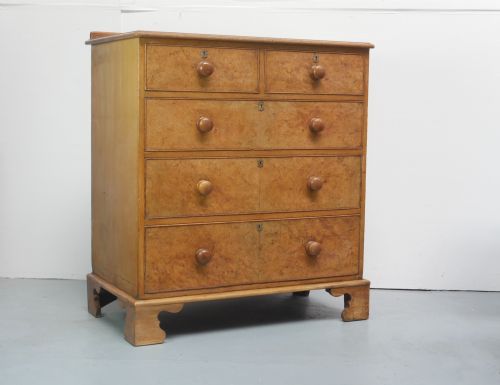


Honey Wood Chest of Drawers
A honey wood chest of drawers brings warmth and grain into a room, offering practical storage through pieces shaped in pine, satinwood, and burr ash.
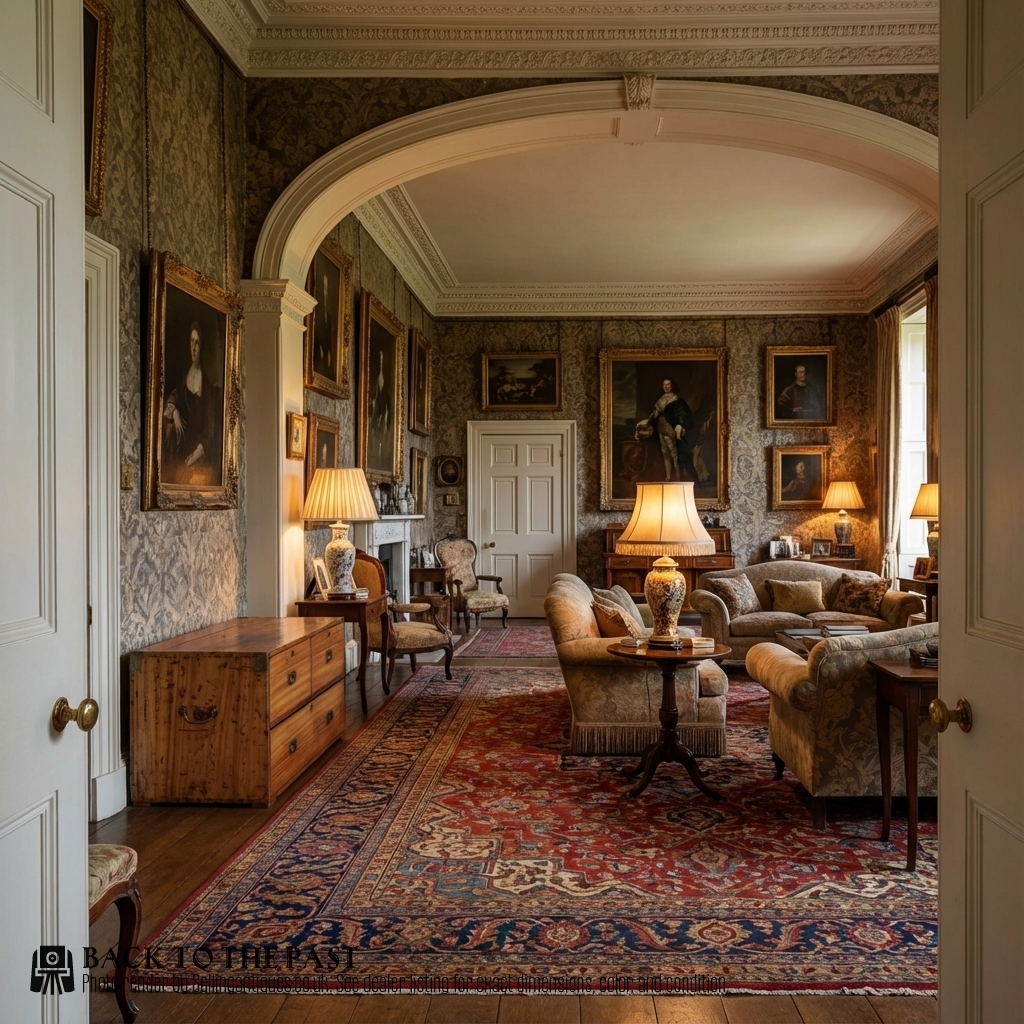
Honey Wood Chest of Drawers
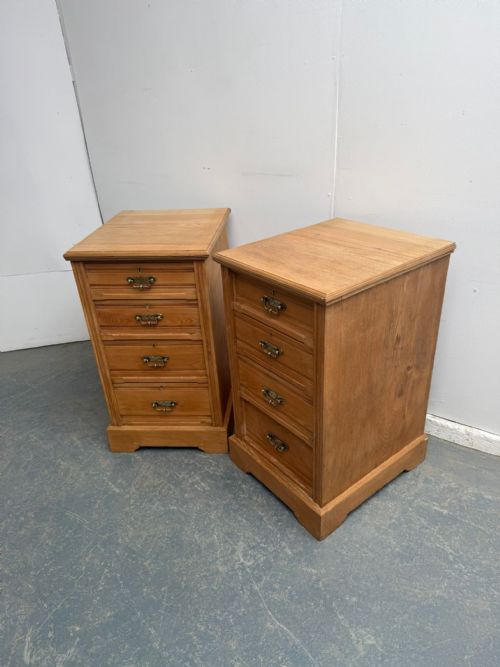
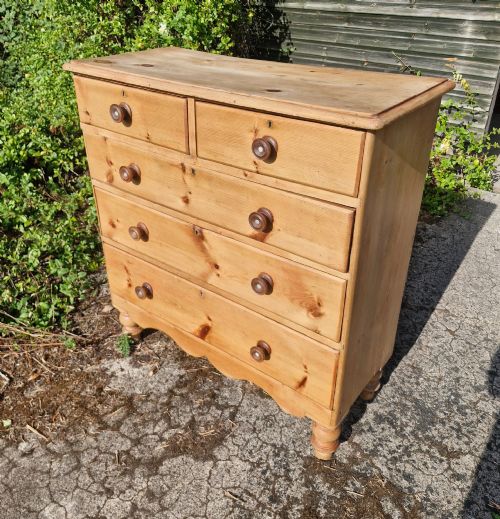
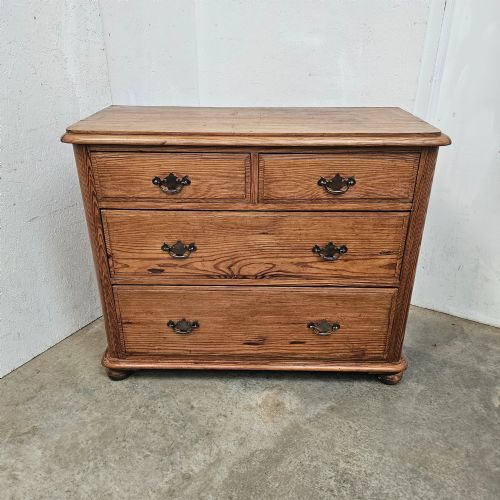
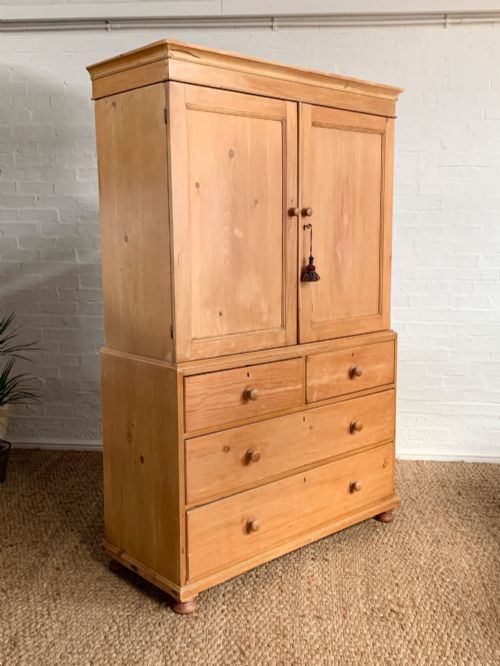
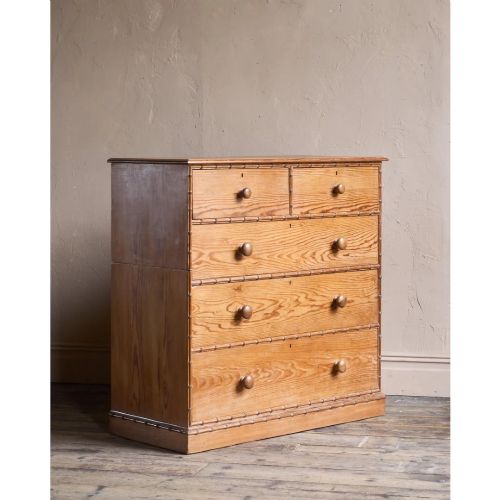
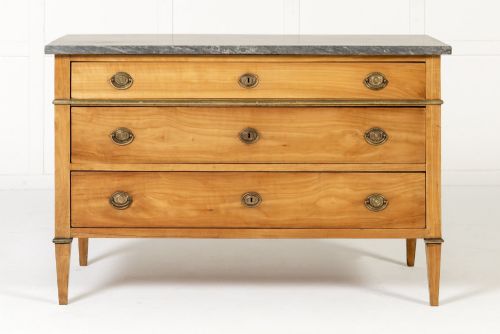
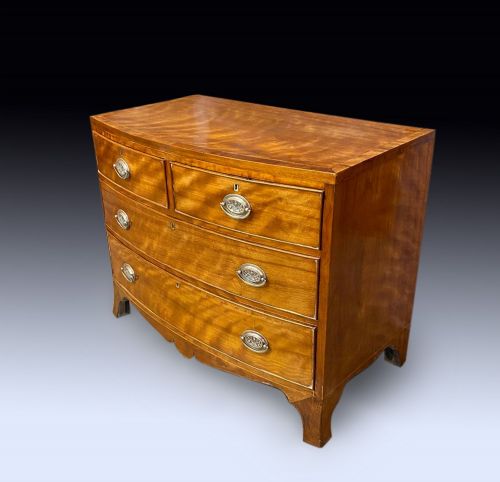
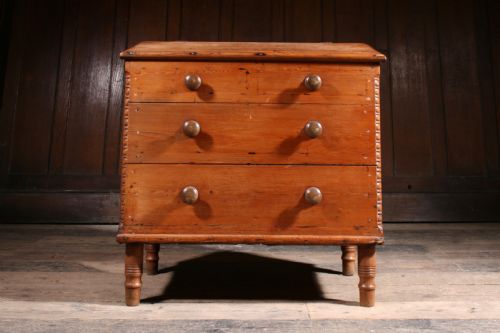
A honey wood chest of drawers encompasses practical storage pieces from the Georgian, Victorian, and Edwardian eras, as well as the eighteenth and nineteenth centuries. Buyers searching for a honey wood chest of drawers encounter various forms including bedside cabinets, mule chests, dressers, and military campaign chests. Pine and satinwood dominate the listings, alongside ash, burr ash, and camphor wood.
The Victorian period supplies many of the pine and satinwood examples seen here, often stripped or waxed to highlight the warm timber tones. Georgian and eighteenth-century pieces bring earlier craftsmanship into the selection, featuring satinwood bow fronts and cherrywood commodes. Edwardian and later pieces complete the range with lighter woods and compact proportions.
Materials and construction
Makers utilised solid timbers such as pine, satinwood, ash, and fruitwood to construct these chests, frequently applying wax or clear finishes to reveal the natural grain. Burr ash and camphor wood introduce distinctive figuring and aromatic qualities to specific campaign and commode pieces. Marble tops appear on washstand combinations, adding a contrasting hard surface to the wooden carcases.
Joinery techniques span dovetailed drawer construction and turned wooden handles, alongside brass pulls on military and campaign pieces. Gallery backs, faux bamboo turnings, and hand-painted simulated birch finishes demonstrate the variety of decorative treatments applied by period workshops.
Listings feature pieces in pine, satinwood, burr ash, and camphor wood across Victorian, Georgian, and Edwardian periods.
Judging quality in honey wood furniture
Quality separates pieces through the selection of timber veneers and solid boards, where rich figuring in burr ash or satinwood elevates a piece above standard utility pine. The crispness of drawer dovetails and the smooth operation of each drawer dictate the standard of workshop execution. Original brass hardware, intact gallery backs, and uncompromised structural timber mark out better-surviving examples.
Surface treatments also influence the standing of a piece, distinguishing honest period waxed finishes from heavy modern alterations. The proportion and balance of the design, whether a Georgian bow front or a compact Victorian bedside cabinet, determine the visual harmony of the furniture.
Howard and Sons·Gemla Fabrikers
The Honey Wood Chest of Drawers Glossary
- Commode
- A low chest of drawers or cabinet, often of eighteenth-century French or English origin. These pieces frequently feature decorative wood veneers and elegant proportions.
- Campaign chest
- A modular chest built in sections with recessed brass handles for military transport. They are typically fashioned from camphor wood or other durable timbers.
- Mule chest
- A storage chest featuring one or more drawers at the base beneath a hinged lid compartment. They combine the functions of a blanket box and a chest of drawers.
- Satinwood
- A hard, durable timber with a natural golden lustre that takes a fine polish. It appears frequently in Georgian and Edwardian fine furniture.
- Gallery back
- A raised wooden or brass rail along the top edge of a chest or washstand. This feature prevents items from sliding off the surface.
Honey Wood Chest of Drawers: Frequently Asked Questions
What periods do these chests come from?
The selection includes pieces spanning the eighteenth century, the Georgian period, and through Victorian and Edwardian times.
Dates range from specific years like 1850 and 1870 up to early twentieth-century designs from 1910 and 1920.
What woods are used in these pieces?
Pine and satinwood appear most frequently, supplemented by ash, burr ash, cherrywood, fruitwood, and camphor wood.
Some examples incorporate marble tops or simulated birch paint finishes.
How were campaign chests different?
Campaign chests were built in modular sections designed for easy transport by military officers on the move.
They typically feature recessed brass handles and robust construction in timbers like camphor wood.
Where should I place a bedside cabinet?
Arts and crafts ash bedside cabinets suit bedroom spaces requiring compact storage alongside a sleeping surface.
Their smaller dimensions fit beside standard bed heights while providing enclosed drawer space.
How do I care for waxed pine?
Waxed pine surfaces benefit from periodic application of quality furniture wax to maintain the warm tone and protect the grain.
Avoid placing these pieces in direct sunlight or near heat sources to prevent timber movement.