



Antique Beer Mug Handle
These antique beer mug handle pieces range from Georgian glass to Victorian pewter and Edwardian silver plate, offering tactile history for the collector.
Antique Beer Mug Handle
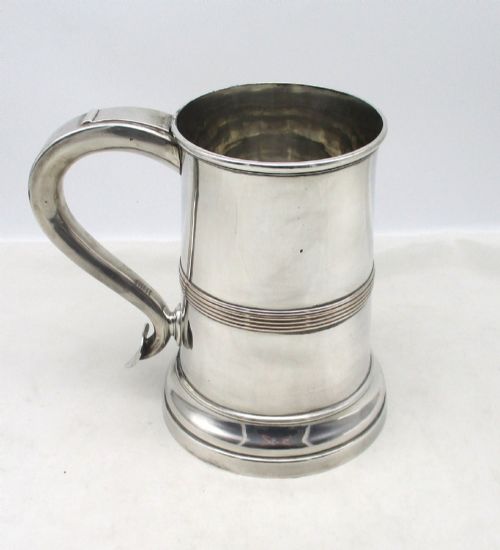
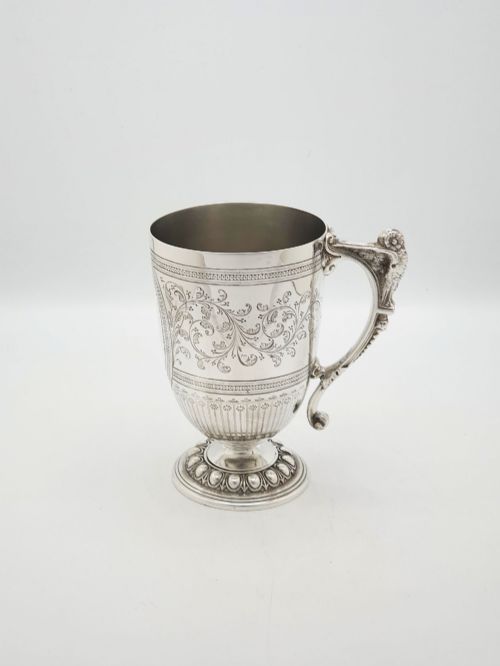
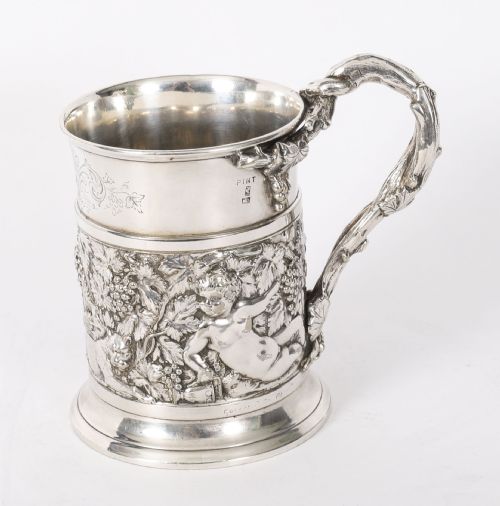
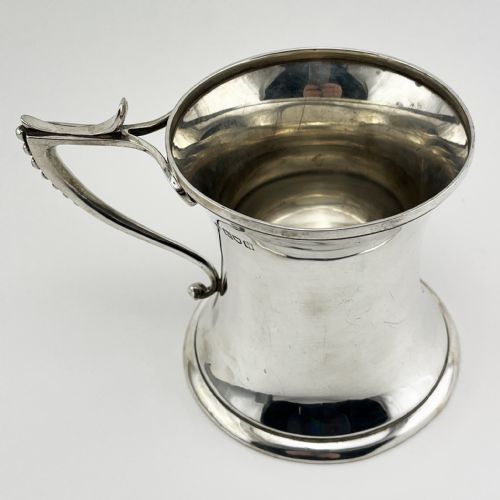
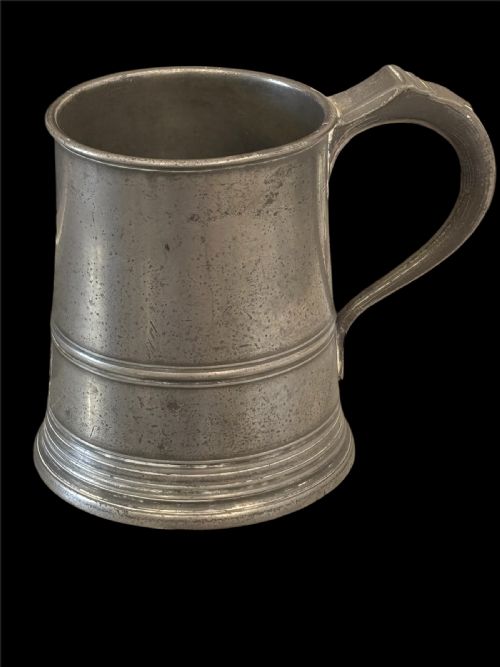
When you search for an antique beer mug handle, you are looking at drinking vessels and their mounts spanning the eighteenth century through the Edwardian era. These pieces include substantial public house tankards, diminutive silver mugs, and glass vessels fitted with sterling or plated mounts.
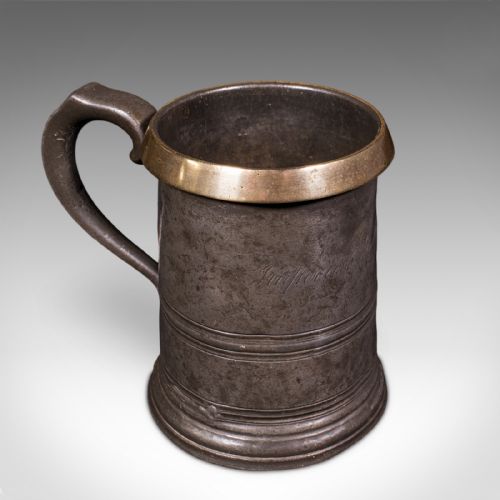
The versions you are most likely to meet on this page include Victorian silver plated tankards, Georgian pewter examples, and glass drinkware fitted with metal handles. Forms range from simple glass vessels to embossed silver and heavy public house pewter jugs.
Originating across English workshops and Chinese Export commissions, these items reflect the drinking habits and tavern culture of past centuries. Each surviving handle and vessel demonstrates the domestic and commercial utility of its period.
How they were made
The construction of these drinking vessels relies on traditional materials such as sterling silver, Old Sheffield plate, pewter, and glass. Pewter and silver pieces often utilise cast or soldered handles, while glass tankards feature applied silver mounts.
Surface decoration on metal examples includes hand engraving, embossing, and plain polished finishes. Craftsmen shaped these items using techniques appropriate to pewter casting, silversmithing, and glassblowing.
Antique Beer Mug Handle Retail Price Guide 2026
Typical asking prices for beer mug handle among the pieces listed under this phrase on Sellingantiques today, from the lower quarter to the upper quarter. They describe what is for sale here now, not the wider market.
Listings feature periods from the 18th century through the Edwardian era, incorporating materials like pewter, glass, and sterling silver.
What varies in quality
Quality in these drinking vessels rests upon the crispness of the metalwork, the weight of the material, and the integrity of the handle attachment. Heavier gauge silver and substantial pewter indicate superior craftsmanship compared to thinner plated alternatives.
The distinction between standard commercial barware and finer domestic pieces lies in the decorative detail and the maker's finish. Engraved ornamentation and balanced proportions elevate certain tankards above everyday tavern equivalents.
G R Collis
The Antique Beer Mug Handle Glossary
- Tankard
- A tall drinking vessel with a handle, typically made of silver, pewter, or glass. These vessels often feature lids or reinforced bases for tavern use.
- Old Sheffield Plate
- A composite material formed by fusing a sheet of silver to a copper base. This technique preceded modern electroplating and produced durable domestic items.
- Pewter
- A malleable metal alloy consisting primarily of tin, often containing copper and antimony. It was widely used for utilitarian tavern mugs and tankards throughout the Georgian and Victorian periods.
- Chinese Export
- Porcelain or other goods manufactured in China specifically for Western markets. Such pieces often incorporated European metal mounts and handle designs.
Antique Beer Mug Handle: Frequently Asked Questions
What materials are used for these handles?
The materials seen on these pieces include sterling silver, silver plate, pewter, copper, and nickel silver.
Metal components are frequently paired with glass bodies or utilised entirely for solid metal tankards.
How do I date a pewter tankard?
Dating pewter relies upon form, touchmarks, and the style of the handle and body. Georgian examples differ from Victorian public house pieces through subtle shifts in weight and proportion.
Consulting the listed period categories provides a reliable guide to the era of manufacture.
Were these mugs used in pubs?
Many examples originate from public houses and commercial establishments. Heavy pewter and large Old Sheffield plated tankards served public drinking needs.
Other items, such as sterling silver mugs, were intended for domestic household dining.
How do I care for silver plate?
Silver plated and sterling pieces require gentle cleaning to preserve the underlying metal and any engraving. Avoid harsh abrasives that can wear away thin plating over time.
Regular dusting and soft cloth polishing maintain the surface finish safely.