



Antique Beer Jug
These antique beer jugs bring history straight to the table, offering sturdy craftsmanship and tactile charm for everyday use or display.
Antique Beer Jug
An antique beer jug encompasses a broad range of historic drinking vessels designed for serving and consuming ale, stout, and cider in homes and public houses. When you search for an antique beer jug, you encounter diverse forms spanning the eighteenth, nineteenth, and early twentieth centuries.
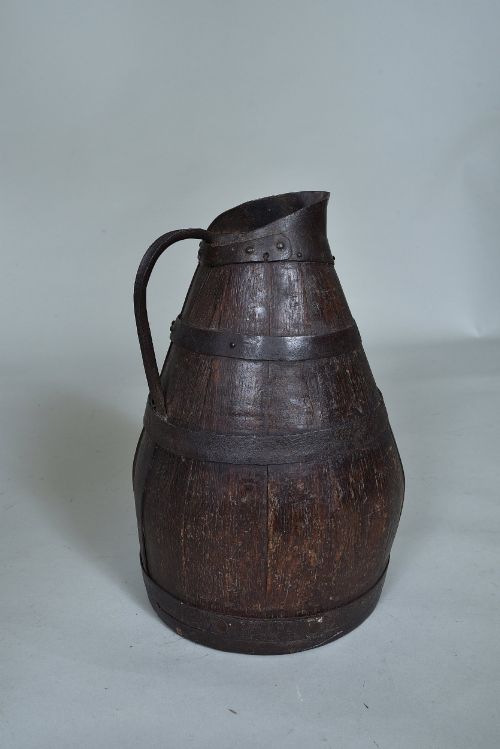
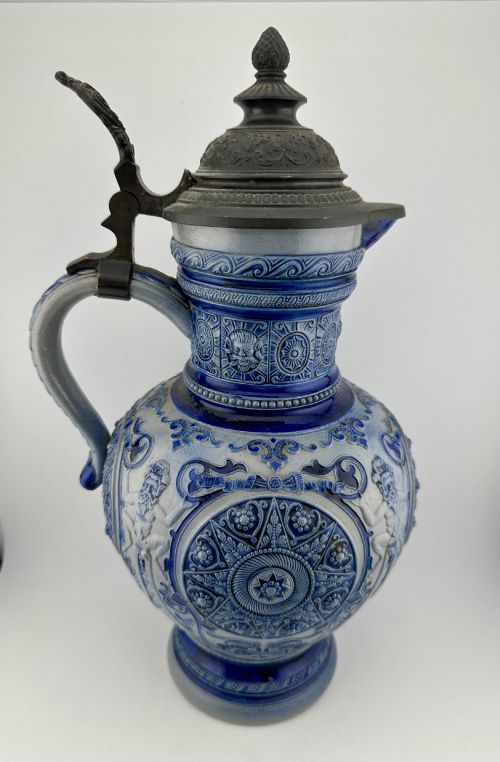
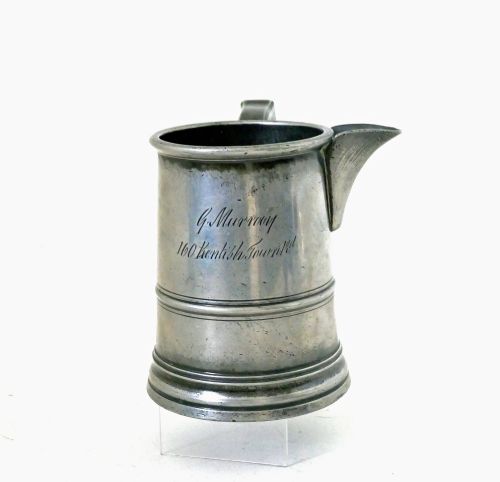
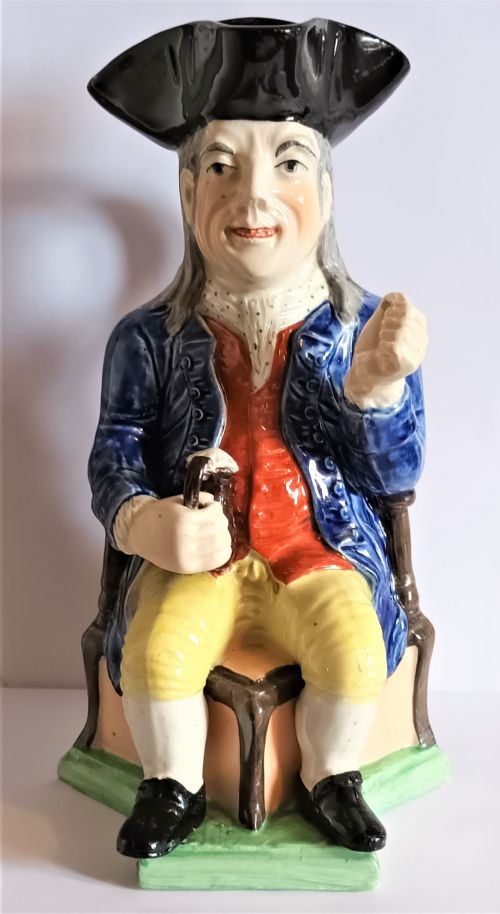
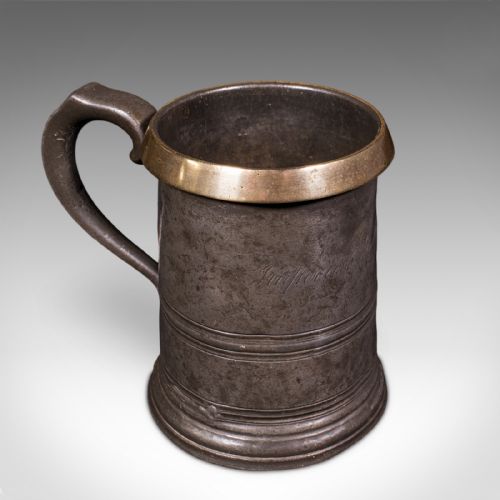
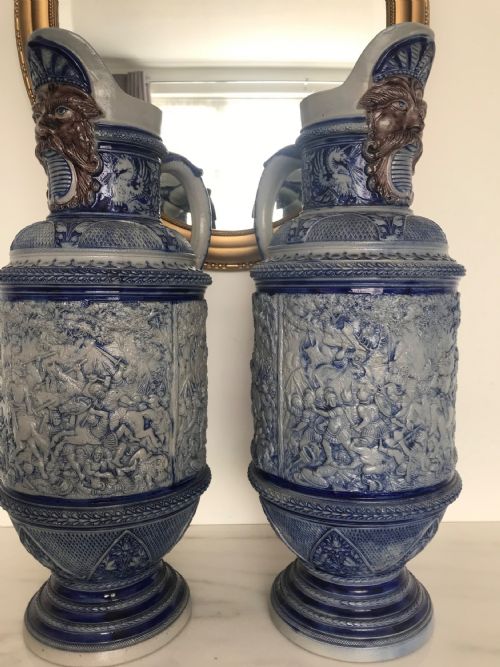
The selections on this page feature familiar British and European forms, ranging from sturdy public house pewter tankards and Staffordshire pottery figures to monumental German salt-glazed stoneware and Dutch Delftware pieces. These vessels served practical roles at the tavern counter and the dining table alike.
Among the most frequent finds are utilitarian metal flagons, heavy stoneware pitchers, and characterful ceramic Toby jugs. Each variety reflects the drinking customs and ceramic traditions of its specific era.
Materials and construction methods
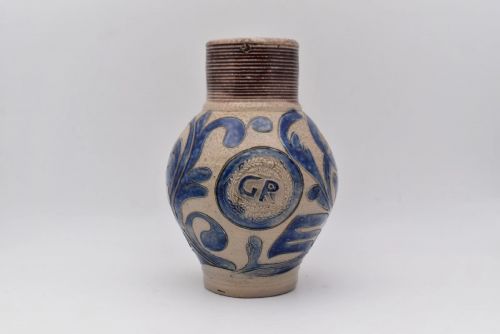
Potters shaped earthenware and stoneware on the wheel or in moulds before applying salt glazes, tin glazes, or hand-painted polychrome decoration. Stoneware pieces often benefited from cobalt blue incisions and relief moulding.
Metal vessels relied on casting, hammering, and soldering techniques using pewter, brass, copper, and silver plate over copper bases. Master metalsmiths engraved inscriptions, applied intricate mounts, and bound wooden staves with secure metal bands.
Antique Beer Jug Retail Price Guide 2026
Typical asking prices for beer jug among the pieces listed under this phrase on Sellingantiques today, from the lower quarter to the upper quarter. They describe what is for sale here now, not the wider market.
The listings combine nineteenth-century pieces with eighteenth-century Georgian and salt-glazed stoneware examples.
Distinguishing quality
Superior quality rests in the crispness of the modelling, the depth of relief work, and the integrity of the original mounts. Finer ceramic pieces show precise hand-painting and well-preserved glazes, while metal versions display clean soldering seams and balanced proportions.
Makers' marks, touchmarks, and royal ciphers elevate certain examples by confirming origin and period. Weight, heft, and the survival of original lids or silver rims similarly distinguish standard utilitarian items from exceptional pieces.
Simon Peter Gerz·Doulton Lambeth
The Antique Beer Jug Glossary
- Flagon
- A large drinking vessel with a handle and often a lid, used historically for serving ale or wine. Flagons frequently feature generous capacities for communal gatherings.
- Toby jug
- A pottery jug modelled as a seated, stout eighteenth-century figure wearing a tricorn hat. These vessels typically depict cheerful topers holding a mug and a pipe.
- Salt glaze
- A vitreous coating formed on stoneware by throwing common salt into the kiln during high-temperature firing. This process creates a distinctive textured surface resembling orange peel.
- Old Sheffield plate
- A composite material made by fusing a thin sheet of silver to a thicker copper base under heat. This technique predated modern electroplating.
- Westerwald
- A historic German ceramic region renowned for producing salt-glazed stoneware decorated with cobalt blue motifs. Pieces from this area frequently display armorial designs and battle scenes.
Antique Beer Jug: Frequently Asked Questions
How were antique beer jugs used?
These vessels served to transport, store, and pour beer and ale in domestic settings and busy public houses. Larger capacities functioned as flagons for table service, while smaller tankards saw direct use for drinking.
Many examples remained in active circulation for decades, passing from tavern counters to home dining rooms. Their sturdy construction ensured they endured the daily demands of hospitality.
Can I still use my jug for drinks?
Most historic ceramic and metal vessels remain structurally capable of holding liquids, though modern use requires careful consideration. Metal versions in pewter or silver plate need gentle hand washing without harsh detergents.
Peculiarities in older glazes or historic repairs mean many collectors prefer to display their pieces rather than serve from them. Assessing the interior condition helps determine suitability for modern dining.
How do I date a pewter jug?
Dating relies heavily on touchmarks, capacity stamps, and stylistic evolution in handles and lid hinges. Maker stamps and touchmarks registered with trade guilds provide reliable chronological markers.
The weight of the metal and the presence of specific capacity verification marks, such as early crown ciphers, narrow down the decade of production.