


Antique Bedside Tray
An antique bedside tray is a practical piece of furniture designed for a bedroom, bringing period craft and timber directly to your bedside.
Antique Bedside Tray
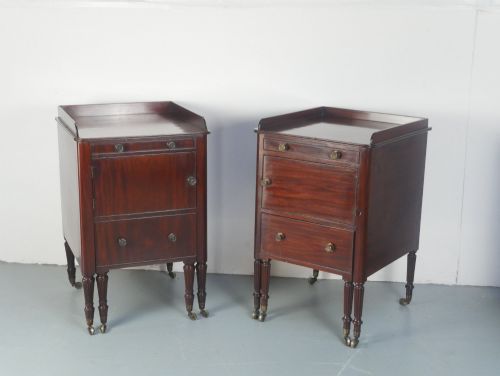
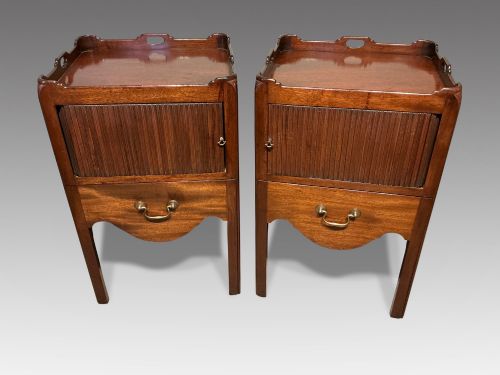
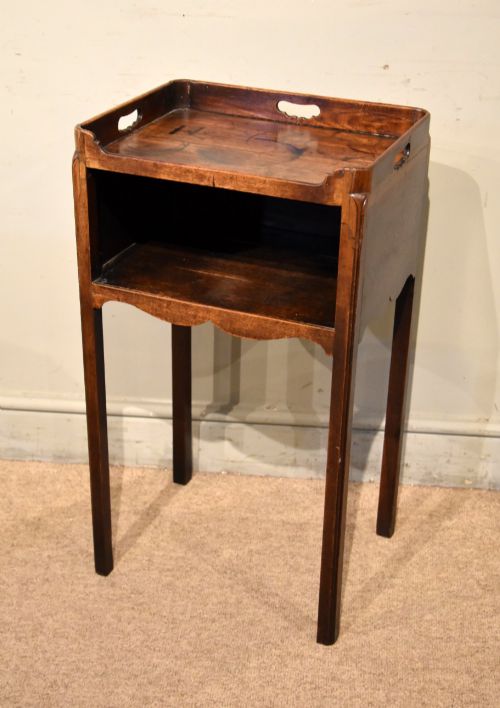
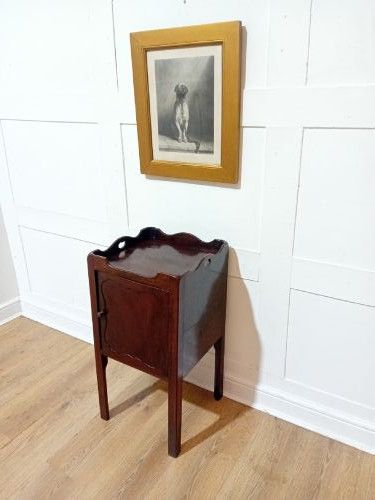
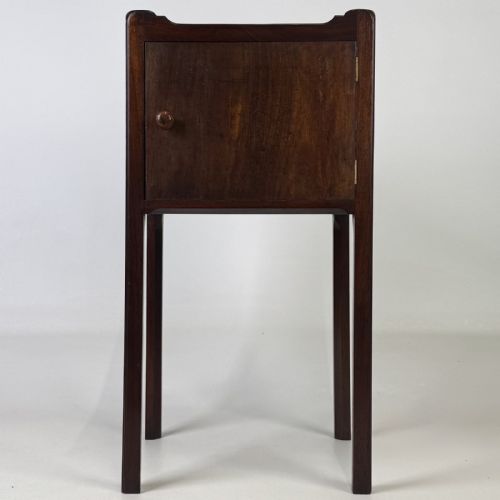
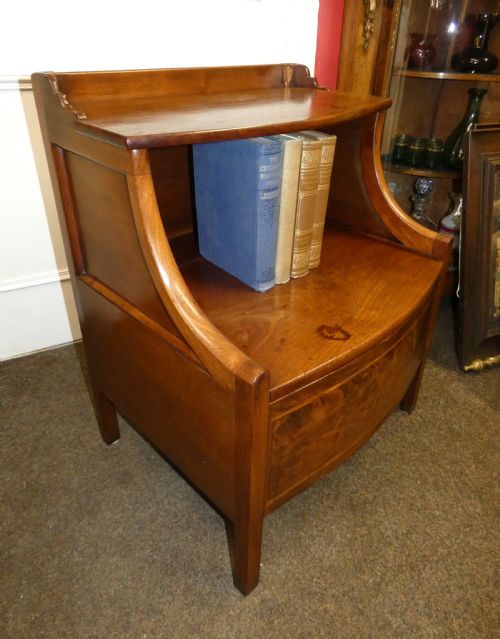
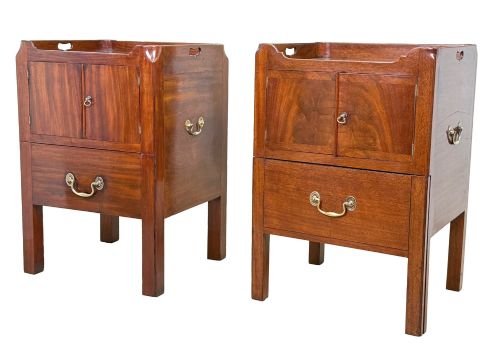
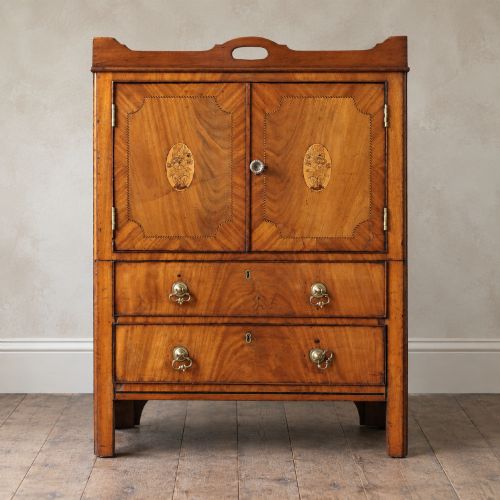
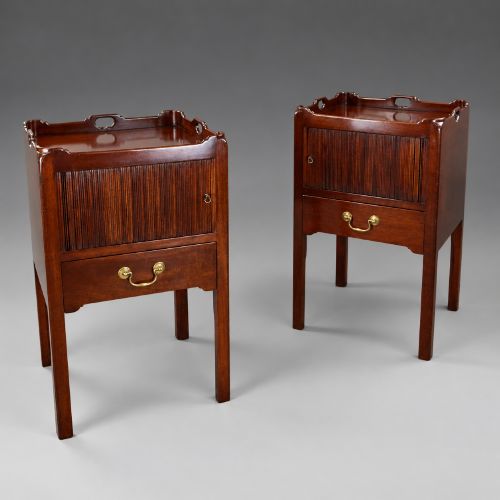
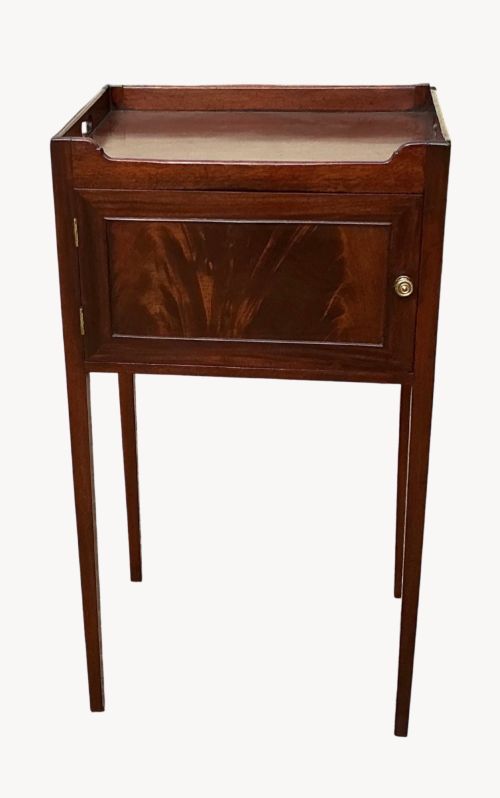
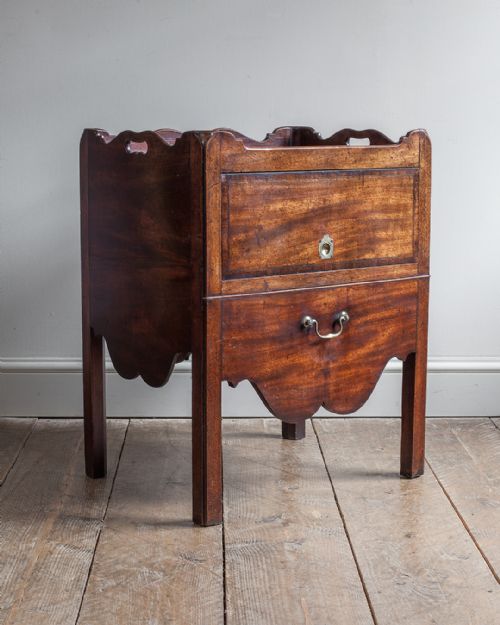
When you search for an antique bedside tray, you encounter pieces designed to hold essentials beside a bed, most frequently taking the form of tray top cabinets, commodes, and pot cupboards from the Georgian and Regency periods. These compact wooden items often feature elevated gallery edges, known as tray tops, which prevented items from sliding off.
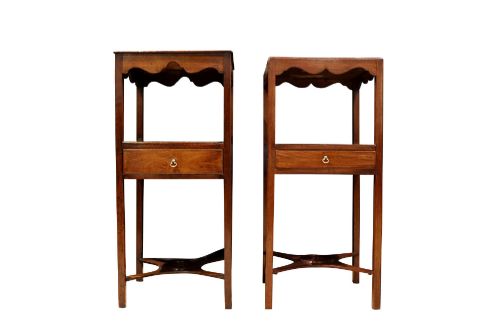
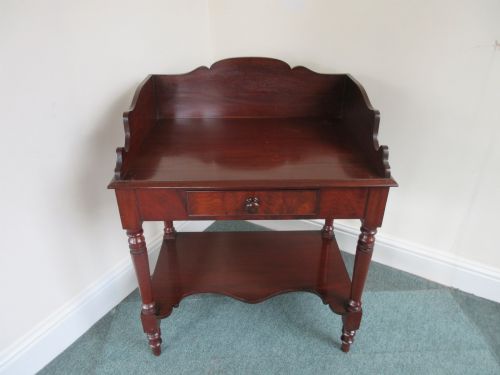
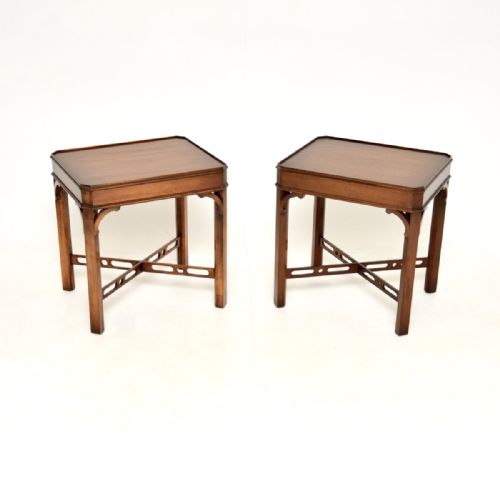
The selections available range from 18th-century George III originals to later Edwardian interpretations and 1920s pairs, constructed mainly in rich mahogany. Alongside traditional enclosed cabinets with cupboard doors, the listings include side lamp tables and open nightstands that serve the same domestic function.
Materials and Methods
Cabinetmakers relied heavily on solid mahogany and flame mahogany veneer, often selecting timber with deep grain patterns for the main body and top surfaces. Structural integrity relied on traditional joinery, while decorative appeal came from contrasting boxwood inlay and intricate marquetry details.
Tray tops were shaped directly from the solid wood or assembled with raised wooden galleries to secure chamber items and lamps. Surface finishing involved hand-polished applications that highlighted the natural tone of the wood without synthetic varnishes.
Antique Bedside Tray Retail Price Guide 2026
Typical asking prices for bedside tray among the pieces listed under this phrase on Sellingantiques today, from the lower quarter to the upper quarter. They describe what is for sale here now, not the wider market.
Listings feature mahogany as the dominant material, appearing alongside brass accents, satinwood, and detailed boxwood inlay across multiple centuries.
Assessing Quality and Execution
The distinction between standard examples and the finest pieces lies in the crispness of the cabinetmaker's timber selection and the precision of any inlay work. Superior items display well-figured flame mahogany and fine stringing lines in boxwood, rather than plain boards.
Proportion and structural balance dictate the upper tier of these pieces, where the gallery edges of a tray top remain integrated cleanly with the carcase. Subtle details such as original brass hardware and well-fitted tambour fronts separate workshop masterworks from simpler utility items.
The Antique Bedside Tray Glossary
- Tray top
- A tabletop finished with a raised moulded rim designed to prevent items from rolling off. This feature is characteristic of 18th-century night commodes.
- Pot cupboard
- A small bedside cabinet originally built to enclose a chamber pot. These practical items typically feature a single door above a concealed lower section.
- Tambour front
- A flexible shutter made from narrow vertical strips of wood glued to canvas, allowing a smooth sliding door. This mechanism appears on select George III commodes.
- Marquetry
- Decorative veneer work forming pictorial or geometric patterns using various coloured woods. It adds elaborate surface detail to 19th-century pieces.
- Flame mahogany
- A highly figured cut of mahogany displaying a distinctive feather-like flame pattern. Cabinetmakers reserved this veneer for primary display surfaces.
Antique Bedside Tray: Frequently Asked Questions
What is an antique bedside tray?
An antique bedside tray refers to small 18th and 19th-century tables and cabinets featuring raised tray-like rims on top. They were built to hold chamber items, candlesticks, and personal effects within arm's reach of a bed.
Today, buyers utilise these compact items as functional bedside tables or lamp stands. Their enclosed cupboards and raised edges continue to offer practical storage in modern bedrooms.
How do I date a bedside cabinet?
Dating relies on examining the timber species, construction joints, and stylistic markers such as bracket feet or tapered legs. Georgian and George III pieces generally display dense solid mahogany and hand-cut dovetails.
Later 19th-century and Edwardian reproductions often incorporate machine-cut elements or different veneer applications. Comparing the hardware and internal secondary woods helps clarify the period of manufacture.
What is a pot cupboard?
A pot cupboard is a dedicated bedside storage unit historically constructed to house a chamber pot behind a closed door. These pieces kept necessary items neatly concealed when not in use.
In contemporary settings, these cabinets function well as standard bedside tables with internal shelving. The enclosed design provides convenient storage for modern nighttime accessories.
Are pairs common in these pieces?
Matched pairs appear frequently among listings from the Georgian, Edwardian, and 1920s periods. Cabinetmakers originally produced many bedside tables in pairs to flank larger antique bed frames.
Finding a matching pair provides symmetry for a bedroom layout. Each piece in a matched set shares timber characteristics and dimensions from the same workshop tradition.