

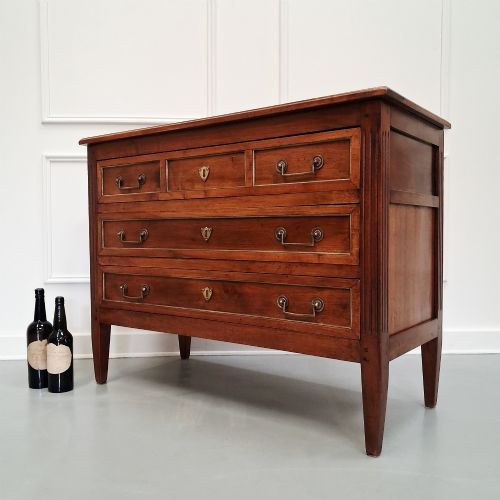
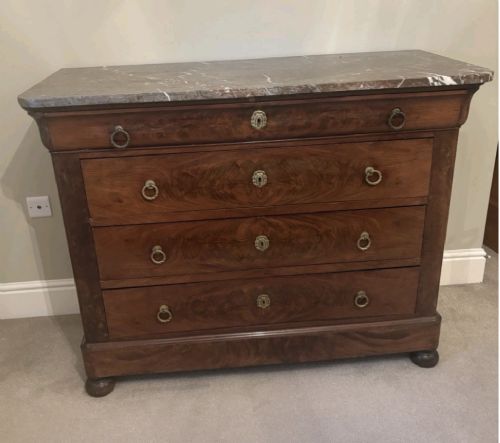
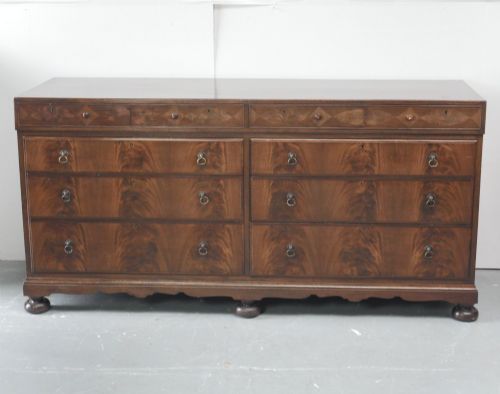
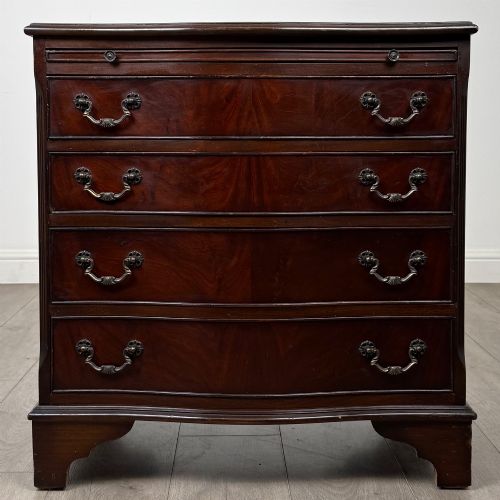
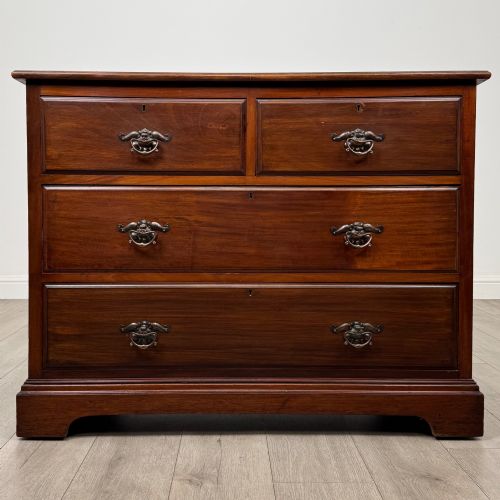
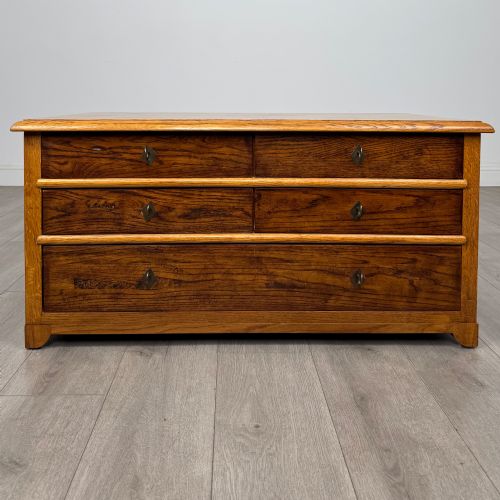
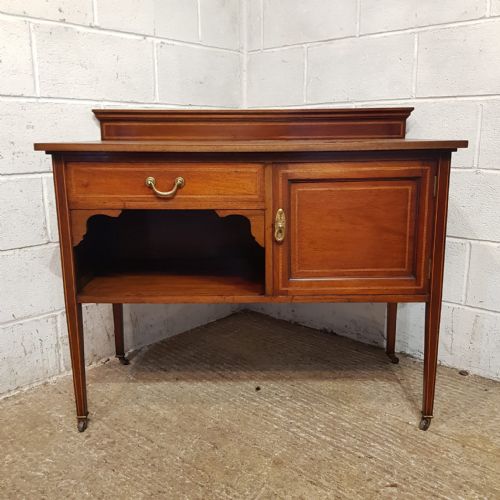
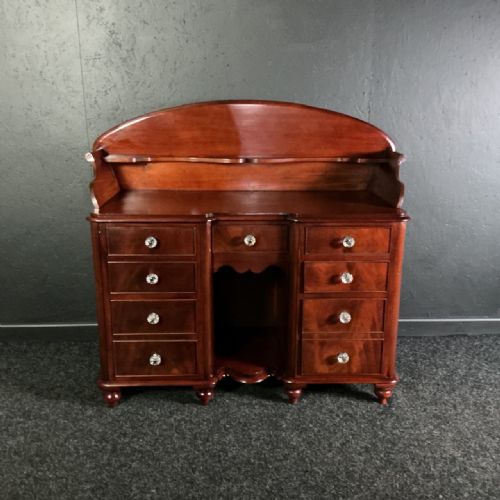
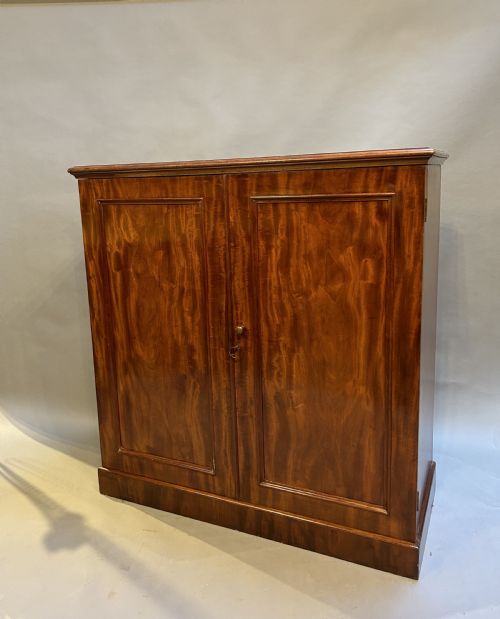
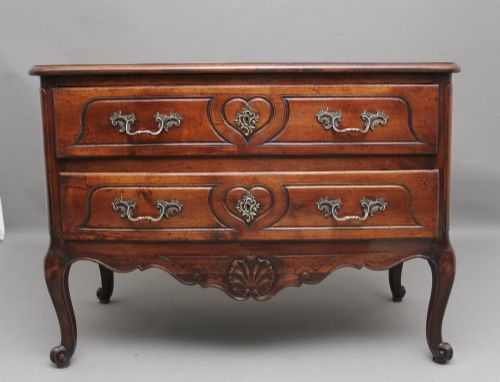
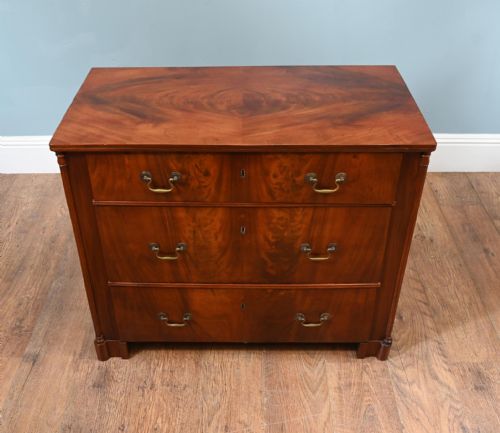
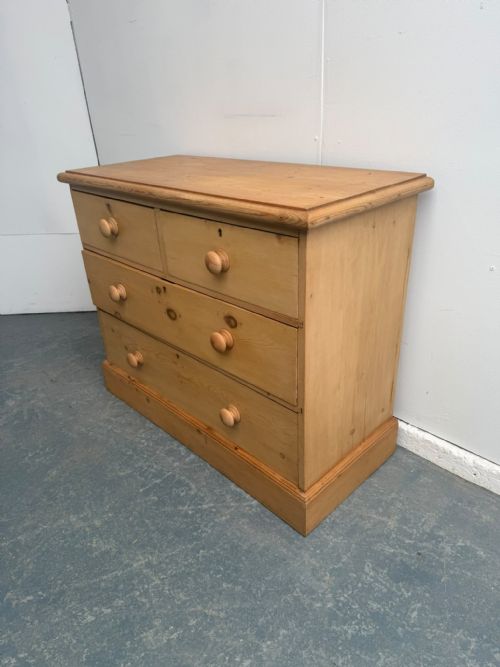
Antique Bedroom Sideboard
An antique bedroom sideboard provides substantial storage and surface space, bringing period character and practical utility to domestic interiors.

Antique Bedroom Sideboard
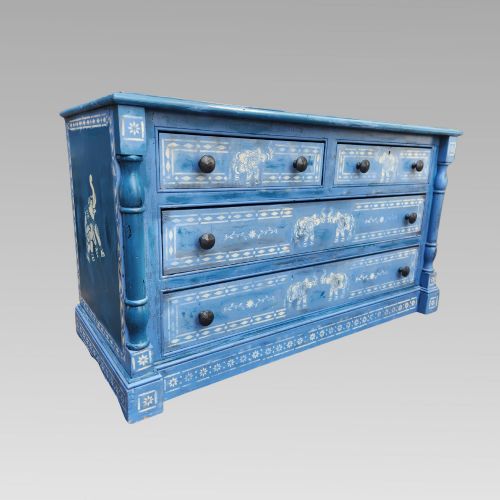
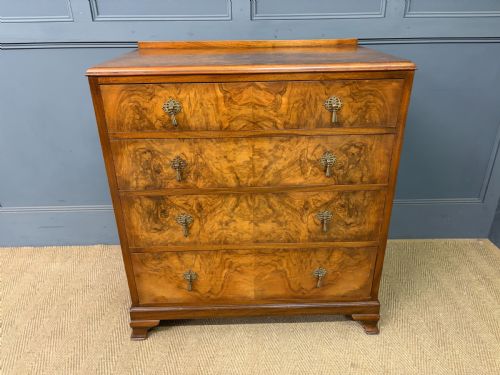
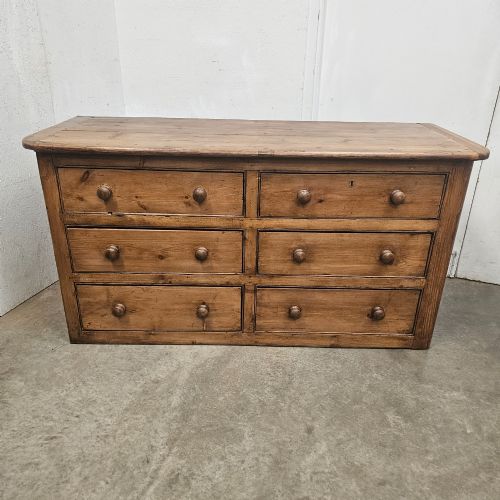
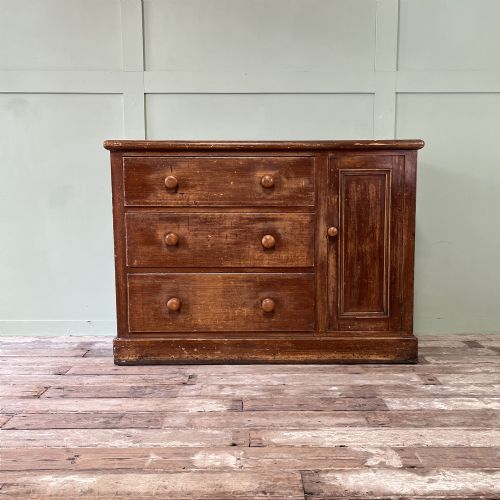
An antique bedroom sideboard typically encompasses chests of drawers, commodes, washstands, and linen presses originating from periods spanning the eighteenth, nineteenth, and early twentieth centuries. These large storage forms designed for sleeping quarters combine deep drawer configurations with flat surfaces suitable for daily household use.
The inventory on this page relies heavily on Victorian and Edwardian examples alongside earlier eighteenth-century and Georgian pieces. Buyers frequently encounter mahogany and walnut chests, pine storage units, and marble-topped washstands within these offerings.
Materials and construction methods
Cabinetmakers utilised dense hardwoods such as mahogany, walnut, and oak alongside softer pine and cherrywood for structural carcases and drawer linings. Surface decoration often involved figured veneers, hand-painted finishes, or contrasting satinwood details.
Marble integration appears frequently on tops designed for washing furniture, whilst brass handles and fittings provide functional hardware. Joinery techniques relied on traditional hand-cut joints appropriate to each specific period and regional workshop practice.
Antique Bedroom Sideboard Retail Price Guide 2026
Typical asking prices for bedroom sideboard among the pieces listed under this phrase on Sellingantiques today, from the lower quarter to the upper quarter. They describe what is for sale here now, not the wider market.
Listings span the 18th, 19th, and 20th centuries, incorporating oak, mahogany, walnut, pine, and marble materials.
Evaluating craftsmanship and condition
Superior examples demonstrate meticulous timber selection, particularly in matched veneer panels and tightly figured mahogany or walnut grains. Construction integrity, original hardware, and undamaged marble surfaces distinguish finer items from simpler utilitarian pieces.
Subtle details such as secondary wood choices inside drawer boxes, the precision of dovetail joints, and the retention of original waxed or polished finishes dictate the overall standing of each piece.
Whytock And Reid·Heals·Waring And Gillow
The Antique Bedroom Sideboard Glossary
- Commode
- A low cabinet or chest of drawers containing multiple working drawers, frequently associated with eighteenth and nineteenth-century French and Italian designs.
- Washstand
- A dedicated bedroom table or cabinet featuring a protective marble or tile top and back upstand, designed to hold washing basins and sanitary accessories.
- Linen Press
- A tall storage cupboard containing sliding trays or shelves enclosed by upper doors, placed above a base section fitted with lower drawers.
- Serpentine
- A furniture front characterised by a gently curved outline featuring a convex centre flanked by concave sides.
- Satinwood
- A pale, lustrous hardwood utilised for decorative veneers and stringing inlay across eighteenth and nineteenth-century cabinet furniture.
Antique Bedroom Sideboard: Frequently Asked Questions
How do I use a washstand today?
A washstand works well as a compact bathroom vanity or a hallway surface for keys and post.
The protective marble top easily handles damp items and daily moisture without sustaining damage.
What is the difference between a commode and a chest of drawers?
A commode generally refers to a low, decorative French or Italian cabinet with wide proportions.
Standard chests of drawers often feature taller vertical proportions with more numerous internal tiers.
How do I care for antique wood surfaces?
Apply natural beeswax polish occasionally and buff gently with a soft cloth to maintain the lustre.
Keep wooden furniture away from direct heat sources and strong sunlight to prevent timber splitting.
Can I place heavy items on a marble top?
Natural stone tops safely support heavy lamps, ceramic basins, and decorative bronze objects.
Avoid sharp impacts on the edges to prevent chipping the polished marble surface.