
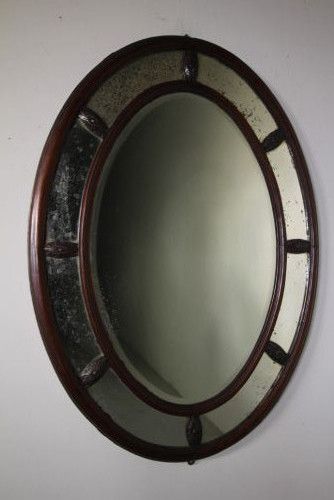
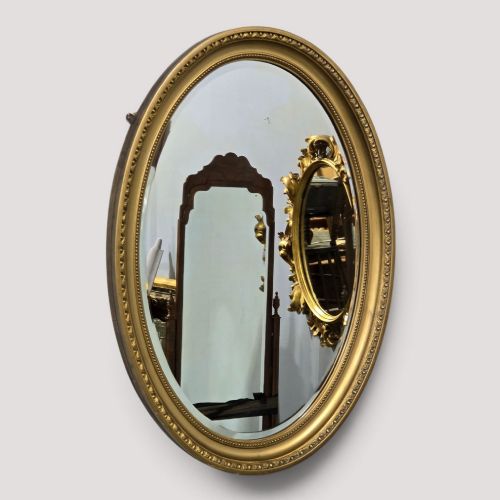
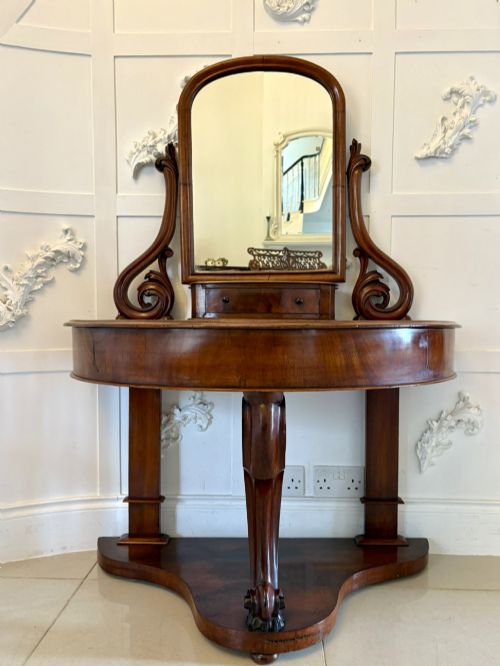

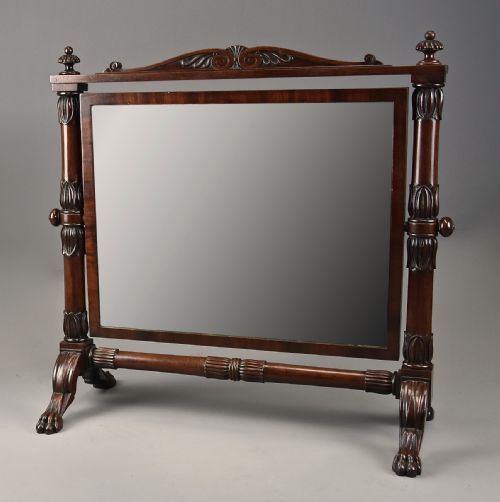
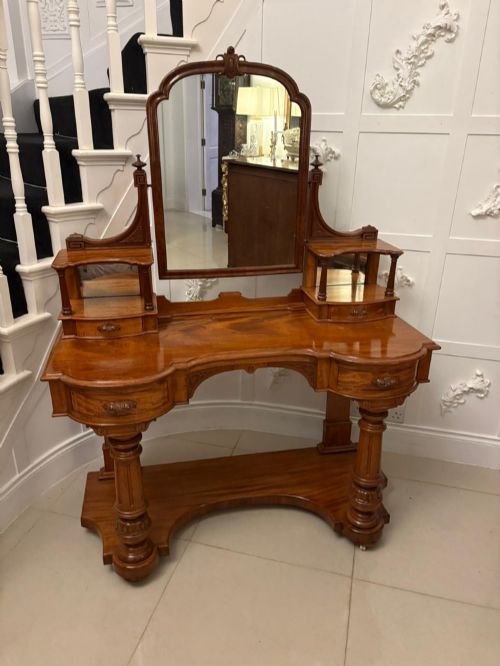
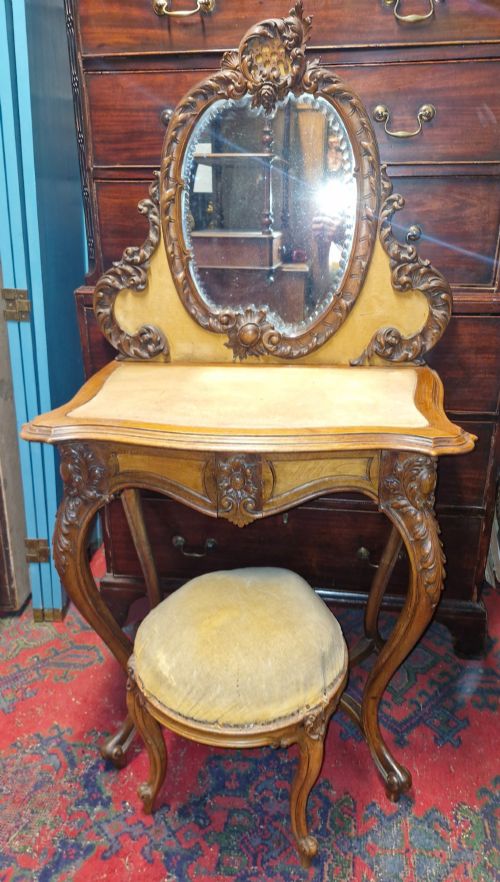
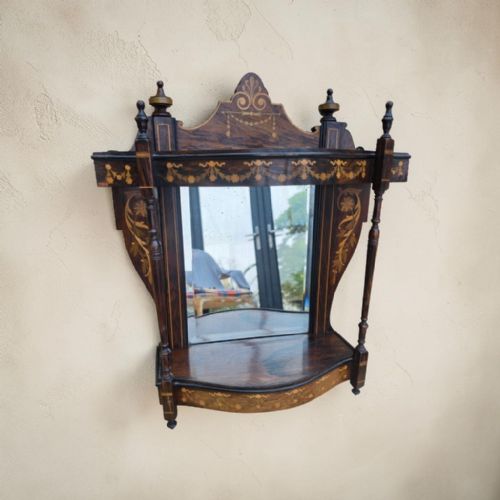
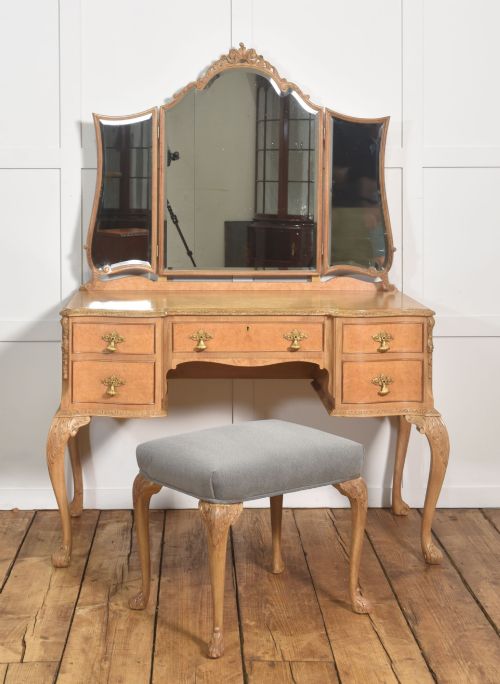
Carved Vanity Mirror
A carved vanity mirror brings intimacy and a focal point to a dressing room, uniting functional glass with expressive woodwork.
Carved Vanity Mirror
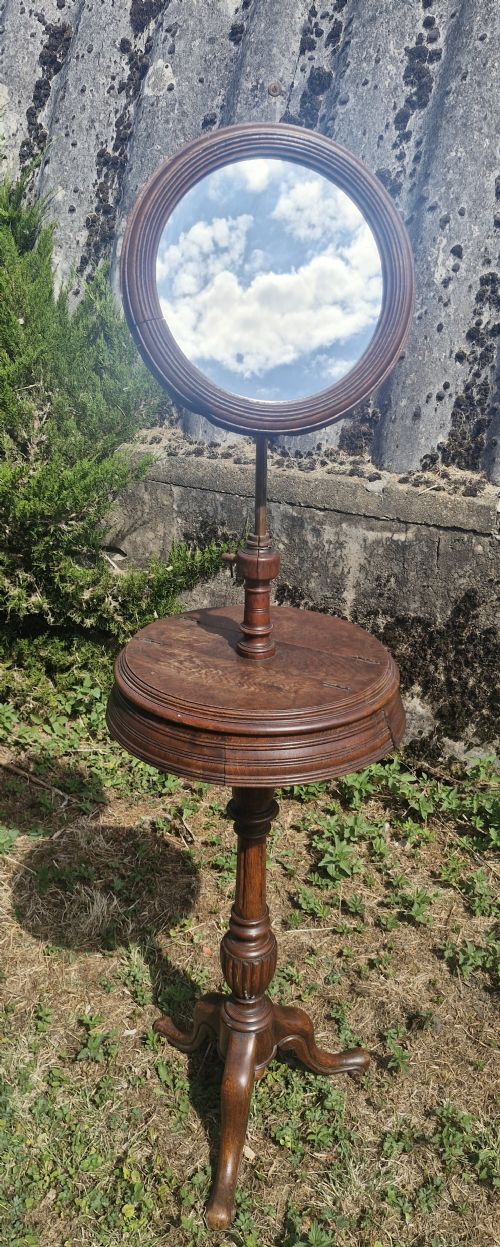
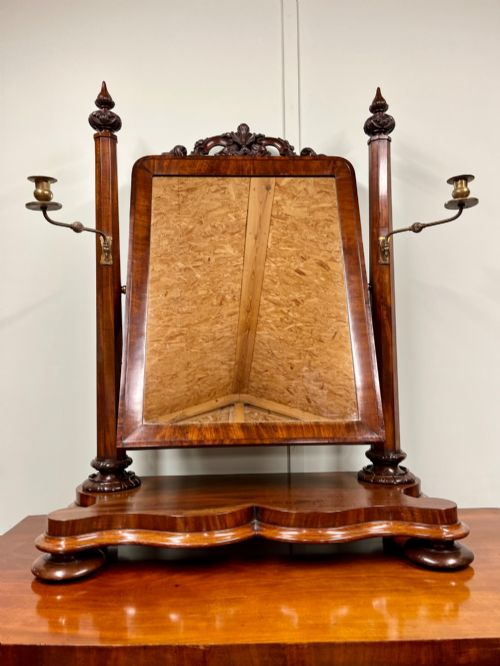
When you search for a carved vanity mirror, you enter a field spanning table mirrors, dressing table mirrors, and pivoting toilet mirrors designed for personal grooming. These items appear across centuries, from Georgian designs to Edwardian interpretations.
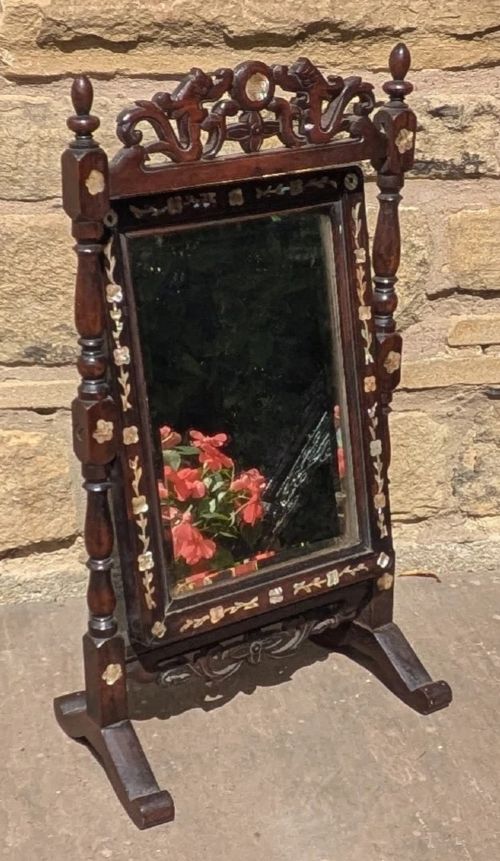
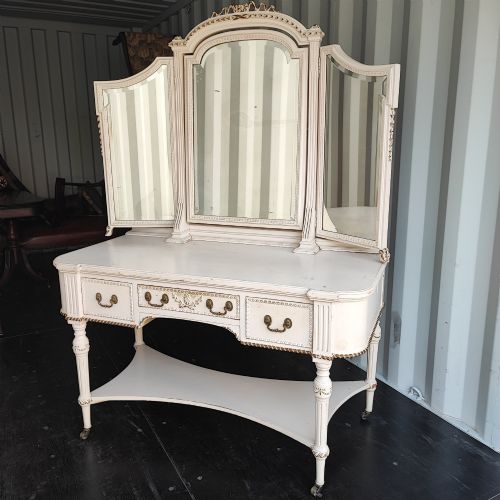
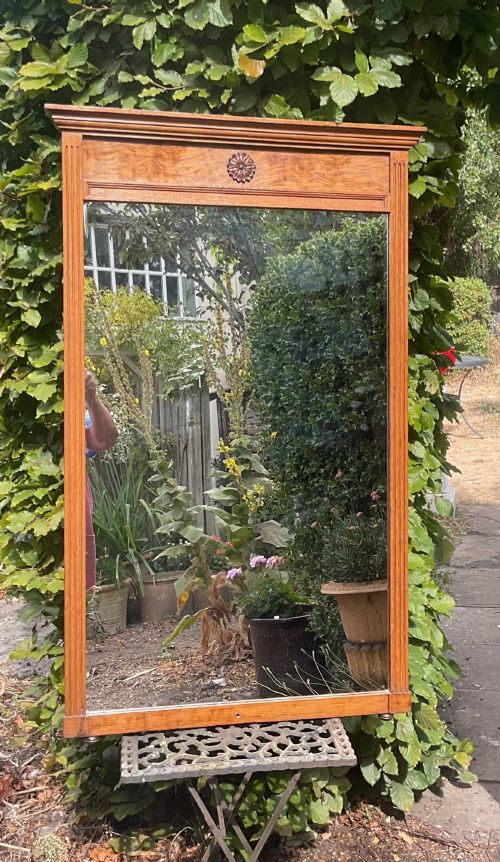
The objects take many forms, including swing mirrors on stands, easel-backed table pieces, and larger dressing table configurations in oak, mahogany, and walnut. Table mirrors and wall-hanging variants predominate, often featuring carved wooden frames that anchor a room's decorative scheme.
How they were made
Timbers such as mahogany, walnut, and oak form the structural core of these items, shaped by hand or turned on lathes to create frames, stands, and supports. Cabinetmakers utilised dovetail joints for stability in the smaller drawers often incorporated into dressing glass bases.
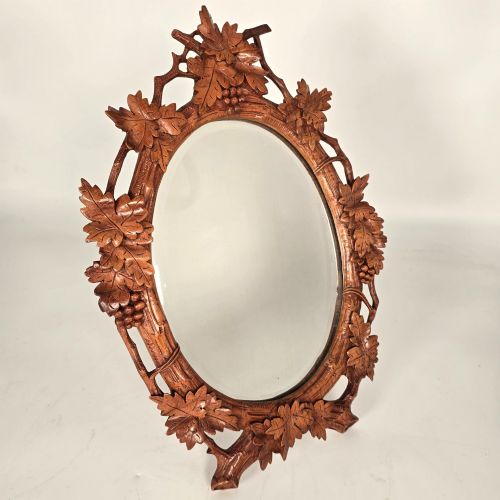
Carving and surface decoration draw on techniques like gesso application, giltwood finishing, and inlaid bone, mother-of-pearl, or ivory. Lime wood and fruitwood lent themselves to the deep relief work seen in Swiss and Black Forest pieces.
Angels, pagodas, and forest flora peer out from the carved frames, proving that past generations took their reflections with a healthy dose of theatre.
What varies in quality
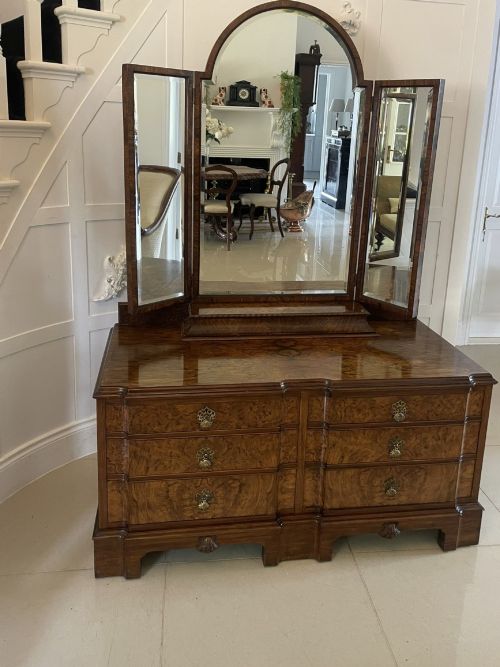
The depth and crispness of the hand-carved detail separate ordinary production from superior examples, particularly where floral reliefs or figural motifs meet the wood. Timber selection also dictates merit, with burr walnut and Cuban mahogany commanding attention for their natural grain patterns.
Originality of the glass plate and backing boards influences the standing of a piece, alongside the integrity of the pivoting mechanism and structural joints. Proportions that feel balanced and harmonious indicate a maker working at the height of their skill.
P & MA Nicholson·Maples of London and Paris·Heals
The Carved Vanity Mirror Glossary
- Toilet mirror
- A smaller mirror designed to sit upon a chest of drawers or a dedicated dressing table. These often incorporate small drawers in the base for trinkets.
- Cheval mirror
- A large, freestanding floor mirror mounted on a vertical frame that allows it to swing through an arc. They permit the viewer to see their full outfit.
- Giltwood
- Wood that has been coated with a thin layer of gold leaf over a prepared gesso ground. It provides a reflective surface that catches natural light.
- Gesso
- A plaster-like mixture applied to wood surfaces to create a smooth base for gilding or painting. It can be moulded into relief ornamentation before drying.
- Mashrabiya
- An architectural element adapted into decorative woodwork, featuring intricate wooden lattices inlaid with bone and mother-of-pearl.
- Burr walnut
- A prized timber veneer taken from the growth irregularities on a walnut tree. It yields highly decorative, swirling grain patterns.
Carved Vanity Mirror: Frequently Asked Questions
What is the difference between a toilet mirror and a dressing mirror?
A toilet mirror sits upon a table or chest and is generally smaller, intended for close-up grooming of the face and hair. A dressing mirror often forms part of a larger dressing table or cheval arrangement designed for viewing an entire outfit.
Both types utilise pivoting frames, but their scale and placement within a bedchamber differ according to their original domestic function.
How do I care for an antique carved wooden frame?
Keep the wood away from direct sunlight and sudden temperature shifts to prevent the timber from drying out or splitting. Dust gently with a dry, soft cloth and avoid modern aerosol polishes that leave residues.
For gilded or gesso surfaces, extreme care is required to avoid flaking the delicate outer layer. Professional conservation is advised if structural cleaning becomes necessary.
Are all these mirrors adjustable?
Many table and dressing mirrors feature brass screw pins, side arms, or swivel pivots that allow the glass to tilt at various angles. This adjustability was essential for directing light onto the user's face during morning routines.
Fixed wall mirrors do not tilt, whereas easel-backed table variants rely on a hinged rear strut to alter their angle.
How can I tell the period of a carved mirror?
Stylistic clues such as Rococo curves, Georgian proportions, or Edwardian inlaid motifs point directly to the era of manufacture. Examining the construction methods, screw types, and timber choice provides further confirmation.
Secondary woods used in the backing boards and drawer linings often reveal age through tool marks and oxidation patterns.