
Antique Bedroom Compactum
An antique bedroom compactum combines wardrobe, drawer, and shelving space into one substantial piece designed to organise clothing comprehensively.
Antique Bedroom Compactum
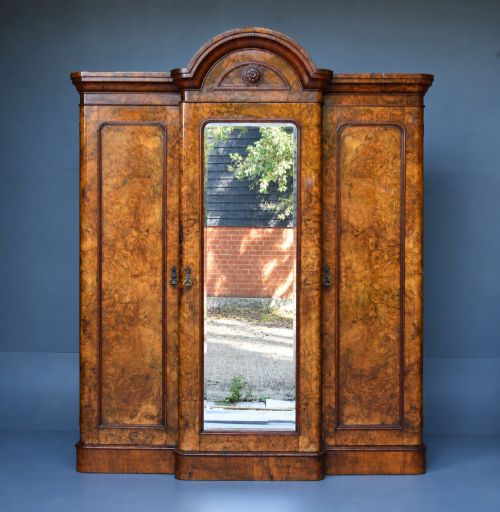
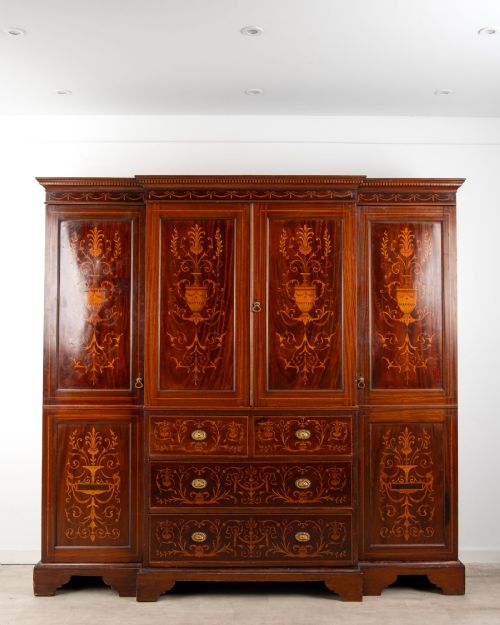
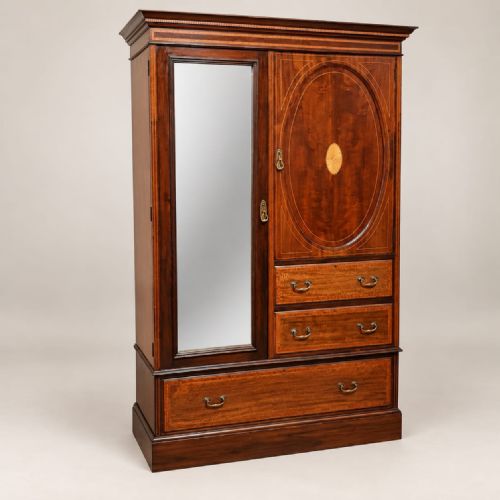
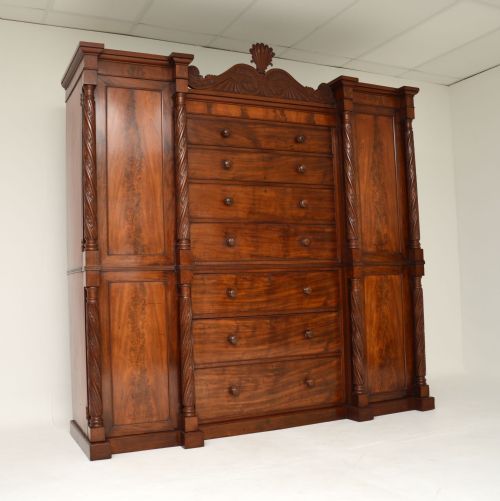
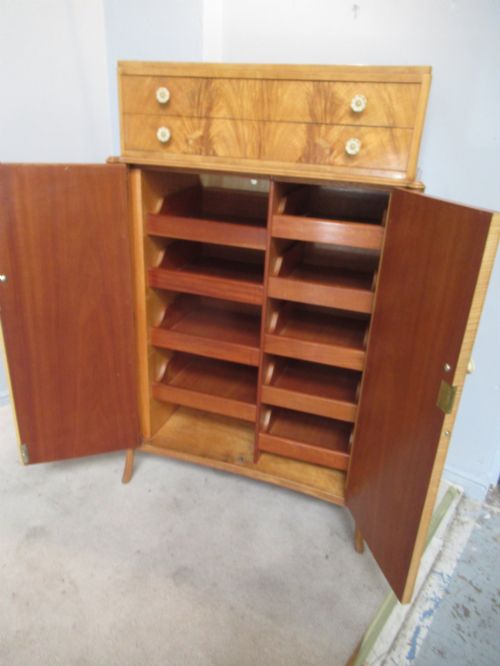
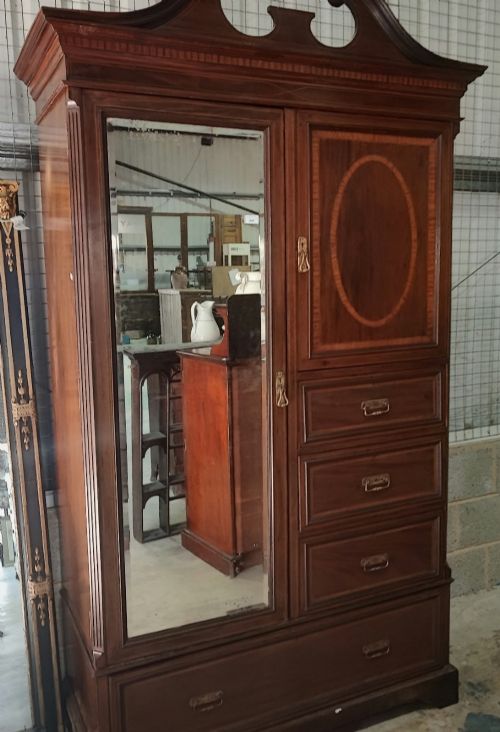
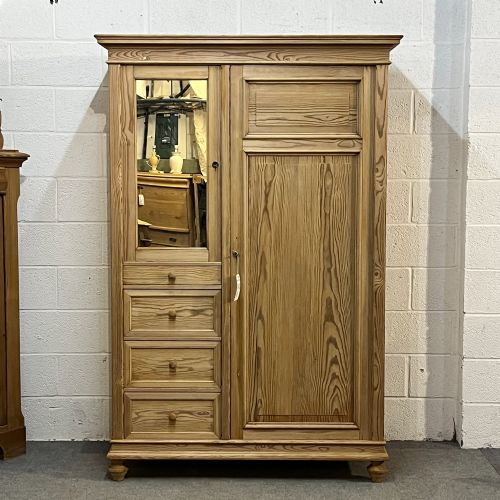
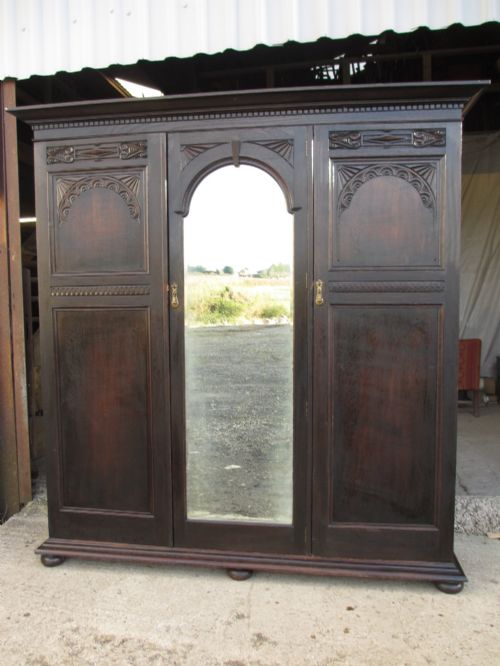
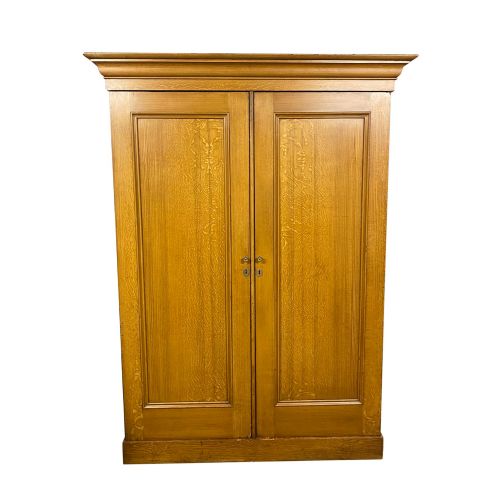
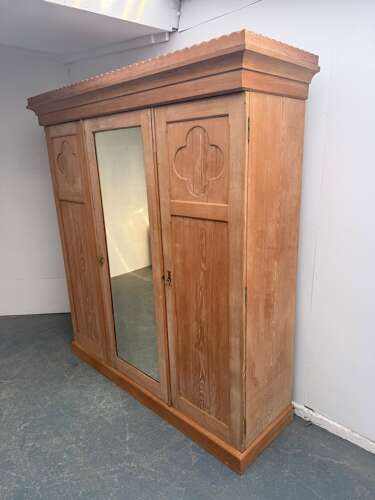
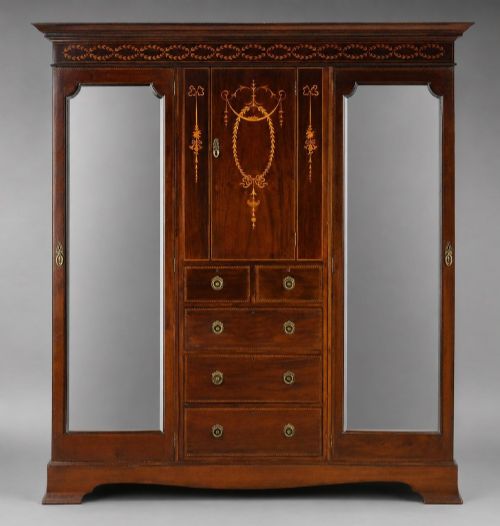
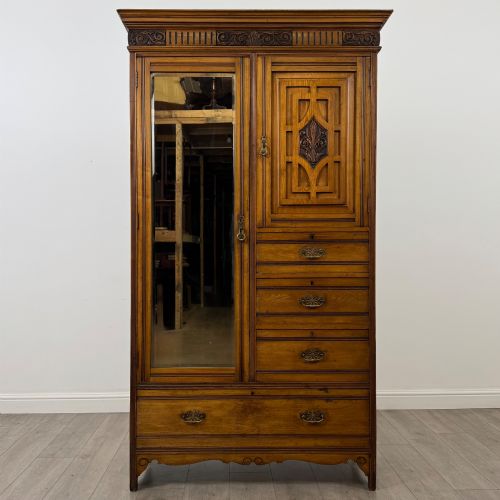
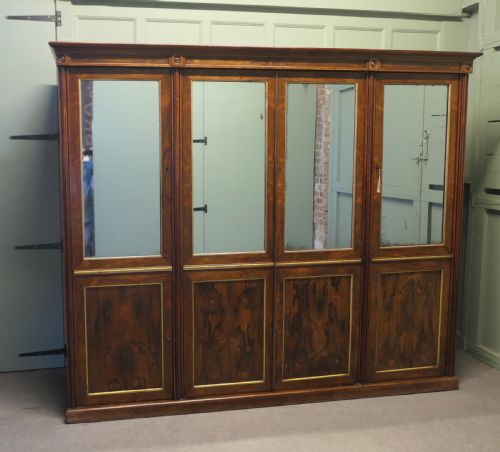
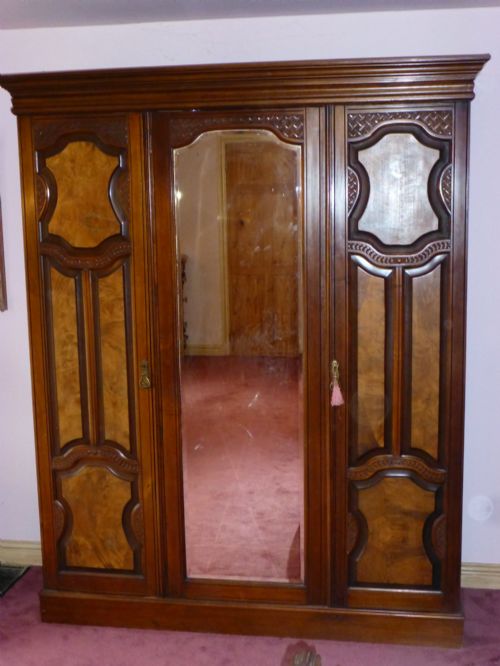
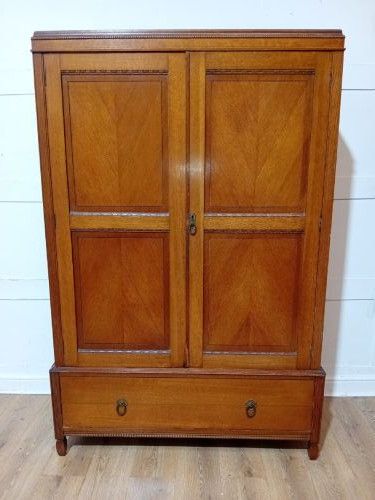
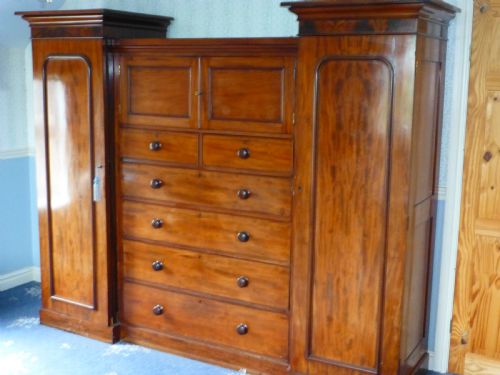
An antique bedroom compactum provides multifaceted storage within a single large case furniture piece, uniting hanging space with internal drawers and shelves. Buyers searching for an antique bedroom compactum encounter varied forms originating principally from the Victorian and Edwardian periods, alongside examples from the 1930s. These items often appear as triple wardrobes, combination wardrobes, or linen presses that house diverse compartments behind panelled or mirrored doors.
The materials span mahogany, walnut, burr walnut, oak, ash, and satinwood, reflecting the cabinet-making preferences of the nineteenth and early twentieth centuries. Many pieces incorporate decorative inlays, carved details, or glazed panels, aligning with styles such as Arts and Crafts, Art Deco, and Edwardian Neo-Classical. Meeting these pieces on this page reveals their versatility in bedroom storage, adapting traditional craftsmanship to comprehensive clothing organisation.
Materials and construction methods
Cabinet makers constructed the foundational carcase and external surfaces using timbers like solid mahogany, oak, and ash, frequently applying veneers of burr walnut or satinwood to display rich grain patterns. Drawer linings and internal dividers typically utilise secondary softwoods or oak, assembled with traditional jointing techniques to ensure stability across large multi-section wardrobes.
Surface finishing involved hand-polishing with wax or shellac, though examples also record painted finishes such as scumble faux oak or hand-painted panels. Brass hardware, including hanging hooks, locks, and handles, secured the heavy doors and internal drawers, while bevelled glass appeared frequently in mirrored door variants.
Listings feature compactums spanning the Victorian and Edwardian eras through to the 1930s, constructed in mahogany, walnut, oak, ash, and satinwood.
Distinctions in craftsmanship and design
The hierarchy of quality in these large storage pieces rests upon the selection of timber veneers, the precision of internal cabinetry, and the integration of diverse storage sections. Superior examples display carefully matched burr walnut or figured mahogany grains across expansive surfaces, maintaining structural integrity without warping in large door panels.
Advanced construction shows in secondary woods, finely cut dovetails on internal drawers, and robust brass fittings that support heavy mirrored doors over decades of use. Simpler versions rely on plain pine or painted finishes, where the utility of the storage design takes precedence over decorative cabinet-making flourishes.
Edwards and Roberts·Holland and Sons·Harris Lebus·Gillows·Shapland and Petter·Lamb of Manchester·Maple and Co
The Antique Bedroom Compactum Glossary
- Compactum
- A multi-functional wardrobe featuring a combination of hanging space, internal drawers, and shelving within a single piece of furniture. It is designed to maximise bedroom storage efficiency.
- Breakfront
- A cabinet design where the central section projects forward from the flanking wings. This architectural arrangement adds depth and visual interest to large wardrobes.
- Scumble
- A decorative paint technique used to imitate the grain pattern of finer timbers like oak. Artisans apply a translucent top glaze over a lighter base coat and work the surface with tools.
- Linen Press
- A tall storage piece containing sliding trays or shelves in the upper section and drawers below. Originally used for storing household linens before hanging wardrobes became standard.
Antique Bedroom Compactum: Frequently Asked Questions
What is an antique bedroom compactum?
An antique bedroom compactum is a large multi-functional storage unit that combines wardrobe hanging space with internal drawers, shelves, and sometimes linen presses in one piece of furniture.
Cabinet makers designed these items during the nineteenth and early twentieth centuries to provide complete clothing organisation within a single bedroom case piece.
How do I fit a large compactum in my room?
Measure your ceiling height and wall space carefully, accounting for the substantial depth and width typical of triple wardrobes and combination units. Many pieces separate into modular sections or individual robes, which assists with transport and manoeuvring into older properties.
Ensure adequate clearance for doors to swing open fully, particularly on designs featuring central mirrored panels or breakfront projections.
How do I distinguish Victorian from Edwardian pieces?
Victorian examples often employ darker, heavier timbers like flame mahogany and burr walnut, frequently featuring rich carving, deep cornices, and substantial proportions. Edwardian pieces tend to display lighter woods such as satinwood, ash, and inlaid mahogany, reflecting a shift towards airier bedroom aesthetics.
Arts and Crafts and Art Deco variants introduce geometric simplicity, exposed joinery, or contrasting birch veneers depending on the decade of manufacture.
How should I care for wood surfaces?
Maintain the polished timber by dusting regularly with a soft, dry cloth and applying natural beeswax periodically to nourish the grain and preserve the finish. Avoid placing these large wooden pieces near direct heat sources or strong sunlight, which can dry out veneers and cause timber to split.