
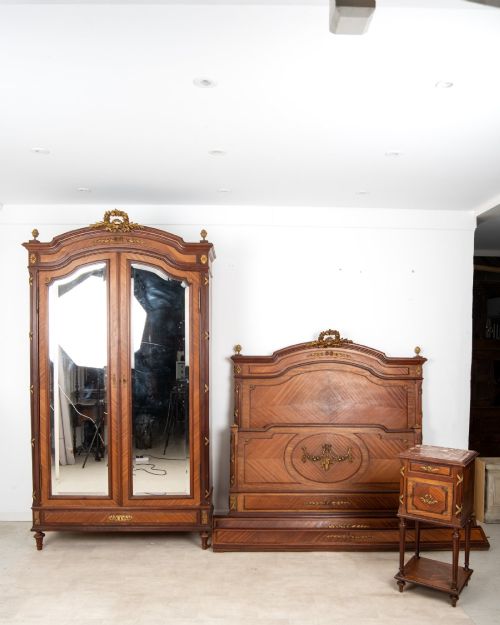
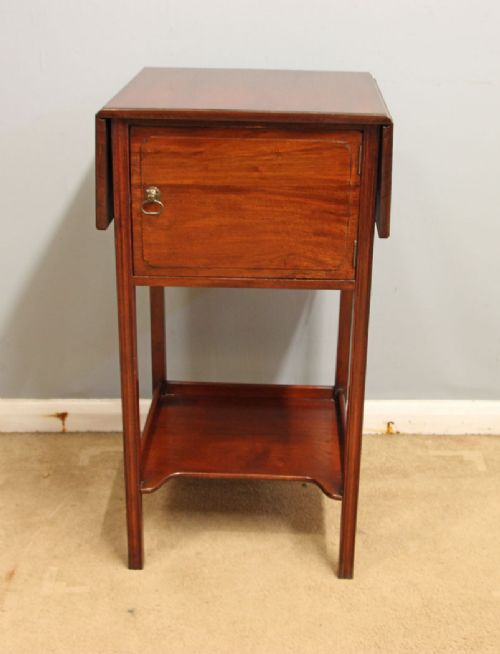
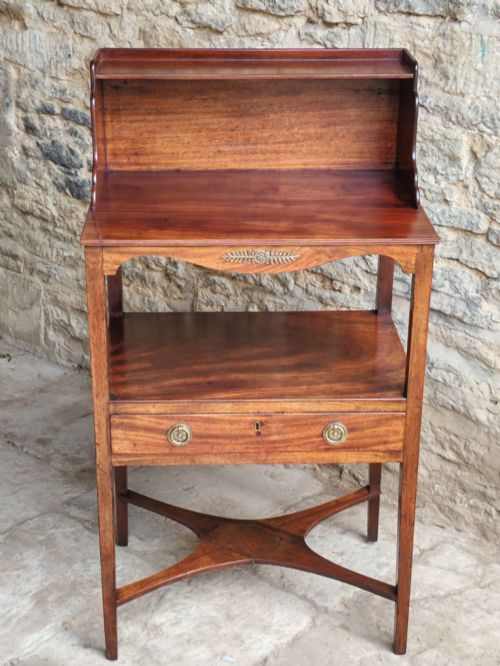
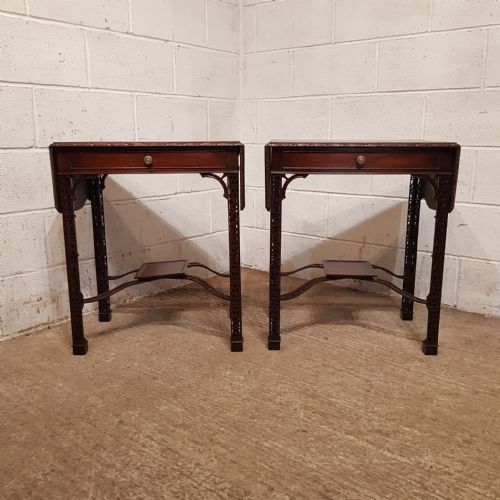
Antique Bed Nightstand
An antique bed nightstand provides bedside storage and surface space while anchoring a bedroom scheme with period character.
Antique Bed Nightstand
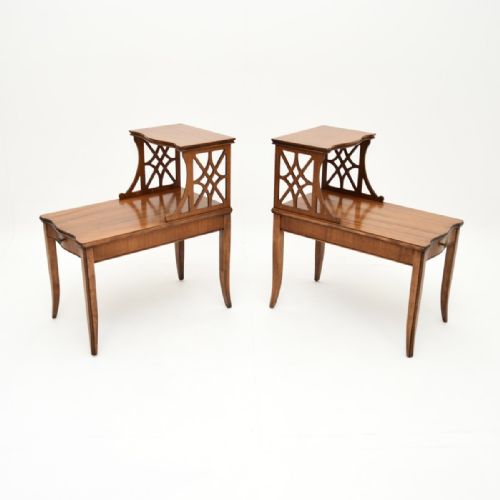
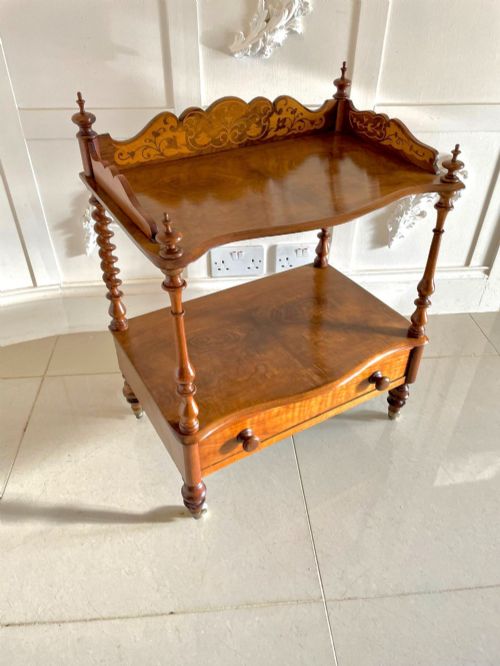
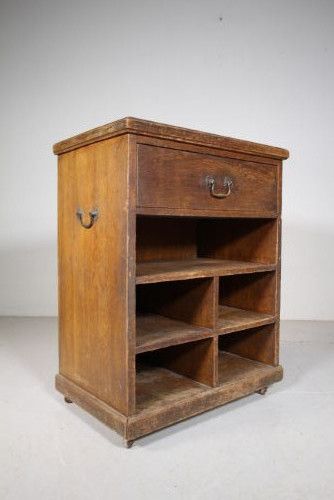
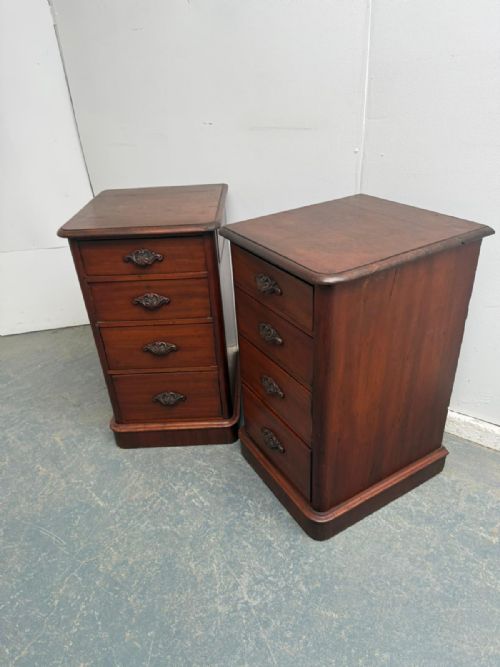
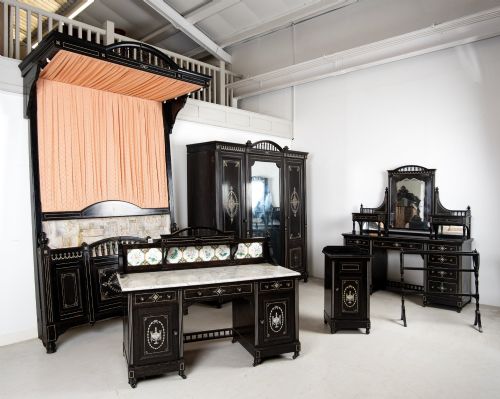
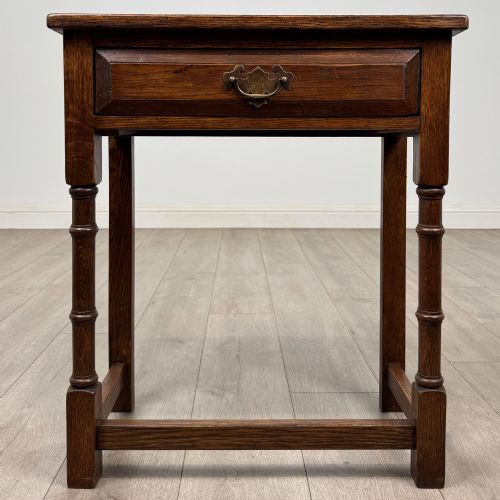
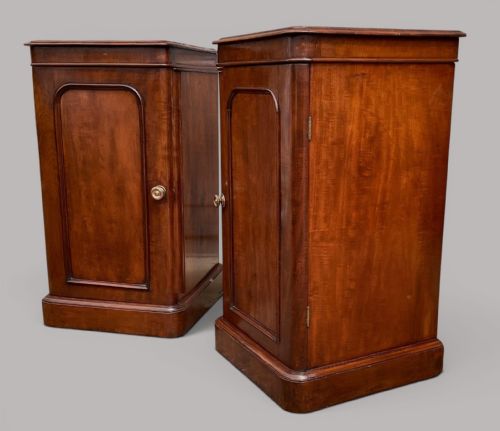
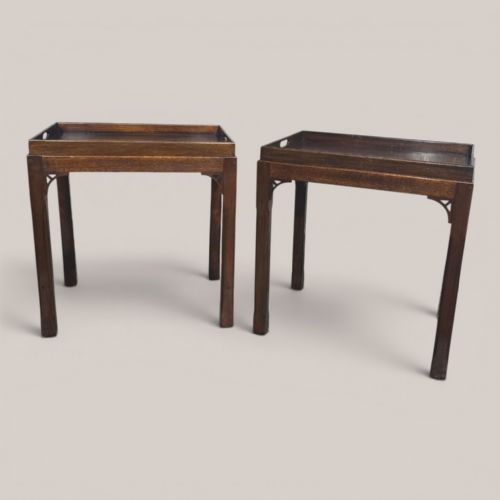
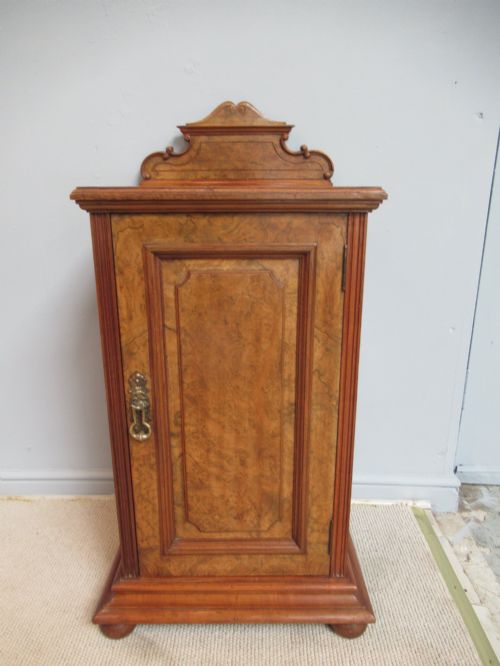
When searching for an antique bed nightstand, buyers encounter diverse forms ranging from enclosed cupboards and drawer chests to open lamp tables originating from the Georgian, Victorian, Edwardian, and Art Deco eras.
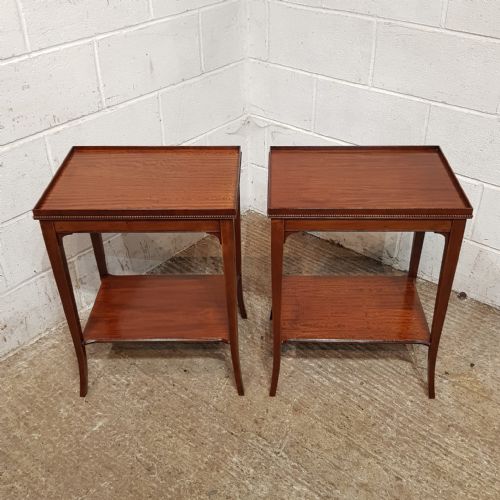
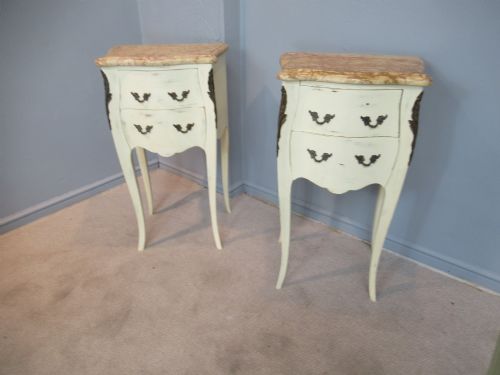
The selections span English mahogany pieces from the eighteenth and nineteenth centuries alongside French and Italian walnut variants, frequently appearing as matched pairs to flank a bedstead.
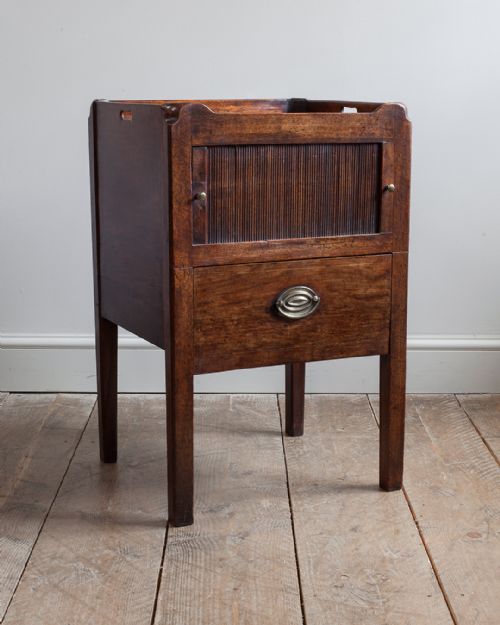
Makers utilised various formats including cylindrical cupboards, tambour doors, and marble-topped nightstands designed to coordinate with larger bedroom suites.
Materials and Construction
Cabinetmakers constructed these pieces primarily using solid mahogany, burr walnut, and oak, often applying figured veneers to curved surfaces and drawer fronts for visual depth.
Details such as brass hardware, inlaid marquetry, and inset marble tops indicate the finishing techniques applied across different regional workshops during the nineteenth and early twentieth centuries.
Some Regency versions hide a pull-out step inside, proving that early morning descents required proper engineering.
Assessing Craftsmanship
Superior examples demonstrate careful timber selection, such as matching flame mahogany or burr walnut grains across multiple drawers and doors, alongside precise joinery in drawer linings.
The integration of secondary timbers, original hardware, and refined carving or inlay work separates standard utility pieces from high-status commissions created by prominent cabinet-making firms.
Holland and Sons·Gill and Reigate·Gillow and Co
The Antique Bed Nightstand Glossary
- Nightstand
- A small low table or cabinet placed beside a bed for holding personal items and lighting. These items developed various door and drawer configurations over successive centuries.
- Tambour
- A sliding door made of narrow vertical strips of wood glued to a canvas backing. This mechanism allowed access to enclosed compartments in restricted bedside spaces.
- Marquetry
- Decorative veneer work formed by fitting pieces of various coloured woods into a design. Craftsmen applied this technique to tabletop and drawer surfaces on continental pieces.
- Pedestal
- A cylindrical or columnar support structure used beneath a cabinet body. This form appeared frequently in Regency and Victorian designs.
- Tray-top
- A raised rim around the upper surface of a small table or cabinet designed to prevent objects from rolling off. This feature is common on Georgian bedside pieces.
Antique Bed Nightstand: Frequently Asked Questions
What is an antique bed nightstand?
An antique bed nightstand is a small piece of furniture designed to sit beside a bed, providing a surface for lamps and enclosed storage for personal items.
These items range from simple open tables to enclosed cupboards and multi-drawer chests produced across various historic periods.
How were nightstands used historically?
Historically, these cabinets held chamber pots, nighttime water pitchers, books, and candles before electric lighting became common in domestic bedrooms.
Many examples include pull-out shelves or specialised compartments to accommodate these specific nightly domestic duties.
Are nightstands usually found in pairs?
Many surviving examples were created as matching pairs to flank a larger bedstead, particularly within Edwardian and Art Deco bedroom suites.
Single pieces also appear frequently, often originating from earlier Georgian and Victorian periods when bedside furniture was not strictly standardised as sets.
How do I identify the period of a nightstand?
Period identification relies on observing the primary woods, construction techniques, hardware styles, and overall aesthetic traits such as Georgian proportions or Art Deco curved veneers.
Comparing structural details against documented cabinet-making conventions helps narrow down the decade of manufacture.