

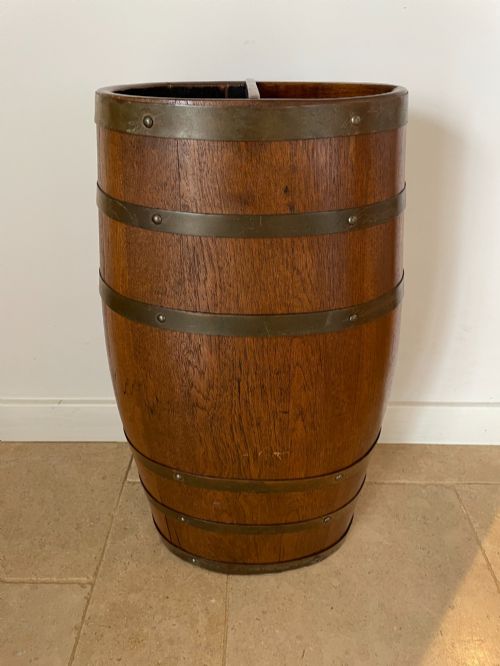


Antique Barrel Container
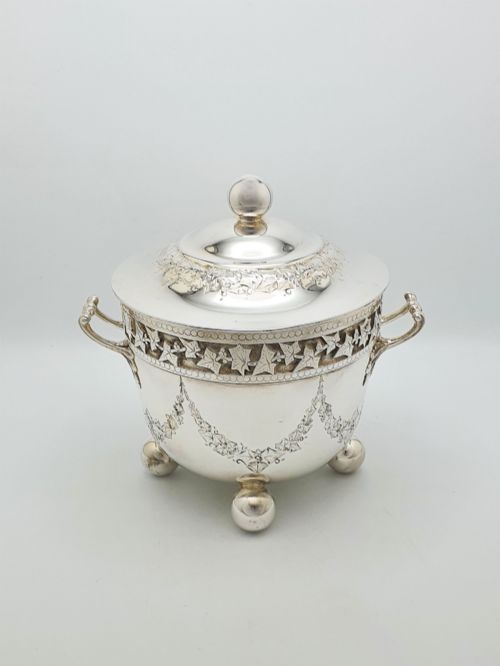
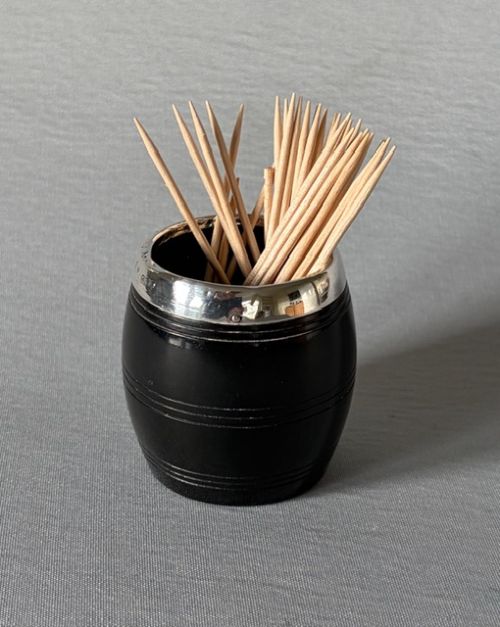
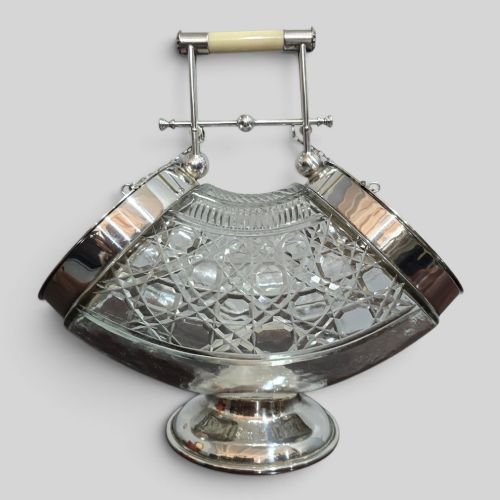
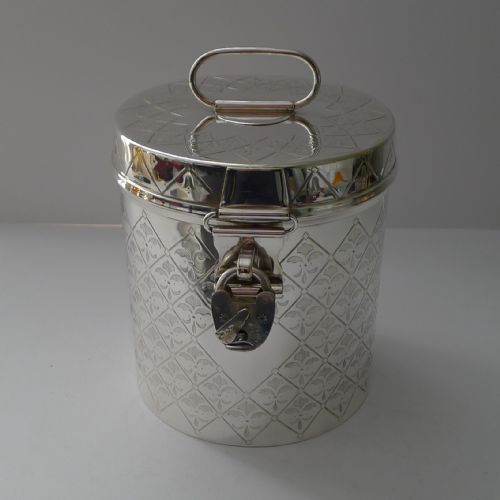
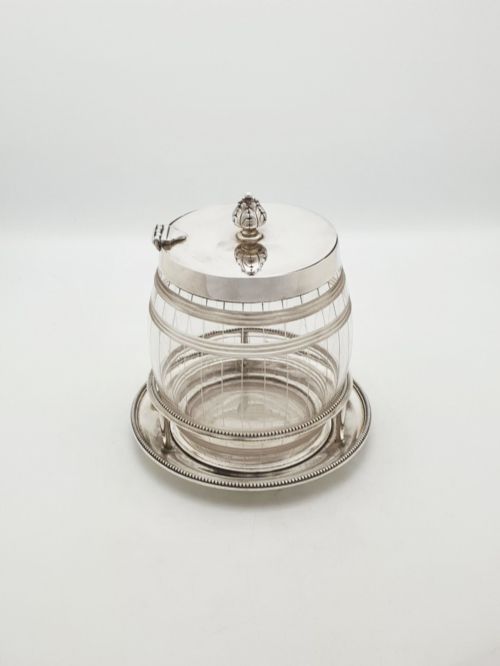
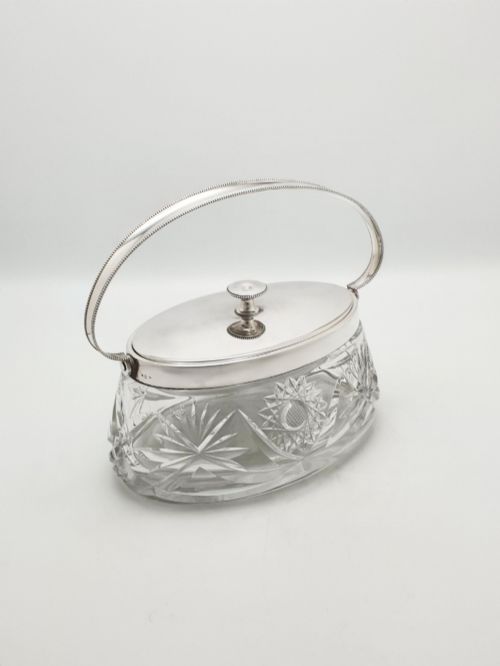
An antique barrel container serves practical domestic storage through robust coopered timber, cut glass, and gleaming silver plate.
Antique Barrel Container
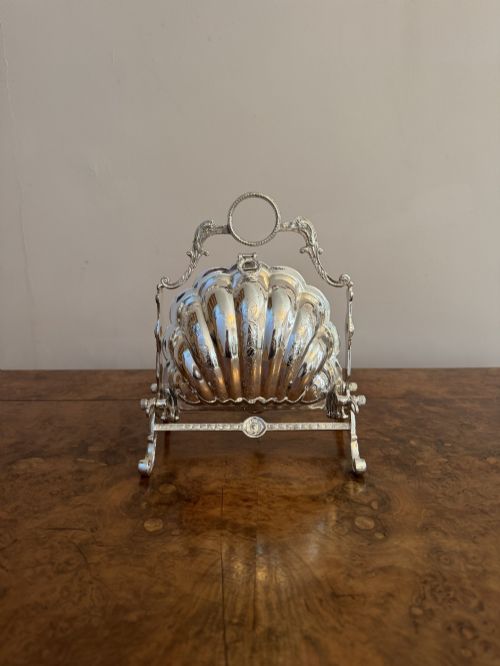
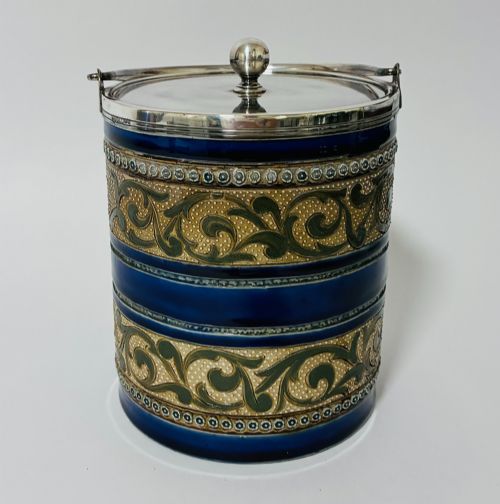
The antique barrel container grouping encompasses a diverse range of cylindrical vessels primarily designed for domestic hospitality and storage, with biscuit barrels representing a significant proportion of the items encountered here.
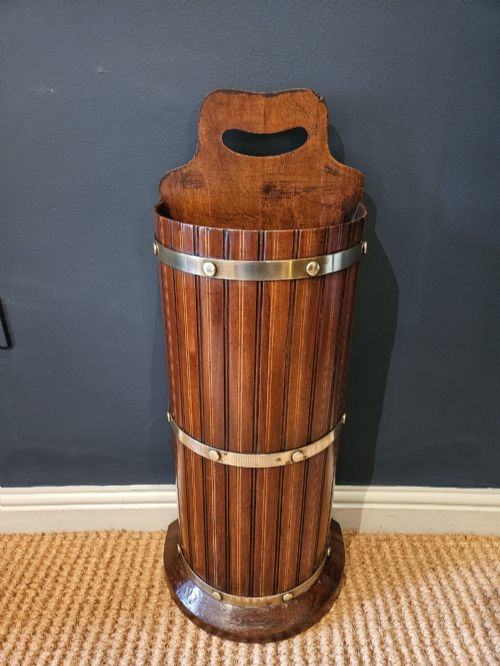
Buyers also encounter larger hall stands and storage bins executed in oak and yew wood, alongside ceramic examples produced by factories such as Doulton Lambeth and Wedgwood.
The pieces span from the Georgian period through the Victorian and Edwardian eras, reflecting changing social habits in British households where dry foodstuffs and personal items required secure containment.
Materials and construction
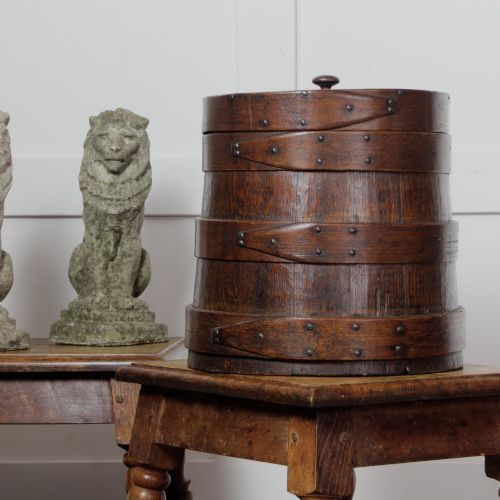
Traditional cooperage techniques shape staves of oak, sycamore, and lignum vitae into watertight or structurally sound cylinders bound with brass or iron hoops.
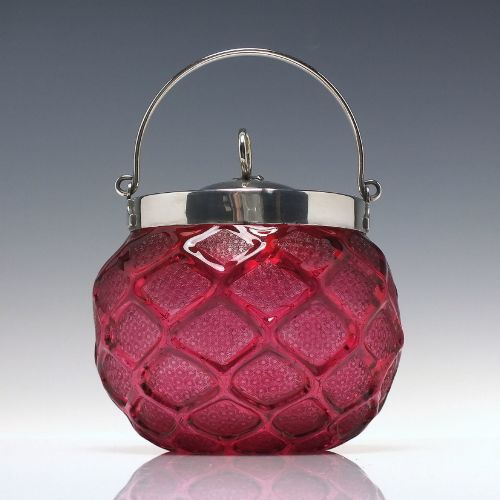
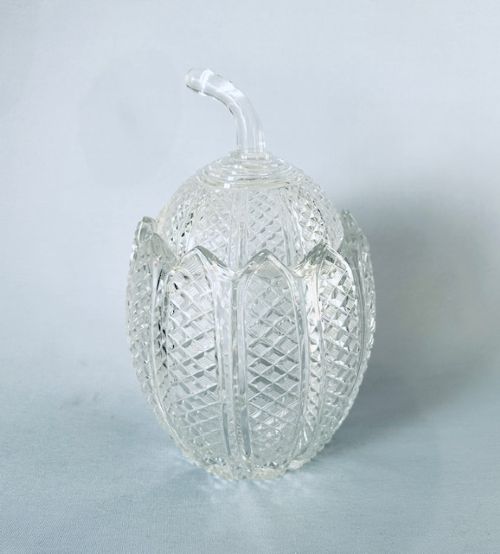
Glassware components utilise deep hobnail cutting and coloured cranberry glass, while ceramic bodies incorporate transfer-printed flow blue patterns and applied jasper ware reliefs.
Metal mounts, hinged lids, and swing handles combine sterling silver, silver plate, and copper to complete the functional hardware of these vessels.
Antique Barrel Container Retail Price Guide 2026
Typical asking prices for barrel container among the pieces listed under this phrase on Sellingantiques today, from the lower quarter to the upper quarter. They describe what is for sale here now, not the wider market.
Materials span oak, cranberry glass, stoneware, and silver plate across pieces originating from the Georgian period to the Edwardian era.
Assessing the manufacture
The precision of the cooper's joinery and the snugness of the stave fit distinguish superior timber containers from simpler utilitarian items.
In silver-plated and ceramic examples, the crispness of the chasing on mounts and the depth of the glass cutting dictate the standard of execution.
The integration of maker-marked hardware and fully hallmarked silver elements separates standard production pieces from higher-tier workshop output.
Mappin and Webb·Elkington·WMF·Doulton Lambeth·Wedgwood
The Antique Barrel Container Glossary
- Coopered
- Constructed from wooden staves bound together with metal or wooden hoops. This technique provides the structural strength required for vessels holding grain, liquids, or umbrellas.
- Biscuit barrel
- A covered container designed to keep dry baked goods fresh on the dining table. They frequently combine ceramic bodies with silver-plated mounts and swing handles.
- Jasper ware
- A fine-grained, unglazed stoneware developed by Wedgwood, typically featuring moulded white classical reliefs against a coloured matte background.
- Silver plate
- A layer of silver bonded to a base metal core, commonly used for the rims, lids, and swing handles of late nineteenth-century glass and ceramic containers.
- Lignum vitae
- A dense, heavy tropical hardwood prized for its durability and rich natural oils, often turned on a lathe to create solid receptacles such as string barrels.
Antique Barrel Container: Frequently Asked Questions
What were antique barrel containers used for?
These vessels held dry food items like biscuits, flour, and tobacco, while larger coopered versions functioned as umbrella stands and coal hods in hallways.
Their variety reflects the specific storage needs of Georgian, Victorian, and Edwardian domestic life.
How do I care for silver plated mounts?
Clean silver plate gently with a soft microfibre cloth to remove dust and tarnish without abrading the thin metal layer.
Avoid harsh chemical dips that strip the plating from the underlying base metal.
Are ceramic biscuit barrels fragile?
Ceramic and glass bodies require careful handling because accidental impacts can chip earthenware or fracture cut glass.
Storage away from high-traffic zones prevents unnecessary wear on handles and hinged lids.
How can I tell a Victorian barrel from a Georgian one?
Georgian examples often display simpler geometric cutting in glass or heavier solid timber construction without elaborate metal mounts.
Victorian and Edwardian versions frequently incorporate silver plate, applied finials, and distinct maker marks associated with large firms.