





Antique Baroque Frame
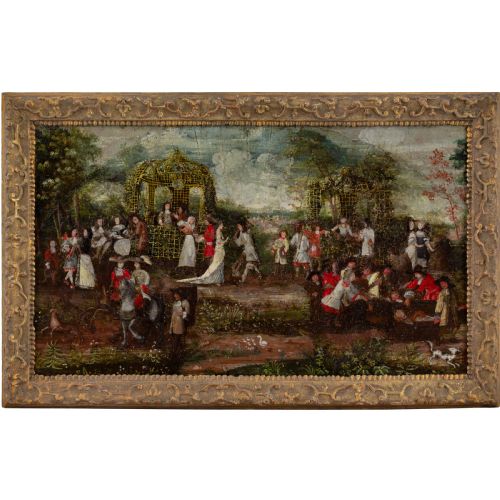
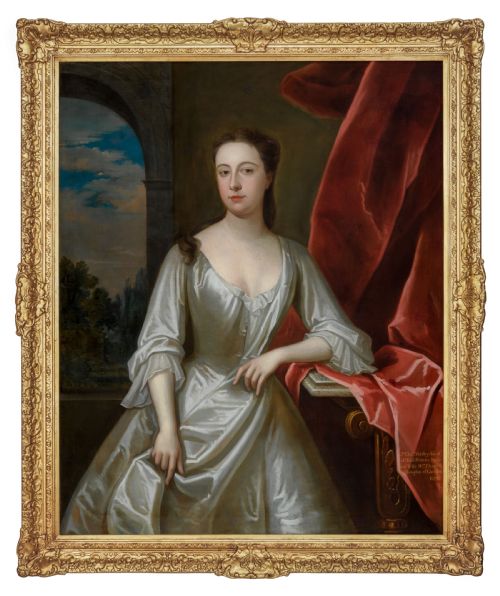
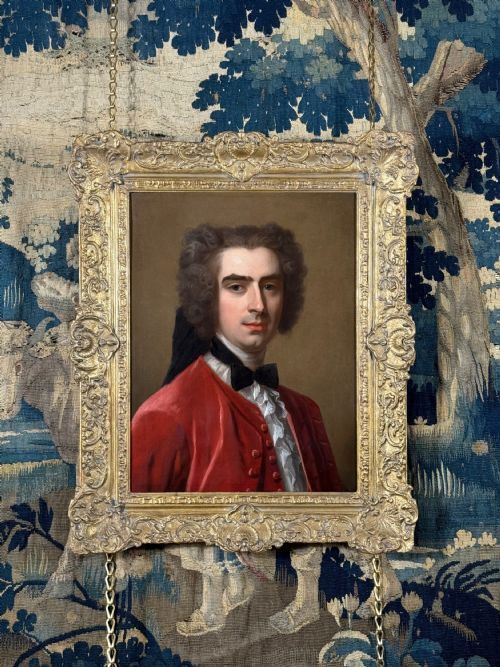
An antique baroque frame brings dramatic carved presence and historic weight to oil paintings, prints and wall mirrors.
Antique Baroque Frame
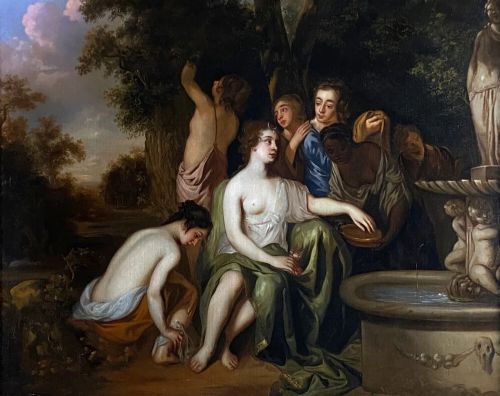
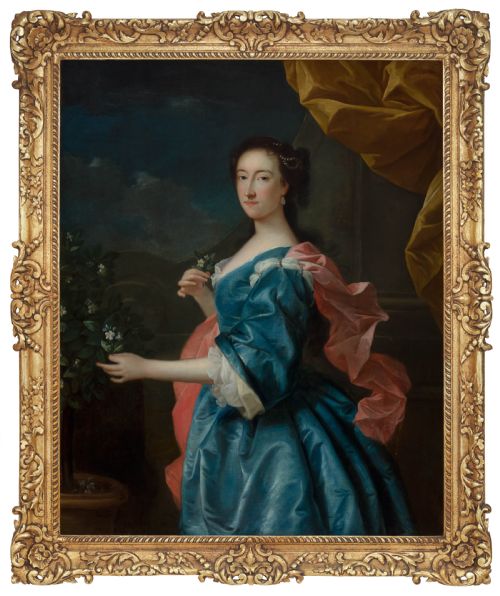
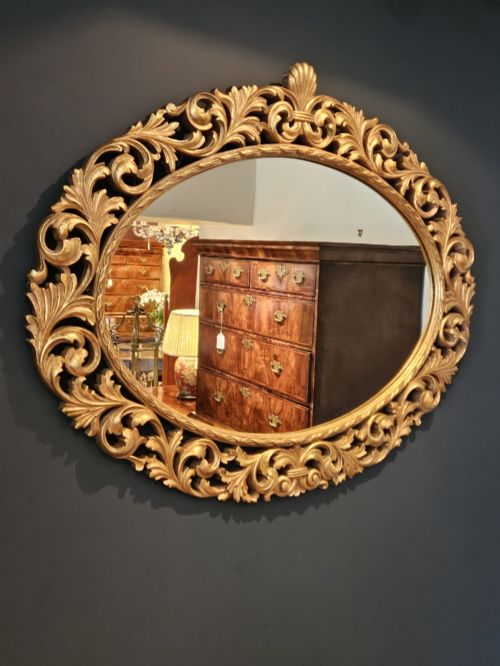
An antique baroque frame typically houses oil on canvas portraits, classical mythologies, and wall mirrors dating from the seventeenth, eighteenth, and nineteenth centuries, alongside later revival pieces.
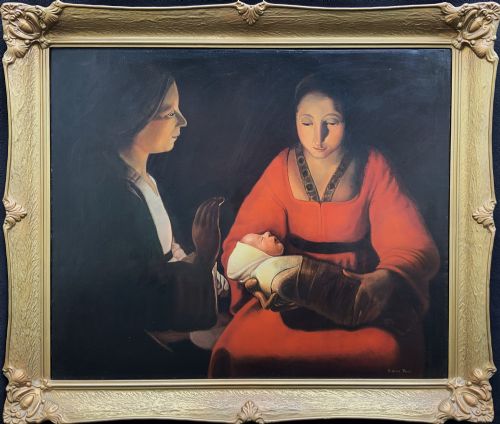
Mouldings and surrounds display deep sculptural relief, often taking the form of carved timber, giltwood, or gesso work with floral motifs.
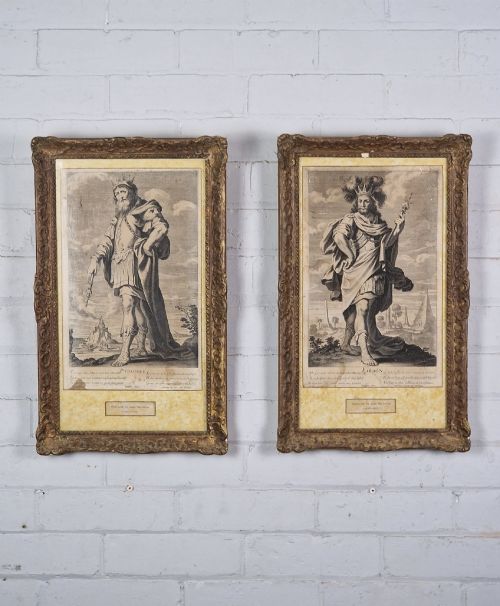
The selection ranges from British and Dutch baroque examples to ornate Italian Florentine gilt wood mirrors and French engravings.
Materials and construction methods
Carved timber and wood form the foundational structure for these surrounds, providing a robust base for intricate ornamentation.
Giltwood and gold leaf are applied over prepared surfaces, catching light across the deep cavetto profiles and scrolled decoration.
Gesso layers provide the smooth ground necessary for crisp moulding and detailed floral or classical motifs.
Several portraits feature subjects clutching oranges, a seventeenth-century symbol of wealth and status that demanded its own botanical showcase.
Assessing quality in construction and finish
Depth of carving and the crispness of the gesso relief separate masterwork execution from simpler production.
The integrity of the original gilding and the harmony between the painting or mirror and its housing dictate the piece's authority.
Period authenticity in the joinery and surface wear distinguish seventeenth and eighteenth-century examples from later nineteenth-century revivals and twentieth-century interpretations.
The Antique Baroque Frame Glossary
- Giltwood
- Wood that has been coated with gold leaf or gold paint. This finish creates a luminous surface that defines elaborate mouldings.
- Gesso
- A plaster-like mixture applied to wood surfaces to create a smooth base for carving or gilding. It allows for sharp, intricate relief work.
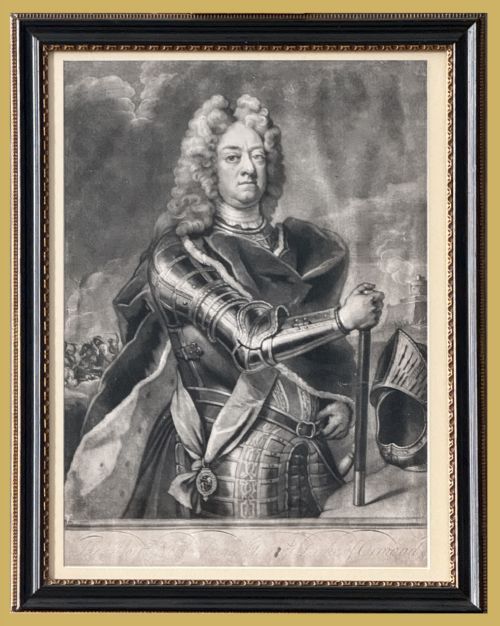
- Mezzotint
- A printmaking process of the intaglio family where tones are created by roughening the metal plate. These prints often appear within period surrounds.
- Oil on Canvas
- Pigment mixed with drying oil applied to stretched fabric. This medium represents the primary artwork type found inside these historic surrounds.
- Baroque Revival
- A nineteenth or twentieth-century style imitating seventeenth-century aesthetics. These later interpretations adopt the heavy ornamentation of earlier eras.
Antique Baroque Frame: Frequently Asked Questions
How do I date an antique baroque frame?
Dating relies on examining the underlying wood construction, the composition of the gesso, and the tool marks left by the maker. Seventeenth and eighteenth-century examples show hand-carved joinery and specific patina patterns distinct from later revivals.
Style also offers clues, as seventeenth-century British and Dutch pieces differ significantly from nineteenth-century Italian Florentine work or twentieth-century interpretations.
Can I put a modern mirror inside one?
Many historic surrounds house wall mirrors or can be adapted by a professional restorer to hold mirrored glass. Ensuring the rebate depth and structural support match the weight of the glass is essential.
Original wall mirrors from the period remain desirable, but pairing an antique surround with new glass offers a practical way to use these pieces in domestic interiors.
How do I clean giltwood safely?
Dusting gently with a soft, dry brush is the only safe method for fragile gold leaf and gesso surfaces. Moisture and modern cleaning solutions strip the delicate metallic leaf from the wood substrate.
Professional conservators should handle any deeper cleaning or consolidation of flaking gesso to preserve the historic surface integrity.
What artwork suits these frames?
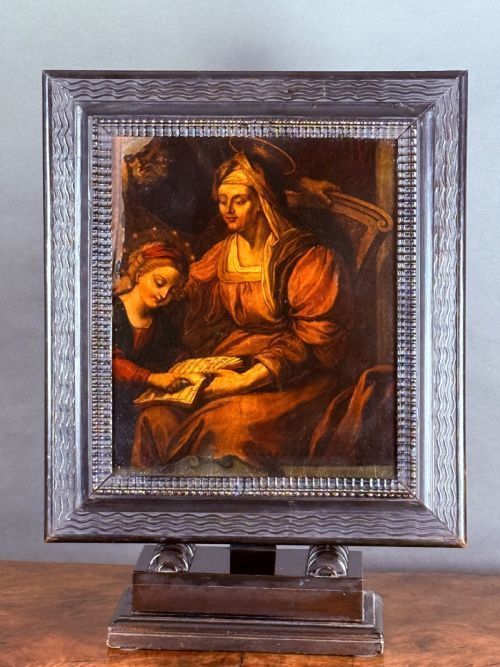
Oil paintings on canvas or panel, particularly seventeenth-century portraits, classical scenes, and old master works, pair naturally with these ornate surrounds. The dramatic scale and heavy carving complement the dark tones and subjects of historic paintings.
Engravings and mezzotints from the same period also work well when protected behind glass within the moulding.