




Antique Bagface
An antique bagface is a surviving fragment or complete front panel of a nomadic storage sack, offering rich tribal artistry for modern interiors.
Antique Bagface
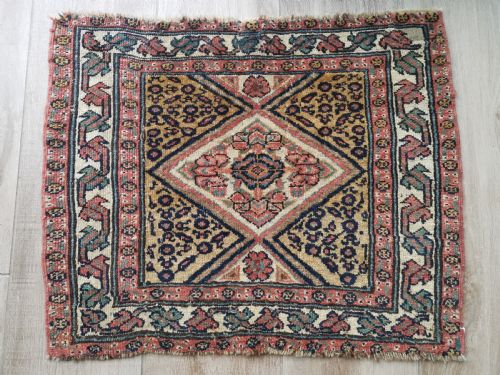
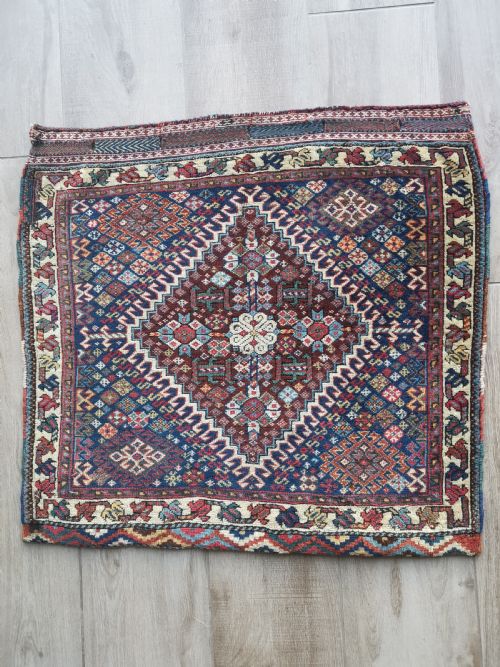
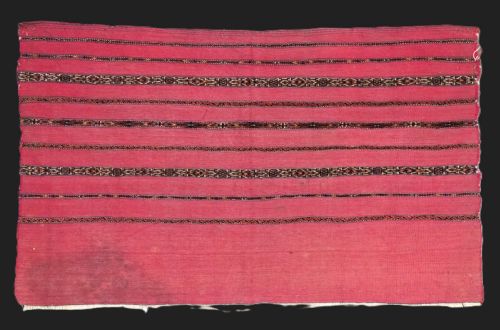
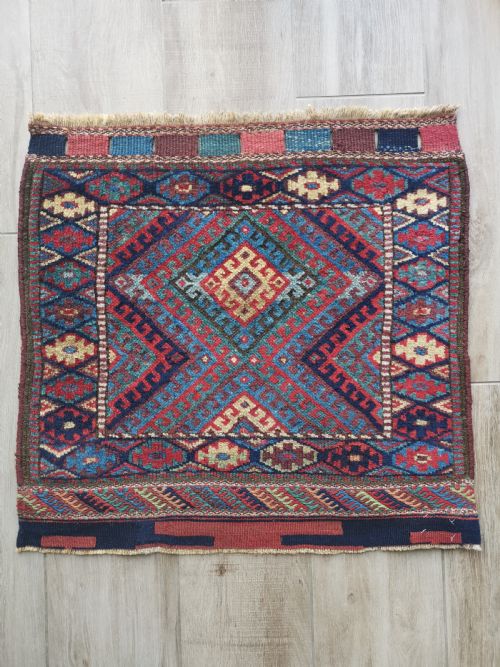
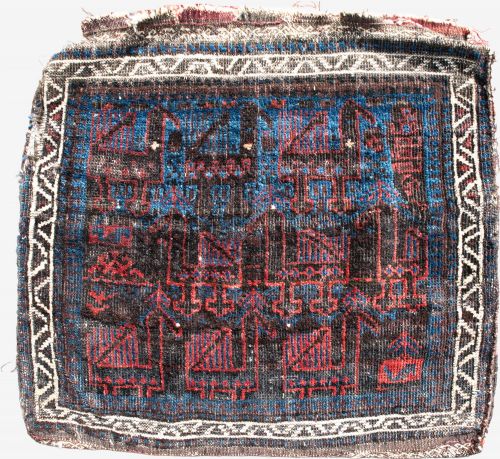
An antique bagface represents the decorative front of a utilitarian tribal container, detached from its original back panel or preserved as a compact textile. These pieces originate from nomadic and village weavers across Persia, Central Asia, and the Caucasus.
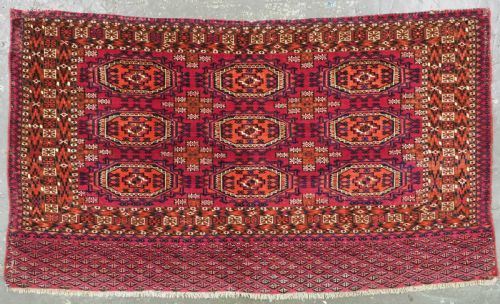
The most frequent examples encountered on this page belong to Turkmen tribal groups, alongside pieces attributed to Qashqai, Baluch, Jaf, and Khamseh weavers. They take the form of torba, chuval, or saddlebag faces designed for domestic storage and transport.
Makers produced these panels using traditional upright looms, incorporating wool and natural dyes into distinct regional patterns. Collectors prize them as portable galleries of indigenous weaving traditions.
How they were made
Weavers constructed each antique bagface using hand-spun wool and occasionally goat hair for structural durability along the edges. Natural dyes provide the palette, yielding deep madder reds, indigo blues, and earthy yellows that age gracefully over time.
The technique relies on dense knotting or flatweaving, often producing a fine weave designed to withstand nomadic daily use. Foundation threads typically combine wool and cotton, providing stability to the textile structure.
Antique Bagface Retail Price Guide 2026
Typical asking prices for bagface among the pieces listed under this phrase on Sellingantiques today, from the lower quarter to the upper quarter. They describe what is for sale here now, not the wider market.
Listings span the nineteenth and early twentieth centuries, featuring wool, cotton, and goat hair materials across Turkmen, Persian, and Baluch tribal styles.
What varies in quality
Quality in an antique bagface rests upon the precision of the weave and the saturation of the natural dyes. Denser knot counts and sharply defined tribal guls or bird motifs distinguish superior examples from simpler village work.
The integrity of the wool and the completeness of the original design borders also influence the standing of a piece. Finer dowry pieces often display intricate secondary ornamentation and superior handling of colour palettes.
The Antique Bagface Glossary
- Bagface
- The decorative front panel of a nomadic storage sack or saddlebag, preserved independently from the plain backing. It displays the primary tribal motifs and design field.
- Torba
- A small Turkmen storage bag wider than it is high, traditionally used inside a tent for household goods. These pieces frequently feature multiple guls across the field.
- Chuval
- A large Turkmen tent storage bag used for bedding and heavy belongings. Surviving faces show substantial tribal patterning and fine wool construction.
- Gul
- A repeating medallion or octagonal design motif central to Turkmen and other tribal carpets and bagfaces. Each tribe utilised characteristic forms to signal identity.
- Tubreh
- A Persian term for a bag or sack, often applied to nomadic storage pieces woven by Kurdish or Khorassan groups. They demonstrate regional colour combinations and weaving structures.
Antique Bagface: Frequently Asked Questions
What is an antique bagface used for?
Nomadic tribes originally utilised these functional panels as storage sacks for bedding, clothing, and travel gear on pack animals.
Today, collectors mount them on walls, display them on tables, or convert them into small cushions and decorative mats.
How do I identify a Turkmen bagface?
Turkmen pieces typically feature repeating octagonal gul motifs, deep red madder grounds, and precise geometric borders.
Specific sub-tribes like the Tekke, Yomut, or Ersari incorporate distinct structural details and secondary ornamentations.
Are these pieces made of natural materials?
Traditional nomadic weavers relied entirely on hand-spun sheep wool, goat hair, and occasionally cotton foundation threads.
Colour comes from natural dyes derived from plants and minerals, which impart a characteristic soft patina over the decades.
How should I care for a textile bagface?
Protect the wool from direct sunlight and damp conditions to preserve the integrity of the natural dye colours.
Gentle surface vacuuming without a rotating brush maintains the pile and removes dust safely.