



Antique Baccarat Glasses
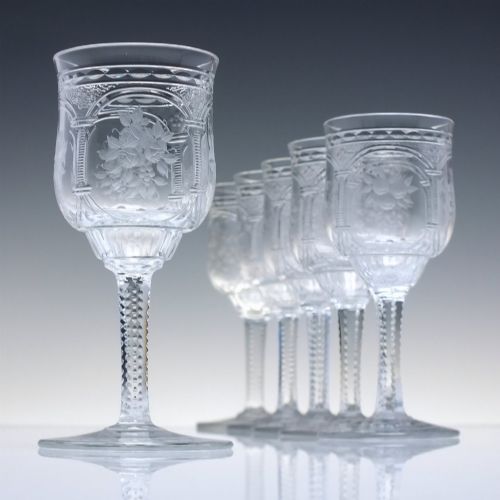
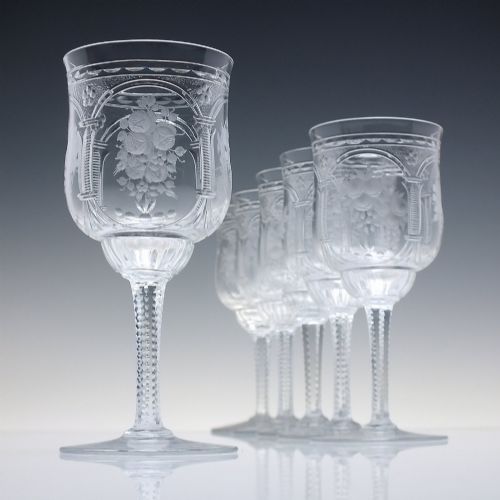
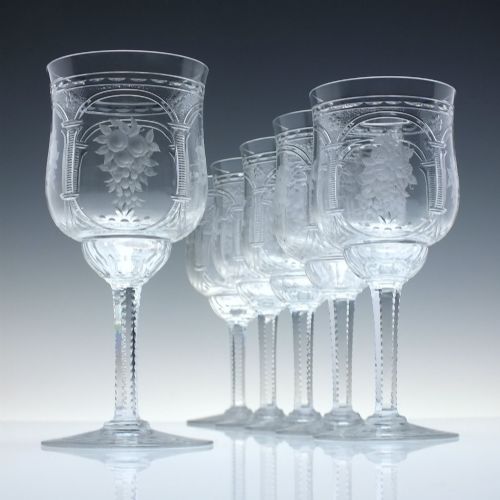
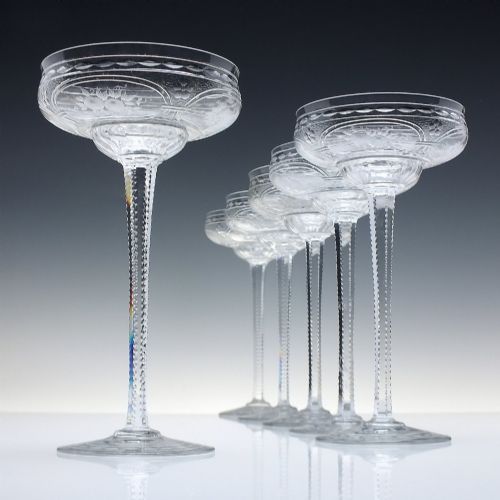
These antique baccarat glasses bring French lead crystal and cut crystal to the table, offering a tangible piece of historic glassware.
Antique Baccarat Glasses
When you search for antique baccarat glasses, you encounter French crystal works spanning the nineteenth and early twentieth centuries. These objects range from hock glasses and port glasses to table centrepieces, decanter sets, and scent bottles.
The pieces most frequently met on this page include nineteenth-century glassware, alongside specific twentieth-century patterns such as the Harcourt hock glasses. Forms extend from tableware and stemware to decorative lighting, vases, and lidded caskets.
Originating predominantly from French workshops, these items cross several historical eras including the Napoleon III period, the French Second Empire, the Belle Epoque, and Art Deco. Buyers select them for their combination of historic utility and decorative presence.
Assessing quality in the range
Quality differences rest upon the crispness of the glass cutting and the purity of the lead crystal. Superior examples display sharp facet edges and high optical clarity without distracting internal bubbles or cloudiness.
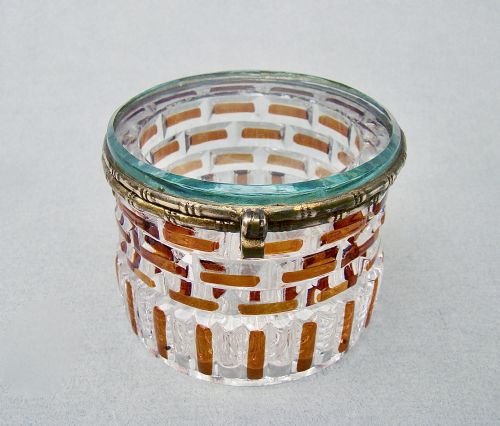
The sophistication of decorative additions, such as detailed hand painting, precise gold leaf work, or cameo carving, elevates certain pieces above standard production. The integration of metal mounts, whether in ormolu or carved Black Forest wood, also indicates the tier of manufacture.
Design complexity marks the upper end of the spectrum, seen in multi-armed chandeliers, layered over-crystal colour schemes, and matched sets of stemware. Simpler moulded items represent more utilitarian production while retaining the same material origin.
Listings feature items spanning the 19th century and early 20th century, utilising materials from plain glass and lead crystal to ormolu and gold leaf.
Jean Francois Robert·Francois Eugene Rousseau
The Antique Baccarat Glasses Glossary
- Lead crystal
- A type of glass containing lead oxide that increases weight, refractive index, and clarity. This composition allows for deep, sharp facets when cut.
- Harcourt
- A well-known historic glass pattern featuring flat cuts and a heavy hexagonal stem. It remains a signature design associated with French crystal production.
- Cave a liqueur
- A fitted box or cased set designed to hold decanters and small glasses for serving liqueurs. These often feature ormolu mounts and secure locks.
- Latticinio
- A decorative glass technique utilising opaque white or coloured glass threads embedded within clear glass. It creates delicate net or ribbon patterns.
- Sulphide
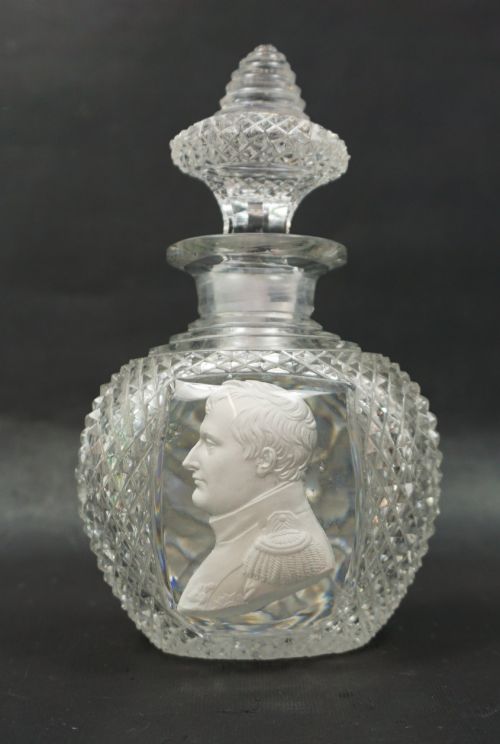
- A small white cameo plaque, typically made of porcelainous ceramic, encased within clear glass. They frequently portray historic figures or portraits.
Antique Baccarat Glasses: Frequently Asked Questions
How do I identify genuine antique baccarat glasses?
Authentic pieces often exhibit the weight and clarity characteristic of nineteenth-century lead crystal, alongside period-specific forms like cut crystal stemware and decorated decanter sets.
Examination of the cutting style, material composition, and any associated bronze or ormolu mounts helps confirm the historical context of the glassware.
What periods do these glass items cover?
The listings encompass nineteenth-century items through to the early twentieth century, spanning eras such as the Napoleon III period, the Belle Epoque, and Art Deco.
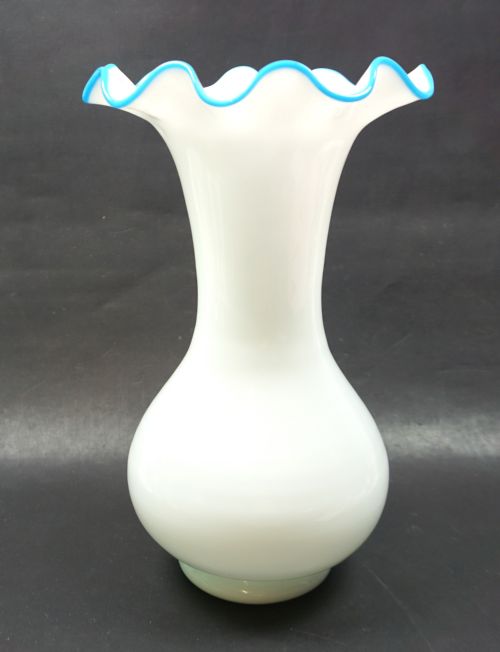
Earlier nineteenth-century examples often feature opaline glass or sulphide portraits, while later twentieth-century items include distinct patterned hock glasses and wall lights.
How should I care for antique crystal stemware?
Hand washing in warm water with mild detergent is essential for preserving the integrity of lead crystal and any applied surface decoration like gold leaf. Avoid sudden temperature changes to prevent thermal shock.
Storing glasses securely away from vibrations protects delicate stems and rims, particularly on pieces featuring intricate cutting or layered colours.
What are tantalus sets and how were they used?
A tantalus set is a locking wooden or ormolu-mounted case designed to secure decanters of spirits while still displaying them through cut crystal or glass panels. They were used in nineteenth-century homes to safely store alcoholic beverages.
The matching glasses were typically housed within the same fitted box alongside the decanters for convenient entertaining.