




Antique Baby Cradle
An antique baby cradle holds the history of early slumber, bringing tactile warmth and solid timber craftsmanship to a modern interior.
Antique Baby Cradle
When you search for an antique baby cradle, you encounter timber rocker frames, panelled structures, and metal cribs designed to soothe an infant to sleep. These pieces span centuries of domestic life, moving from vernacular country pieces to refined Victorian designs.
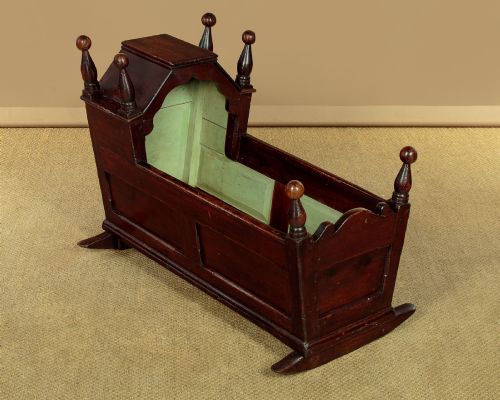
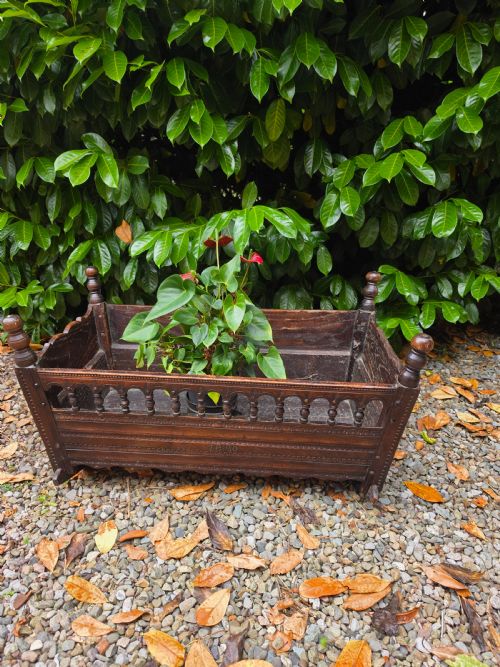
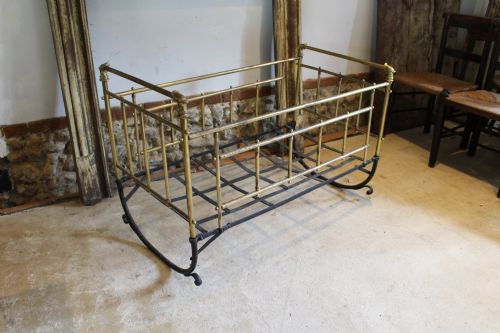
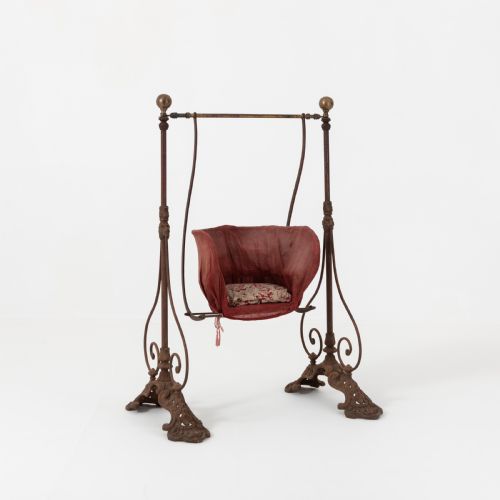
You meet heavy oak panelled versions from earlier centuries alongside pine examples finished in original paint, plus brass and wrought iron frames from the later periods. Many sit upon curved wooden rockers or take the form of suspended swings and cots.
The selection ranges from robust William and Mary styles to Edwardian mahogany frames and Persian tribal woven structures. Buyers look for original surfaces and sound structural timber that suits modern decorative display or decorative storage.
Materials and construction
Makers relied heavily on native hardwoods and softwoods, utilising solid oak, mahogany, pine, and fruitwood for panelled bodies and rocking bases. Joinery involved pegged framing and dovetailed joints designed to withstand the motion of the cradle.
Alternative examples incorporate wrought iron, brass, cane, and woven wool or hair elements for suspended or framed structures. Painted finishes in blue or neutral tones appear on pine bodies, while others display carved details and raised mouldings.
Object forms include rocking cribs, cast iron swings, painted canopy beds, and Persian tribal cradles.
Assessing quality and character
Quality rests in the integrity of the timber, the crispness of any carved or panelled elements, and the survival of original surface treatments such as early paint or patinated wax. Pieces retaining their original rocking mechanisms and matching side panels command greater interest.
The sophistication of the joinery and the selection of figured woods, particularly in mahogany and oak examples, separate standard utility pieces from finer cabinet-made works. Evidence of careful historical use without excessive timber replacement preserves the integrity of the object.
The Antique Baby Cradle Glossary
- Panelled crib
- A wooden infant bed constructed with framed vertical boards fitted into grooves, common in earlier oak pieces.
- Rocking cradle
- A bed fitted with curved wooden bases that allow the structure to sway gently from side to side.
- Canopy top
- An overhead structural framework designed to support textile coverings or hoods above the sleeping compartment.
- Wrought iron
- Iron heated and hammered into shape by hand, utilised for Edwardian and Victorian metal crib frames.
- Field panel
- A raised or recessed central section within a wooden frame, typical of seventeenth century joinery.
Antique Baby Cradle: Frequently Asked Questions
How are antique baby cradles used today?
Most buyers repurpose these pieces for decorative display, holding blankets, soft toys, or logs in a living space rather than for infant sleep.
The sturdy timber frames and rocking bases make them striking focal points in traditional or eclectic interiors.
What woods were used for early cradles?
Oak and pine dominate the earlier centuries, providing durable domestic timber that survived generations of household use.
Finer Victorian and Edwardian examples often feature mahogany, fruitwood, and caned inserts.
How do I spot a painted pine cradle?
Painted pine examples often display historic surface treatments, such as blue or neutral pigments applied during the Georgian or Victorian eras.
Examining the wear patterns on the paint helps determine the age and originality of the finish.