




Antique Austrian Furniture
Antique Austrian furniture brings robust country charm and refined urban elegance together through pine, bentwood, and painted surfaces.
Antique Austrian Furniture
Antique Austrian furniture spans rustic farmhouse benches and painted commodes from Alpine regions alongside sophisticated Vienna workshop cabinets and tables. Buyers searching for antique austrian furniture encounter both utilitarian country pieces and urbane urban designs created across the eighteenth, nineteenth, and early twentieth centuries.
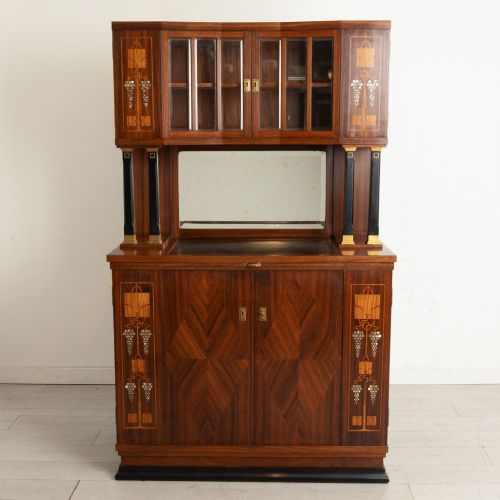
The regional country pieces rely on sturdy pine, elm, and fruitwood, often featuring original painted decoration, folk art motifs, or simple forms suited to domestic life. Urban examples showcase the refined cabinet-making traditions of Vienna, utilising rosewood, ebonised wood, and delicate ormolu mounts.
Seating and tables form a large portion of what appears, from simple settle benches to inventive bentwood coat stands and triangular card tables. Cabinets and armoires provide storage solutions finished with painted details or rich wood veneers.
Materials and construction methods
Solid woods such as pine, oak, elm, and fruitwood form the structural core of provincial and country pieces, frequently shaped by local joiners using traditional pegged and jointed construction. Surface finishes on these rural items often incorporate original paint, pigments, and protective varnishes that survive from the period.
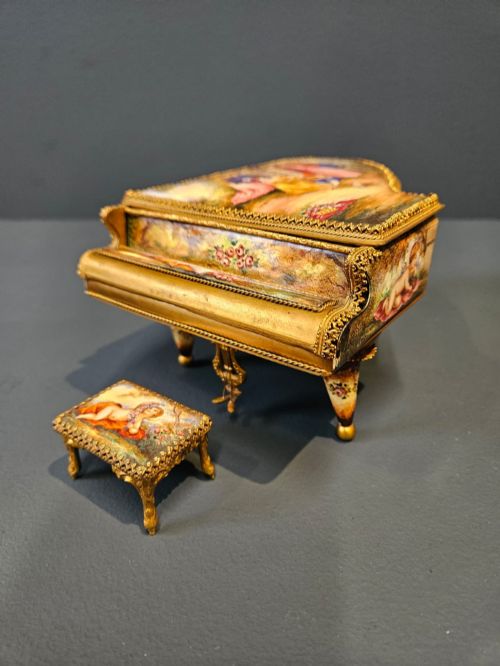
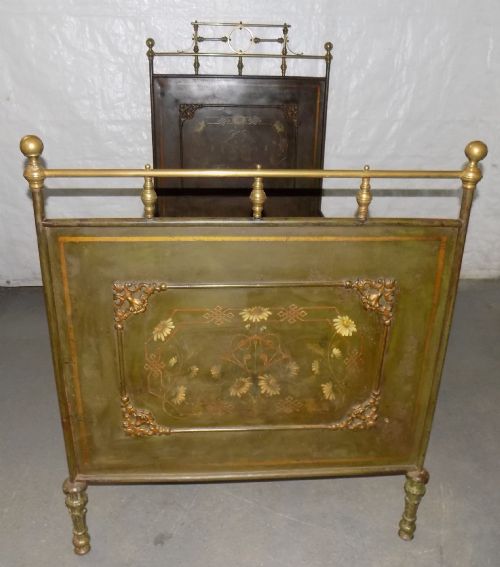
Urban workshops utilised advanced timber bending techniques for beech, alongside rich rosewood veneers and ebonised details on sophisticated tables and seating. Metal components, including brass mounts, iron hardware, and enamelled panels, are integrated into elite cabinets, music boxes, and desks.
Some music boxes combine mechanical tunes with enamelled metal panels, ensuring your furniture can also sing to you.
Distinctions in craftsmanship and finish
The survival of original painted surfaces dictates much of the appeal in provincial pieces, where untouched folk decoration commands greater interest than later repainting. Joinery tightness and the selection of secondary timbers inside drawers and carcases reveal the diligence of the original maker.
Urban pieces from major studios display refined mastery in steam-bent curves, secure veneering, and the precision of applied brass or enamel details. The clarity of maker labels and the integrity of structural joints separate standard production items from workshop masterpieces.
August Ungethüm·Fischel·Thonet·Sigmund Jaray
The Antique Austrian Furniture Glossary
- Bentwood
- Wood shaped by steaming and pressure, famously utilised by manufacturers to create lightweight, curvilinear chairs, tables, and coat stands. This technique allowed for mass production of durable, elegant items.
- Jogltisch
- A traditional Austrian table construction featuring sturdy trestle ends and pegged joints common in regional folk furniture. These tables were built to withstand heavy daily use in farmhouse kitchens.
- Commode
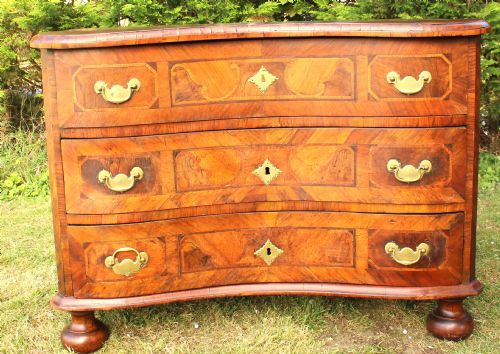
- A low chest of drawers or cabinet designed for domestic storage, often elevated on legs or a plinth base. Eighteenth and nineteenth-century examples frequently display rich wood grains or painted surfaces.
- Ormolu
- Gilded bronze used for decorative mounts and hardware on high-status cabinets and music boxes. It provides a bright metallic contrast against dark rosewood or ebonised surfaces.
- Settle
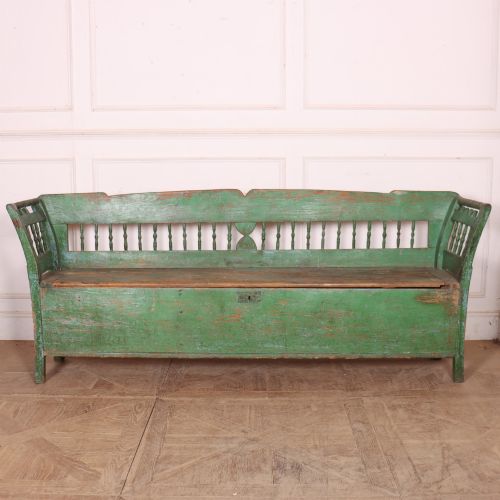
- A wooden bench with a high back, solid arms, and often a storage box beneath the seat. They were positioned near hearths in country homes to block draughts.
Antique Austrian Furniture: Frequently Asked Questions
How do I identify bentwood furniture?
Look for smooth, continuous curves in the wooden components that show no joinery marks at the bends. Steam-bent pieces usually rely on beech and feature lightweight, resilient frames.
Examine the underside or joints for manufacturer stamps or paper labels, which frequently appear on pieces produced by prominent historic firms.
Are painted finishes usually original?
Original painted surfaces display genuine wear, craquelure, and subtle fading that match the age of the underlying timber. Paint that feels overly thick or hides structural wear may indicate later redecoration.
Inspect corners and edges where natural handling occurs for signs of the original ground layer showing through.
Where were settle benches used?
Settle benches typically stood in the kitchens or halls of Alpine farmhouses to provide communal seating close to the main heat source. The high back protected occupants from cold draughts sweeping across the room.
Many examples feature a hinged seat lid concealing a compartment for storing household blankets or wool.
What defines Biedermeier style?
Biedermeier furniture prioritises clean, utilitarian lines and domestic comfort over excessive ornamentation, flourishing during the early nineteenth century. Cabinet-makers used native fruitwoods and polished veneers to highlight natural grain patterns.
Pieces from this era include secretaires and cabinets designed for practical urban living spaces.