


Antique Asian Scholars Object
An antique asian scholars object brings the quiet discipline of the traditional literati study directly into your home.
Antique Asian Scholars Object
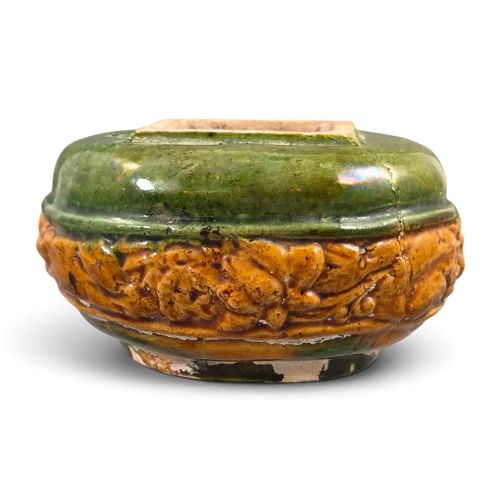
When you search for an antique asian scholars object, you encounter the specialised implements and desk accessories created for the educated elite of China and Japan. These pieces include bronze seals, brush pots, water vessels, paperweights, and incense burners designed for writing, painting, and contemplation. The selection on this page spans several centuries, touching periods from the Tang and Ming dynasties through to the late Qing dynasty and the Meiji period.
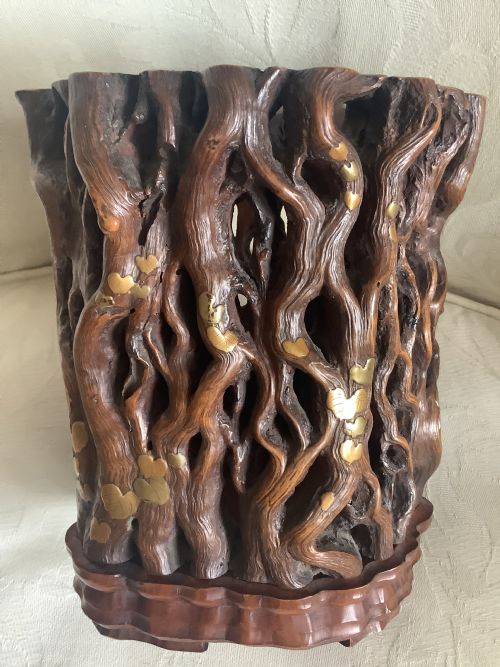
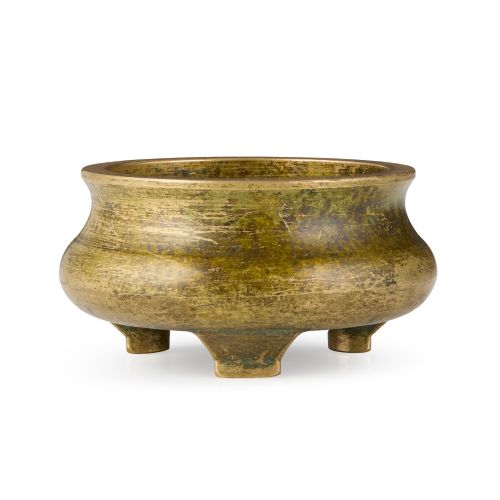
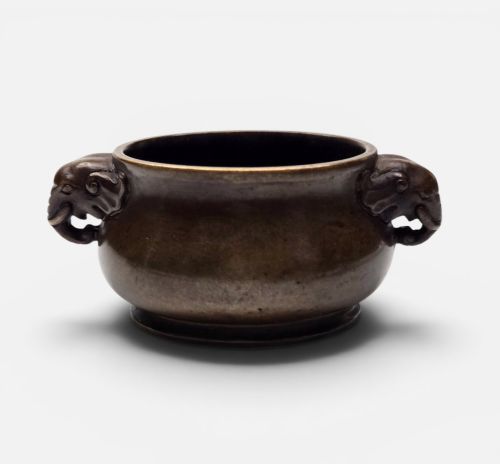
The most common forms you will meet here are carved brush pots in hardwood or bamboo, cast bronze censers, and water pots fashioned from soapstone or ceramic. Items range from miniature desktop pieces to larger libation cups and root wood carvings, reflecting the diverse pursuits of the traditional scholar's studio.
Materials and methods of construction
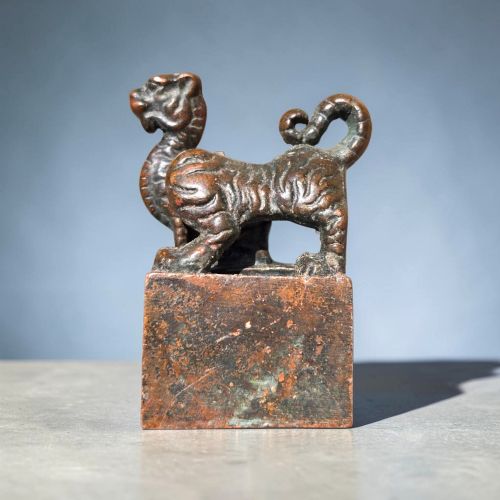
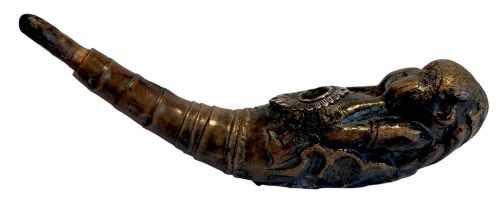
The objects on this page rely on materials prized by traditional craftsmen, chiefly cast bronze, dense hardwoods, carved bamboo, and various types of stone including soapstone and hardstone. Organic mediums such as water buffalo horn, coconut shell, and root wood also appear, shaped through meticulous carving and polishing rather than mass production. Artisans utilised lost-wax casting for intricate bronze seals and censers, occasionally applying selective fire-gilding to highlight specific details.
Woodcarvers worked with the natural grain of bamboo and hardwoods to create brush pots and headrests, while lapidaries shaped soapstone and hardstone into puzzle cups and seals. Each technique served to emphasise the natural qualities of the raw material, keeping the finish tactile and restrained.
Listings feature items spanning from the Tang to Liao dynasty through to the Meiji period, executed in bronze, bamboo, hardwood, and soapstone.
Distinguishing quality in scholarly pieces
Quality in these pieces rests on the precision of the carving, the authority of the casting, and the preservation of the material over centuries. Superior examples display crisp details on figures and animals, balanced proportions, and a natural patina achieved through handling and age rather than artificial distress.
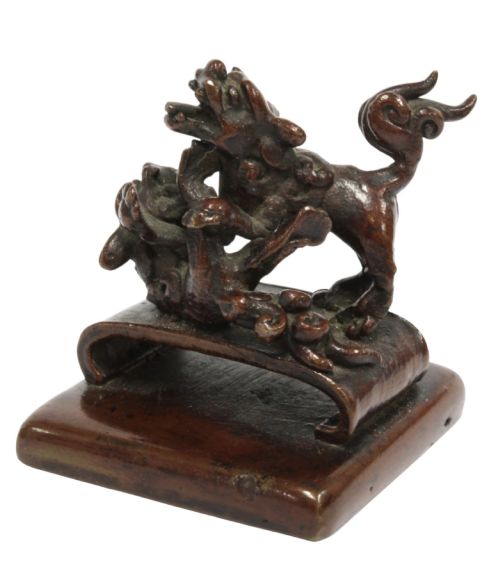
Weaker examples often show clumsy proportions, mechanical tool marks, or heavy modern repairs that obscure the original surface. The most accomplished works combine disciplined craftsmanship with a harmonious relationship between the medium and the chosen form, whether that is a cast bronze qilin seal or a deeply carved bamboo brush holder.
The Antique Asian Scholars Object Glossary
- Brush pot
- A cylindrical vessel, typically carved from bamboo, hardwood, or porcelain, used to hold writing brushes upright on a scholar's desk.
- Scholar's seal
- A carved block of stone, bronze, or other material bearing a signature or mark used for stamping documents and artwork with red ink.
- Libation cup
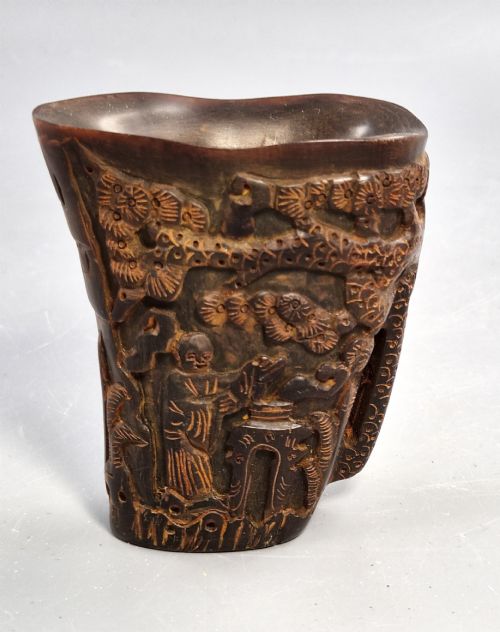
- A ceremonial vessel, often carved from horn or jade, traditionally used for pouring wine offerings but also collected as a display piece.
- Tripod censer
- A small bowl supported by three feet, usually cast in bronze and used for burning incense during meditation or study.
- Okimono
- A Japanese display carving, typically miniature in scale, placed in an alcove or on a desk for decorative appreciation.
Antique Asian Scholars Object: Frequently Asked Questions
What is an antique asian scholars object?
An antique asian scholars object is a functional or decorative item used by traditional East Asian literati for writing, painting, and studio contemplation. These pieces include brush rests, seals, water pots, and incense burners.
Created for educated scholar-officials, these items prioritize subtle artistry, refined materials, and philosophical resonance over mere ornamentation.
How were these scholar's items used?
Scholars used these objects daily while practicing calligraphy, painting, and poetry in their private studies. Items like brush pots organised tools, while water vessels and ink stones prepared media for writing.
Incense burners created a focused atmosphere for thought, and resting pieces like headrests or armrests provided comfort during long hours of study.
How do I care for bamboo and wood pieces?
Bamboo and hardwood items require stable indoor humidity to prevent the natural material from splitting or cracking over time. Keep them away from direct sunlight and artificial heat sources.
Dust them gently with a soft, dry cloth and avoid applying modern chemical polishes or oils that might alter the historic surface.
How can I tell the period of a bronze censer?
Dating a bronze censer involves examining the weight, the quality of the casting, the style of the feet or handles, and the characteristics of any studio marks. Earlier pieces often show heavier, more purposeful casting and complex patinas.
Comparing the form to documented examples from periods like the Ming or Qing dynasties helps confirm the likely era of manufacture.