


Antique Asian Planter
An antique asian planter brings heavy cast bronze, vibrant cloisonné enamel and deep blue and white porcelain directly from nineteenth century workshops into modern living spaces.
Antique Asian Planter
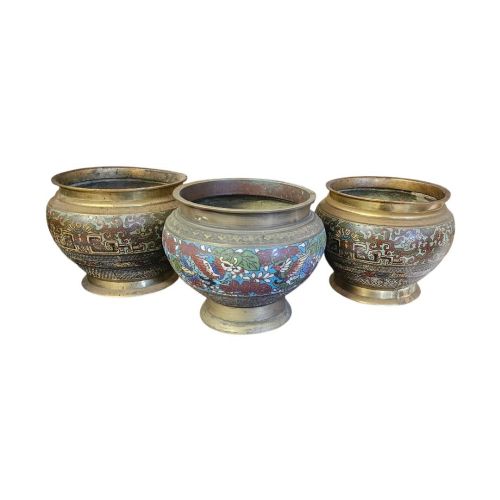
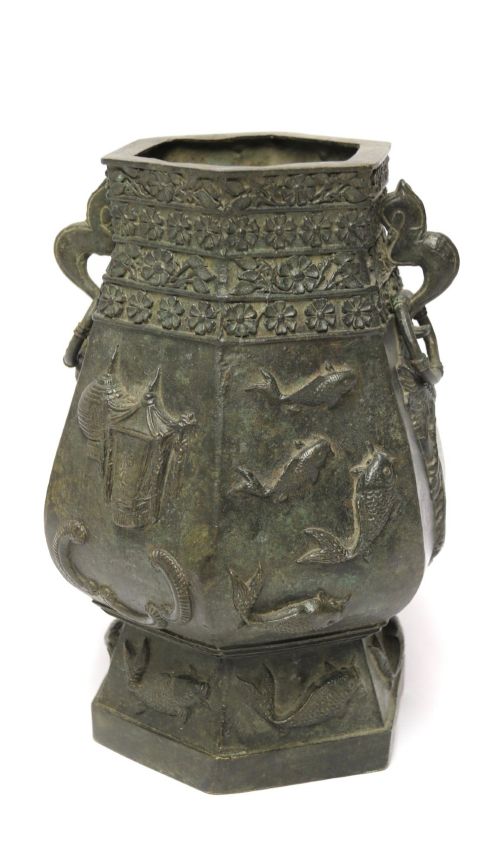
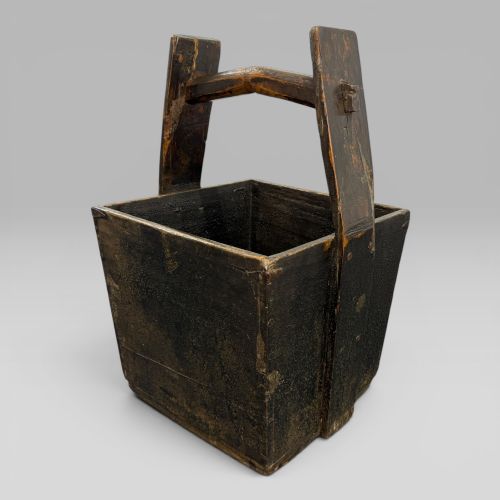
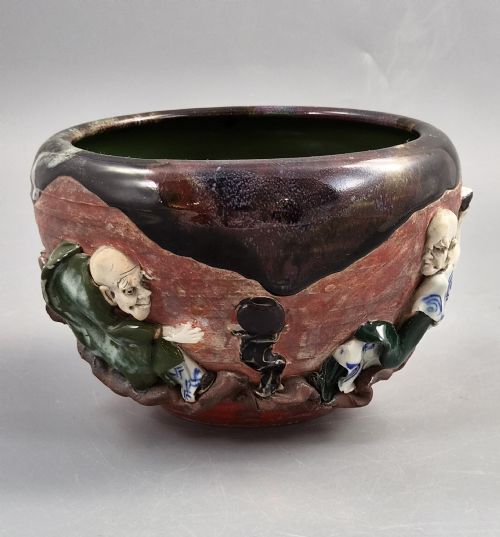
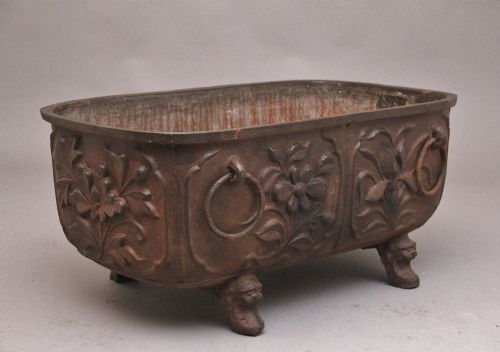
When you search for an antique asian planter, you encounter robust vessels designed for botanical display, interior decoration and water containment. The pieces span periods from the Edo and Meiji eras of Japan to the Qing Dynasty and Republic periods of China, taking the form of large jardinières, heavy bowls, fish bowls and temple vessels.
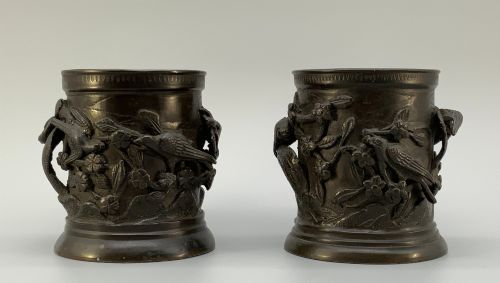
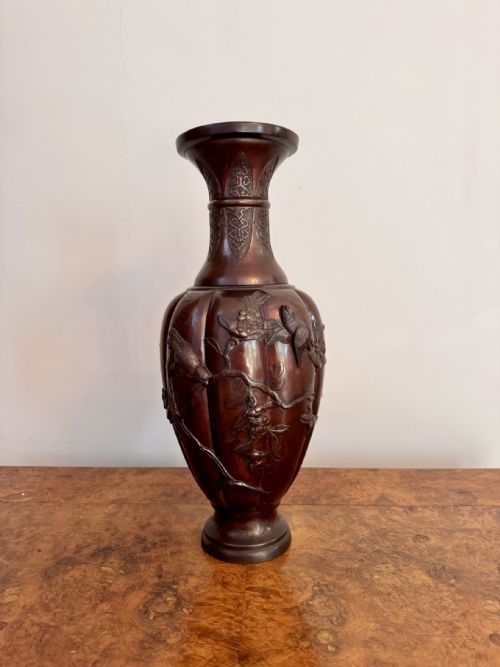
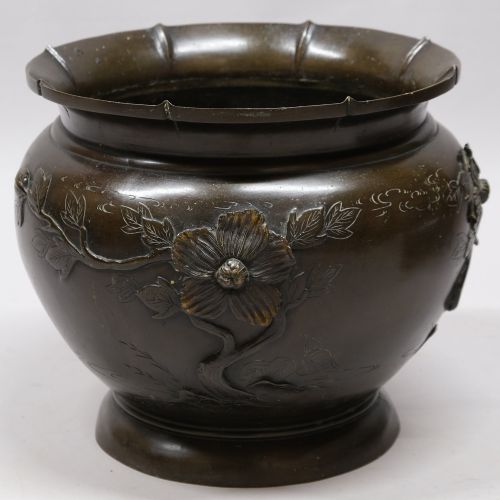
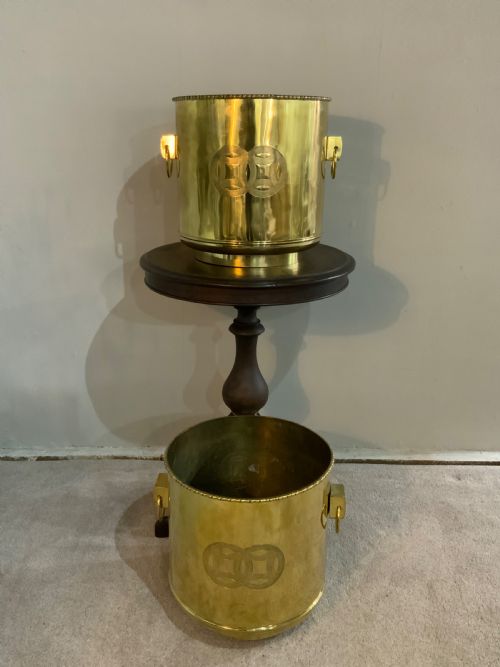
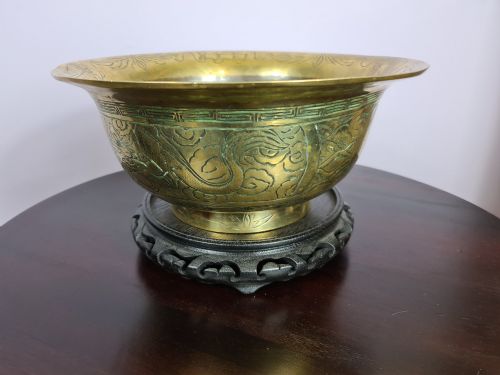
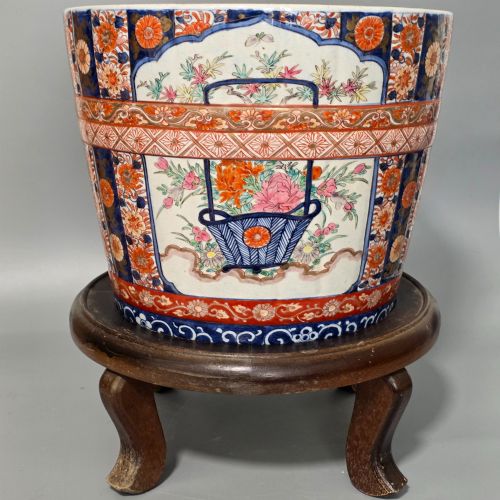
You are most likely to meet heavy cast bronze jardinières and blue and white porcelain planters on this page, often accompanied by associated hardwood stands. These vessels frequently present relief decoration, birds, blossom, or traditional geometric patterns originating from East Asian kilns and metalwork foundries.
Materials and construction methods
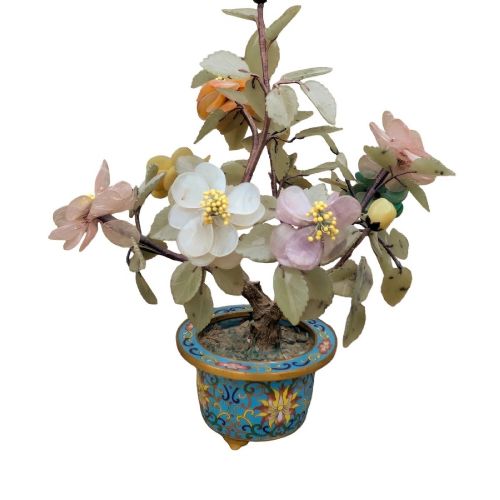
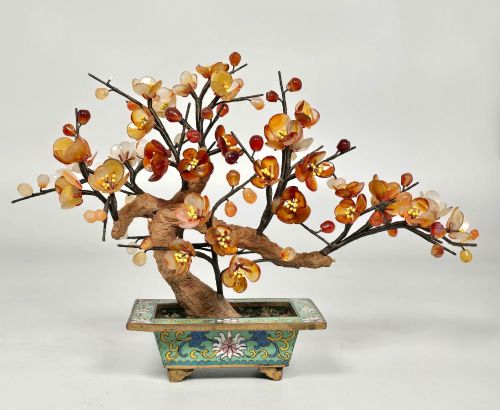
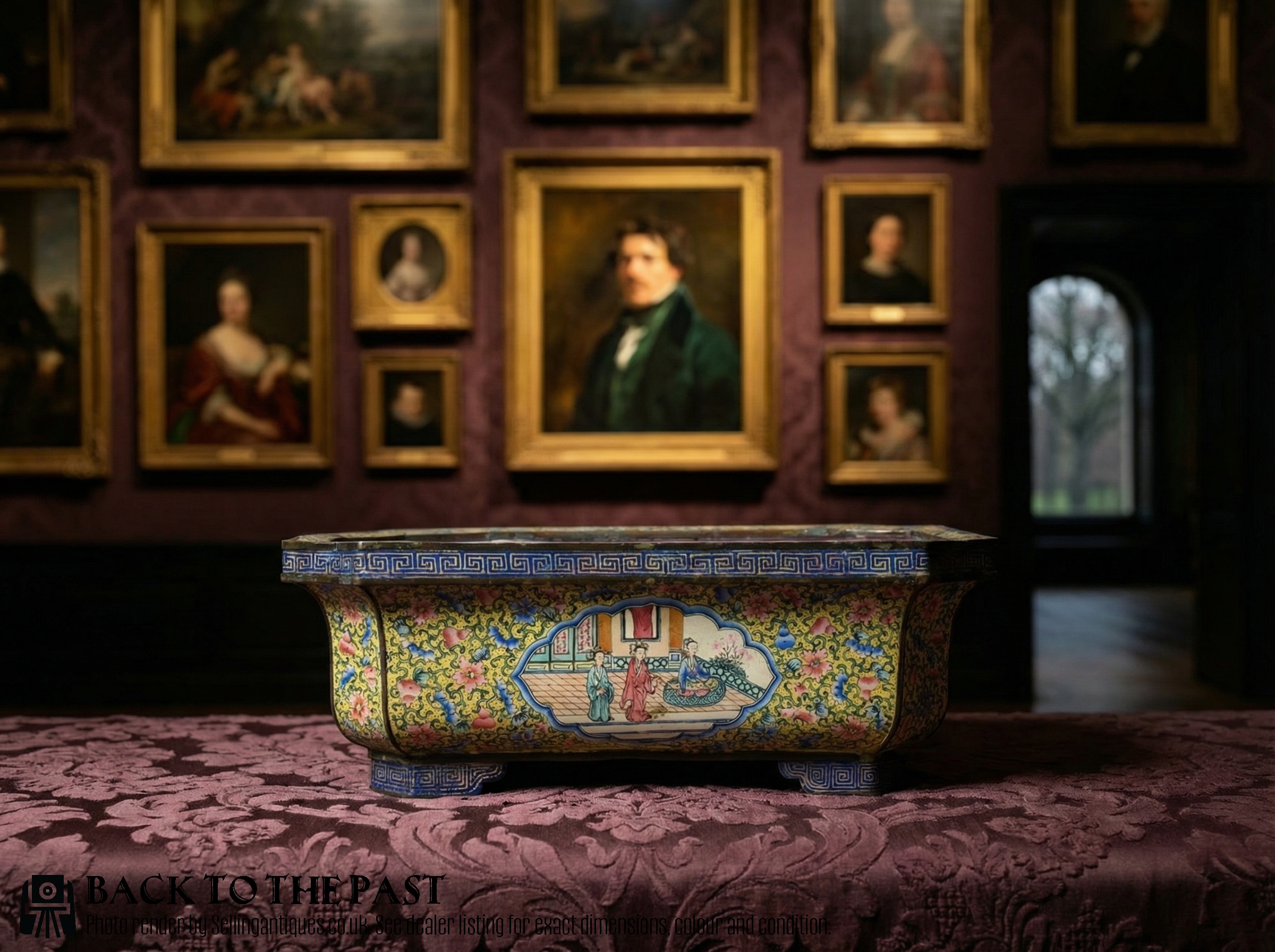
Makers utilised cast bronze, brass, stoneware and hard porcelain to build these substantial vessels. Metal pieces often display champlevé or cloisonné enamel work, where vitreous pastes fill recessed channels or wire cells before firing.
Ceramic forms rely on high-firing techniques for stoneware and delicate painting underglaze for blue and white porcelain bowls. Artisans also incorporated carved hardwood and patinated finishes to complete the heavier jardiniere and trough designs.
The listings show a prevalence of nineteenth century Japanese bronze work alongside traditional Chinese blue and white porcelain jardinières.
Distinguishing quality in production
The weight and thickness of the metal or ceramic body dictate the physical presence of the vessel. Heavier cast bronze and dense porcelain demonstrate superior raw material use and structural stability.
Artisanal precision separates standard decorative pots from superior examples. Finely chased bronze details, crisp enamel work, and carefully controlled cobalt glazes indicate skilled hands working within established Japanese and Chinese traditions.
Inoue Ryōsai·Makuzu Kozan II
The Antique Asian Planter Glossary
- Jardiniere
- A large ornamental pot or bowl designed to hold plants or flowers. These vessels often sit directly on the floor or upon a carved hardwood stand.
- Cloisonne
- A metalwork technique where fine wires are soldered to a metal base to create compartments filled with enamel paste. The piece is then fired and polished to a smooth finish.
- Meiji Period
- The era in Japanese history spanning from 1868 to 1912, noted for opening trade with the West and producing intricate bronze and ceramic art.
- Qing Dynasty
- The final imperial dynasty of China, lasting from 1644 to 1912, known for rich porcelain production and detailed bronze work.
- Suiban
- A shallow Japanese basin traditionally used for holding water and supporting stones or plants in ikebana floral arrangements.
Antique Asian Planter: Frequently Asked Questions
How do I care for a bronze planter?
Bronze and brass vessels require minimal intervention to maintain their surfaces. Dusting with a dry cloth prevents grime accumulation while preserving the natural patinated finish developed over decades.
Avoid using abrasive chemical cleaners or polishes that strip the historic surface oxidation. If used for live plants, placing a protective liner inside prevents moisture damage to the inner metal walls.
How do I tell Japanese and Chinese pieces apart?
Japanese pieces from the Meiji or Edo periods frequently display naturalistic motifs such as birds, blossoms and relief figures associated with distinct artistic guilds. Chinese items, including Qing Dynasty ceramics and bronzes, often lean toward formal symmetry, imperial blue and white fish bowls, or champlevé enamel patterns.
Examining the base marks, casting style and specific glaze colours helps clarify the regional origin of each individual vessel.
Can these planters hold live plants?
Most of these antique vessels were constructed to hold soil, water and plants safely. Their thick bronze, brass, stoneware or porcelain walls provide a stable environment for botanical displays.
Using a secondary pot or plastic liner inside prevents direct soil contact and protects the interior glaze or metal from long term moisture exposure.