


Antique Asian Mask
These antique asian mask pieces and related ritual bronzes span centuries of skilled metalwork and carving, offering a tangible connection to traditional craftsmanship.
Antique Asian Mask
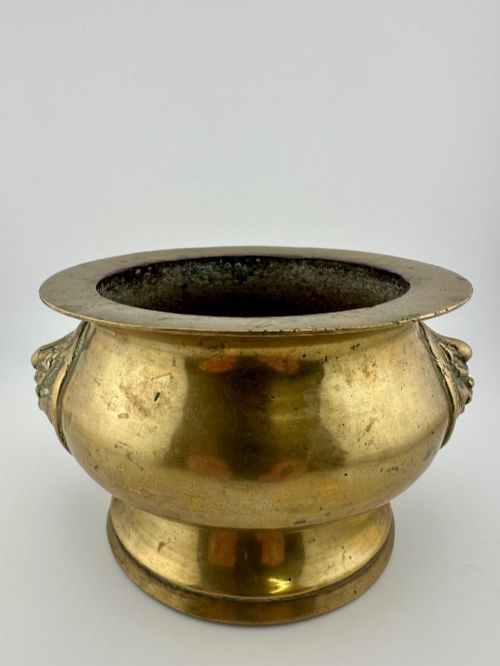
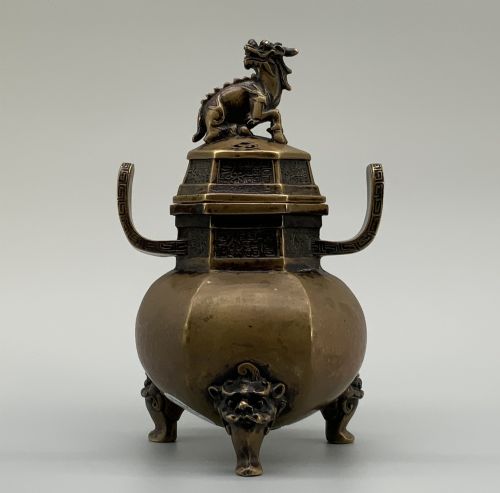
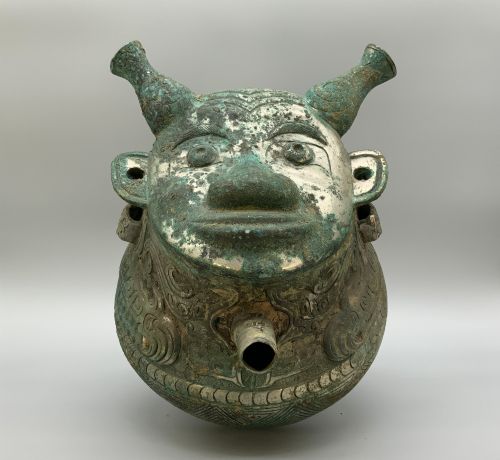
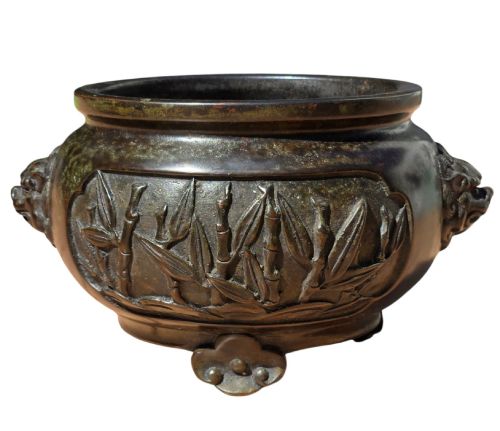
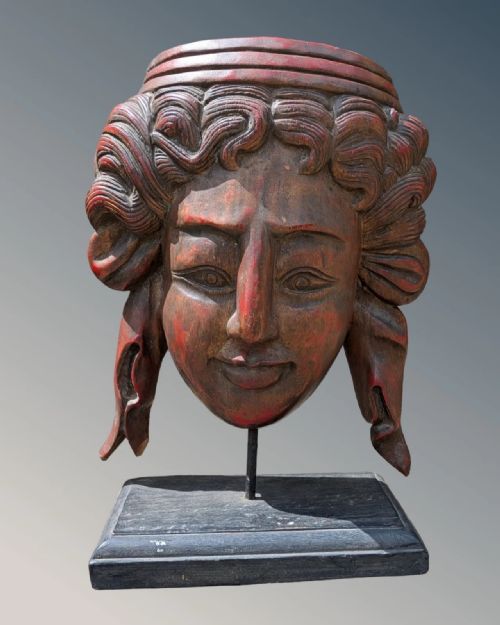
When you search for an antique asian mask, you encounter a fascinating intersection of ritual vessels, carved wooden sculptures, and ceremonial items originating from China, Japan, Tibet, Nepal, and South East Asia. The selection brings together diverse cultural artefacts, ranging from bronze censers adorned with fierce animal handles to theatrical wooden headdresses and carved plaques.
The objects most frequently met on this page include bronze censers and ritual vessels featuring prominent mask handles, alongside traditional wooden masks and carved panels. Pieces date from the sixteenth century through the nineteenth century and into the early twentieth century, reflecting varied regional traditions and spiritual practices.
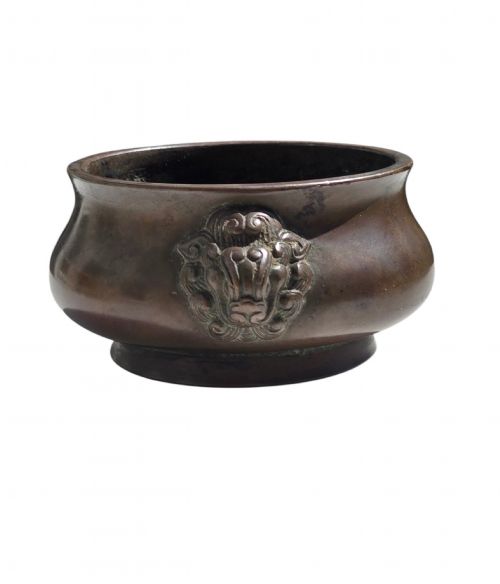
Collectors often discover that what is termed a mask frequently manifests as architectural hardware or vessel handles, such as the mythological Taotie motifs cast onto bronze tripods and scholars' censers. Alongside these metalwork items appear hand-carved wooden masks and dance headdresses from South East Asia and the Himalayan regions, offering distinct sculptural forms.
Materials and construction
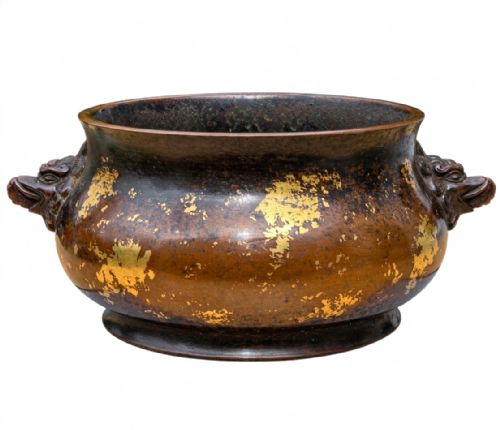
Metal pieces rely heavily on bronze and brass, often shaped through traditional casting methods to create heavy ritual vessels, censers, and jardinières. Makers incorporated surface details such as verdigris patina, gilt-splashed finishes, and applied paint to enhance the visual depth of the cast metal.
Listings span multiple centuries, incorporating Ming and Qing dynasty pieces alongside Victorian and twentieth-century interpretations in bronze, brass, and carved wood.
Assessing craftsmanship
In carved wooden items, the finesse of the chisel work dictates the standard. Master carvers achieved expressive vitality and intricate surface relief, while simpler pieces lack the same precision in proportion and detail.
The Antique Asian Mask Glossary
- Censer
- A vessel constructed for burning incense during ceremonial or scholarly pursuits. They appear frequently in bronze with tripod supports and decorative handles.
- Polychrome
- A decoration technique utilising multiple distinct colours painted onto wood or ceramic surfaces. It brings visual vibrancy to carved masks and panels.
- Jue
- A specific form of ancient Chinese ritual tripod wine vessel featuring a deep body and projecting points. These shapes were later referenced in subsequent revival periods.
- Gu
- A slender ceremonial goblet or vase form originating in early Chinese ritual bronzes. They are recognised by their flared trumpet mouth and symmetrical body.
Antique Asian Mask: Frequently Asked Questions
What were bronze mask censers used for?
Bronze censers with mask handles functioned primarily as ritual vessels for burning incense in temples, scholarly studios, and domestic shrines. The prominent handles served both a practical purpose for lifting and a symbolic role.
Over time, these heavy metal pieces transitioned into decorative objects appreciated for their sculptural form and patination. Scholars and collectors valued them for display in traditional interiors.
How do I identify a Ming dynasty bronze?
Ming dynasty bronze pieces often exhibit deep, stable patination and heavy casting weight. Detail work on scholar's censers and ritual vessels includes intricate relief panels and secure handle attachments.
Examination of the surface texture and any reign marks provides further context. Comparing the weight and stylistic markers helps distinguish sixteenth-century work from later revivals.
Where did Himalayan folk art masks originate?
Himalayan folk art masks and demon masks originate from regions including Nepal and Tibet. They were carved from wood for use in traditional dances and spiritual ceremonies.
These pieces display distinct regional carving styles and often retain traces of original paint or ceremonial wear. Their surfaces reflect years of ritual handling and local cultural practices.
How do I care for antique wooden masks?
Antique wooden masks and carved plaques require stable environmental conditions away from direct sunlight and excessive humidity. Protecting the wood prevents drying and preserves applied polychrome paint or giltwood finishes.
Gentle dusting with a soft brush is sufficient for routine maintenance. Avoid using liquid cleaners or oils that might alter the historic surface of the carved wood.