
Antique Asian Lacquer
These pieces of antique asian lacquer bring centuries of depth, rich pigment and skilled handwork straight into a modern room.
Antique Asian Lacquer
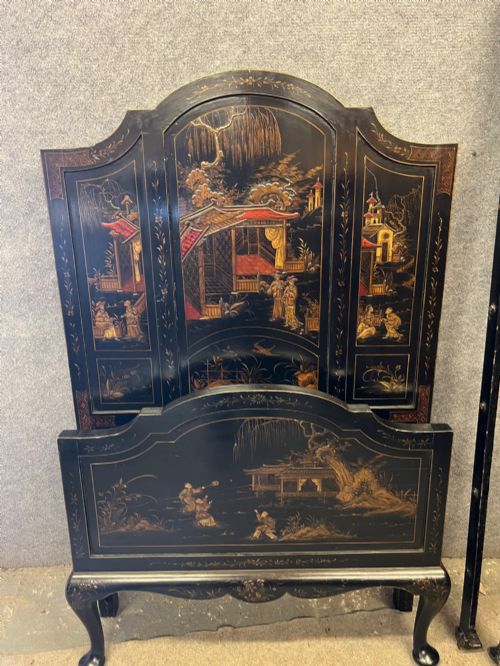
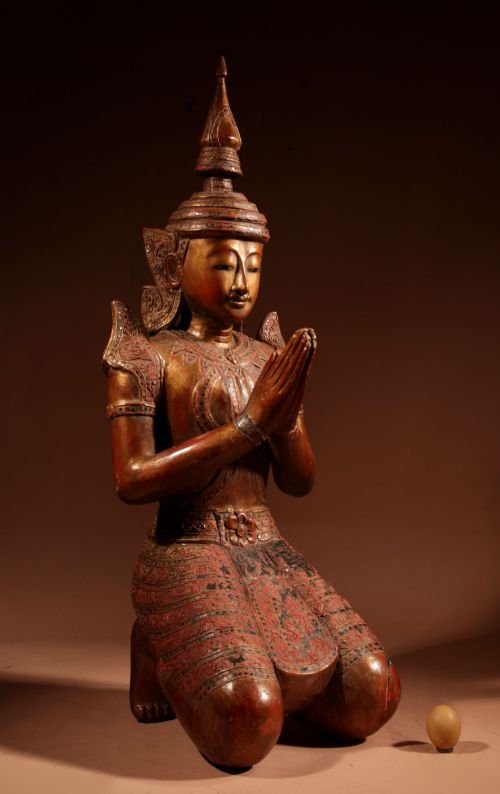
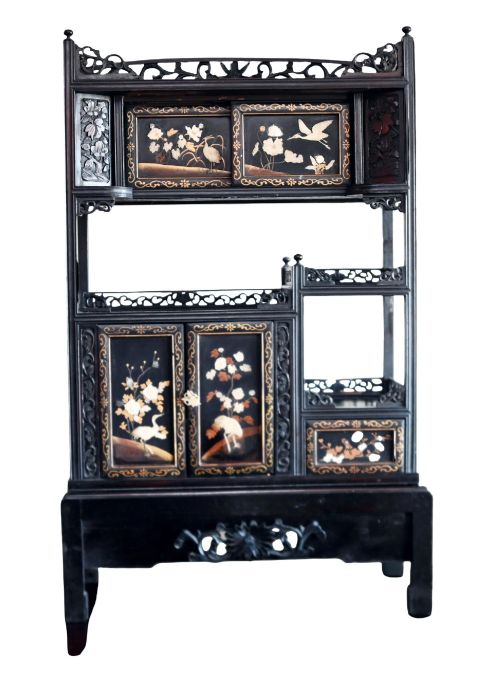
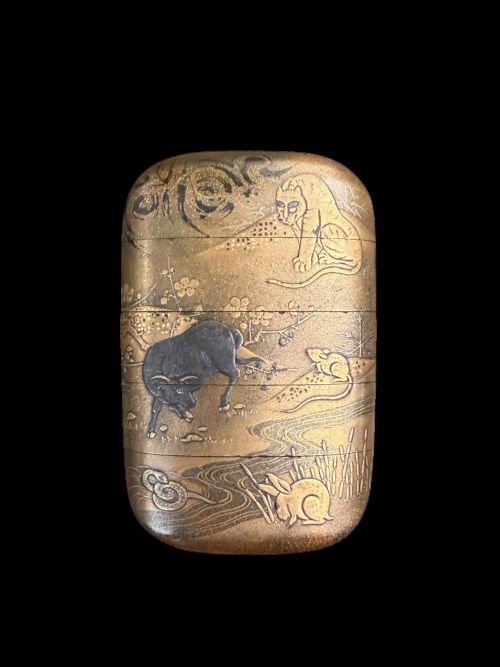
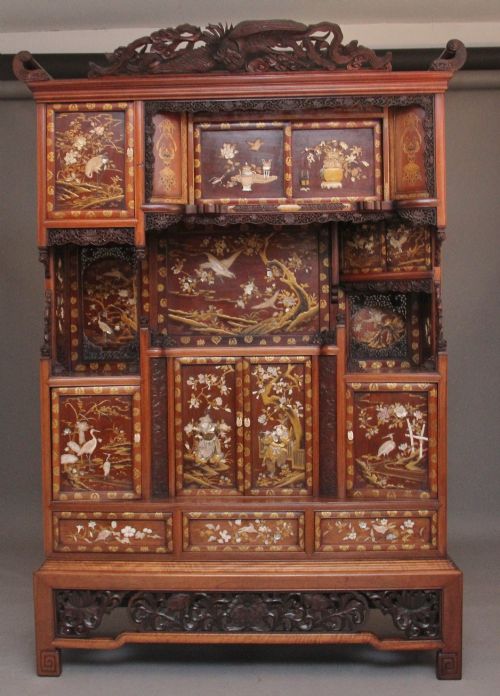
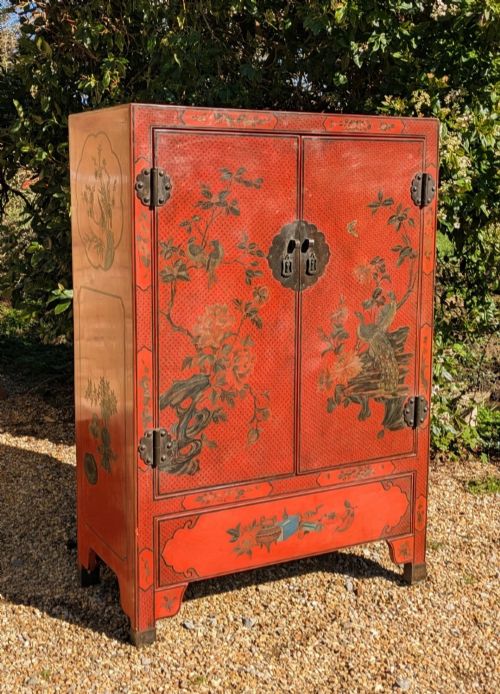
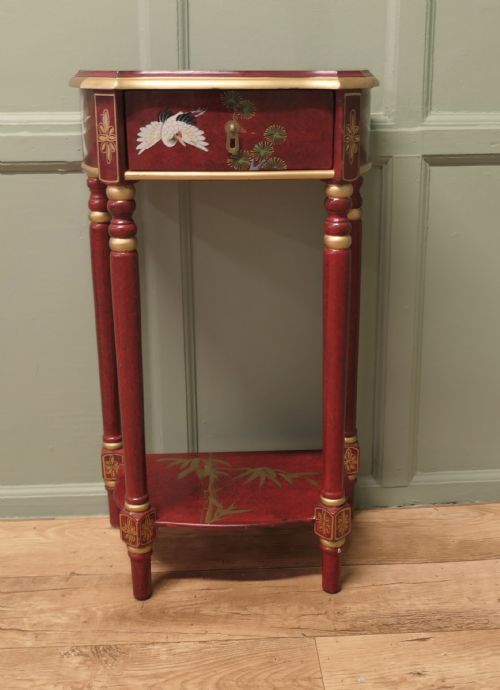
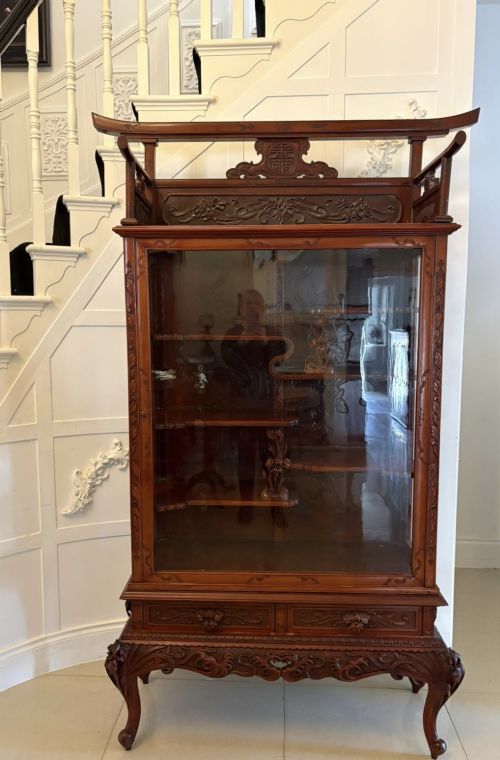
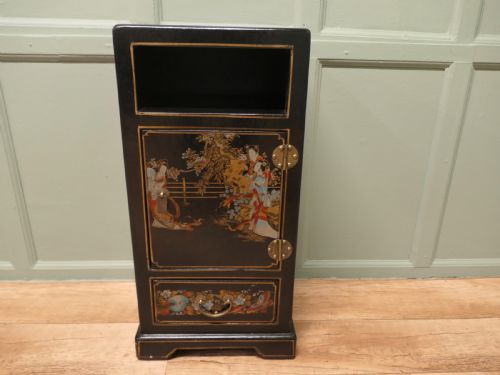
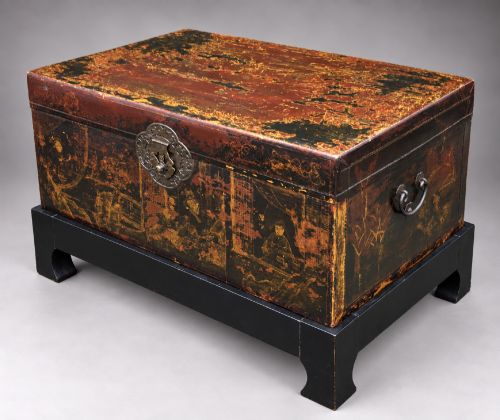
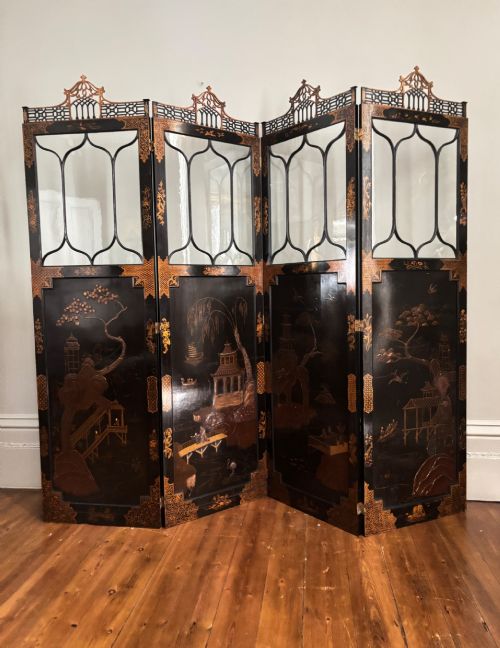
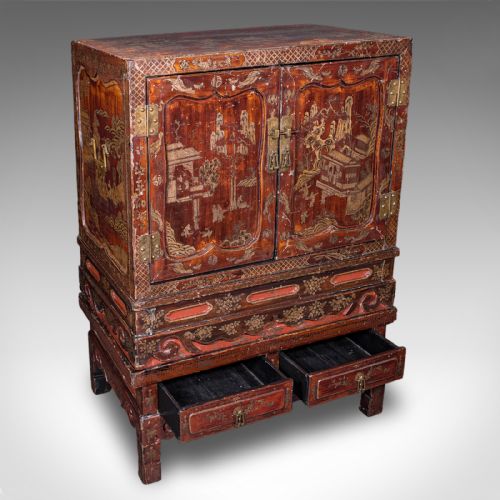
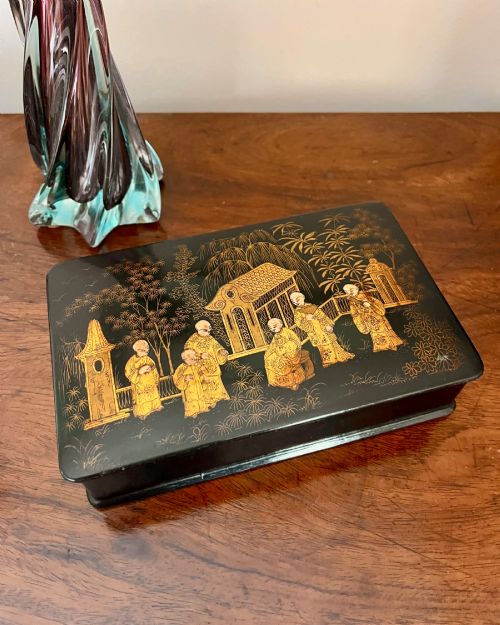
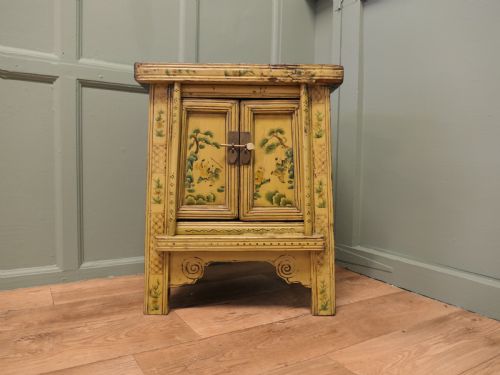
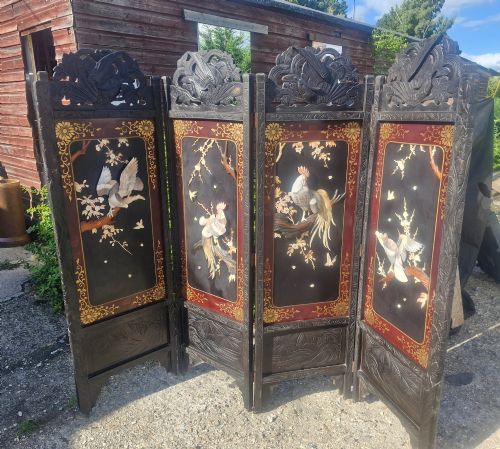
When searching for antique asian lacquer, buyers encounter a diverse range of furnishings and decorative items spanning from the seventeenth century through to the early decades of the twentieth century. These objects include large furniture pieces such as wedding cabinets, display cabinets, folding screens and side cupboards alongside smaller items like boxes, trays and table lamps.
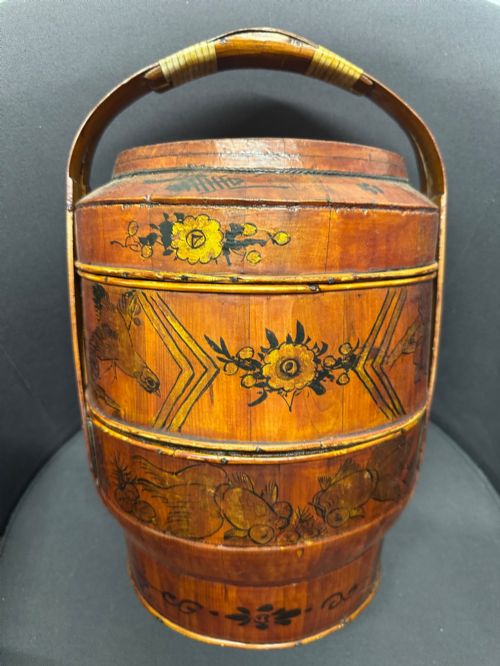
The aesthetic bridges traditional Chinese and Japanese craftsmanship, incorporating distinct styles such as Qing Dynasty, Edo Period, Japanese Meiji and Western-adapted Chinoiserie. Common forms seen on this page range from utilitarian rice carriers and elm armchairs to intricate kodansu jewellery boxes and gilt-decorated screens.
How They Were Made
The foundation of these pieces relies heavily on sturdy native timbers such as elm and assorted hardwoods, which provide the structural integrity for cabinets, screens and stands. Artisans applied successive coats of natural lacquer to create a durable, glossy surface capable of enduring centuries of use.
Decoration involved meticulous hand techniques including gold leaf application, ebonising, hand painting and the embedding of bone or mother of pearl. Details such as brass hardware and intricate carving further defined the ornamentation of individual items.
Listings span from seventeenth-century Japanese cabinets on stands to early twentieth-century Chinoiserie standard lamps and table trays.
What Varies in Quality
The standard of an antique asian lacquer piece rests on the depth of the finish, the crispness of the hand painting or carving, and the preservation of the original surface. Superior examples retain intact ground layers and intricate decorative detailing without heavy modern repainting obscuring the age.
Construction quality depends on the joinery of the underlying wood, whether elm or hardwood, and the integration of decorative elements like inlaid mother of pearl or applied gold leaf. Pieces that retain their original stands, brass mounts or matching sets demonstrate a higher level of historical intactness.
The Antique Asian Lacquer Glossary
- Edo Period
- The period in Japanese history spanning from the seventeenth to the nineteenth century, known for refined lacquer production and distinct regional aesthetics. Items from this era show exceptional hand-painted detail.
- Meiji
- The era in Japanese history lasting from the late nineteenth to the early twentieth century, characterised by opening trade and highly decorative export lacquerware such as kodansu boxes and screens.
- Coromandel screen
- A type of Chinese folding screen coated with multiple layers of dark lacquer, incised with designs, and filled with colours and gold before sealing. These are substantial pieces often featuring narrative or floral scenes.
- Shibayama
- A Japanese decorative technique involving the inlay of precious materials such as ivory, bone, shell and coral into a lacquer or wood base. This creates a textured, multi-coloured surface effect.
Antique Asian Lacquer: Frequently Asked Questions
How do I care for antique lacquer furniture?
Keep lacquer pieces away from direct sunlight and excessive heat fluctuations to prevent the wood underneath from expanding and the surface from cracking. Dust gently with a dry, soft cloth and avoid chemical polishes or modern cleaning agents.
Maintaining stable indoor humidity helps preserve the integrity of the natural tree sap finish. Handle doors, drawers and folding panels with care to avoid chipping the edges.
Can I use an antique lacquer cabinet every day?
Many cabinets, cupboards and sideboards remain entirely functional for modern storage needs. Ensuring the internal shelves and drawers are treated with care allows for regular domestic use without compromising the exterior finish.
Heavily decorated display items or delicate screens are better suited to static placement where physical handling is kept to a minimum. Assessing the structural stability of the base and doors guides daily utility.
How do I identify the period of a lacquer piece?
Dating relies on examining the construction methods of the underlying wood, the type of hardware employed, and the stylistic motifs of the decoration. Seventeenth and eighteenth-century examples show different joinery and pigment signatures compared to nineteenth-century and Meiji production.
Wear patterns, the ageing of the lacquer surface, and the presence of period-specific elements like brass mounts provide further clues to the decade of origin.