
Antique Artwork Painting
An antique artwork painting brings historical presence and traditional hand-rendered subjects into domestic interiors through centuries-old techniques.
Antique Artwork Painting
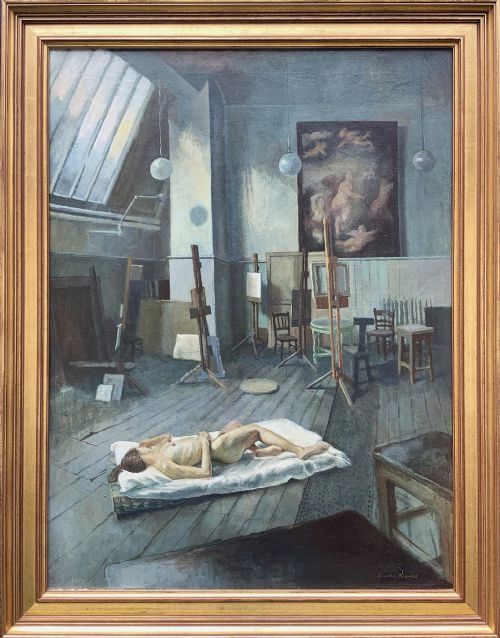
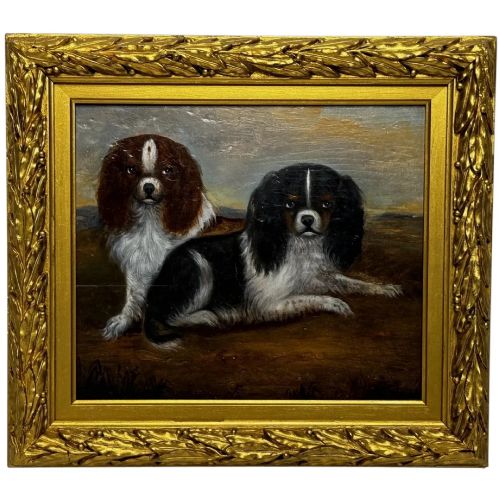
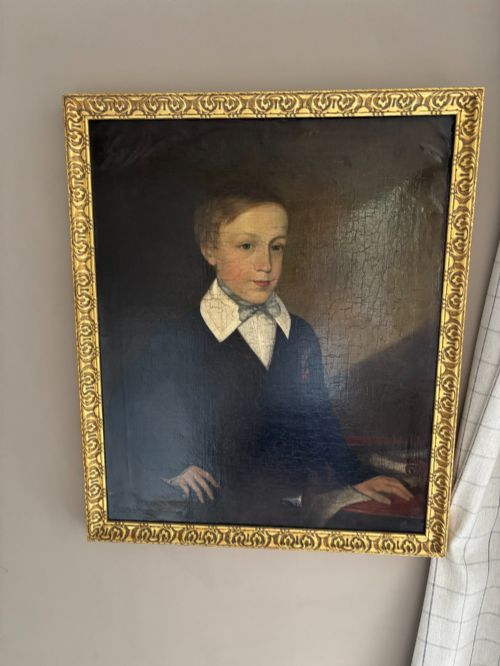
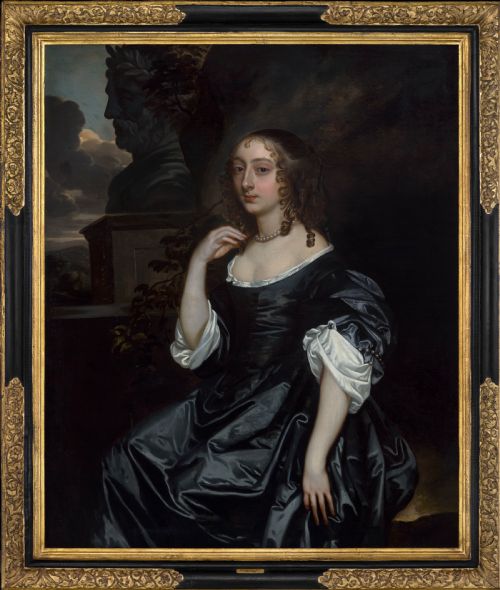
The term antique artwork painting encompasses a wide variety of historic visual creations produced across multiple centuries, ranging from formal portraiture to expansive landscape views. Buyers searching this category frequently encounter works executed on canvas, wood panels, paper, and textile supports.
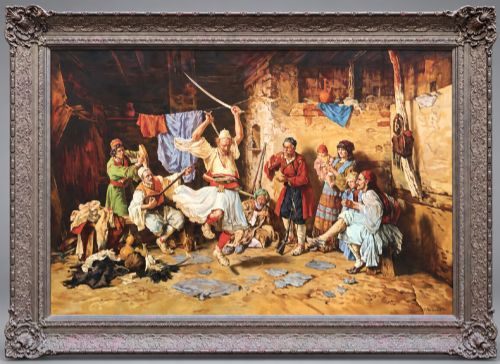
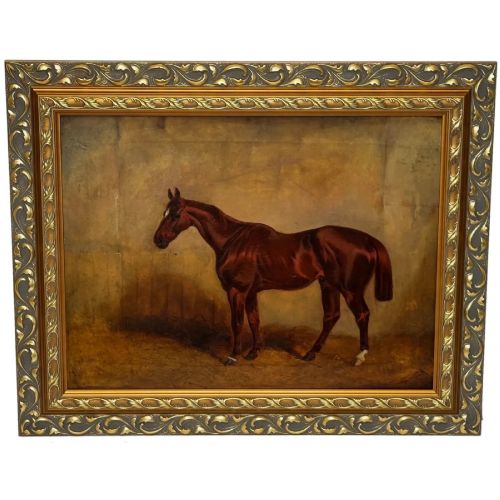
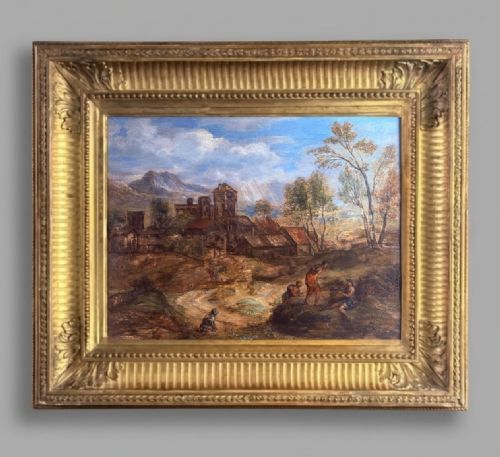
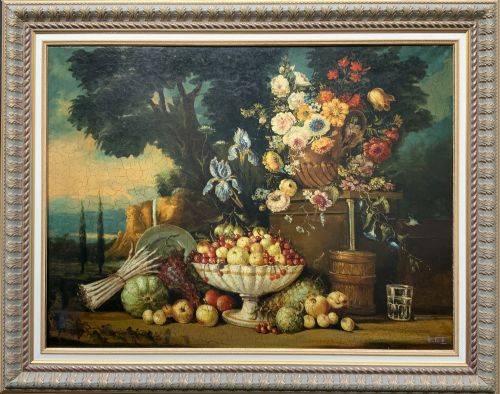
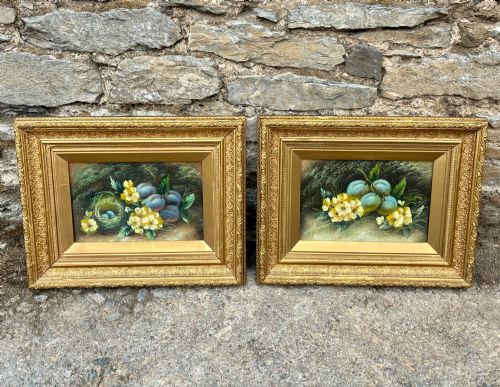
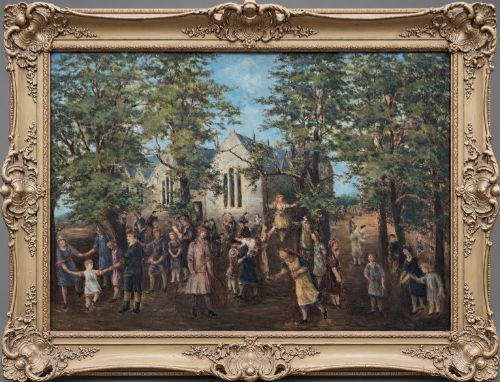
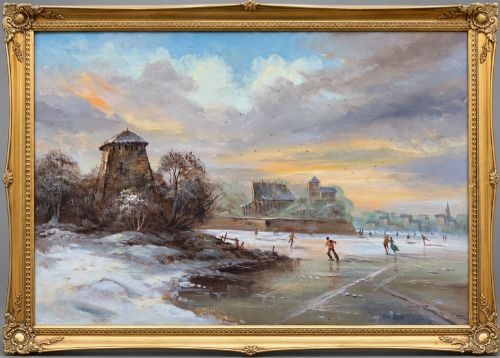
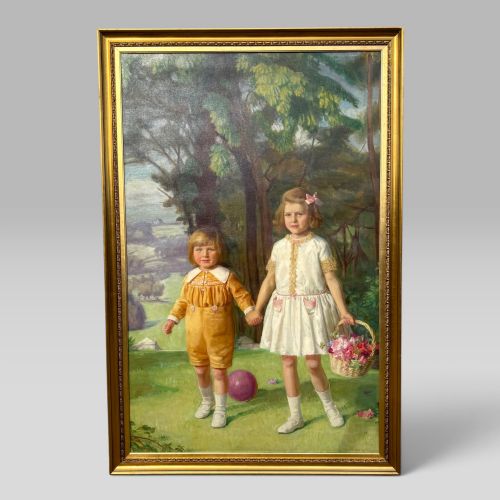
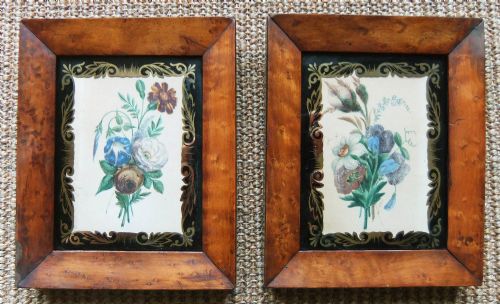
The selection on this page draws primarily from the nineteenth and eighteenth centuries, alongside smaller groups from the seventeenth century and the Edwardian era. Common subjects recorded in the evidence include equestrian portraits, pastoral landscapes, botanical studies, and maritime scenes.
Object types span framed oil paintings, watercolours, gouache works, and specialised regional pieces such as Chinese pith paintings and Balinese textile panels. These works reflect the domestic tastes and decorative traditions of their respective periods.
How they were made
Painters of these periods utilised ground pigments bound in oil, water, tempera, or gouache, applied directly to prepared surfaces such as stretched canvas, wooden panel, paper, or woven textile. Oil on canvas and traditional watercolours form the predominant material basis across the listed works.
Many works incorporate supportive elements like original wooden stretching frames and protective gilt wood or gilded moulding frames. Technique varied according to medium, utilising fine brushwork for detailed portraiture and looser, expressive application for landscape and coastal studies.
Listings include works from the 17th, 18th, 19th, and 20th centuries, utilising oil, watercolour, gouache, and tempera.
What varies in quality
Quality in these paintings rests upon the dexterity of the draughtsmanship, the handling of light and shadow, and the preservation of the original pigment layer. Works executed with confident proportion and anatomical accuracy stand apart from more rigid or formulaic examples.
The integrity of the ground surface, the subtlety of colour blending, and the presence of a distinct attributed or signed hand separate standard decorative output from works by accomplished academic or regional school artists.
David Law·George Sydney Shepherd·Henry Barraud·Irene Christobelle Pownoll Williams·H. Medlycott·Guido Bach·Theude Grönland·Charles-Antoine Coypel·Sir Joshua Reynolds·William Oliver·Eugène Verboeckhoven·Richard Sebastian Bond·Jean-Baptiste Van Loo·David Scougall·George Lorain Stampa·William Beattie-Brown·Thomas Miles Richardson Jnr·James Orrock·William Henry Earp
The Antique Artwork Painting Glossary
- Oil on canvas
- Pigments mixed with a drying oil, typically linseed, applied to a woven fabric support stretched over a wooden frame. This medium allowed artists to achieve rich tonal depth and blend colours directly on the surface.
- Watercolour
- A paint consisting of colour pigments suspended in a water-soluble binder, usually applied to paper surfaces. It produces translucent washes of colour that rely on the reflective quality of the underlying paper.
- Gouache
- An opaque water-based medium containing pigment mixed with water and a binding agent such as gum, often featuring added white chalk. This technique creates a solid, flat surface appearance distinct from transparent watercolour.
- Tempera
- A permanent, fast-drying painting medium consisting of coloured pigments mixed with a water-soluble binder entity, such as egg yolk. It produces a durable matte finish frequently found on wooden panels.
- Gilt wood
- Carved timber decorated with thin applications of gold leaf or gold powder over a prepared gesso ground. Frames finished in this manner frequently accompany period portraits and landscapes.
Antique Artwork Painting: Frequently Asked Questions
What periods do these paintings cover?
The available selection spans from the seventeenth century through the eighteenth and nineteenth centuries, extending into the Edwardian era and the mid-twentieth century.
Most items originate from the nineteenth and eighteenth centuries, representing established academic, realist, and regional schools of painting.
How were these paintings supported?
Artists utilised various supports depending on the medium and period, including stretched canvas, wooden panels, heavy paper sheets, and textile supports.
Watercolours and gouache works generally appear on paper or pith paper, whilst oil paintings are predominantly executed on canvas or wood.
What subjects are most common?
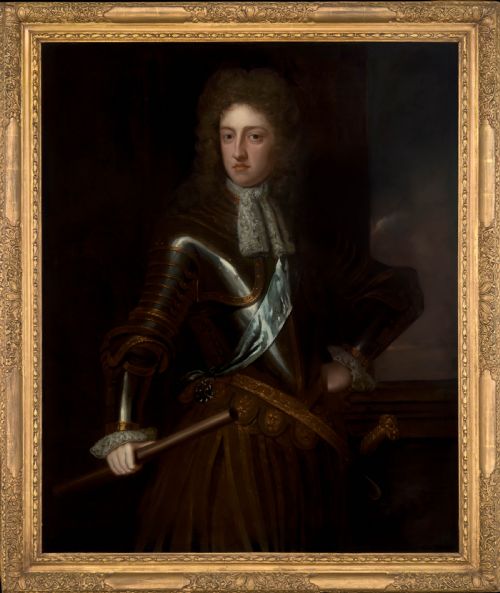
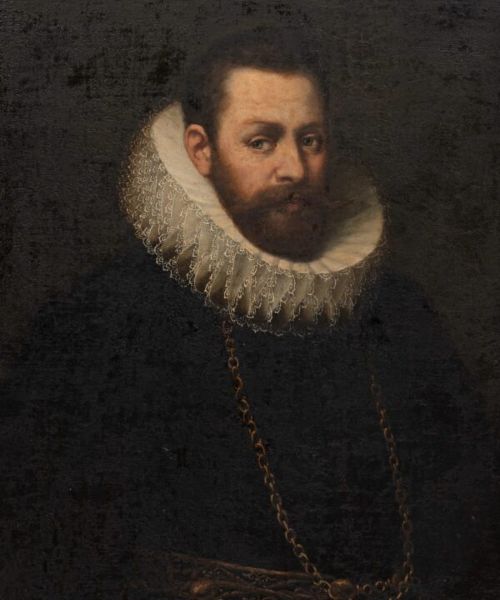
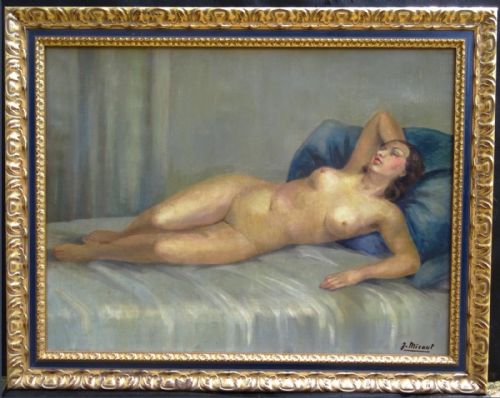
The listings feature a high proportion of portraiture depicting individuals, military officers, and nobility, alongside rural, maritime, and architectural landscapes.
Still life compositions featuring floral arrangements and animal studies also appear frequently across the historical selections.
Are these works framed?
Many of the listed pieces retain period framing, including decorative gilt wood and wooden mouldings suited to the style of the artwork.
Framing formats range from simple contemporary surrounds to ornate historic frames that complement the date and origin of the painting.