



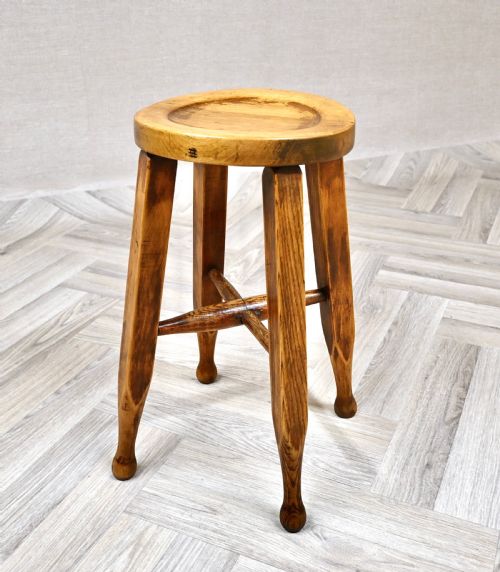
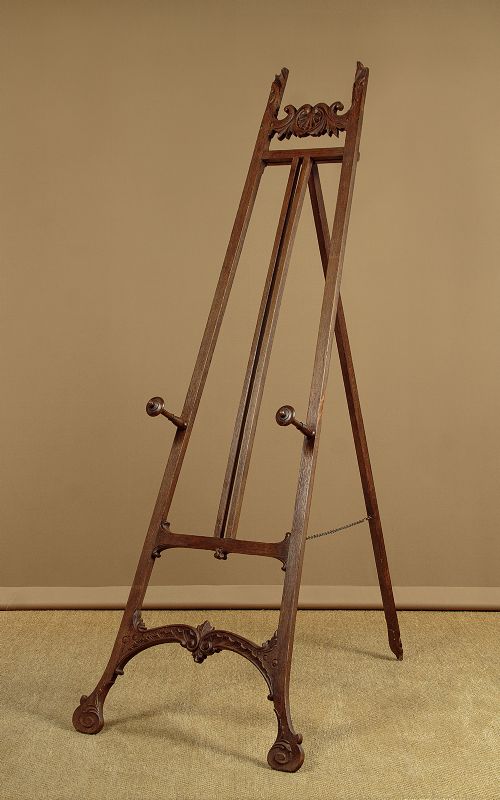
Antique Artist Stand
An antique artist stand provides a sturdy working base or display point, bringing both period character and practical function to a studio.

Antique Artist Stand
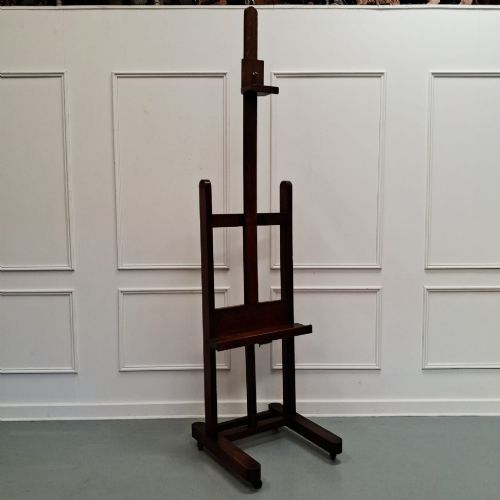
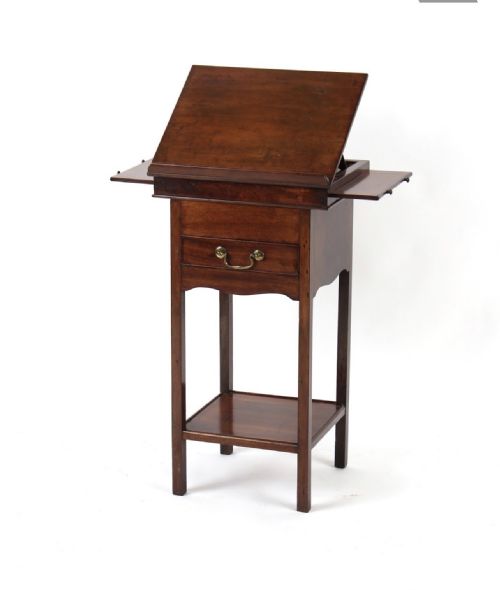
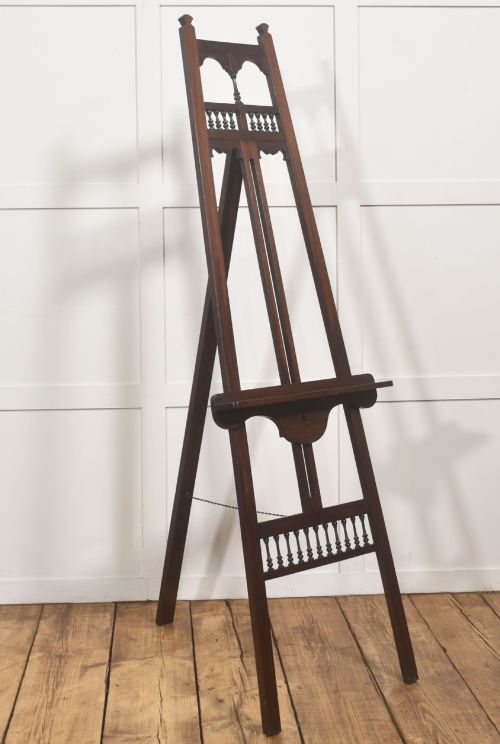
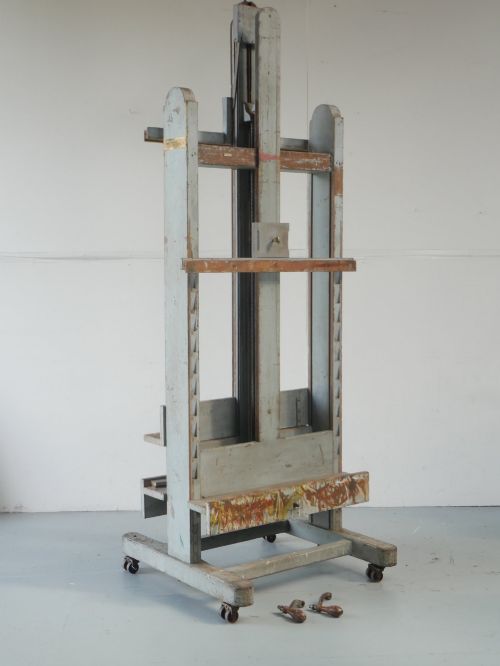
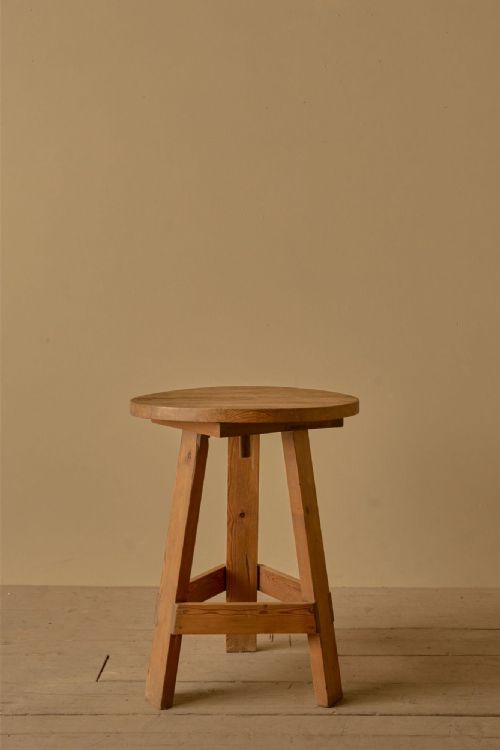
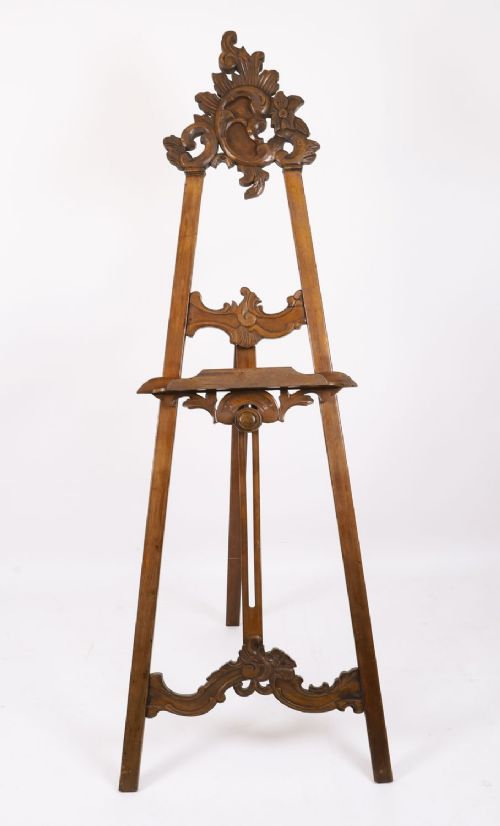
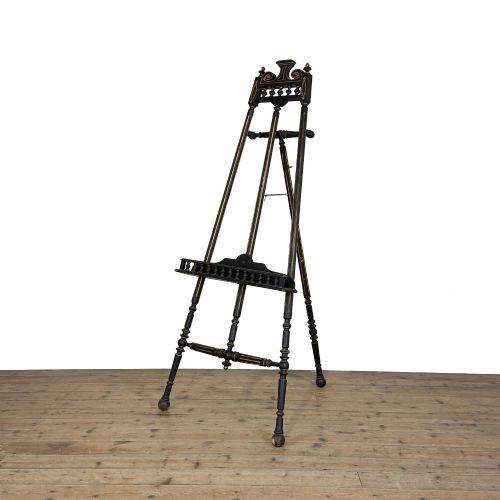
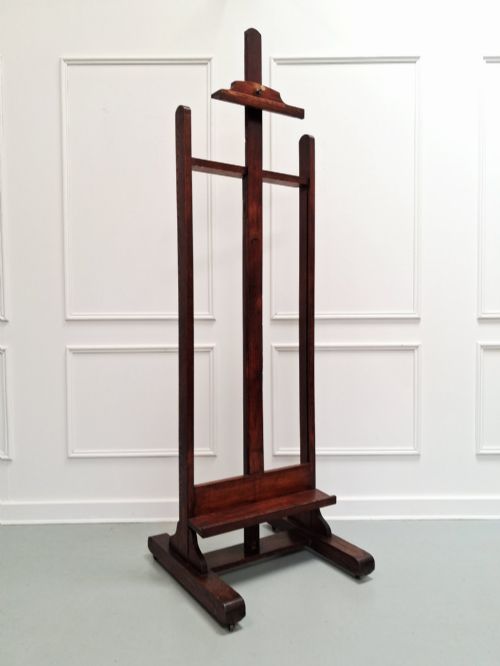
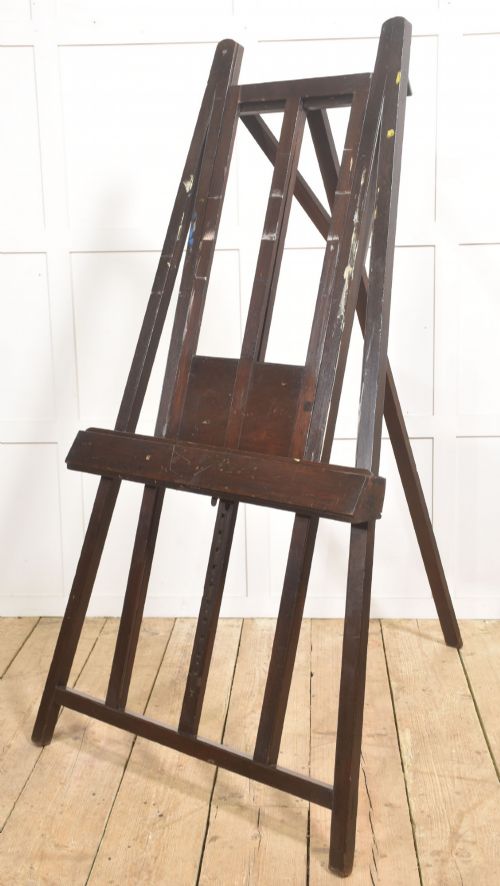
When you search for an antique artist stand, you encounter a specialised group of studio equipment designed for painters, sculptors, and architects. These pieces include adjustable floor standing easels, tabletop easels, folio stands for prints, sculptors stands, and materials tables.
The selections span several centuries, with prominent examples originating in the Georgian, Regency, and Victorian eras, alongside early twentieth century French and English pieces. Oak and mahogany dominate the wooden forms, while bronze and cast iron appear in sculptural supports and pedestals.
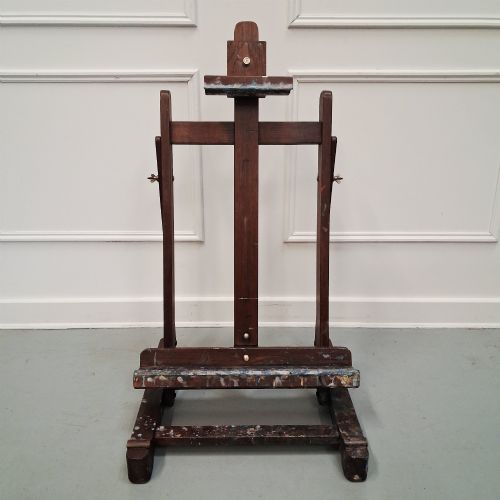
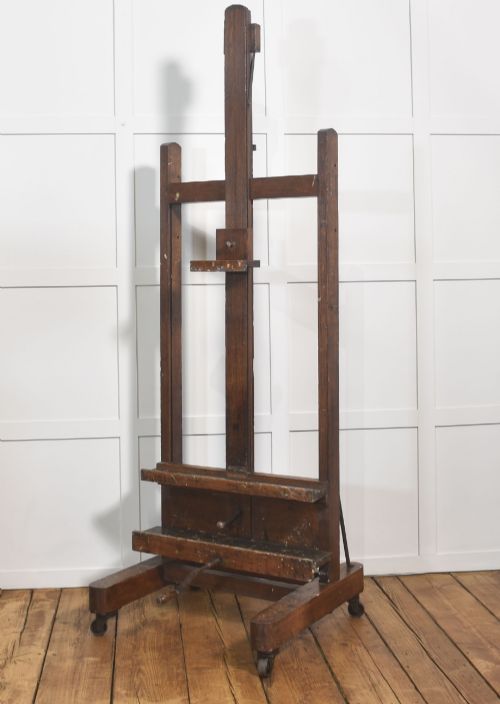
Studio easels often feature fully adjustable mechanisms for large canvases, while folio stands provide deep troughs for paper collections and architectural plans. Sculptor stands offer rotating or tall platforms tailored for modelling three dimensional work.
How they were made
Cabinet makers utilised dense hardwoods such as oak, mahogany, walnut, and pitch pine to ensure structural stability under heavy canvases and stone sculptures. Joinery methods included sturdy framing, panel construction, and brass winding mechanisms for height adjustment.
Metal components involved cast iron, bronze, and brass, utilised for winding handles, pivoting joints, and decorative inlays like ivory. Sculptors stands and pedestals frequently incorporated heavy iron bases to prevent tipping during active modelling work.
Antique Artist Stand Retail Price Guide 2026
Typical asking prices for artist stand among the pieces listed under this phrase on Sellingantiques today, from the lower quarter to the upper quarter. They describe what is for sale here now, not the wider market.
Listings feature studio equipment spanning the Georgian, Regency, and Victorian periods, alongside early twentieth century French provincial designs.
What varies in quality
Quality rests upon the integrity of the mechanical adjustments, the retention of original winding handles, and the density of the chosen timber. Pieces retaining original makers stamps or specialist supplier signatures command greater interest among collectors.
The finesse of the joinery and the survival of original painted or polished surfaces distinguish utilitarian workshop items from fine parlour display pieces. Studio wear and patination show active use, but smooth operation of ratchets and screws marks superior construction.
Windsor and Newton·Roberson and Co·Reeves and Sons London·Francois pierre Guillois·Jean Jules Salmson·Anders Zorn·Hebrard·Feridah Francis Forbes Taylor
The Antique Artist Stand Glossary
- Folio stand
- A piece of furniture featuring a sloping trough designed to hold large prints, drawings, and architectural plans safely. These often fold flat when not in use.
- Studio easel
- A large, heavy standing frame equipped with winding mechanisms and pegs to support canvases of varying sizes while artists paint. They are built for stability.
- Lay figure
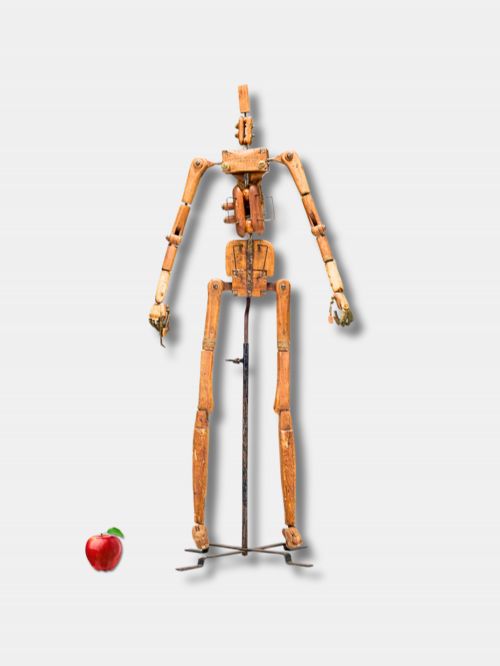
- An articulated life size mannequin made of wood or papier mache, used by artists to drape garments and study the fall of fabric. They possess movable joints.
- Architects table
- A specialised desk featuring a rising or tilting desktop to assist draughtsmen and painters with large scale drawings. They often include drawers for utensils.
- Sculptors stand
- A heavy, often rotating pedestal designed to hold wet clay or stone at a convenient working height. They require robust bases to bear immense weight.
Antique Artist Stand: Frequently Asked Questions
What is a folio stand used for?
A folio stand holds large portfolios containing fine art prints, watercolours, maps, and architectural drawings in an upright or slightly angled position. The open trough allows easy browsing without damaging delicate paper edges.
In period settings, these stands served architects and print collectors who needed quick access to bulky paper collections in a study or library.
Are sculptor stands sturdy enough for daily use?
Sculptors stands are built with heavy timber or cast iron bases specifically designed to support dense materials like wet clay, plaster, and stone without wobbling. Their robust construction makes them exceptionally stable for everyday tasks.
Many feature rotating tops that allow you to walk around a piece of work while keeping it stationary, which remains highly practical for modern display purposes.
How do I distinguish Regency from Victorian easels?
Regency stands often feature crisp architectural lines, brass stringing, and select mahogany timbers influenced by classical design. They tend to look refined enough for a formal drawing room.
Victorian pieces frequently display heavier proportions, pitch pine or oak construction, and complex mechanical adjustments reflecting the industrial innovations of the later nineteenth century.