


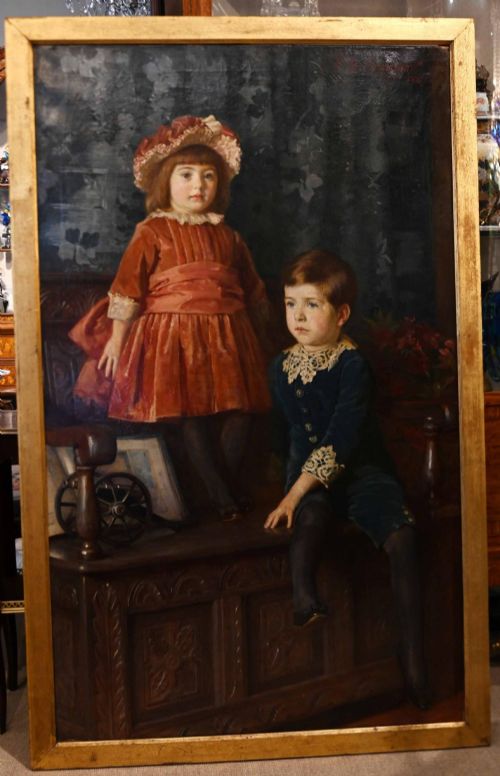
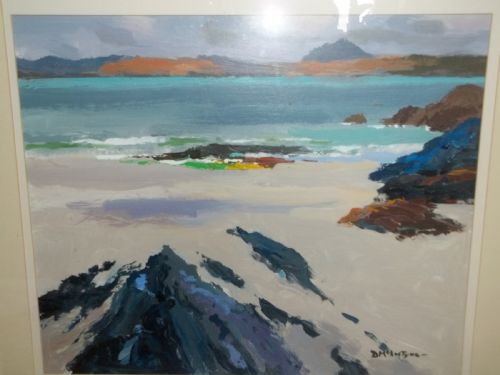
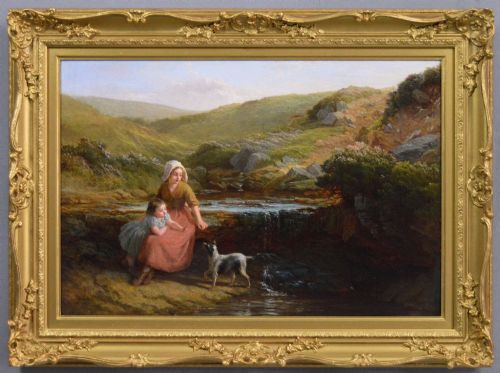
Antique Artist Painting
An antique artist painting brings the direct hand of a historical painter into a room, offering genuine character that mass-produced prints simply cannot replicate.
Antique Artist Painting
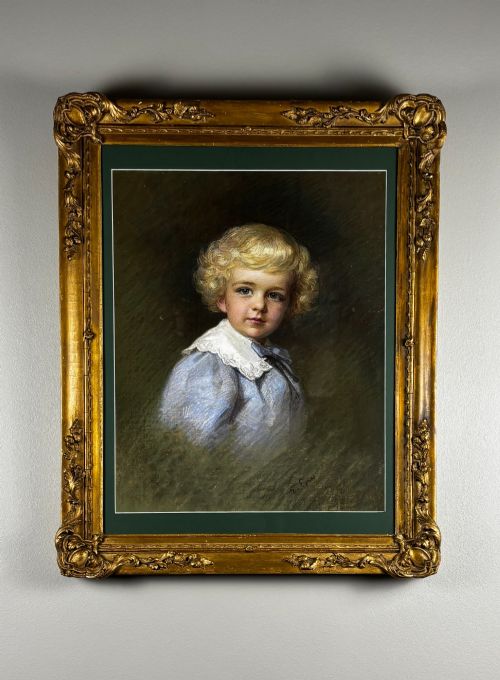
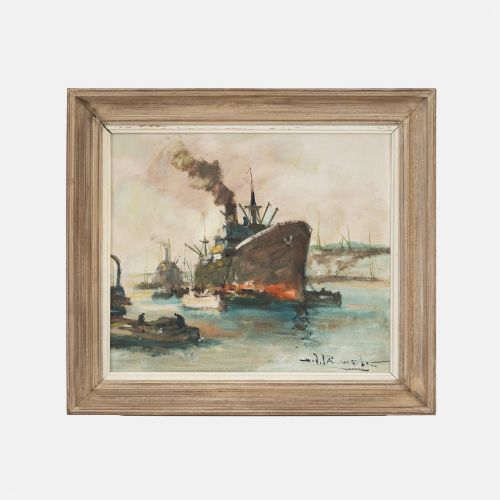
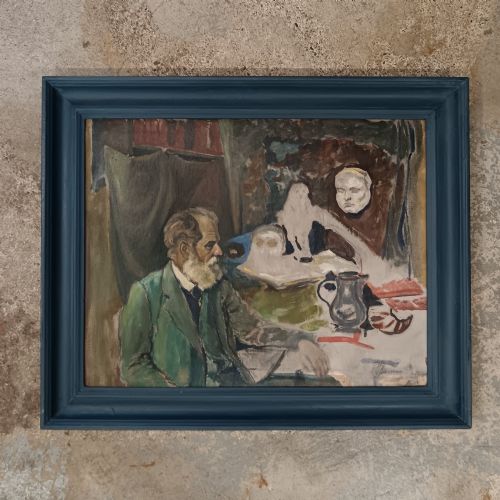
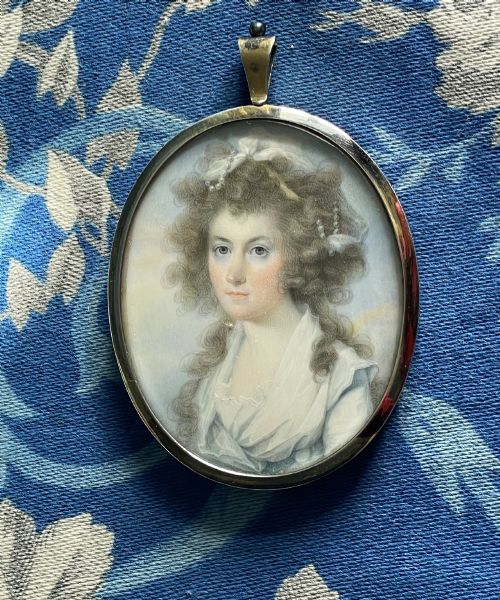
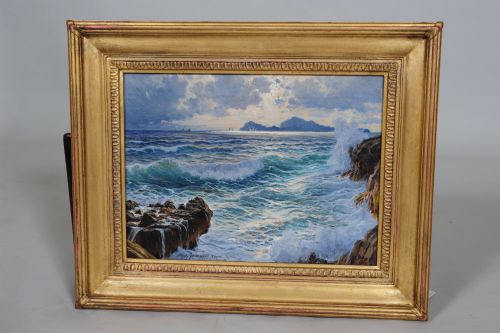
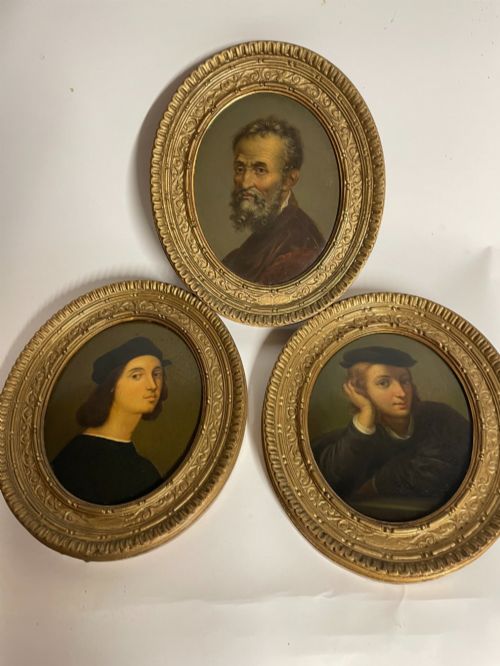
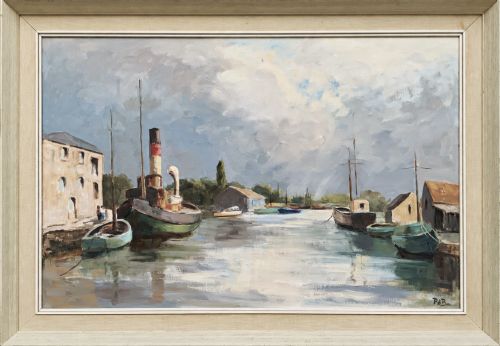
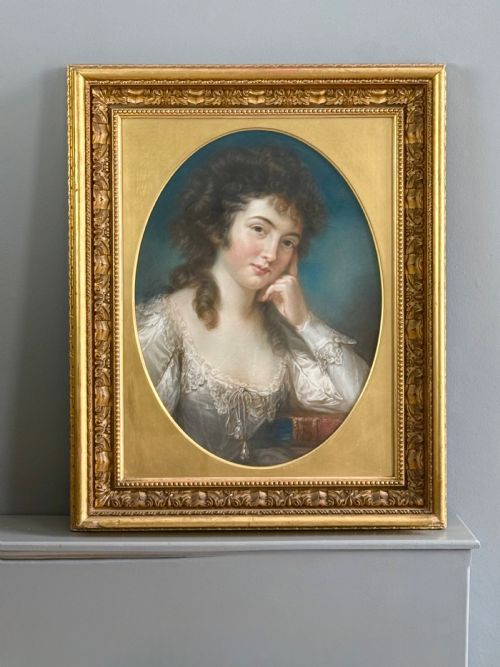
When you search for an antique artist painting, you encounter works spanning the seventeenth century through to the early twentieth century, taking the form of portraits, landscapes, marine scenes, and genre studies.
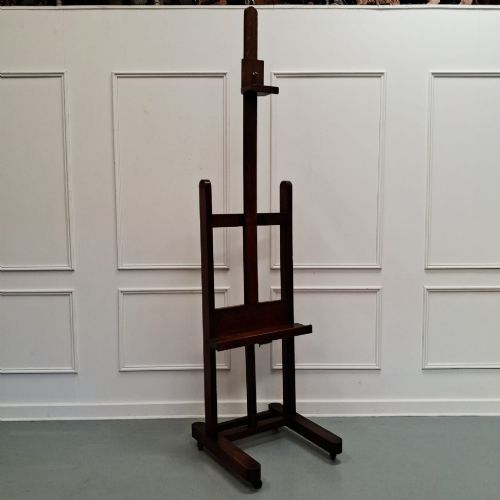
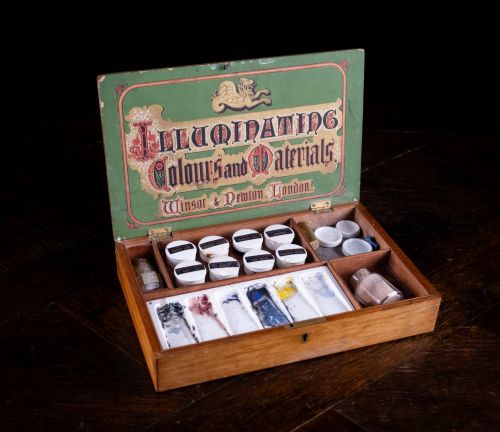
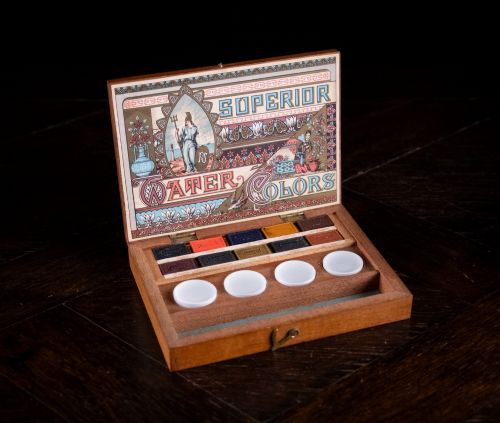
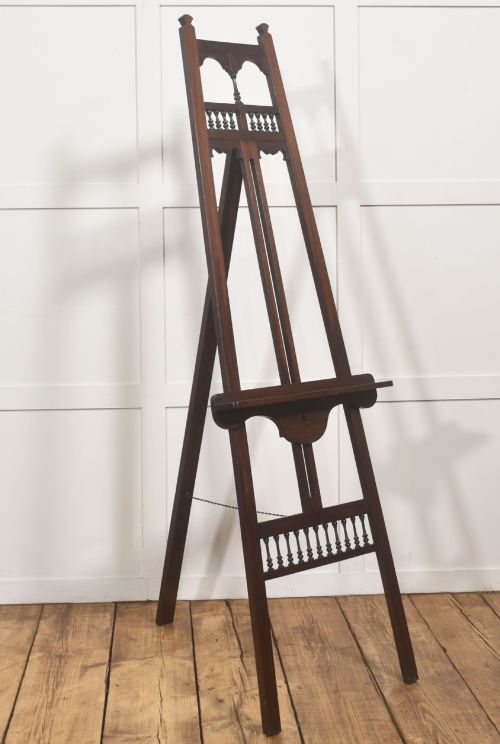
The pieces on this page include oil on canvas, oil on board, watercolours, and pastels, alongside studio equipment like large oak and mahogany floor-standing and tabletop easels.
Most entries originate from named British and European painters, depicting subjects ranging from domestic scenes and Venetian views to botanical studies and individual sitters.
Materials and construction
Paintings rely on pigments bound in oil applied to stretched canvas or wooden panels, while works on paper utilise watercolour or pastel applied to heavy stock.
Frames and support furniture are constructed from dense hardwoods such as oak and mahogany, often featuring gesso ornamentation, ebonised finishes, or giltwood highlights.
Studio easels employ functional mechanical adjustments using metal hardware to raise and lower heavy frames during the creative process.
Antique Artist Painting Retail Price Guide 2026
Typical asking prices for artist painting among the pieces listed under this phrase on Sellingantiques today, from the lower quarter to the upper quarter. They describe what is for sale here now, not the wider market.
Listings feature works executed on paper, wood panels, and canvas across the seventeenth, eighteenth, nineteenth, and early twentieth centuries.
Assessing the work
Quality rests in the assured handling of light, shadow, and proportion by the painter, distinguishing a swift sketch from a fully resolved exhibition piece.
The preservation of the original surface, stability of the canvas or paper support, and the integrity of the period frame dictate the overall preservation state.
Douglas Cameron·John Russell·Sir David Murray·Edward Holmes·Joseph Clover·David Scougall·Thomas Ellison·George Willison·John Opie·James Smetham·Oliver Clare·George Houston·Eric Robertson·Robert John Hammond·Carl Felkel·Carl Haag·Robert Watson·Charles James McCall·Florence Small·Emily Eyres·John Alfred Wheeler·Alexander Jamieson·Michael Healy
The Antique Artist Painting Glossary
- Oil on Canvas
- Pigments mixed with a drying oil medium applied to a woven fabric support stretched across a wooden frame. This technique allows for rich colour blending and textured impasto work.
- Watercolour
- Finely ground pigments suspended in a water-soluble binder applied to paper. It yields translucent washes of colour and delicate detail.
- Pastel
- A dry drawing medium composed of powdered pigment and a binder formed into sticks. It produces a velvety matte surface that requires protective glass.
- Genre Painting
- Depictions of everyday life and ordinary people engaged in common activities. These works focus on narrative rather than portraiture or landscape alone.
- Studio Easel
- A sturdy wooden upright stand designed to hold large canvases securely while an artist works. They often feature adjustable winches and castors for mobility.
Antique Artist Painting: Frequently Asked Questions
How do I clean an antique oil painting?
Surface dust can be gently removed with a very soft, dry brush, but any deeper cleaning must be left to a professional conservator.
Touching the painted surface with water or chemical solvents risks removing delicate layers of historical pigment.
Where should I hang a watercolour painting?
Watercolours must be placed away from direct sunlight to prevent the pigments from fading entirely over time.
Keeping them in rooms with stable humidity protects the paper and prevents foxing spots from developing.
How are studio easels used today?
These robust wooden frames serve as prominent display stands for showing large artworks or mirrors within a home.
Their adjustable mechanisms still function, allowing owners to alter the height and angle of the displayed piece.
How can I tell a portrait's period?
Clothing, hair styling, and framing styles provide the clearest visual clues for dating a historical portrait.
Signatures, exhibition labels on the reverse, and stretcher construction offer further confirmation of the era.