

Antique Art Screen
These antique art screen examples bring functional beauty to rooms, offering painted panels, metalwork, and folding divisions for the home.
Antique Art Screen
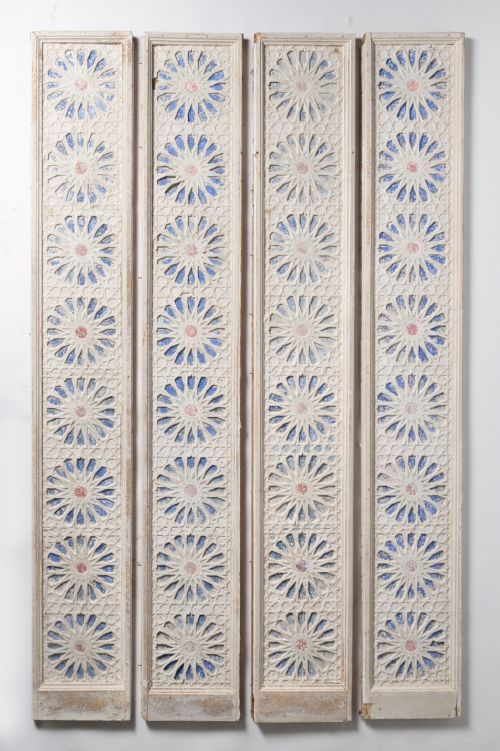
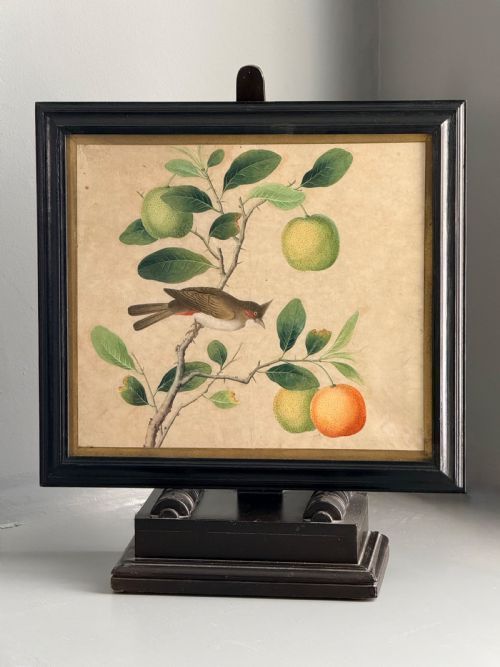
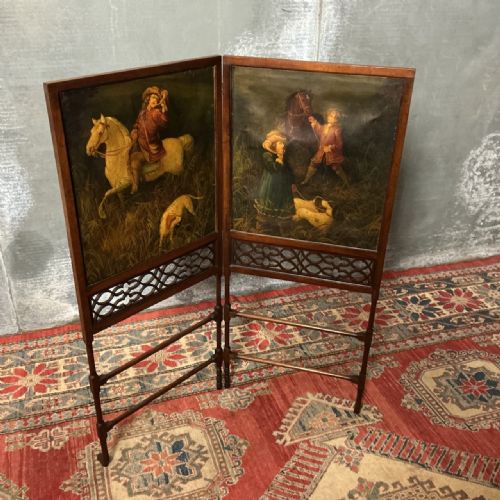
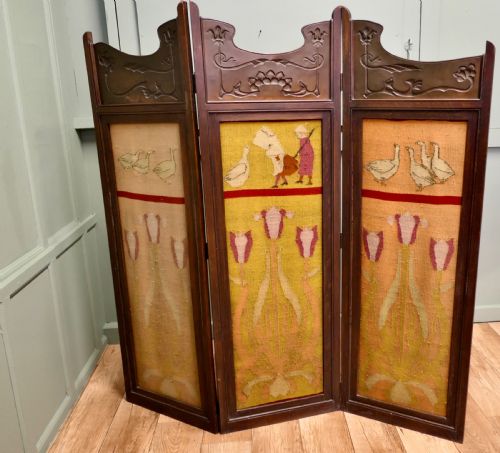
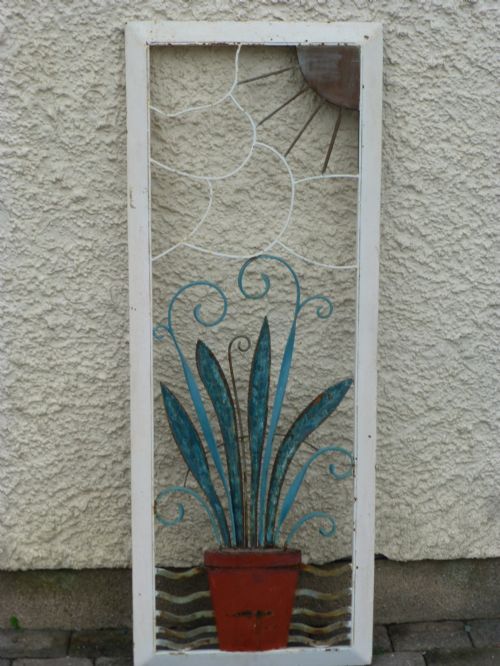
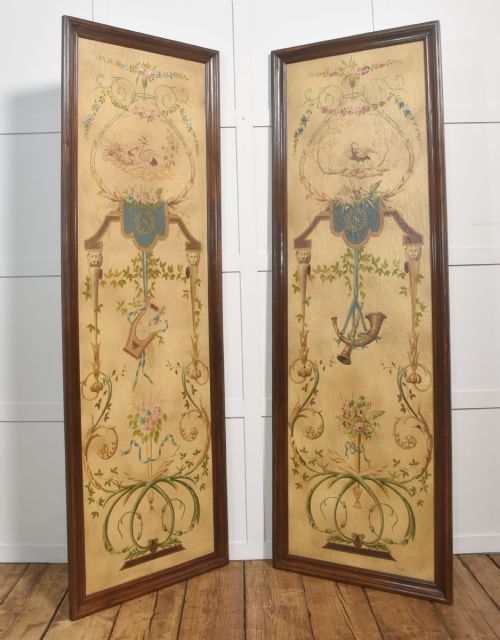
An antique art screen encompasses folding room dividers, decorative wall panels, and firescreens designed to protect rooms from hearth heat or partition interior spaces. When you search for an antique art screen, you encounter versatile furnishings intended to organise rooms or display painted and embroidered imagery.
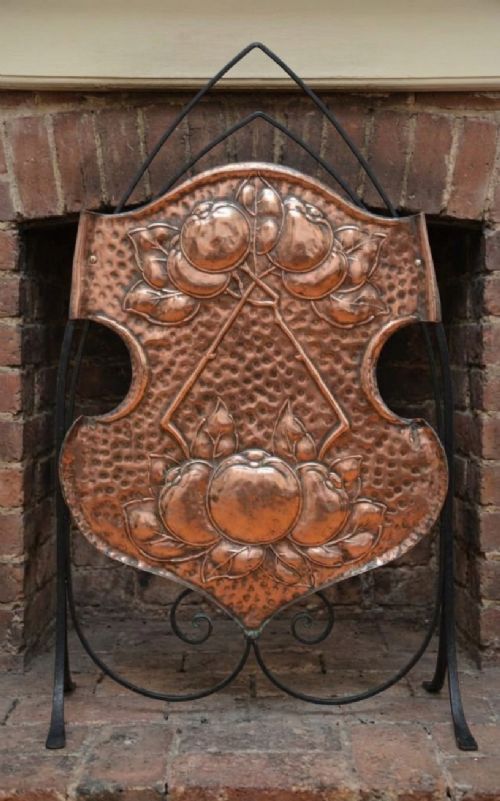
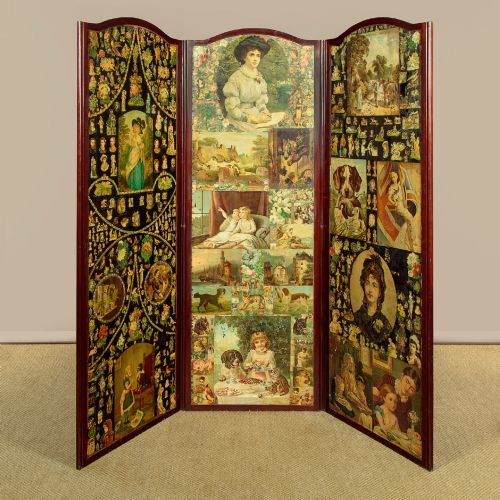
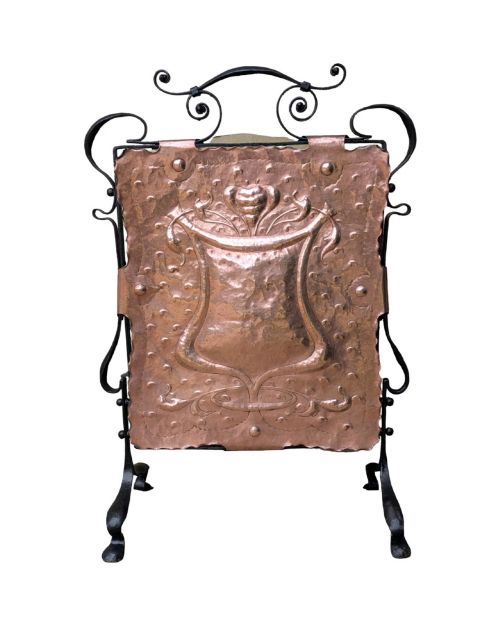
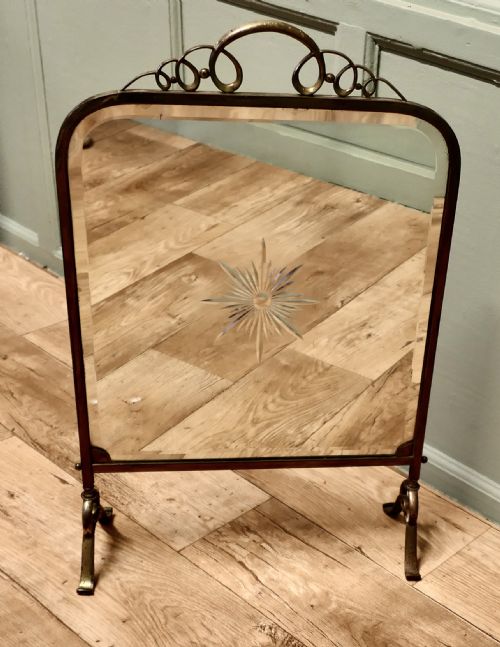
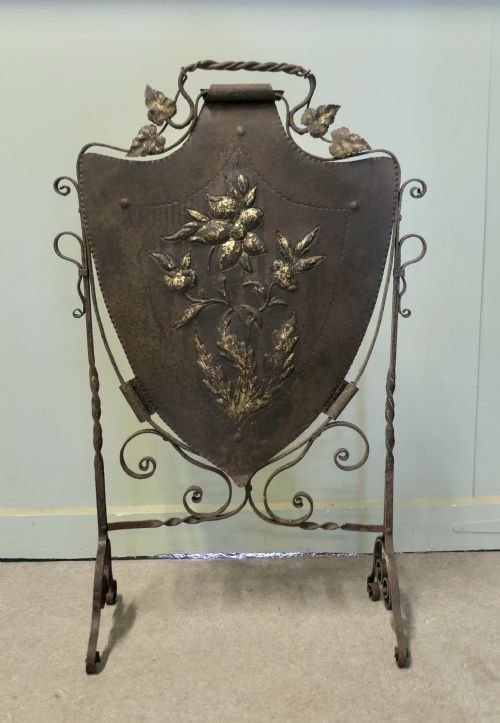
The versions most common on this page are metal and wood fire screens from the Victorian, Edwardian, and Art Nouveau periods, alongside folding room dividers and painted panels. These pieces range from simple wrought iron guards to elaborate copper and brass frames inset with mirrors, stained glass, or textile panels.
How they were made
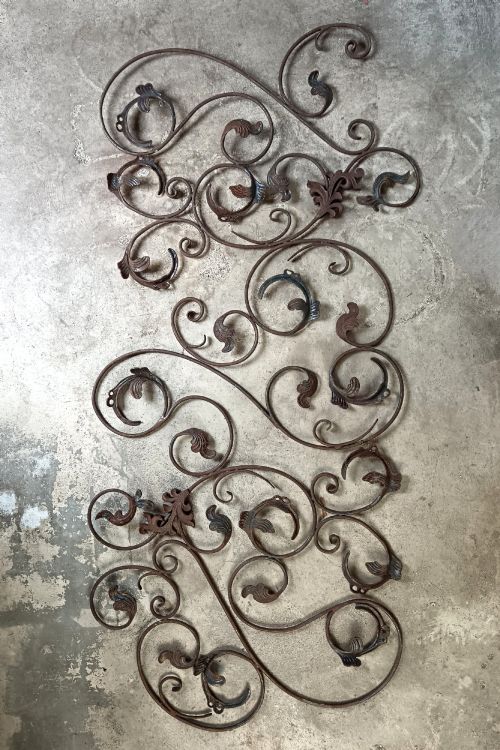
These items combine metals like brass, copper, wrought iron, and bronze with timber frames of mahogany, walnut, and oak. Smiths hammered and polished iron and copper into floral motifs, while joiners constructed folding panels for canvas, leather, and painted boards.
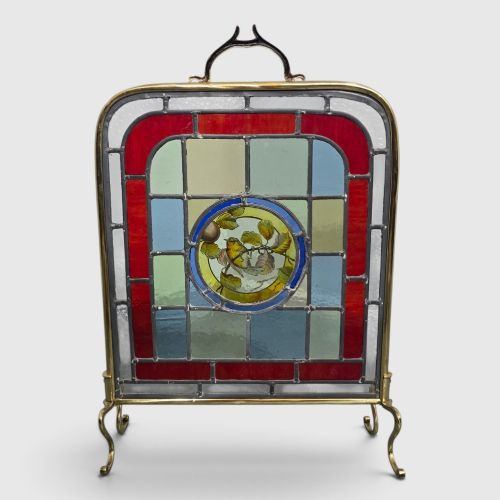
Artisans applied oil paint, gouache, lacquer, and embroidery directly onto canvas, silk, pith paper, and wood. Many firescreens integrate cut glass, mirrors, or stained glass into the metal framework to reflect hearth light.
Antique Art Screen Retail Price Guide 2026
Typical asking prices for art screen among the pieces listed under this phrase on Sellingantiques today, from the lower quarter to the upper quarter. They describe what is for sale here now, not the wider market.
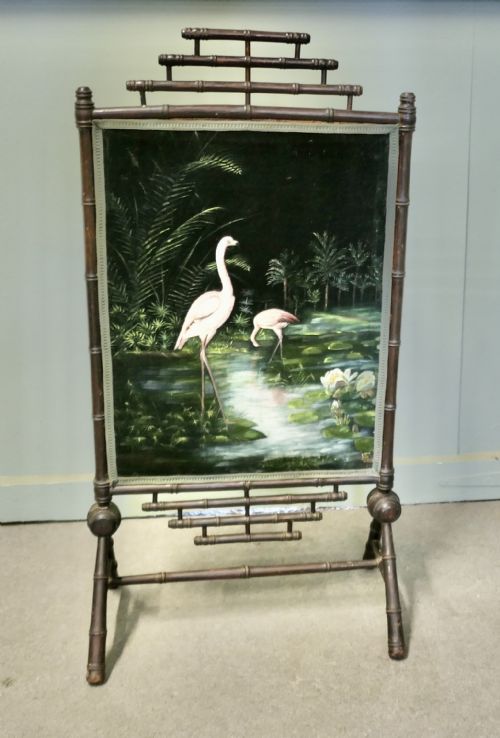
Flamingos stride across a black lacquer oriental fire screen, bringing unexpected tropical wildlife into nineteenth-century hearths.
What varies in quality
The calibre of an antique art screen depends on the execution of its decorative elements, from hand-beaten metalwork to the detail in painted canvases and embroidered panels. Superior examples display refined chisel work on bronze and brass, alongside careful joinery in folding wooden frames.
Design cohesion also distinguishes finer pieces, where the supporting iron or brass stand integrates seamlessly with the central glass, mirror, or textile art. Pieces showing distinct artistic movements like Arts and Crafts or Art Nouveau reveal greater care in styling and material combination.
Raymond Subes·William Morris
The Antique Art Screen Glossary
- Firescreen
- A portable panel placed in front of an unused fireplace to decorate the hearth or block draughts. These often feature adjustable glass or metal reflectors.
- Room divider
- A folding screen consisting of multiple hinged panels used to partition a space or create privacy. They typically feature wood, canvas, or painted leather.
- Chinoiserie
- European decorative art reflecting Chinese artistic styles, commonly seen on lacquered panels and folding screens. This style flourished across the eighteenth and nineteenth centuries.
- Gouache
- An opaque watercolour paint used on paper or canvas to create flat, vibrant areas of colour. It appears on detailed panel paintings within antique screens.
- Repoussé
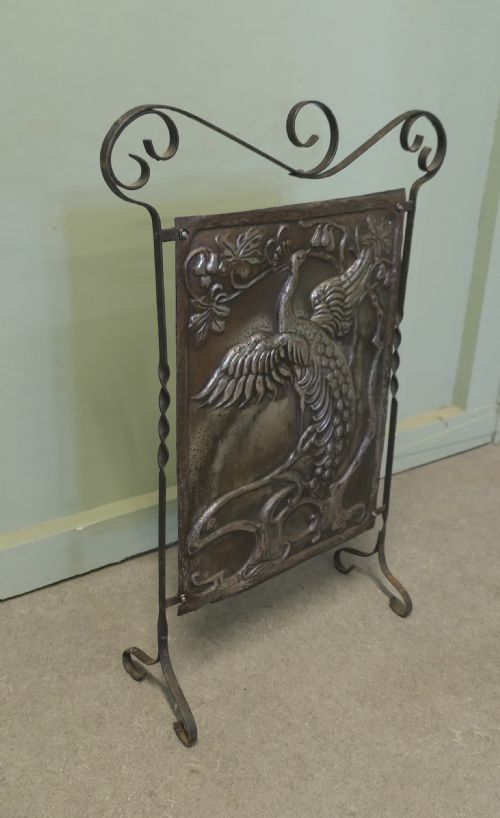
- A metalworking technique where the artisan hammers the metal from the reverse side to form raised designs. This method appears frequently on copper and brass firescreens.
Antique Art Screen: Frequently Asked Questions
What is an antique art screen used for?
These pieces served multiple domestic functions, primarily shielding rooms from excessive hearth heat during warmer months or blocking draughts from open chimneys.
Larger folding versions partitioned large rooms to create private areas, while decorative panels served as wall art or architectural elements.
How do I identify an Art Nouveau screen?
Art Nouveau pieces display characteristic organic motifs, including whiplash curves, stylized flowers, peacocks, and natural plant forms. These designs appear most often in beaten copper, brass frames, and wrought iron.
Makers of this style often combined mixed media, integrating stained glass, mirrors, or embroidered textiles into the metal armature.
How do I care for an antique screen?
Maintenance depends entirely on the materials comprising the screen, requiring gentle dusting for wooden frames and dry cloths for painted canvases. Metal components like brass and copper benefit from minimal intervention to preserve their historic patina rather than aggressive polishing.
Keep these items away from direct sunlight and damp environments to protect delicate textiles, paper elements, and lacquer finishes.
What is a dummy board?
A dummy board is a painted wooden figure cut out to life-size proportions, designed to deceive the eye into thinking a person or animal stands in the room. These decorative items often sat near fireplaces or in hallways during earlier centuries.
They represent a distinct form of flat screen art made from timber boards rather than hinged folding panels.