

Antique Art Plate
When you search for an antique art plate, you uncover a distinct array of decorative ceramics, metal chargers, and framed educational prints spanning from the nineteenth century into the mid-twentieth.
Antique Art Plate
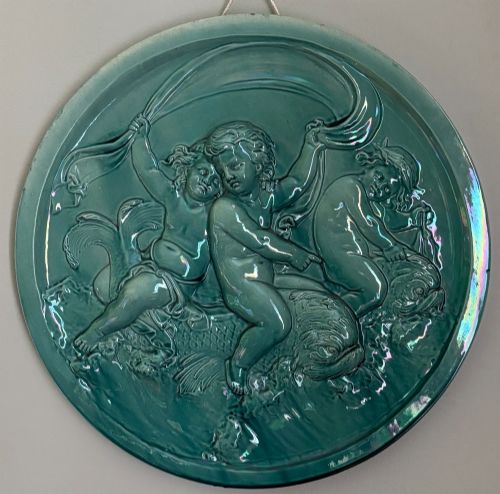
The term antique art plate covers a diverse selection of decorative items, ranging from hand-painted porcelain chargers and Japanese Imari plates to early twentieth-century medical and architectural plates. Buyers hunting for these pieces will encounter everything from large ceramic display dishes to framed copper and paper prints originating across European and Asian workshops.
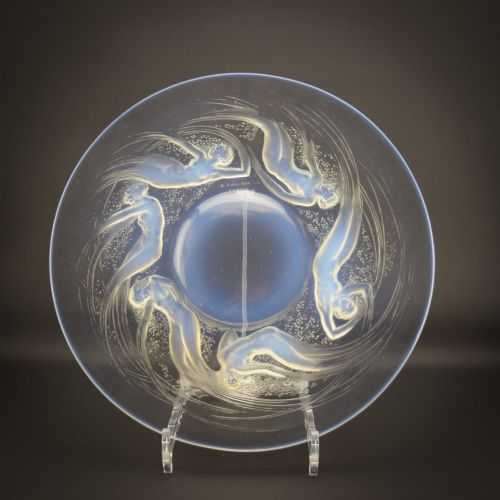
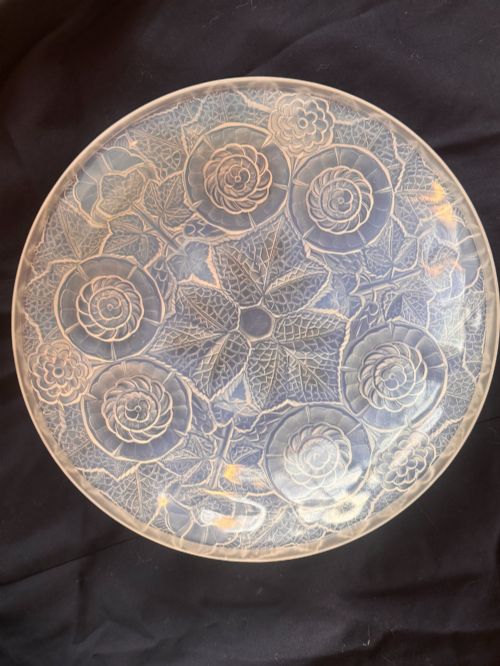
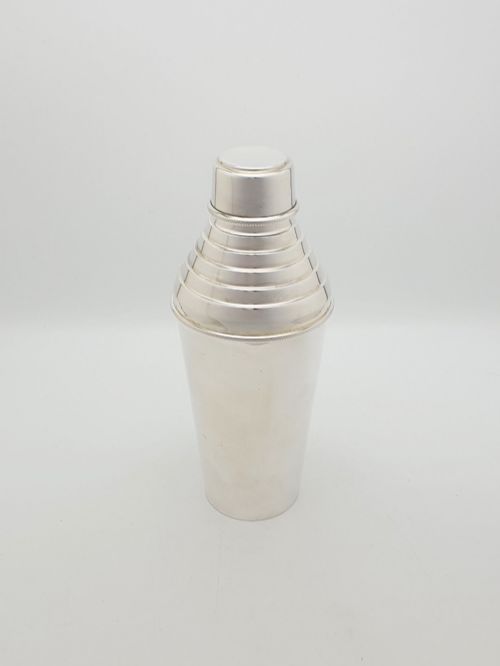
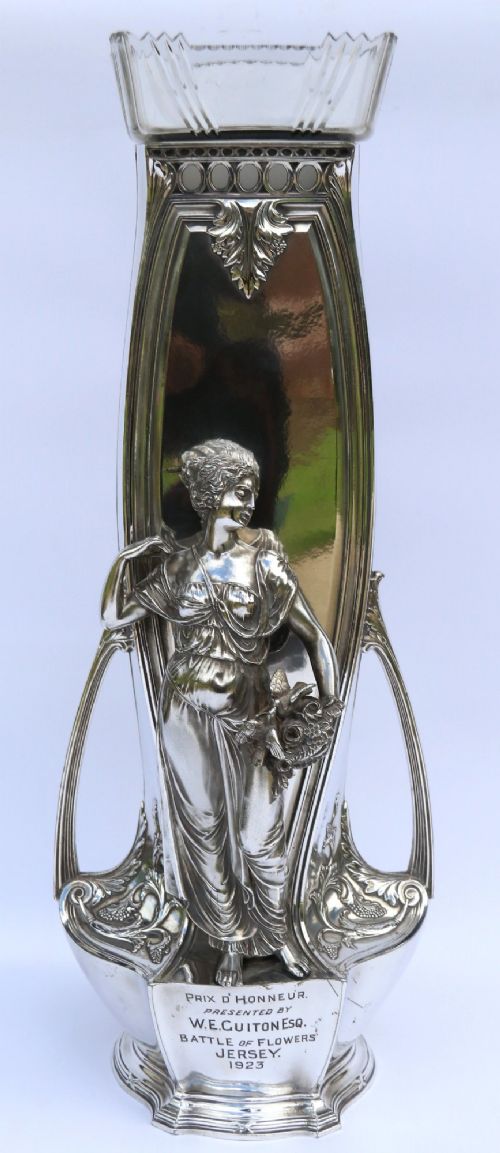
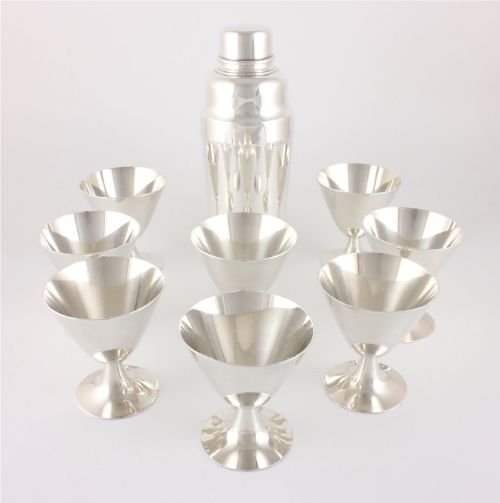
The pieces on this page lean heavily towards late nineteenth-century craftsmanship and early twentieth-century modernist designs. You will frequently find items catalogued under styles such as Art Deco, Art Nouveau, and Arts and Crafts, often featuring materials like earthenware, porcelain, and silver plate.
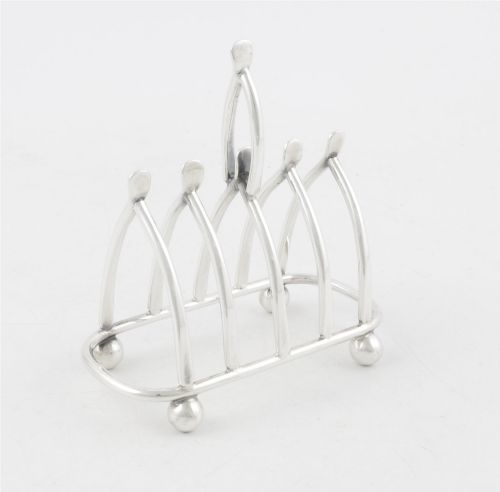
While some items serve a strictly visual purpose as wall plaques or decorative chargers, others represent functional domestic objects adapted for display. Collectors examine the surface decoration, whether it is intricate enamel work, hand-painted battle scenes, or precise anatomical engravings, to understand the exact utility and origin of the piece.
Materials and Techniques
The physical construction of these objects relies heavily on traditional ceramic firing, metal casting, and precision engraving techniques. Makers utilised earthenware, Paris porcelain, and bronze alongside plated and solid metals to achieve both rigid structure and fine surface detail.
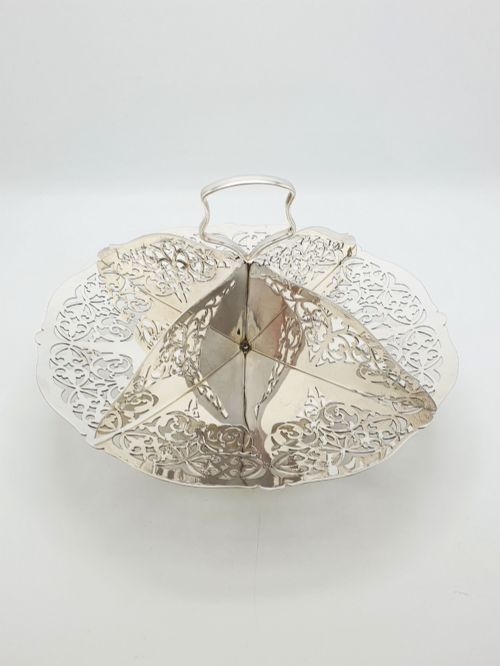
Surface ornamentation defines the category, incorporating hand-painted pigments, cloisonné enamel, and engraved repoussé work on copper and silver. Artisans applied patination, gold and silver inlay, and detailed etching to elevate utilitarian metals and plain ceramics into finished works of art.
Antique Art Plate Retail Price Guide 2026
Typical asking prices for art plate among the pieces listed under this phrase on Sellingantiques today, from the lower quarter to the upper quarter. They describe what is for sale here now, not the wider market.
Even a railway sleeping compartment gets an artful touch with a silver plate sink.
Assessing Quality and Execution
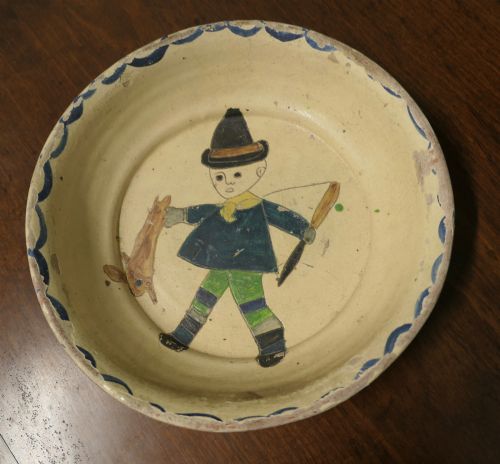
The distinction between standard domestic items and superior examples lies in the crispness of the execution and the depth of the hand-worked detail. Superior porcelain dishes exhibit meticulous brushwork in hand-painted pictorial scenes, whereas lesser items rely on simpler, mass-produced transfers or straightforward glazes.
Metalwork quality is measured by the weight of the base material, the evenness of the silver or nickel plating, and the sharpness of chased or repoussé motifs. Pieces bearing recognised maker marks or signatures display a higher level of finishing in hidden joints, rims, and borders.
Christofle Paris·Carltonware·Mappin and Webb·Hutton Sheffield·WMF·Asprey and Co·Rene Lalique·Adam Rouilly
The Antique Art Plate Glossary
- Charger
- A large ornamental plate or dish traditionally used for display rather than dining. These substantial pieces often feature elaborate pictorial scenes or repoussé metalwork.
- Cloisonné
- An ancient technique for decorating metalwork objects with coloured material held in place by thin metal strips welded to the base. This method creates vibrant, patterned surfaces on copper and bronze vessels.
- Repoussé
- A metalworking technique where an artisan hammers the material from the reverse side to form a raised design in relief. It requires immense skill to achieve balanced proportions and clean lines.
- Imari
- A traditional style of Japanese export porcelain characterised by a distinct palette of underglaze blue, iron red, gold, and supplementary colours. These ceramics gained immense popularity in European interiors during the nineteenth century.
- Silver Plate
- A thin layer of silver applied to a base metal such as copper, nickel, or brass. The durability and finish of the plating vary significantly depending on the manufacturing period.
Antique Art Plate: Frequently Asked Questions
What is an antique art plate?
An antique art plate is a broad term encompassing decorative ceramic dishes, metal wall chargers, and printed architectural or medical plates from past centuries. These pieces were created primarily for visual display, interior decoration, or educational study rather than everyday dining.
Buyers often select them to anchor a gallery wall, accent a cabinet, or introduce period character into a modern interior. The category spans diverse cultures and artistic movements, including Japanese Imari ware, French porcelain, and British Arts and Crafts metalwork.
How were decorative chargers used?
Historically, large chargers served both practical and ceremonial functions in wealthy households, sometimes positioned beneath smaller dishes during formal dining or displayed upright on sideboards. Over time, their primary role shifted entirely to wall decoration and tabletop display.
In modern settings, collectors mount these pieces using specialised brackets or place them on plate stands to showcase their painted scenes, repoussé metalwork, or intricate enamel designs.
How do I care for silver plated items?
Silver plated items require gentle cleaning with non-abrasive cloths and dedicated metal care products designed specifically for plated surfaces. Avoid harsh scrubbing or chemical dips that can wear away the thin outer layer of silver over time.
Store or display these objects away from direct moisture and extreme temperature fluctuations to prevent tarnishing and preserve the underlying base metal.
How do I identify the period of a plate?
Dating an antique plate involves examining maker marks, stamps, backstamps, and the specific materials utilised in its construction. Stylistic cues such as the organic motifs of Art Nouveau or the geometric precision of Art Deco provide immediate chronological clues.
Consulting historical manufacturer catalogues, hallmark registers, and documented artist signatures helps narrow down the exact decade of production.