

Antique Art Pair
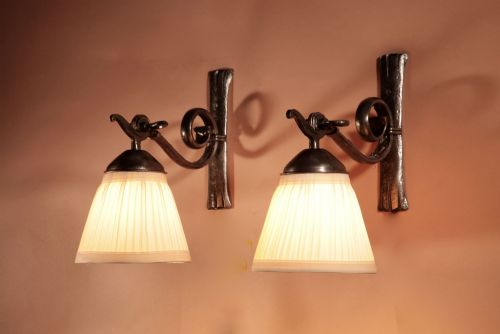
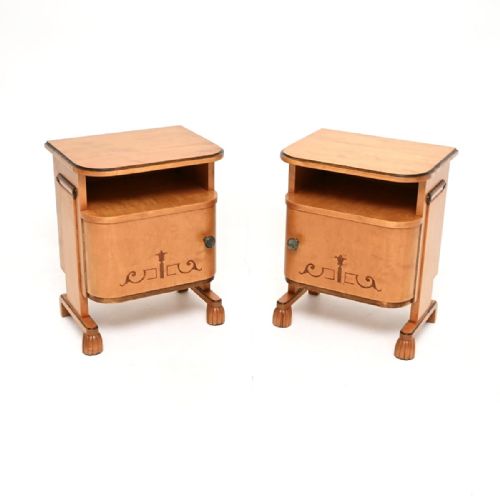
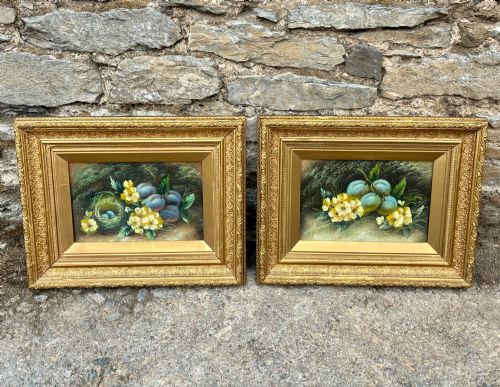
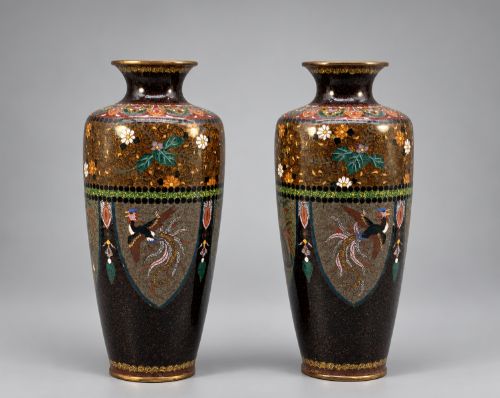
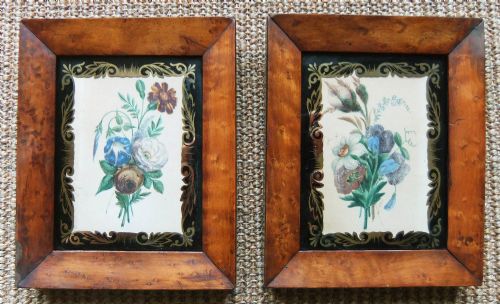
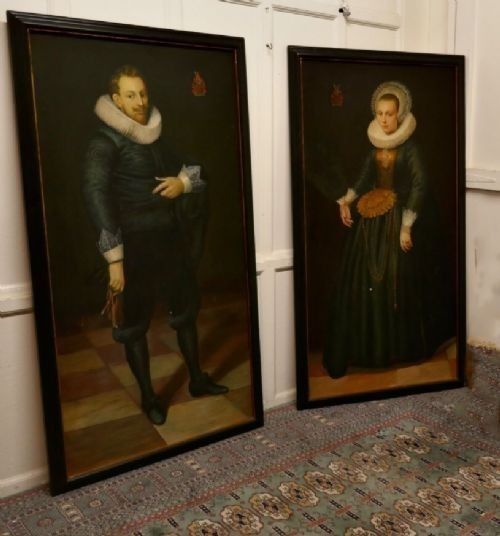
When you search for an antique art pair, you find matching works in paint, metal, wood, and ceramic created to be displayed together.
Antique Art Pair
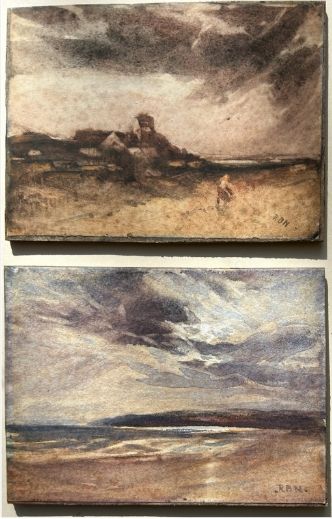
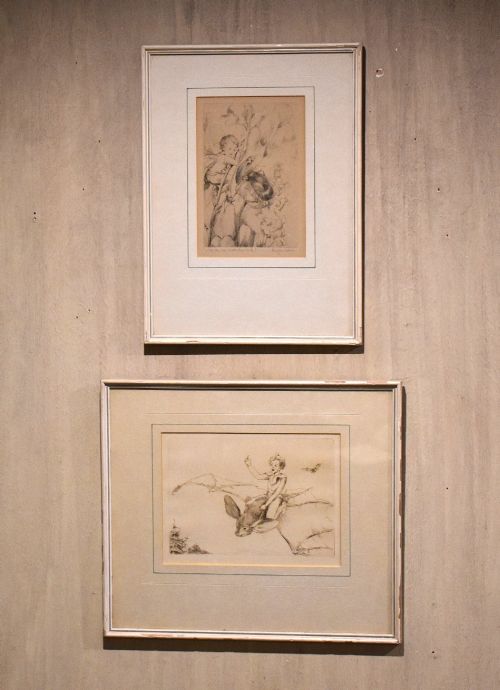
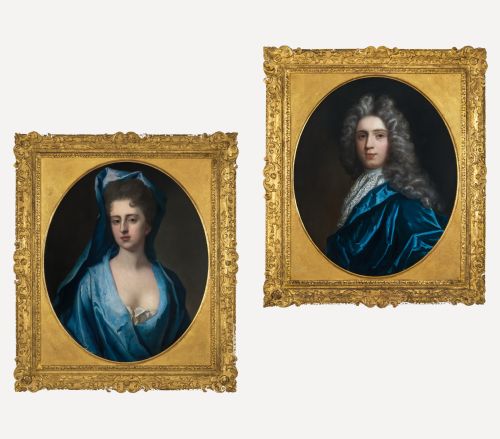
An antique art pair comprises two matching objects conceived, produced, or matched historically as a set for balanced display. On this page, that concept covers oil paintings, watercolours, pastels, prints, drawings, sculptures, carved panels, and porcelain plaques.
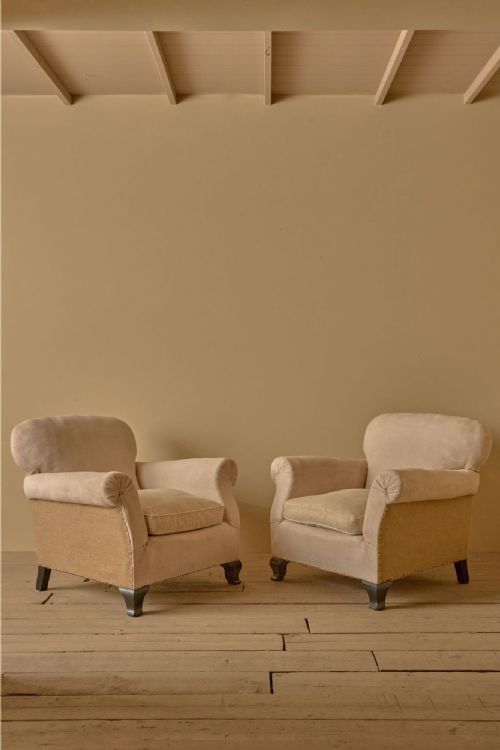
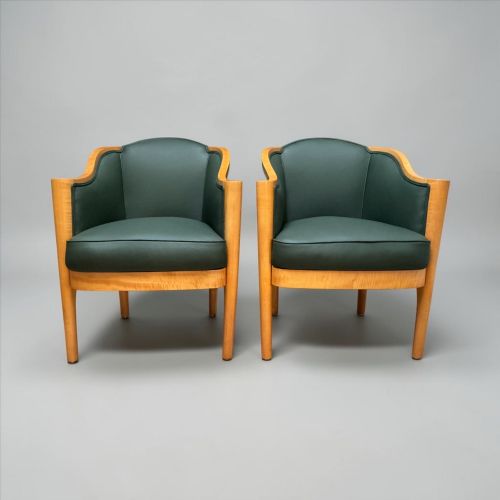
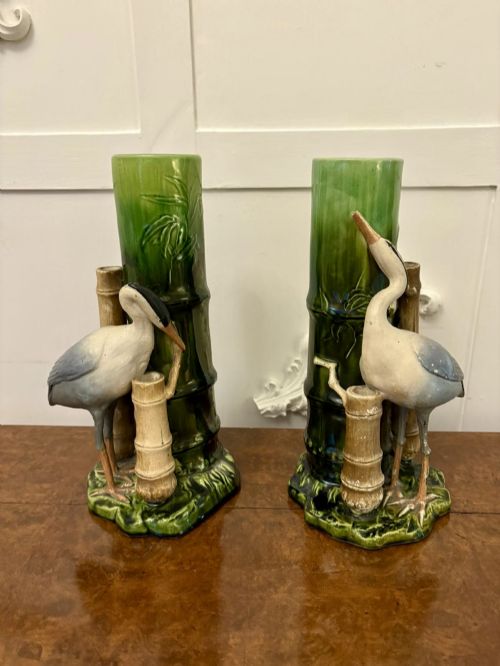
The selections span from the eighteenth century through the Victorian and Edwardian eras into the Art Deco and Arts and Crafts periods. Buyers encounter framed works on paper and canvas alongside decorative objects such as candlesticks, vases, cabinets, and chairs.
Origin points range across Britain, continental Europe, and East Asia, reflecting domestic studios, workshops, and international export trades. Each matching duo preserves a dual composition intended for symmetry on walls, mantelpieces, or furniture.
Materials and construction
Makers utilised paper, wood, glass, brass, oak, giltwood, pastel, iron, bronze, pewter, and porcelain, shaping them with period-specific hand tools and studio methods. Paintings and prints employ paper and canvas supports with watercolour, oil, or pastel mediums, often paired with period frames.
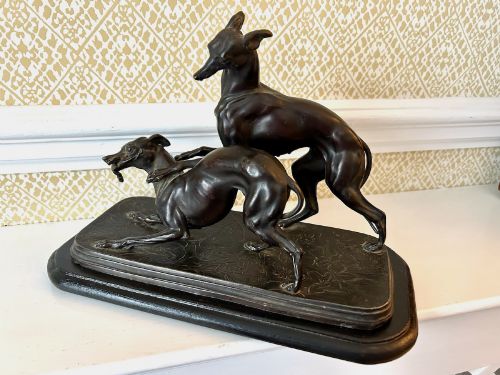
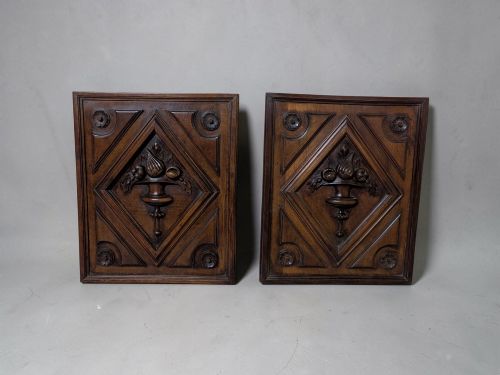
Three-dimensional objects rely on casting in bronze, spelter, or pewter, and carving in oak and other woods. Ceramic and glass pieces involve pottery, stoneware, and reverse glass painting techniques requiring kiln firing and manual finishing.
A pair of carved oak doors hints at the legendary Mouseman workshops where a carved wooden signature rodent hides in the grain.
Qualities that separate examples
Quality rests in the precision of the handwork, the clarity of the medium, and the preservation of the original surface. Masterful brushwork in paintings or crisp definition in metal castings distinguishes superior examples from standard production.
The integrity of the matching pair matters greatly, as does the survival of original labels, signatures, or maker marks. Matched items sharing identical wear and provenance hold greater aesthetic cohesion than assembled sets.
Robert Buchan Nisbet RSW·Marjorie L Davies·Cornelis Van Der Voort·Archibald Knox for Liberty and Co·Charles Antoine Coypel·Royal Doulton Lambeth Stoneware·William Bird MD FLS·Guido Bach·Jack Grimble
The Antique Art Pair Glossary
- Pastel
- A dry medium of powdered pigment and a binder rolled into sticks, applied to paper to produce velvety colour. It requires protective glass framing to prevent smudging.
- Spelter
- An alloy of zinc used as a cost-effective alternative to bronze for decorative sculptures and figures during the nineteenth and twentieth centuries. It often received a bronze-effect patination.
- Cloisonne
- A decorative metalwork technique where thin wire partitions are soldered to a base and the resulting cells filled with enamel paste before firing. Japanese examples from the late nineteenth century demonstrate this method.
- Mezzotint
- A printmaking process where the copper plate is roughened uniformly to produce dark tones, then scraped and burnished to create highlights. It yields rich tonal gradations.
- Tudric
- A brand name used by Liberty and Co for pewter wares designed by figures such as Archibald Knox during the Arts and Crafts movement. These items typically feature organic motifs and distinctive hammered surfaces.
Antique Art Pair: Frequently Asked Questions
What is an antique art pair?
An antique art pair is two related works created to be viewed together as a balanced set. They share a maker, period, subject, or medium.
Buyers encounter matching oil paintings, watercolours, drawings, prints, candlesticks, and architectural panels designed for symmetrical placement.
How were framed pairs displayed?
Framed works were traditionally hung symmetrically on either side of a fireplace, doorway, or piece of furniture to create visual balance in a room.
Matching portrait panels, landscapes, or botanical prints provided an orderly decorative scheme popular in British and European interiors.
Are bronze and spelter different?
Bronze is a durable copper and tin alloy prized for fine detail and deep patination, whereas spelter is a softer zinc-based metal.
Spelter figures were produced as accessible alternatives to bronze and often feature painted or electroplated finishes mimicking heavier metal.
How do I identify Arts and Crafts metalwork?
Arts and Crafts metalwork often displays visible hand-hammered marks, organic motifs, and honest construction methods rather than machine stamping.
Designers like Archibald Knox utilised pewter and brass to create functional decorative objects with distinctive Celtic or botanical styling.
What are reverse glass paintings?
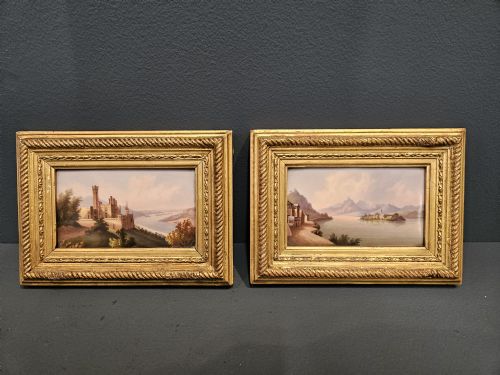
Reverse glass painting involves applying pigment directly onto the back of a glass panel so the image is viewed through the front.
This delicate technique was used for miniature portraits and decorative panels, preserving bright colours protected from dust and air.