

Antique Art Master
An antique art master brings centuries of European painting and printmaking into a room, offering historians and collectors centuries of pigment on canvas, wood and paper.
Antique Art Master
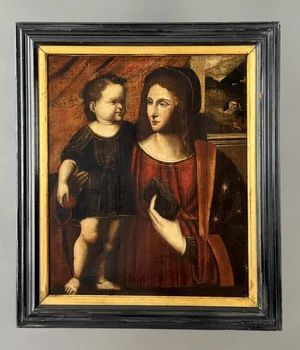
When searching for an antique art master, buyers encounter centuries of historic painting, portraiture, and printmaking spanning the sixteenth to the nineteenth centuries.
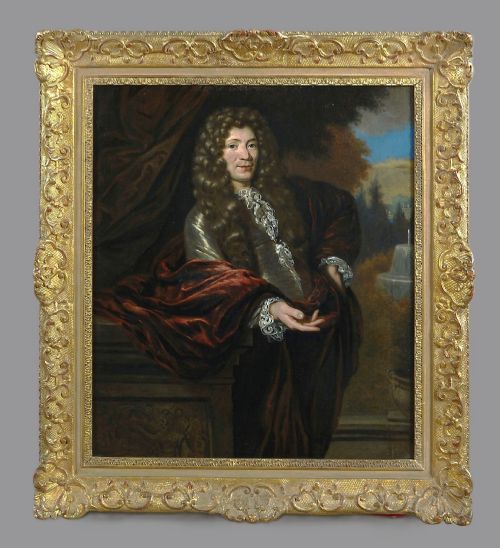
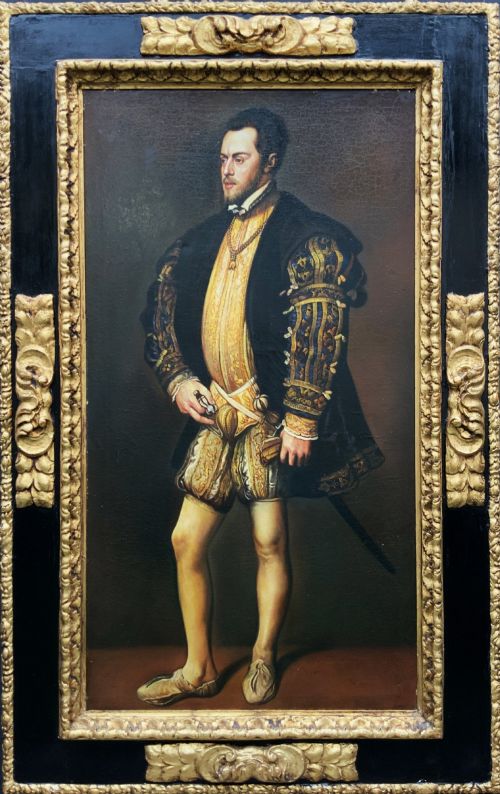
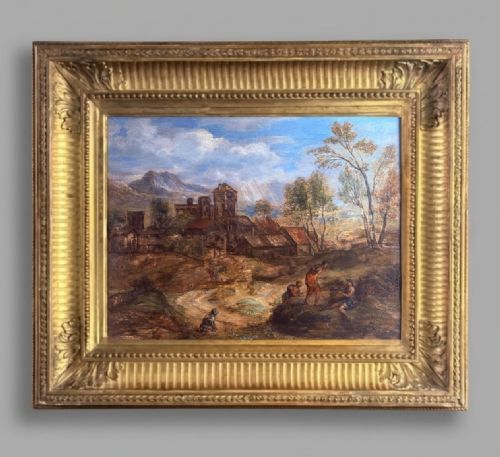
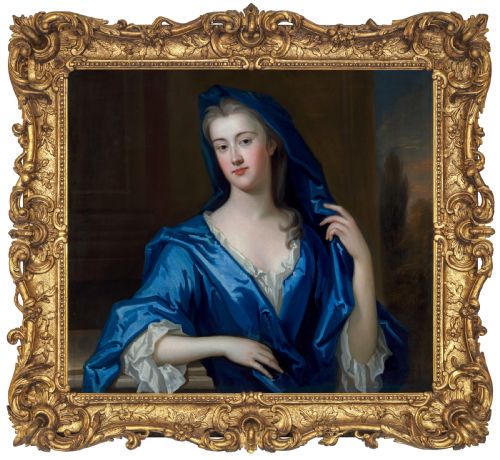
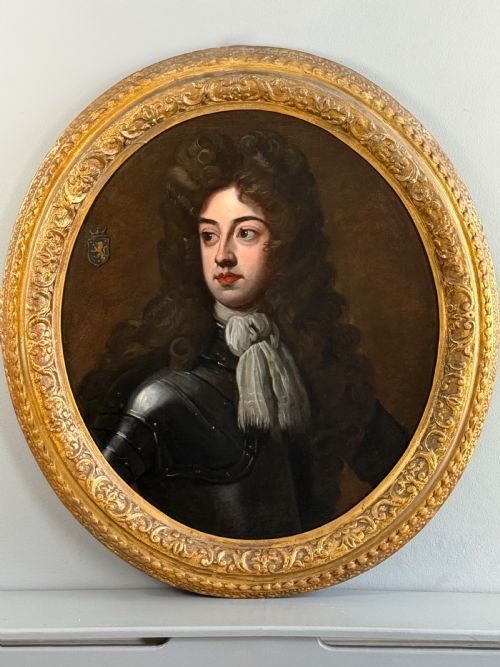
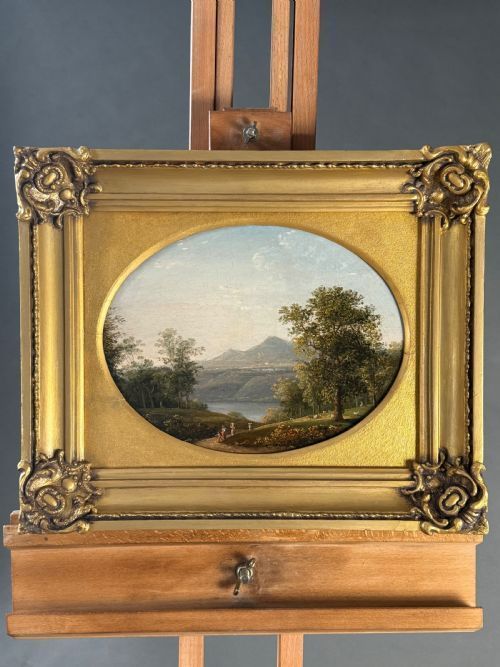
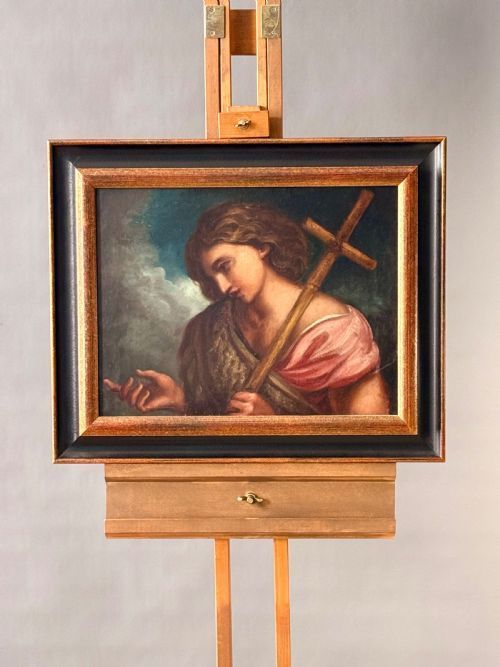
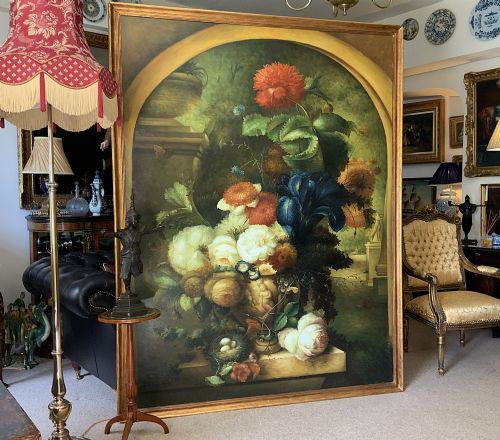
The selections on this page range from Italian Renaissance and Baroque canvases to Dutch Golden Age portraits and eighteenth-century classical landscapes.
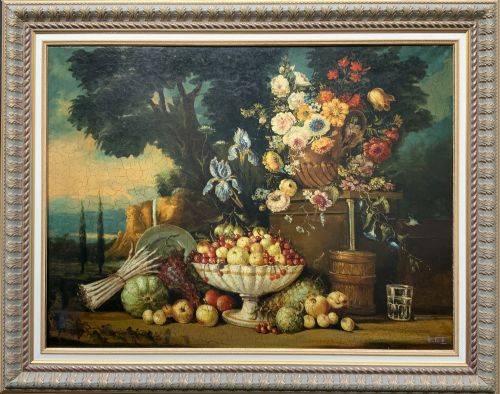
Works appear in various forms, including oil paintings on canvas or panel, delicate pastels, and historical etchings or mezzotints framed in period giltwood.
Materials and Construction
Makers applied oil paint, pastel, and ink onto supports of woven canvas, rigid wooden panels, paper, and occasionally vinyl canvas.
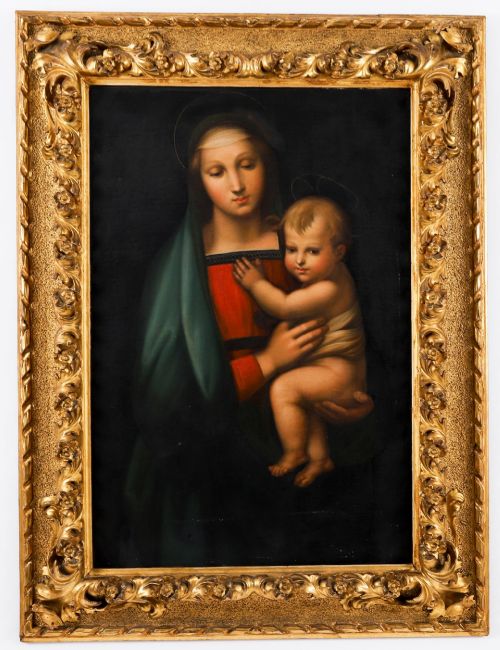
Many historic canvases and panels receive housing within ornate giltwood and gesso frames that reflect the decorative tastes of their respective periods.
Antique Art Master Retail Price Guide 2026
Typical asking prices for art master among the pieces listed under this phrase on Sellingantiques today, from the lower quarter to the upper quarter. They describe what is for sale here now, not the wider market.
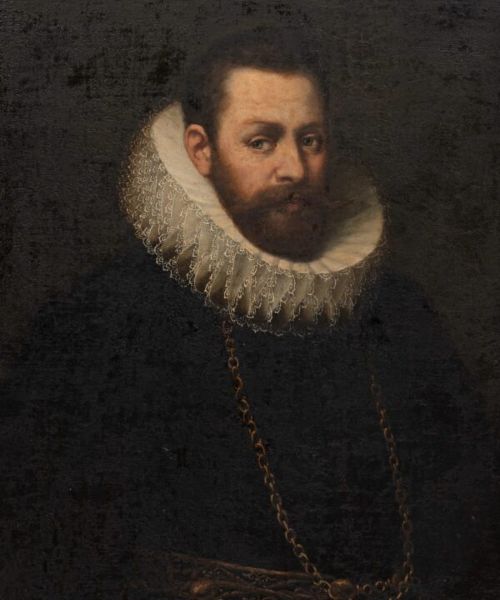
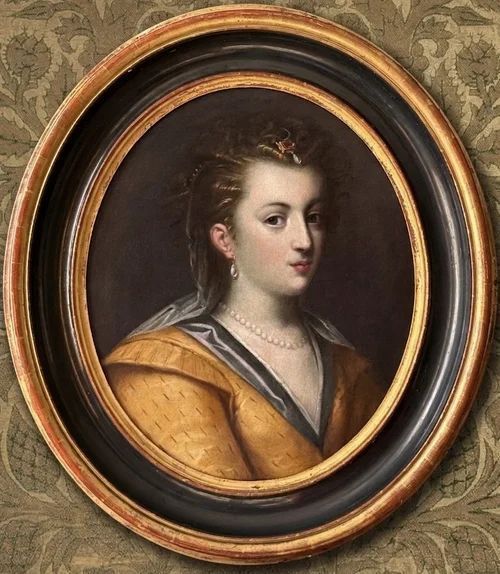
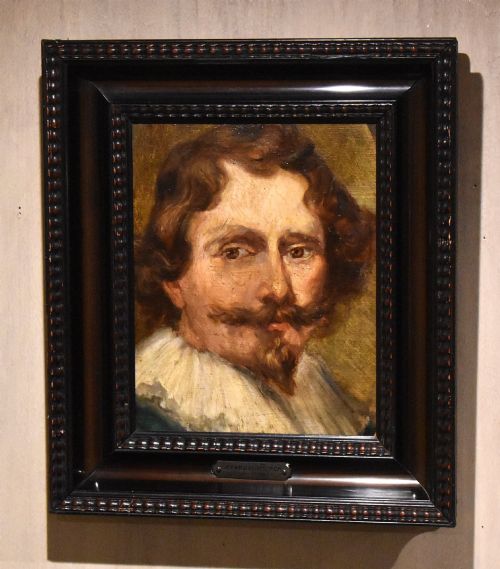
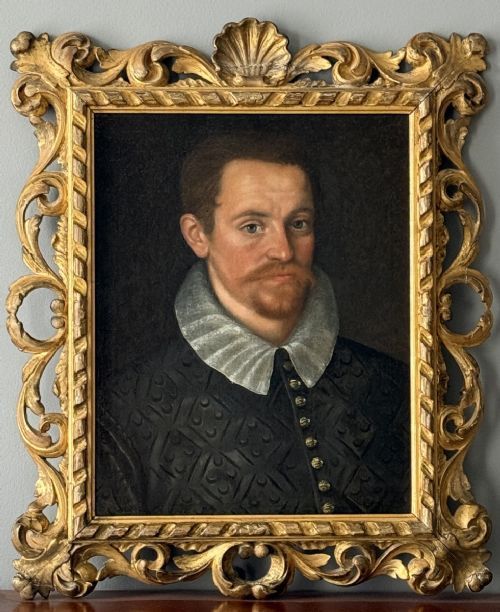
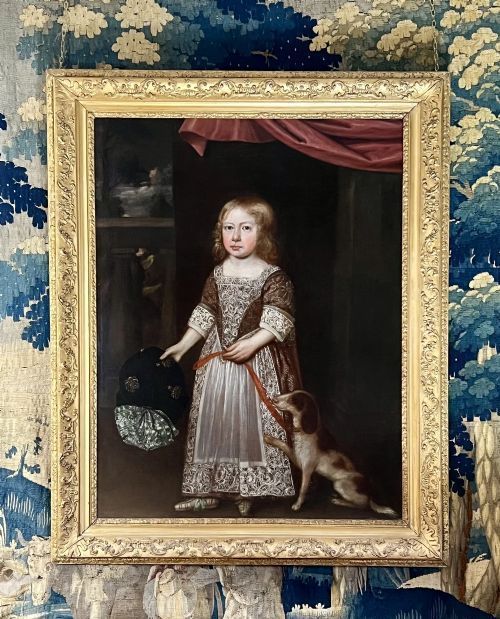
Several historic portraits preserve the likenesses of long-forgotten noblemen, judges, and children posing alongside pet birds and baskets of fruit.
Distinctions in Quality
The level of detail in facial expressions, drapery folds, and background landscapes distinguishes works by leading seventeenth and eighteenth-century schools from simpler decorative output.
The preservation of the original pigment layer and the integrity of the underlying canvas or wood panel dictate the visual strength of a piece.
Sir Godfrey Kneller·Jacob Philipp Hackert·Charles Antoine Coypel·Benedetto Luti
The Antique Art Master Glossary
- Oil on Canvas
- Pigment bound in drying oil applied to a stretched woven fabric support. This method allowed artists to achieve rich colour depths and subtle tonal gradations.
- Etching
- A printmaking process where acid bites lines into a metal plate to hold ink. Artists used this technique to produce detailed works on paper.
- Mezzotint
- A printmaking method in which the printmaker works from dark to light on a roughened metal plate. This technique creates soft tonal transitions.
- Giltwood
- Wood carved and coated with gold leaf or a gold-coloured finish. These frames often accompany historic paintings.
- Panel Painting
- A work executed on a flat piece of wood rather than fabric. These sturdy supports frequently date to the sixteenth and seventeenth centuries.
Antique Art Master: Frequently Asked Questions
What is an old master painting?
An old master painting is a work created by a European artist of high skill before approximately eighteen hundred.
These pieces typically include religious, mythological, or portrait subjects executed in oil on canvas or panel.
How should I care for historic oil paintings?
Historic oil paintings require stable indoor humidity and temperature away from direct sunlight.
Keep the canvas unexposed to excessive moisture and dust the surface gently with a soft dry brush.
How do I identify a seventeenth-century portrait?
Seventeenth-century portraits often feature subjects wearing distinct garments such as ruff collars, dark embroidered doublets, or flowing wraps.
Painters of this era utilised dramatic lighting techniques characteristic of Baroque traditions.
What is the difference between an etching and an oil painting?
An etching is an ink print on paper transferred from a metal plate inscribed with acid.
An oil painting is a unique original work composed of pigmented oil directly brushed onto a canvas or wooden panel.