





Antique Art Frame
When choosing an antique art frame, you acquire period housings for paintings, mirrors, and photographs that complete historic works of art.
Antique Art Frame
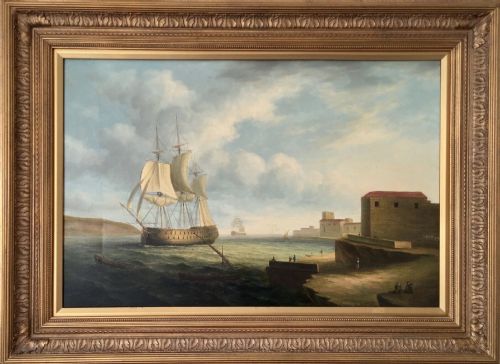
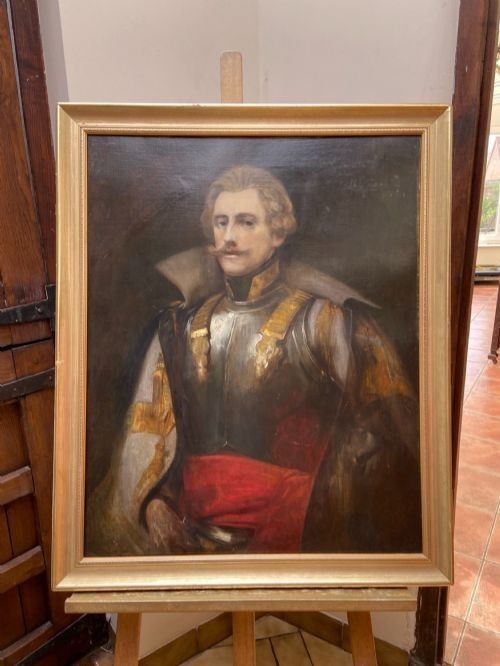
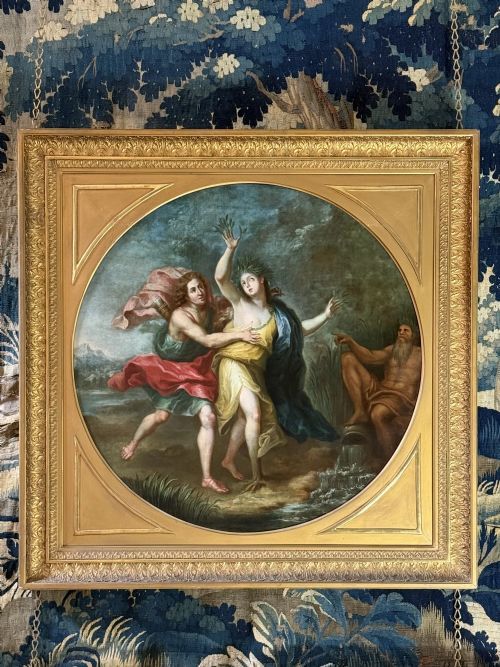
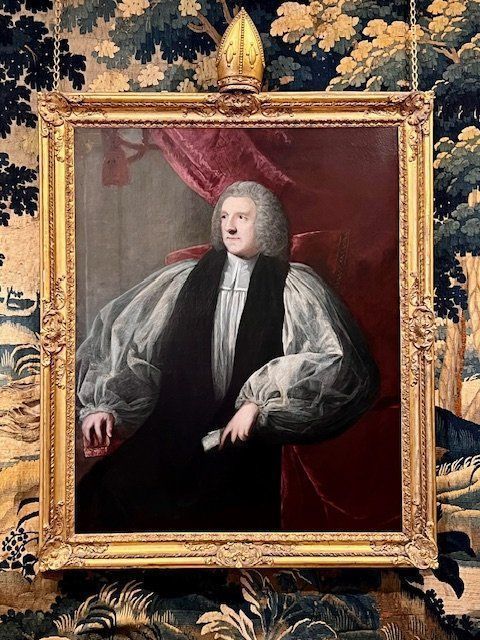
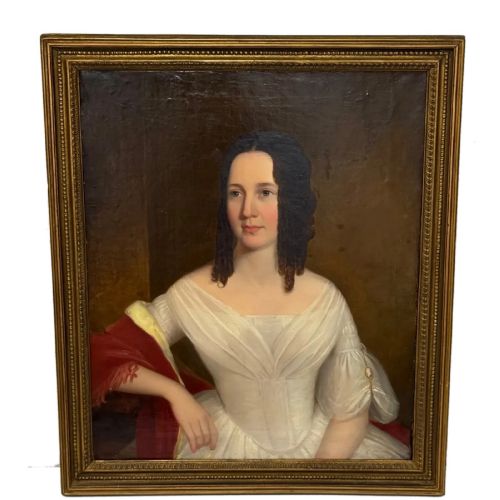
Collectors seeking an antique art frame encounter enclosures fashioned from wood, sterling silver, and giltwood designed to showcase historical paintings and prints. The selection spans robust Edwardian and Victorian silver photo holders to grand 18th-century gilded mouldings built for oil portraits.
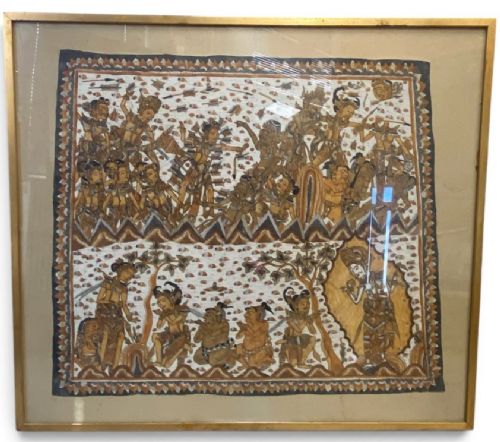
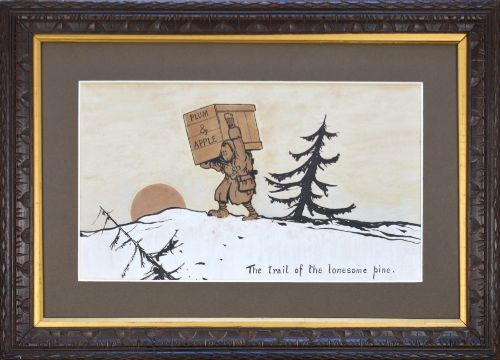
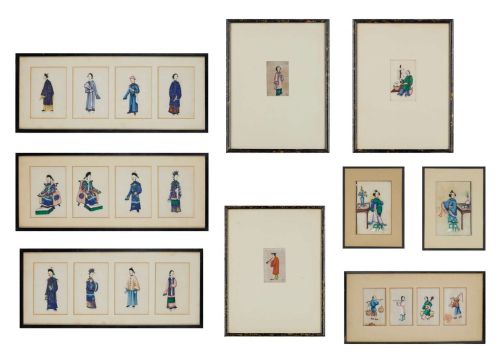
Many examples arrive housing specific works, such as 19th-century watercolours, Chinese pith paintings, and mezzotint engravings. These complete packages preserve the historic relationship between the art and its original border.
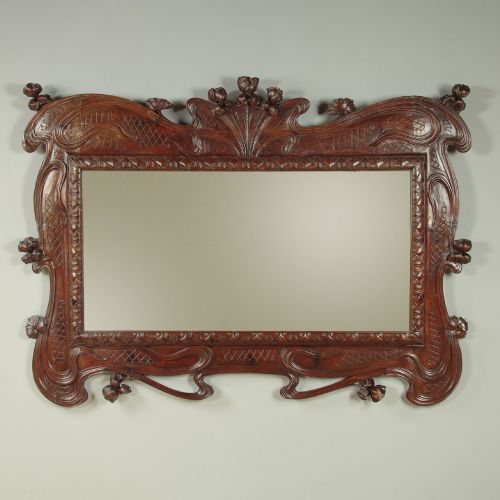
The styles visible range from ornate French Rococo and Baroque carvings to flowing Art Nouveau motifs and clean Regency lines. Each period imparts a distinct architectural weight and decorative vocabulary to the perimeter of the artwork.
Materials and Construction
Makers utilised seasoned timber such as oak and mahogany for structural stability, applying gesso and gold leaf to create luminous gilded surfaces. Artisans carved intricate floral and scroll details directly into the wood or moulded composition ornaments onto the wooden substrate.
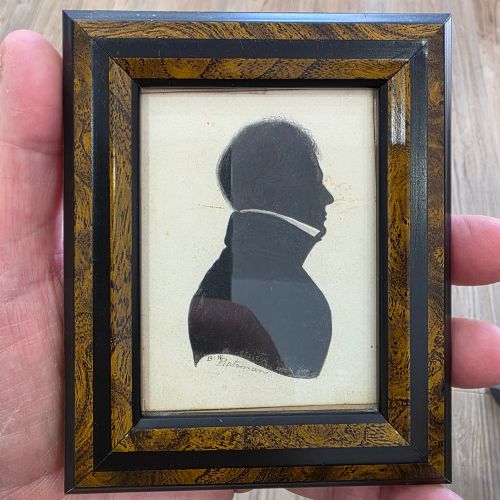
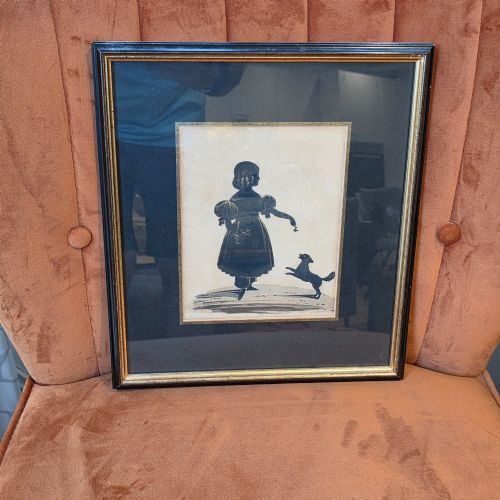
Silver versions relied on silversmithing techniques involving pressing, stamping, and engraving, often incorporating velvet or wood panel backs to support photographs. Glass protects delicate works on paper, while reverse painting and hand-cut silhouettes utilise specialised mounting methods.
Listings feature items spanning from the seventeenth century through the 1960s, executed in wood, glass, paper, and gold leaf.
Evaluating the Pieces
The distinction between ordinary and exceptional examples rests upon the crispness of the hand-carved detail and the preservation of the original surface finish. Retaining the authentic gold leaf or period silver patina without modern overpainting commands greater respect among collectors.
Proportion and structural integrity dictate value, particularly where corner joints meet cleanly and mouldings retain their original depth. The harmony between the artwork and its enclosure determines whether the piece functions as a unified historical document.
Sir Godfrey Kneller·Charles Jervas·Sir Joshua Reynolds·William James Hubard·Henry Matthews
The Antique Art Frame Glossary
- Giltwood
- Timber coated with fine gold leaf applied over a prepared gesso ground. This technique creates a brilliant reflective surface characteristic of formal period frames.
- Mezzotint
- A printmaking process of the intaglio family where the plate is roughened to achieve rich tonal gradations. These prints frequently appear framed in period Hogarth mouldings.
- Pith paper
- A delicate material derived from the pith of the Tetrapanax papyrifer plant, used for traditional Chinese paintings. Works on this medium require specialised shallow framing.
- Rebate
- The recessed groove on the inner back edge of a frame designed to hold the artwork, glass, and backing board securely in place.
Antique Art Frame: Frequently Asked Questions
How do I date an antique frame?
Dating relies on examining the construction methods, tool marks on the reverse, and the primary materials used in the moulding. Corner joins and fastening techniques often reveal the period of manufacture.
Stylistic cues such as Art Nouveau whiplash lines or Victorian silver hallmarks provide precise chronological markers. Comparing the rebate construction with known period examples confirms the age.
Can I re-frame modern art?
Placing contemporary works inside historical enclosures is a common practice among interior designers seeking strong visual contrast. The rich patina of aged giltwood or carved timber elevates modern canvases and prints.
Care must be taken to ensure the internal dimensions match the depth and rebate size of the antique moulding. Conservation mounting materials protect the modern artwork from historic backing acids.
What is giltwood?
Giltwood is timber coated with thin sheets of beaten gold applied over a smooth gesso foundation. This luxurious finish reflects candlelight and natural illumination in historic interiors.
Surviving examples often show subtle toning and wear that demonstrate centuries of gentle maintenance. Cleaning requires specialist knowledge to protect the delicate metallic leaf.
How do silver and wooden frames differ?
Silver examples, popular during the late Victorian and Edwardian eras, were primarily fashioned as table-top photograph holders with easel backs. Wooden and gilt versions served predominantly as wall-hanging supports for paintings and mirrors.
Silver pieces display hallmarks that record the exact year and assay office of production. Wooden housings rely on stylistic evolution and joinery analysis for dating.