





Antique Armenian Carpet
These antique armenian carpet examples are woven textiles defined by distinct Caucasian and tribal designs from the late nineteenth and early twentieth centuries.
Antique Armenian Carpet
An antique armenian carpet brings traditional Caucasian weaving into domestic spaces through varied formats including rugs, area rugs, runner rugs, and kilims. These floor coverings showcase specific regional designs that reflect the heritage of Caucasian and Armenian workshops from the late nineteenth and early twentieth centuries.
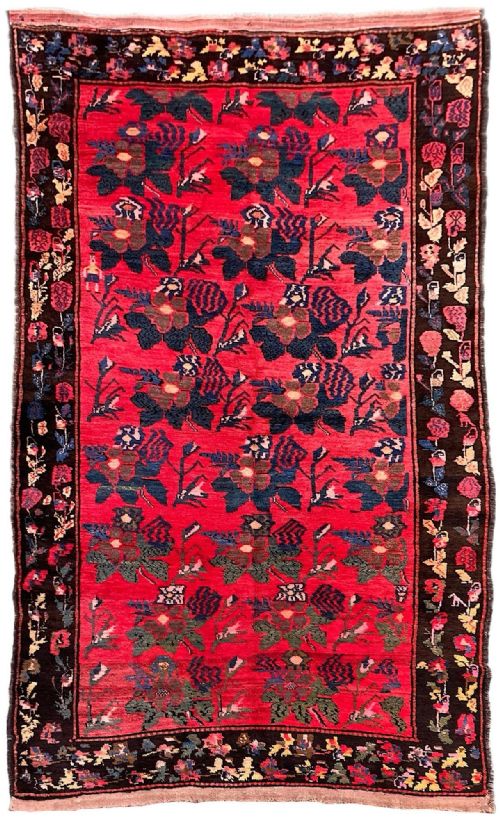
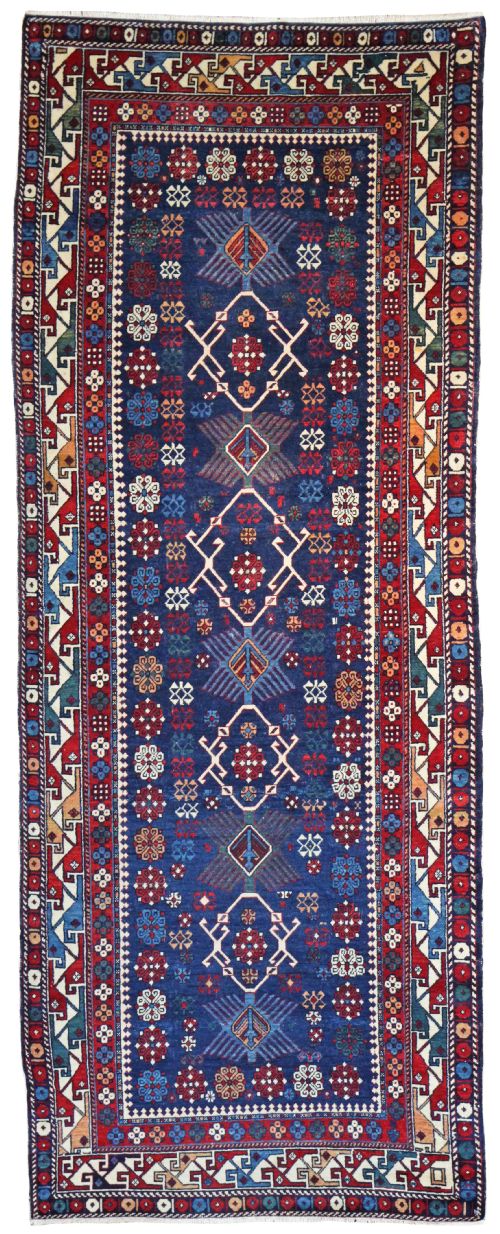
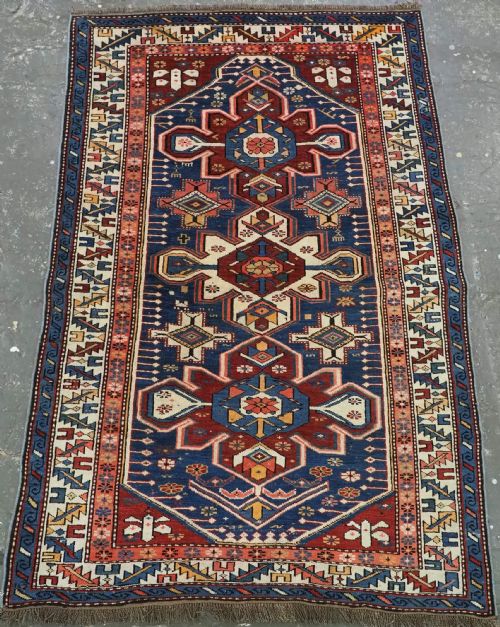
The pieces available display characteristic motifs such as triple lobbed medallions, star patterns, key hole designs, and figurative depictions of people and animals. Buyers encounter formats ranging from room-size carpets down to smaller runners and kilims.
Dating primarily from periods between eighteen seventy and nineteen thirty, these textiles bridge functional floor coverings and collectible tribal art. The aesthetic centres on geometric structures and symbolic imagery preserved from historical Armenian weaving traditions.
Materials and construction
The construction relies fundamentally on wool, utilised for both the pile and foundational structure of each textile. Weavers employed hand-knotted wool techniques to build dense, durable surfaces capable of withstanding generations of use.
Certain flatweave examples utilise kilim construction methods without a knotted pile, resulting in lighter textile structures. Natural dyes applied to the wool yarn produce the characteristic ground colours seen across yellow and patterned field varieties.
Antique Armenian Carpet Retail Price Guide 2026
Typical asking prices for armenian carpet among the pieces listed under this phrase on Sellingantiques today, from the lower quarter to the upper quarter. They describe what is for sale here now, not the wider market.
Listings feature hand-knotted wool rugs and kilims spanning the period from eighteen seventy to nineteen thirty, centered on Caucasian and Armenian styles.
Factors determining quality
Quality separates along the precision of the hand-knotted wool foundation and the crispness of execution in geometric medallions. Finer knot density allows complex star, animal, and triple lobbed designs to maintain sharp architectural definition across the field.
The integrity of the wool pile and the preservation of original borders dictate the structural merit of each piece. Variations in ground colour, such as scarce yellow fields, alongside intact figurative elements elevate the visual interest of individual examples.
The Antique Armenian Carpet Glossary
- Medallion
- A central ornamental motif dominating the field of the carpet. Triple lobbed variations frequently anchor the composition of Erivan and Karabagh pieces.
- Kilim
- A flatweave textile produced without a pile by tightly interweaving warp and weft threads. These pieces often feature large geometric medallion designs.
- Runner
- A long, narrow carpet format suited for hallways and corridors. Erivan production includes these elongated proportions alongside standard area sizes.
- Pile
- The upright yarn loop surface forming the soft upper layer of a knotted rug. Hand-knotted wool creates this dense tactile face.
Antique Armenian Carpet: Frequently Asked Questions
How do I clean an antique armenian carpet?
Gentle surface vacuuming without a beater bar removes loose dirt from the wool pile safely.
Professional specialist washing remains essential for deep cleaning to protect historic hand-knotted structures.
Where were these carpets originally made?
Production centres in the Caucasus region, specifically encompassing areas associated with Armenian weavers such as Erivan, Karabagh, and Kazak.
Local workshops and tribal communities passed down these distinct regional patterns across generations.
Are these rugs suitable for heavy daily foot traffic?
The durable hand-knotted wool construction handles normal residential walking paths effectively when paired with a quality underlay.
Fragile flatweave kilims or heavily distressed examples require lighter placement to preserve their historic textile integrity.
How do I date these antique rugs accurately?
Analysis of the wool quality, dye palette, and structural weave density provides primary clues for period attribution.
Certain pieces contain woven dates or specific design markers pointing to the late nineteenth and early twentieth centuries.