



Antique Armchair Pair Project
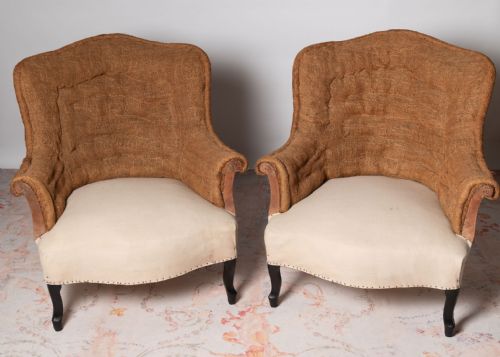
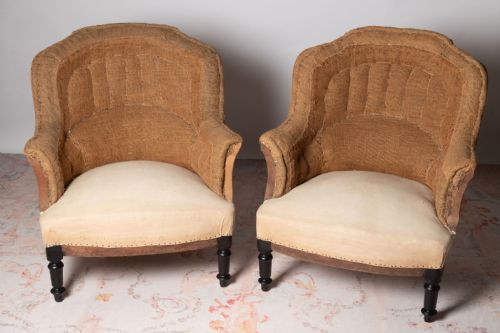
An antique armchair pair project offers twin frames awaiting restoration, bringing matching seating into your rooms.
Antique Armchair Pair Project
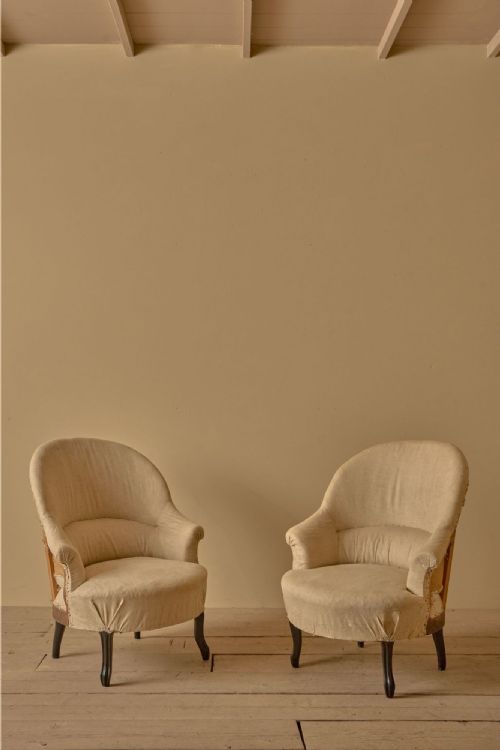
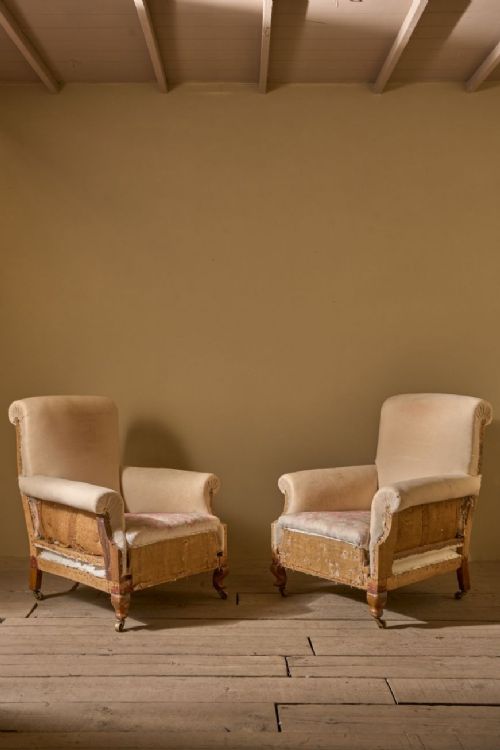
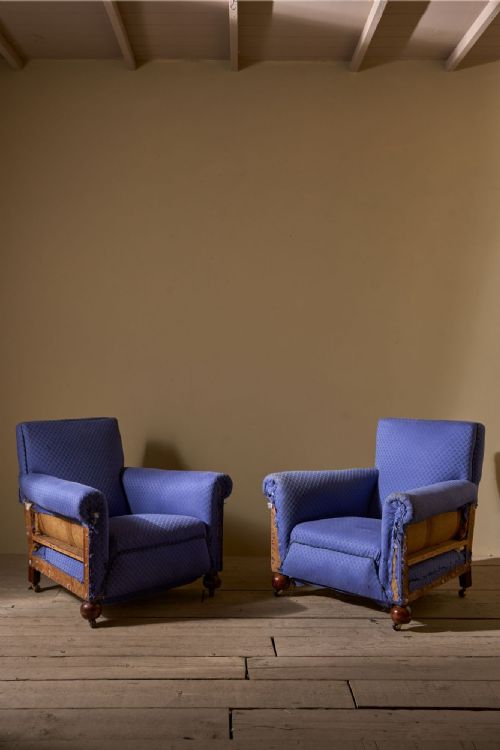
An antique armchair pair project brings together two matching seats that require complete reupholstering or structural attention before use. Buyers looking at an antique armchair pair project find frames originating from the nineteenth century, the Edwardian era, and the nineteen thirties.
The selections on this page span several distinct regional aesthetics including English country house models, Art Deco club chairs, and French provincial or Louis XV styles. Most examples arrive stripped down or covered in base materials like calico and hessian, ready for a chosen textile.
Scroll backs, deep seats, and button back configurations form the primary shapes available within this category. Each pair demands hands-on restoration work to return the timber framework and internal padding to a finished standard.
How they were made
Makers constructed these frames using solid hardwoods such as mahogany and general timber, ensuring heavy structural stability for daily seating. Joinery methods relied on traditional interlocking joints designed to bear weight across decades of use.
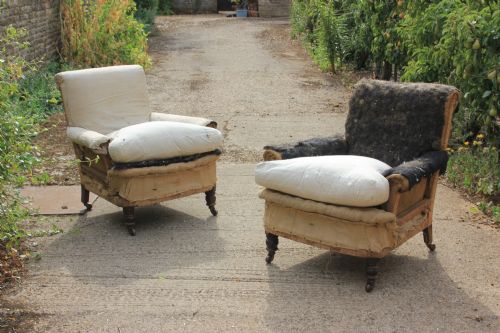
Traditional upholstery techniques involved burlap, hessian, and internal stuffing layers secured beneath calico before applying the final decorative top fabric. Brass details sometimes appeared in castors or decorative tacks, providing metallic accents to wooden and upholstered surfaces.
Antique Armchair Pair Project Retail Price Guide 2026
Typical asking prices for armchair pair project among the pieces listed under this phrase on Sellingantiques today, from the lower quarter to the upper quarter. They describe what is for sale here now, not the wider market.
Sitting quietly in calico and hessian, these twin frames wait patiently for someone to give them their second act.
What varies in quality
The underlying timber frame dictates the fundamental integrity of any pair, where dense hardwoods hold structural repairs far better than softer woods. Original proportions and balanced symmetry between the two chairs separate superior stylistic designs from lesser or heavily altered specimens.
The depth of the carving, the grace of the scroll work, and the original integrity of the arm supports distinguish finer workshop output from basic production. Pairs that retain matching contours and identical dimensions without mismatched replacements command greater attention from restorers.
The Antique Armchair Pair Project Glossary
- Calico
- A plain-woven cotton fabric used as an initial tight upholstery cover over stuffing before the final decorative textile is applied. It provides a neutral, stable foundation layer.
- Hessian
- A coarse woven fabric, often made from jute fibres, utilised traditionally for webbing and internal padding containment within heavy upholstery. It supports the weight of the sitter.
- Scroll back
- A chair backrest featuring a curved, outward-rolling wooden top rail or upholstered contour resembling a scroll. This design appears frequently in country house seating.
- Button back
- An upholstery style where depressions are formed in the padding by stitches pulled tight and secured with buttons, creating a patterned diamond effect. It adds firm tension to the backrest.
Antique Armchair Pair Project: Frequently Asked Questions
What is an armchair pair project?
An armchair pair project consists of two matching antique chairs that need upholstery, padding, or frame restoration before they are usable in a home.
Buyers purchase these pairs to restore them using fabrics that match their specific interior decoration schemes.
Are these chairs comfortable for daily use?
Comfort depends entirely on the restoration process, as internal webbing, springs, and padding are usually rebuilt from scratch during the project.
Deep seated models offer generous proportions once proper cushioning and supportive fillings are installed by a professional upholsterer.
What materials should I expect under the fabric?
Underneath the top covers, these projects typically feature hardwood frames, hessian support webbing, and calico linings holding the internal stuffing.
Brass castors or tacks may also be present on the wooden legs and framework components.