

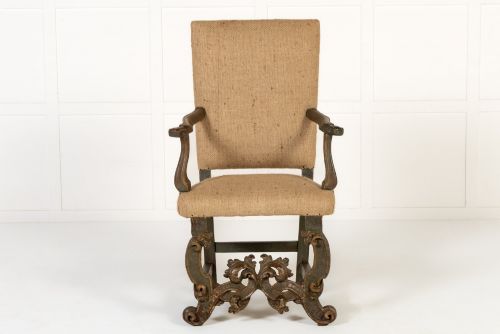
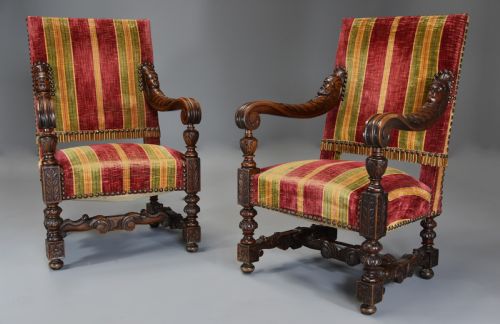


Walnut Scroll Armchairs
Walnut scroll armchairs combine rich timber frames with sweeping carved terminals, offering both sturdy seating and stately presence for period rooms.
Walnut Scroll Armchairs
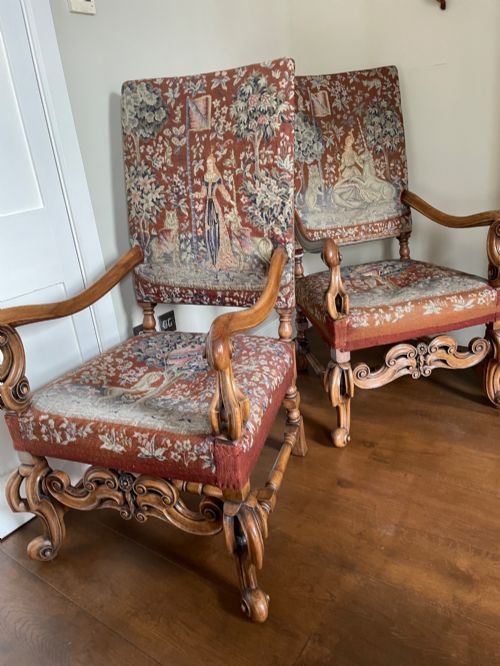
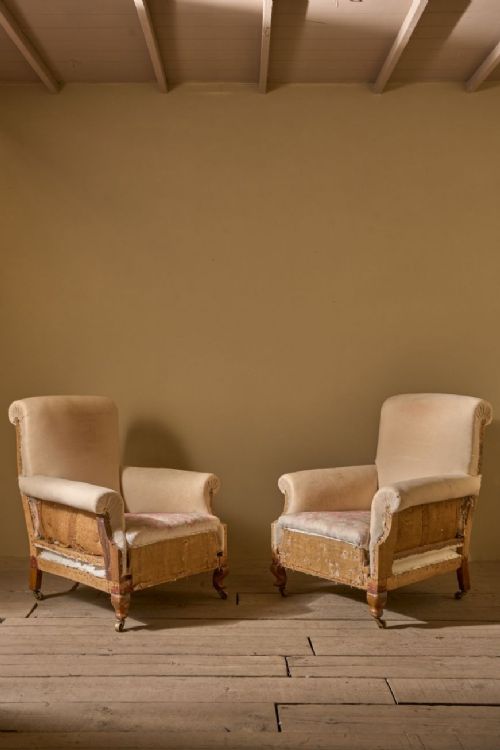
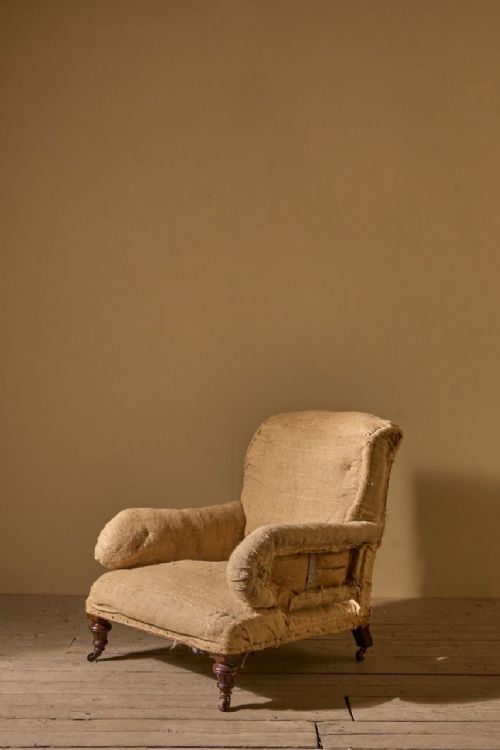
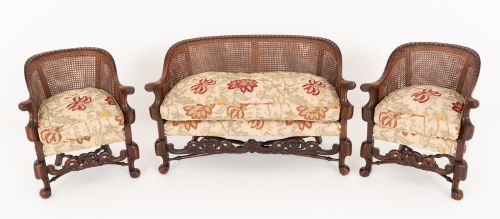
When buyers search for walnut scroll armchairs, they encounter seating spanning from the seventeenth century through to nineteenth century revivals. The forms range from compact occasional chairs to large upholstered library seats and grand suites.
The selection on this page includes nineteenth century interpretations alongside earlier seventeenth century examples. English country house pieces appear alongside French Baroque and Italian designs, showing varied regional expressions of the scroll arm form.
Makers drew on historic styles such as Carolean and Jacobean designs, incorporating high backs and carved walnut frames. These pieces function equally well as standalone feature seats or as part of larger seating groups.
How they were made
Cabinet makers utilised walnut timber for the structural frames, carving the characteristic scroll terminals and arm supports by hand. Hardwood supports and internal framing provide the necessary strength beneath the upholstery.
Upholstery techniques varied across the periods, utilising traditional materials such as hessian, calico, and fabric layers secured over webbing and springs. Decorative textiles like velvet and tapestry completed the finish on finer models.
Walnut Scroll Armchairs Retail Price Guide 2026
Typical asking prices for walnut scroll armchairs among the pieces listed under this phrase on Sellingantiques today, from the lower quarter to the upper quarter. They describe what is for sale here now, not the wider market.
Some nineteenth century makers so thoroughly embraced seventeenth century tastes that their armchairs frequently trick modern visitors into bowing.
What varies in quality
The distinction between standard and superior pieces lies in the depth and sharpness of the carved walnut detailing. Crisp lines on the scroll arms and substantial proportions elevate certain examples above simpler production.
The integrity of the timber frame and the quality of the surviving upholstery materials determine the overall standing of each armchair. Pieces retaining period fabric or demonstrating robust structural joinery command greater appreciation.
The Walnut Scroll Armchairs Glossary
- Walnut
- A dense hardwood valued for its rich grain and dark tone, frequently utilised for fine furniture frames throughout the seventeenth and nineteenth centuries.
- Scroll arm
- An armrest featuring a curved, volute terminal shaped like a rolled scroll, seen on various period seating forms.
- Carolean style
- A decorative design echoing English furnishings from the reign of Charles II, characterised by carved scrolls, crown motifs, and turned woodwork.
- Bergere
- An enclosed upholstered armchair with wooden frames exposed around the sides and back, originating in France.
- Tapisserie
- Woven textile work used historically for heavy upholstery, often depicting pictorial scenes or floral patterns on seating.
Walnut Scroll Armchairs: Frequently Asked Questions
How do I date a walnut scroll armchair?
Dating relies on examining the construction methods, the style of the carved walnut woodwork, and the materials used in the underlying upholstery. Seventeenth century models differ substantially in joinery and proportion from nineteenth century revival pieces.
Comparing the specific scroll shape and leg turning against known period examples helps narrow down the decade of manufacture. Consulting the listed period on each item provides an initial guide.
Are these armchairs comfortable for daily use?
Many of these seating options were designed for formal reception rooms or libraries, offering varying degrees of cushioning. Larger upholstered variants provide deeper support compared to occasional or high back wooden models.
Buyers intending daily seating often assess the internal springing and padding depth. Modern placement may involve supplementing older support systems to suit daily living requirements.
What maintenance do walnut frames require?
Walnut timber benefits from occasional treatment with appropriate furniture wax to nourish the grain and prevent the wood from drying out. Avoiding direct sunlight and stable room humidity protects both the timber and the fabric.
Harsh chemical cleaners should be avoided on both the carved woodwork and the textile coverings. Gentle dusting preserves the finish of the carved scroll details over time.
How do I identify French Baroque styles?
French Baroque seating typically exhibits grand proportions, lavish walnut carving, and dynamic scrollwork reflecting seventeenth and eighteenth century court aesthetics. These designs often feature open arms and substantial frames.
Comparing these details with English country house pieces highlights the more exuberant carving and sweeping lines characteristic of continental design.