
Antique Animal Portrait
An antique animal portrait brings character to a room through traditional canine and equine studies.
What an antique animal portrait is
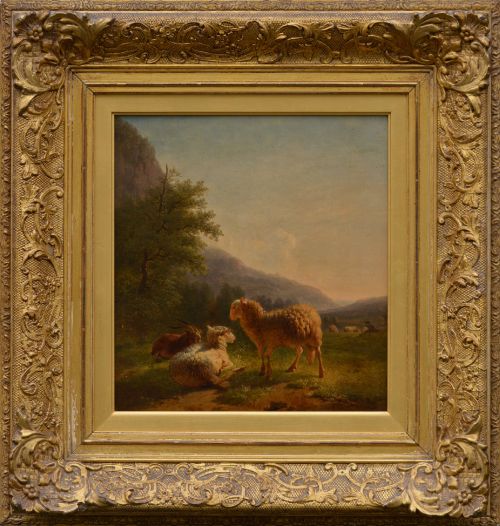
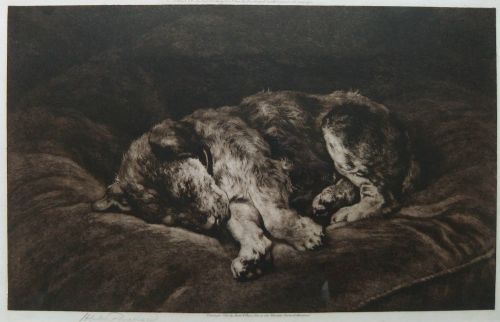
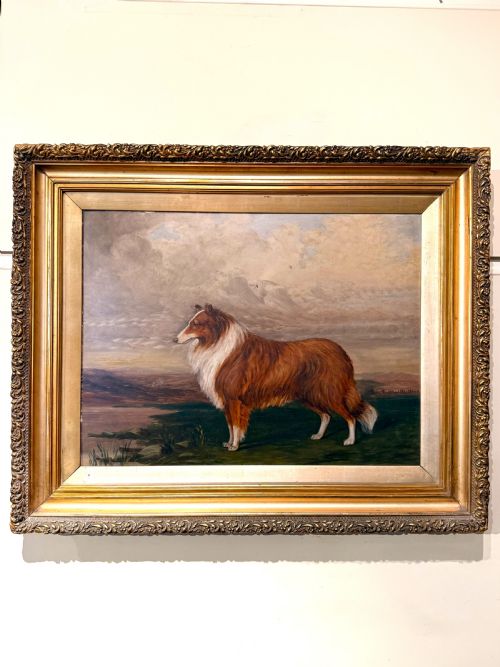
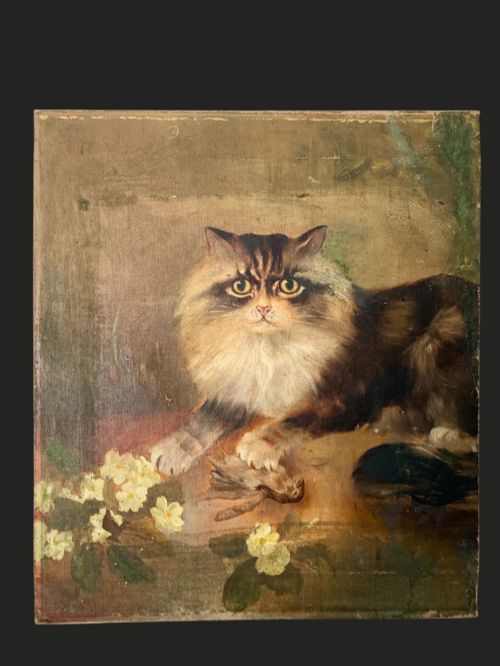
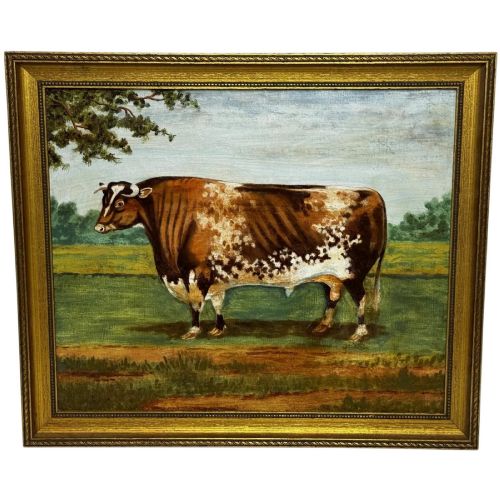
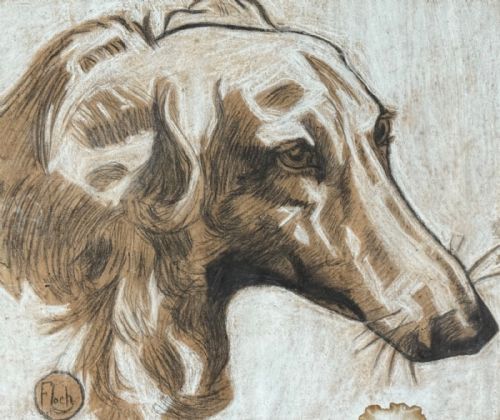
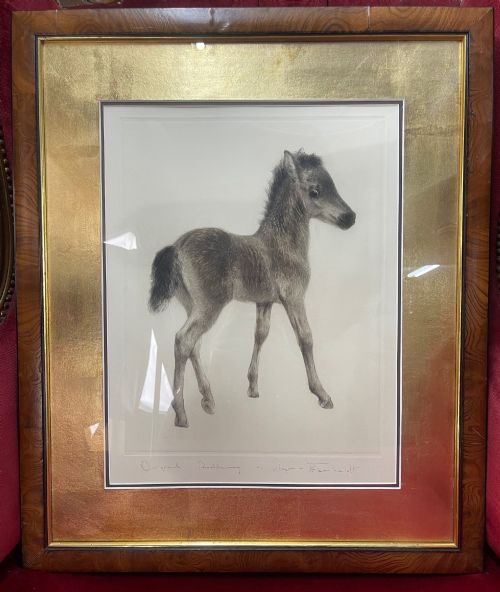
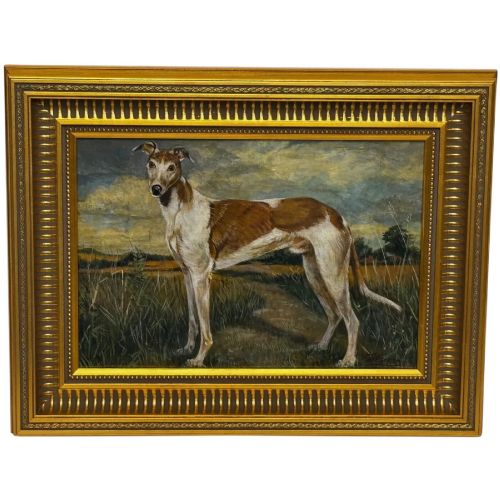
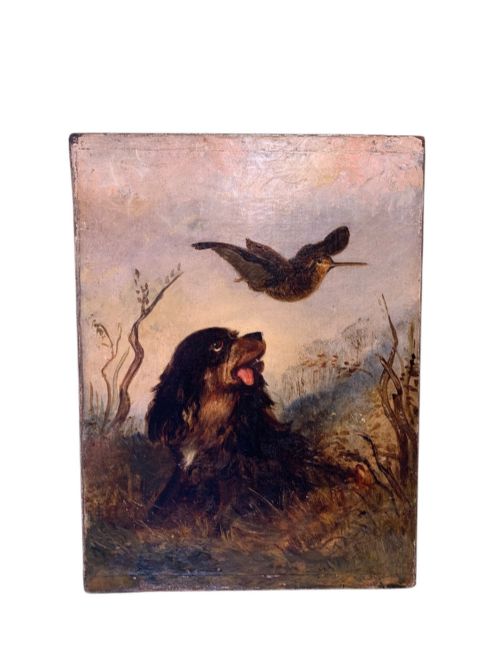
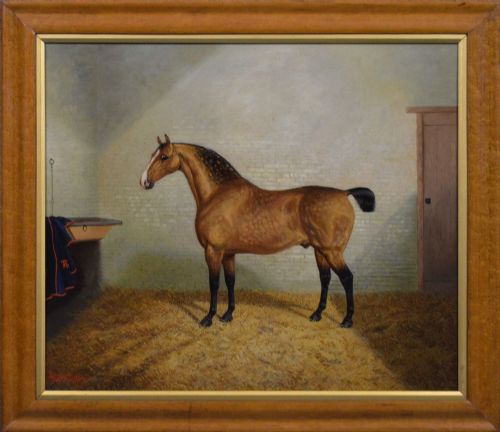
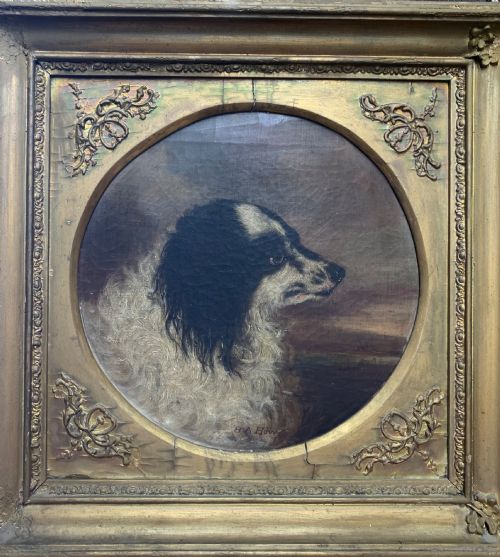
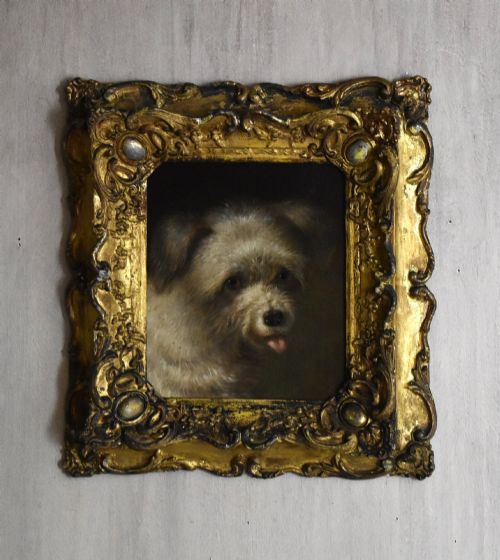
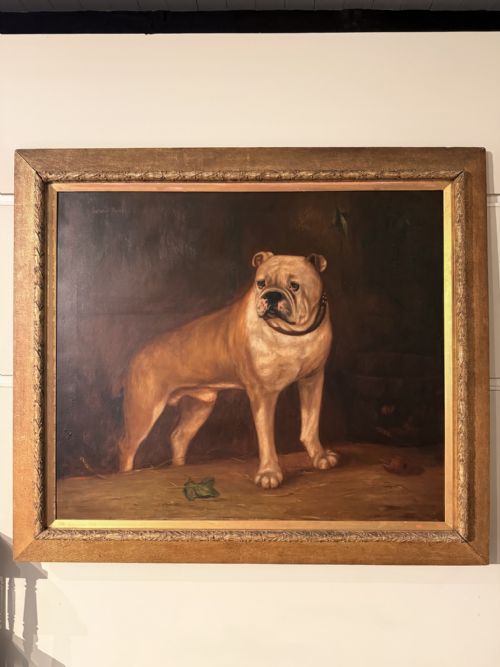
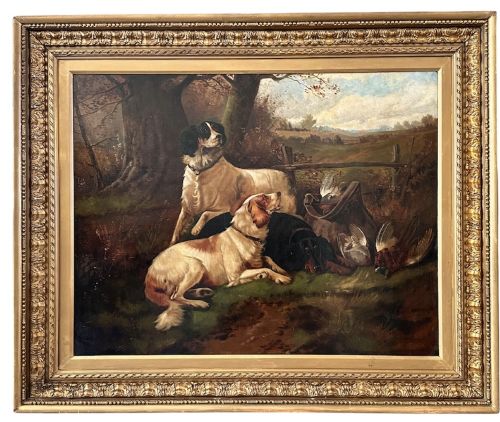
When you search for an antique animal portrait, you are looking at oil paintings capturing dogs and horses from past centuries. These works range from intimate canine studies to broader equestrian scenes depicting named animals at specific locations.
The versions you are most likely to meet on this page date from the nineteenth century through the early twentieth century. They encompass Victorian and Edwardian portrayals executed with varying degrees of realism and sporting context.
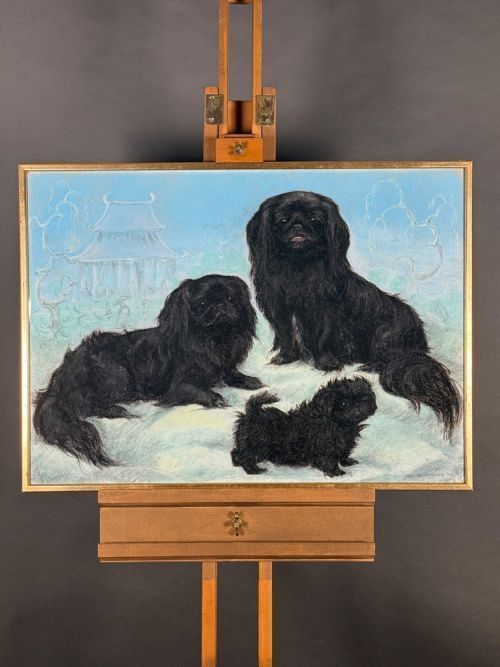
Subjects include individual terriers, spaniels, pugs, and working horses shown either in domestic settings or outdoors. They reflect the long British tradition of commissioning artwork to record valued pets and sporting animals.
How they were made
These works are painted in oil medium applied to traditional supports such as canvas, wooden boards, or panels. The physical structure typically includes stretched linen or prepared timber primed to receive the pigment.
Many examples are housed in their original giltwood and gold leaf wooden frames that complement the composition. The handling of the oil paint ranges from smooth, blended brushwork to more textured applications defining animal coats and backgrounds.
Retail Price Guide 2026
Typical UK retail prices for animal portrait, calculated from the Sellingantiques database of over a million retail prices indexed since 2003. This retail price guide relies exclusively on Sellingantiques data; no external sources or auction records are used, so the figures do not describe the wider market.
Pugs and terriers stare out across the centuries, still waiting by the fire.
What varies in quality
The distinction between standard works and superior examples lies in the anatomical accuracy and the artist's ability to capture the specific expression and posture of the subject. Finer pieces demonstrate a confident command of light and shadow, particularly in rendering the texture of fur and the movement of muscles.
Provenance and attribution also elevate an antique animal portrait, especially when the work is tied to a recorded artist or a documented estate history. The condition of the original oil paint layer and the preservation of the accompanying giltwood frame further influence the standing of the piece.
Fred Fitzpatrick·C W Tuck·Philip Eustace Stretton·Samuel Fulton
The Antique Animal Portrait Glossary
- Oil on canvas
- A painting technique using pigment suspended in a drying oil applied to a stretched woven fabric support. This method allowed artists to blend tones smoothly and build rich textures.
- Giltwood
- Wood that has been coated with gold leaf or a gold-coloured finish for decorative effect. It is commonly found on traditional picture frames surrounding nineteenth-century paintings.
- Equine portrait
- A specialised painting genre focused specifically on the depiction of horses. These works often record named animals, racing subjects, or farm horses in landscape settings.
- Board
- A rigid flat panel used as a painting support instead of woven fabric. Artists frequently utilised wooden panels or prepared boards for smaller oil studies.
Frequently Asked Questions
What animals are shown?
The subjects are primarily dogs and horses, reflecting traditional domestic and sporting interests of the nineteenth and early twentieth centuries.
Canine subjects include terriers, spaniels, and pugs, while equine pieces portray named horses and working scenes.
Are these works painted on canvas?
Many are executed in oil on canvas, while others utilise wooden boards or panels as the primary support.
The choice of support often relates to the scale of the work and the period practice of the individual artist.
How should I hang them?
These works suit traditional study spaces, living rooms, or hallways where their rich oil pigments and giltwood frames can be appreciated.
Keep them away from direct sunlight and sources of extreme heat to protect the oil paint and wooden supports.
How do I identify the period?
Dating relies on the style of the painting, the construction of the canvas stretcher or board, and the framing materials used.
Signatures, artist attribution, and historical records or labels on the reverse also provide clear indicators of age.