
Antique Animal Picture
An antique animal picture captures the character of hounds, horses, and farm livestock through the skilled hand of Victorian and Edwardian painters.
Antique Animal Picture
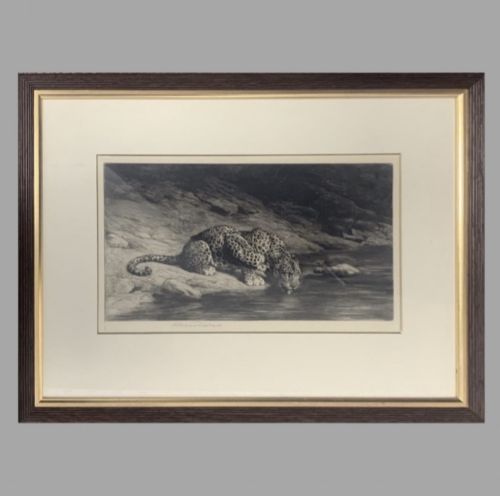
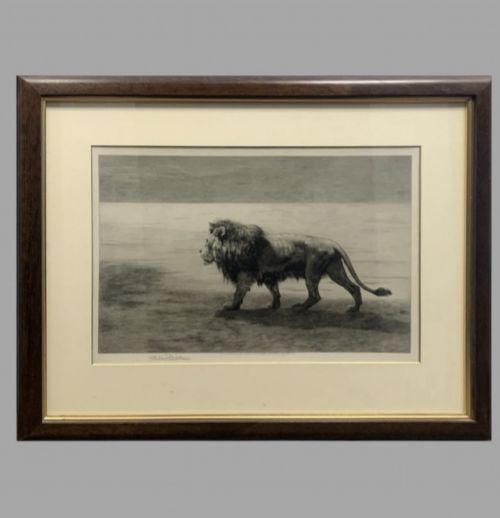
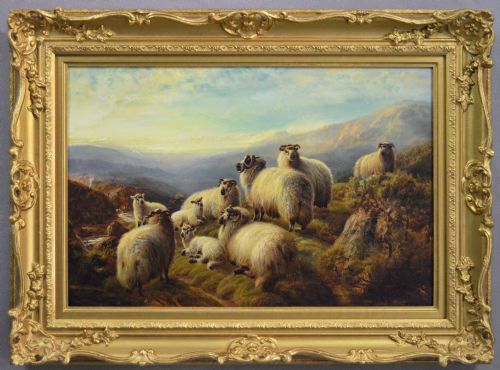
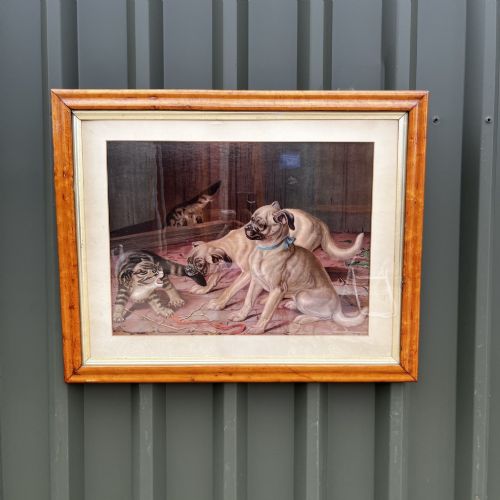
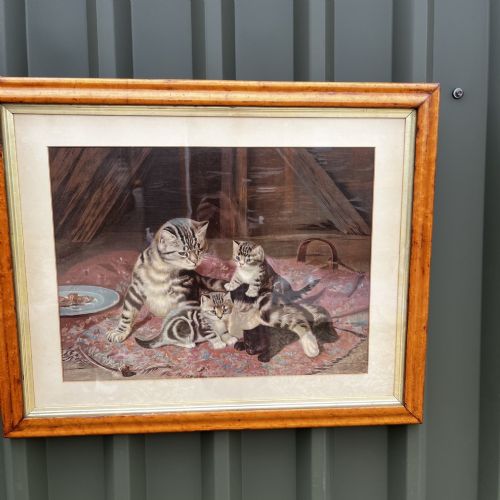
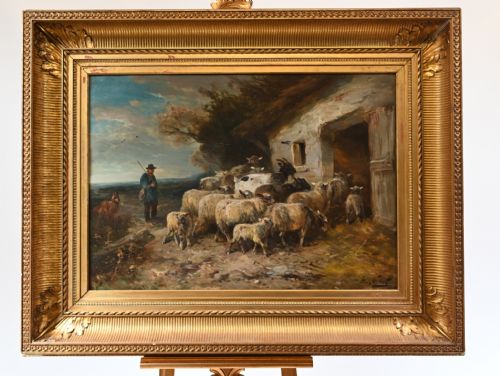
When searching for an antique animal picture, collectors encounter a rich variety of oil paintings, watercolours, etchings, and chromolithographs produced across the nineteenth and early twentieth centuries. These works range from grand sporting art depicting hunt packs and equine portraits to intimate domestic studies of cats, dogs, and farmyard poultry.
The pieces on this page lean heavily towards Victorian realism and British sporting art, reflecting the period's fascination with domestic pets and rural life. Buyers will find works originating from British and continental European schools, spanning simple naive folk art to accomplished signed artists' proofs on vellum.
Materials and technique
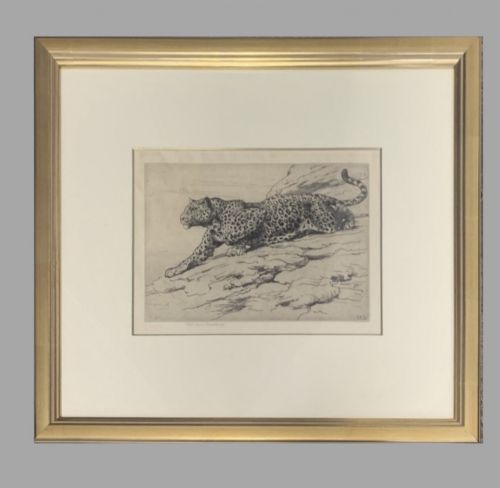
Artists of this era relied primarily on oil paint applied to canvas or wood panels, alongside watercolours and pastels worked on paper. Etchings printed on paper or vellum provided a popular medium for detailed graphic reproduction, while chromolithography allowed vibrant multi-coloured prints to reach wider homes.
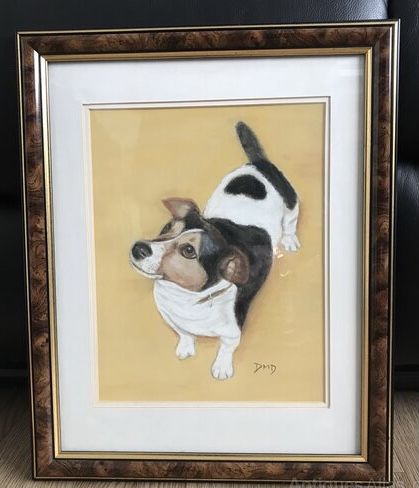
Framing played an integral role in presentation, with many works housed in their original giltwood frames or fitted with glass protection to preserve delicate pastel, charcoal, and watercolour surfaces.
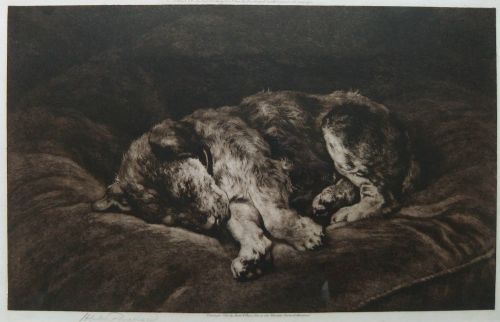
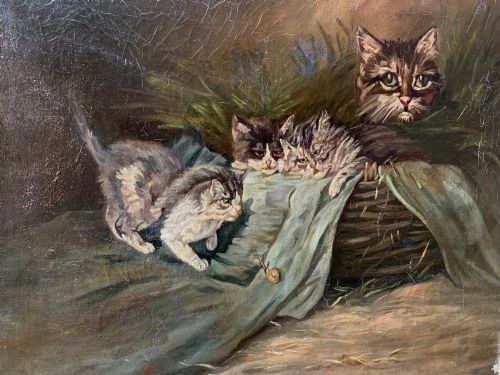
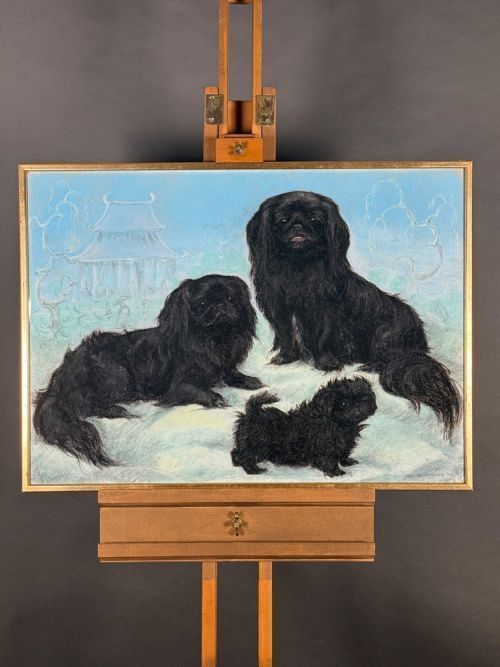
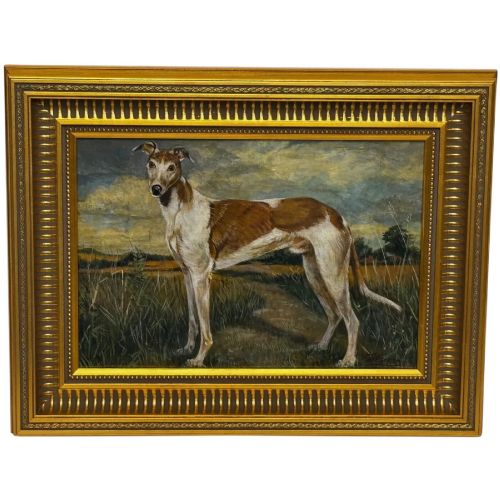
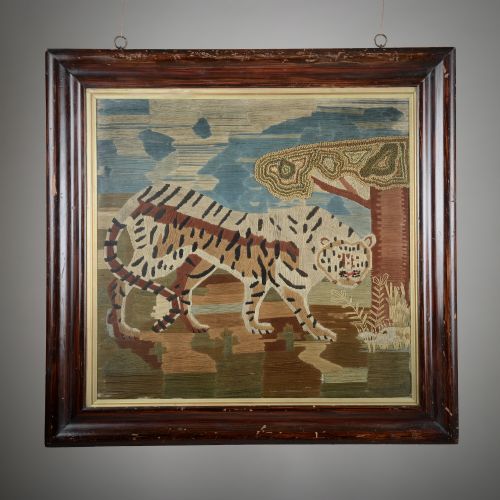
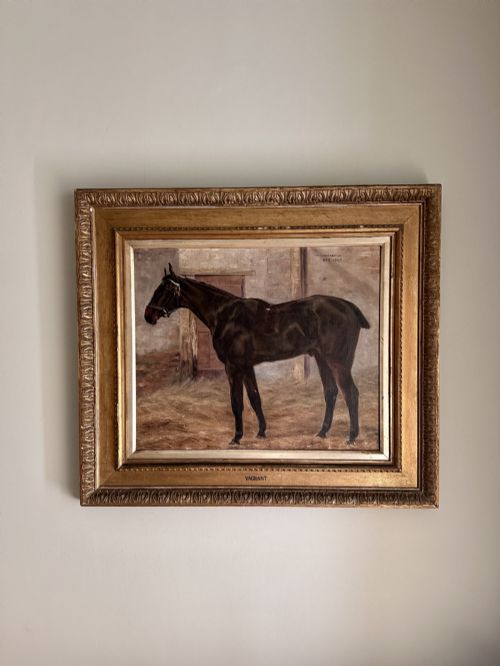
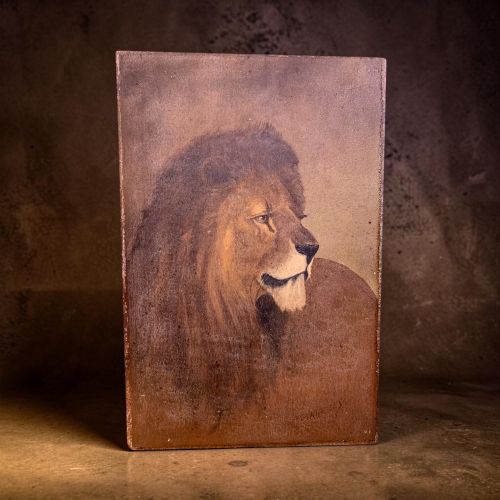
The selection includes formal equestrian portraits, naive folk art lions, and delicate studies of pugs, cats, and lurchers.
Assessing quality and execution
Quality in these works rests upon the artist's command of anatomy, expression, and texture, particularly in rendering the musculature of horses or the softness of a dog's coat. Superior pieces display a confident handling of light and background landscape that elevates a simple portrait into a convincing study of animal behaviour.
The preservation of the original medium, whether the crisp ink lines of a signed etching or the stable craquelure of a nineteenth-century oil painting, dictates the visual strength of the piece.
Herbert Dicksee·Robert Watson·Horatio Henry Couldrey·Henry Schouten·Claude Cardon·John Emms·Henry Robinson Hall·Arthur Wardle·Thomas Sidney Cooper·John Frederick Herring Jnr·Sir Edwin Landseer·Eugene Joseph Verboeckhoven·Colin Graeme Roe·Helena Maguire
The Antique Animal Picture Glossary
- Chromolithography
- A planographic colour printing technique used to produce multi-layered pictorial reproductions. It allowed popular nineteenth-century artworks to be widely distributed in domestic frames.
- Etching
- A printmaking process where an artist scratches a design through a protective ground on a metal plate, which is then acid-bitten and inked. Signed artist's proofs from this process hold particular collectible value.
- Sporting Art
- A genre of painting and illustration dedicated to horses, dogs, hunting, and shooting. These works record prized animals and field sports with precise anatomical detail.
- Vellum
- A fine parchment prepared from calfskin, prized for its smooth surface. Printmakers occasionally used vellum to achieve exceptional tonal depth in fine etchings.
Antique Animal Picture: Frequently Asked Questions
How do I identify a Victorian animal painting?
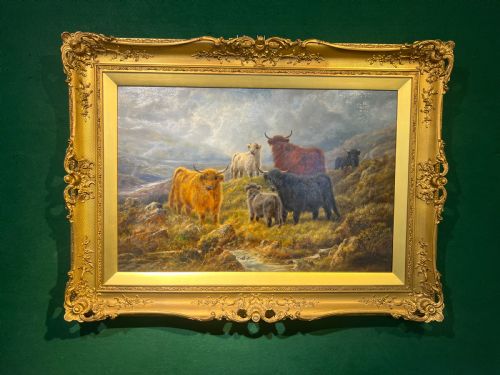
Victorian animal pictures typically exhibit a high degree of naturalism, focusing on sentiment, narrative, or sporting utility. Look for period framing, artist signatures, and subject matter dominated by Highland cattle, working dogs, or farmyard scenes.
Examining the reverse of the canvas or frame often reveals period gallery labels, artist inscriptions, or stamps that confirm the nineteenth-century origins of the work.
Were these pictures always framed?
Most finished oil paintings, watercolours, and etchings from the nineteenth century were framed soon after creation to protect the surface from dust and handling. Giltwood frames were standard for oil paintings, while works on paper required wooden mouldings with glass.
Original frames often display period ornamentation and construction methods that match the estimated date of the artwork itself.
What is the difference between an oil painting and an etching?
An oil painting is a unique, hand-painted work created using pigment suspended in drying oil on canvas or wood board. Each brushstroke is singular to that physical object.
An etching is a print pulled from a metal plate worked by the artist's hand, allowing multiple impressions to be made, though signed artist's proofs remain scarce collector items.
How should I care for an antique animal picture?
Protect antique works on paper and canvas from direct sunlight to prevent fading of watercolours, pastels, and printing inks. Maintain a stable indoor environment away from excessive humidity or heat sources.
Dust giltwood frames gently with a dry cloth and avoid using liquid cleaners on any part of the antique artwork or its glazing.