


Antique Animal Oil Artwork
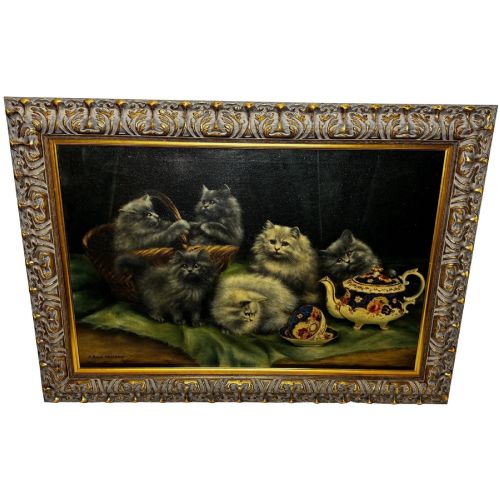
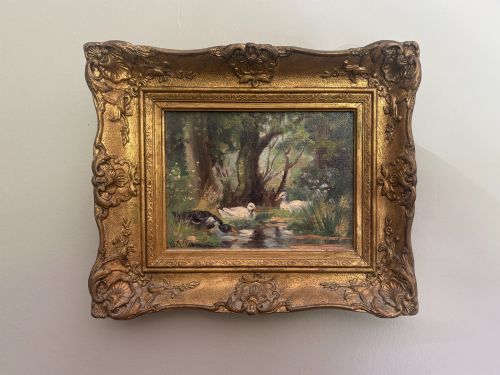
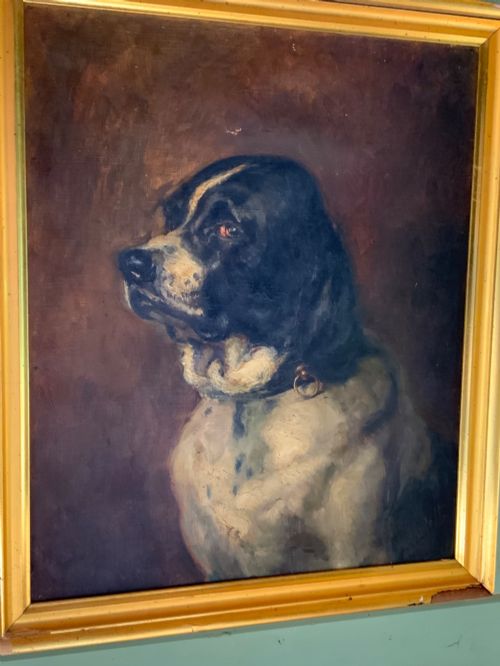
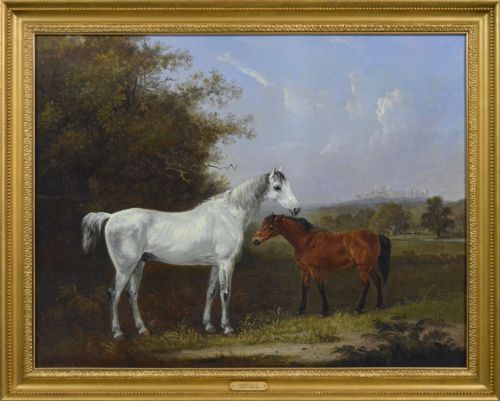
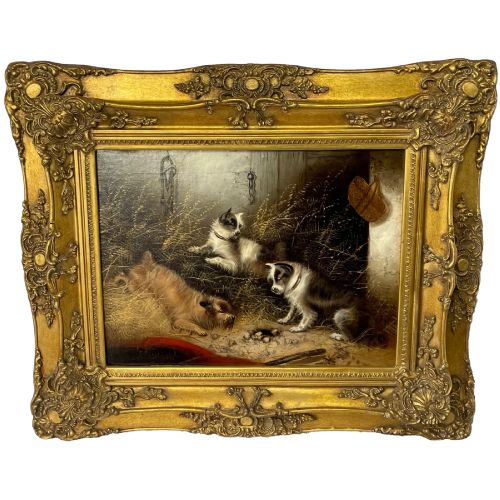
Antique animal oil artwork brings the character of domestic livestock, prized hounds and farmyard fowl into nineteenth-century interiors through layered oil paint.
Antique Animal Oil Artwork
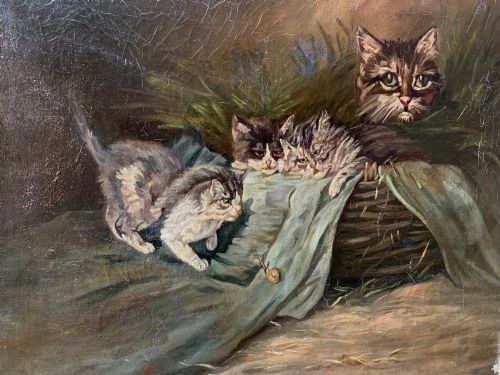
Antique animal oil artwork spans canine portraits, livestock studies and farmyard scenes rendered in oil paint on canvas or panel. These pieces reflect historical British and European attitudes toward agriculture, sport and domestic pets.
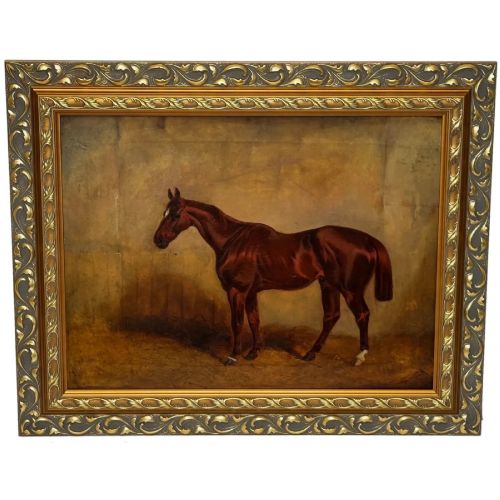
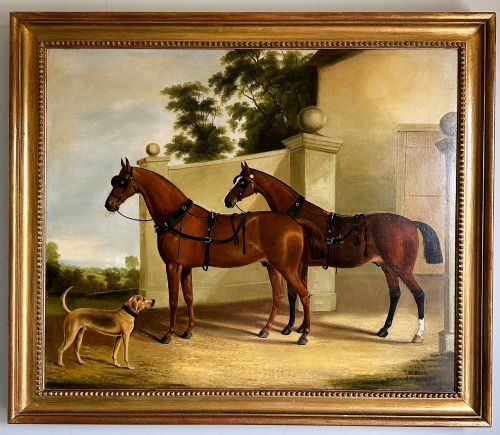
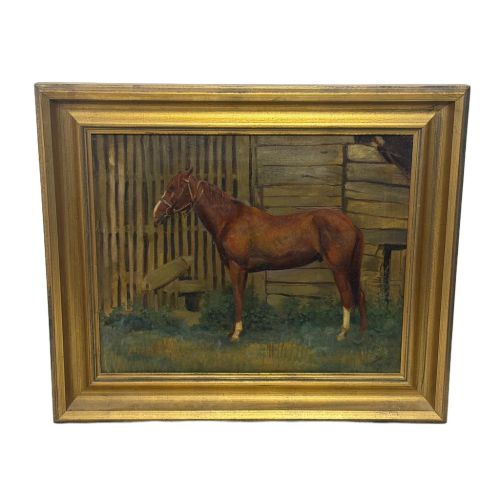
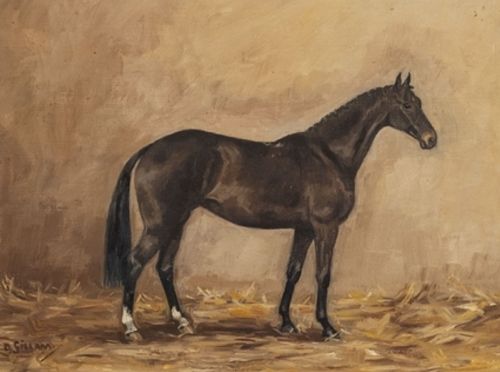
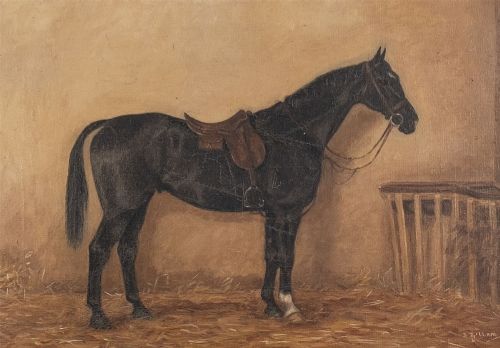
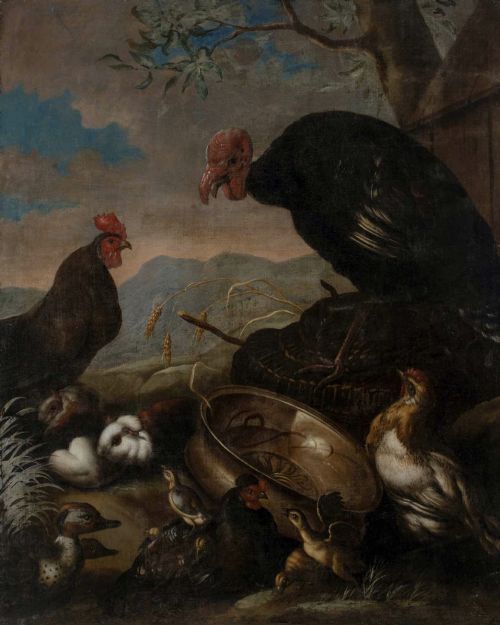
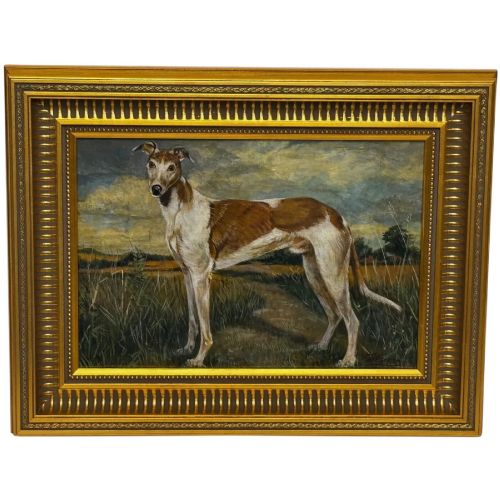
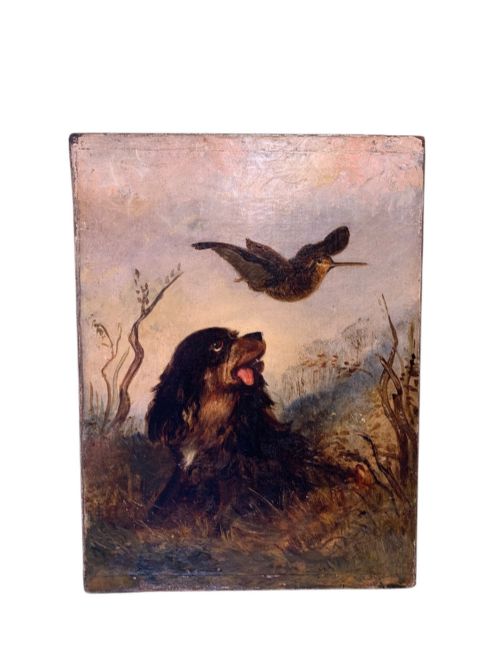
The most frequent examples on this page are nineteenth-century British school canine and equine portraits, alongside pastoral scenes featuring sheep, cattle and poultry.
Works range from detailed sporting art documenting specific prize bulls and racehorses to naive folk art and romantic landscapes populated by Highland cattle.
Materials and construction
Pigments ground in oil are applied to stretched canvas or wooden panels, allowing artists to build translucent glazes and rich textures. This technique captures the sheen of an equine coat or the soft fleece of sheep.
Many surviving pieces retain their original wooden frames finished with gesso and gilt, adding architectural depth to the painted surface.
Listings feature works spanning the seventeenth century through to the mid-twentieth century, executed in oil on canvas and panel.
Distinctions in execution
Quality rests upon anatomical accuracy, brushwork control and the artist's ability to render light across fur, feather and muscle. Superior pieces display precise observation of posture and expression rather than generic forms.
The integration of the animal within its landscape setting also defines the tier of a work, where atmospheric depth supports the primary subject.
Eugène Verboeckhoven·Angelo Maria Crivelli·Albert Clark·Martin Theodore Ward·George Augustus Holmes·John Sargent Noble·Edgar Hunt·Robert Watson·Sir Edwin Henry Landseer·Henry Barraud·Fred Fitzpatrick·William Watson Jnr·Alfred Arthur Brunel de Neuville·Franz van Severdonck·John Emms·Henry Robinson Hall·William Henry Mander·Thomas Sidney Cooper·Frans Snyders
The Antique Animal Oil Artwork Glossary
- Oil on Canvas
- Pigment bound in a drying oil, usually linseed, applied to a woven fabric support stretched across a wooden frame. This combination allows for varied impasto and smooth blending.
- Giltwood
- Wood carved and coated with gold leaf or a gold-coloured metallic finish, commonly used for nineteenth-century picture frames. It provides a reflective border that isolates the painting from the wall.
- Gesso
- A paint mixture consisting of a chalk, pigment, and binder used to prepare wood panels or frames for gilding and painting. It creates a smooth, absorbent ground.
- Sporting Art
- A genre of painting dedicated to horses, hounds, shooting, and rural sports. These works frequently document specific named animals and prized livestock.
Antique Animal Oil Artwork: Frequently Asked Questions
How do I identify a Victorian animal painting?
Victorian animal paintings often feature domestic pets or livestock rendered with sentimental realism, showing distinct brushwork typical of the nineteenth century.
Examination of the canvas backing, stretcher frame and any inscribed signatures on the reverse provides additional clues regarding the period of creation.
Were these artworks meant for homes?
Wealthy landowners, farmers and urban patrons commissioned or purchased these paintings to celebrate prize livestock, working dogs and beloved pets.
Such works hung in country houses, libraries and drawing rooms as displays of status and rural interests.
What is sporting art?
Sporting art is a specific genre recording horses, hunting dogs, game and rural pastimes, often documenting prize-winning animals of the era.
These compositions frequently include specific names of horses or dogs alongside their handlers or owners.
How should I frame an antique oil painting?
Antique oil paintings are best housed in period-appropriate frames, such as giltwood moulding, which complement the depth of the canvas.
Proper framing protects the outer edges of the canvas from physical damage and maintains the aesthetic integrity of the period.