

Antique Animal Carving
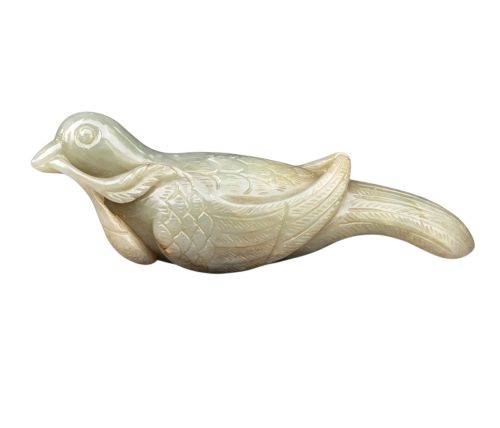
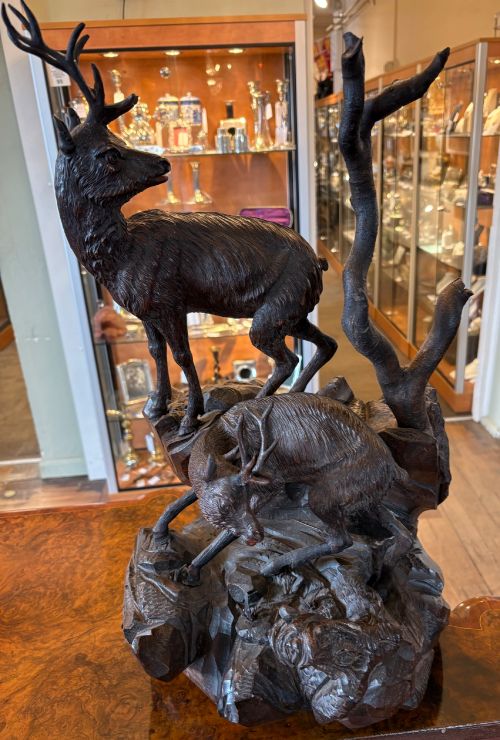
These antique animal carvings bring character and craftsmanship into a room, offering everything from Black Forest bears to jade water birds.
Antique Animal Carving
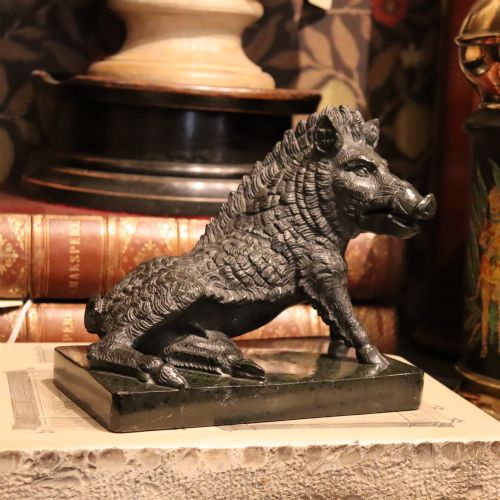
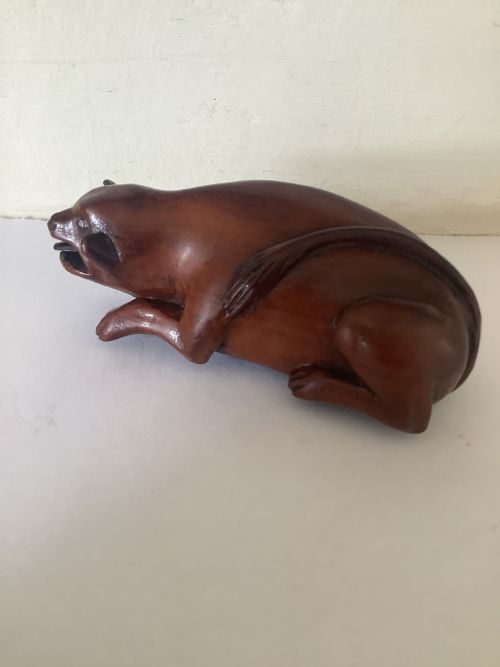
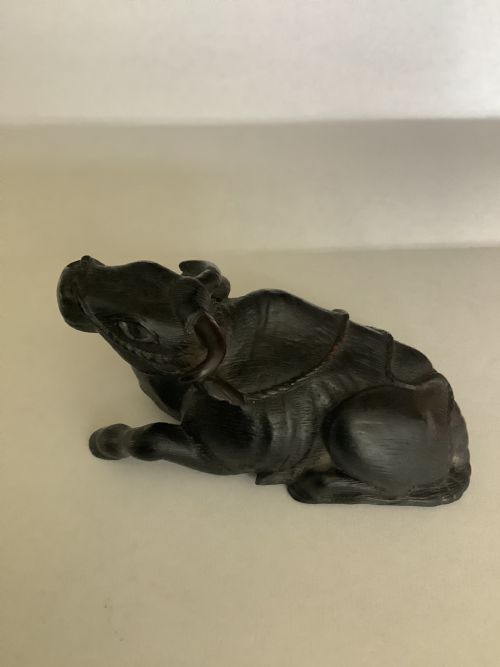
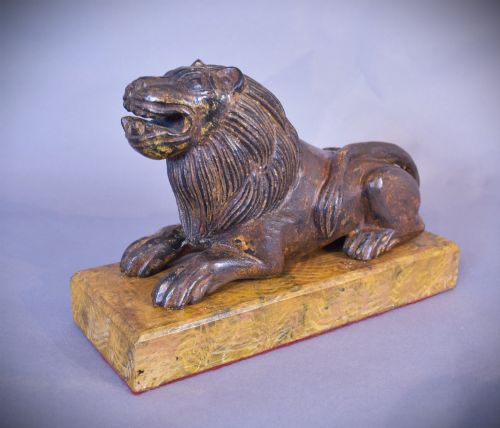
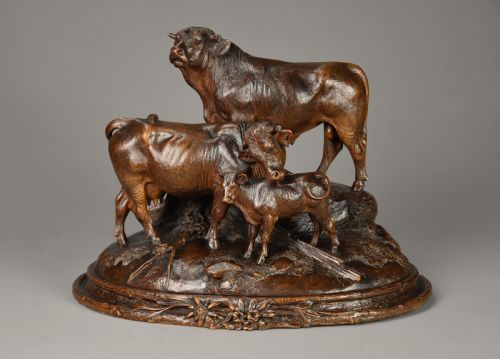
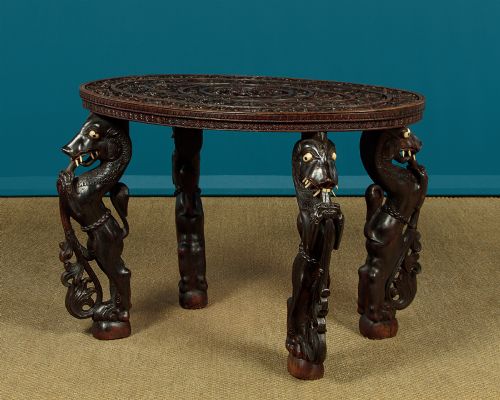
An antique animal carving captures the form and spirit of creatures through the skill of traditional carvers working in wood, stone, and jade. When exploring this selection, buyers encounter figures ranging from domestic dogs and farm cattle to exotic monkeys, bears, and mythical beasts.
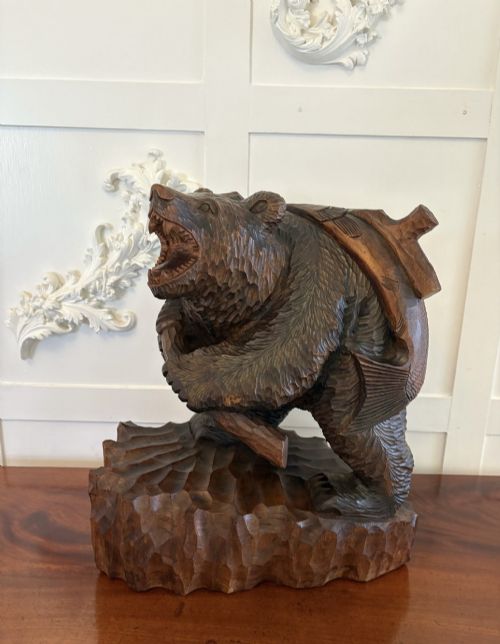
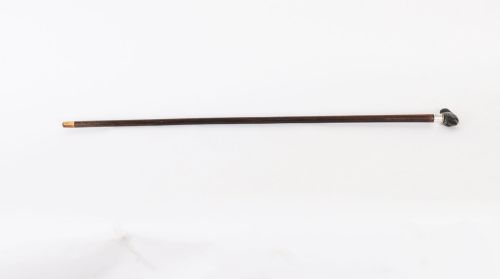
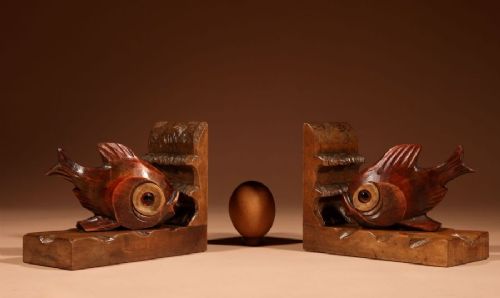
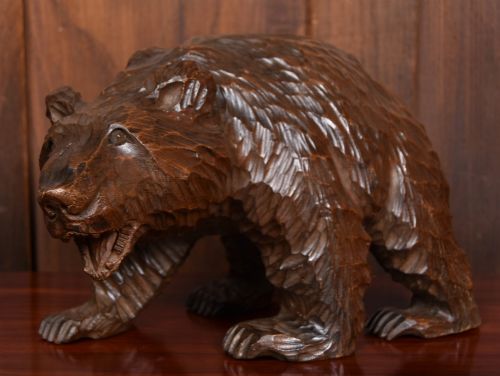
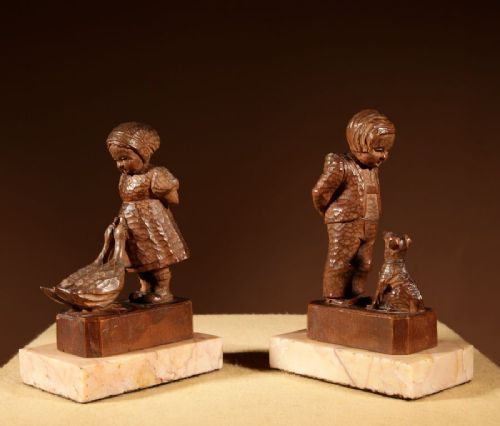
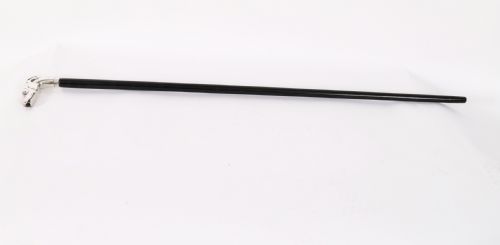
The objects take many functional and decorative forms, including freestanding sculptures, bookends, inkwells, walking sticks with carved handles, and netsuke. Linden wood pieces from the Black Forest and Japanese wooden bear sculptures appear frequently among the available works.
Origins span Europe, Asia, and Britain, encompassing styles such as Victorian folk art, Qing Dynasty works, and Japanese folk traditions. Pieces date primarily from the nineteenth and early twentieth centuries, alongside occasional eighteenth-century examples.
Materials and methods
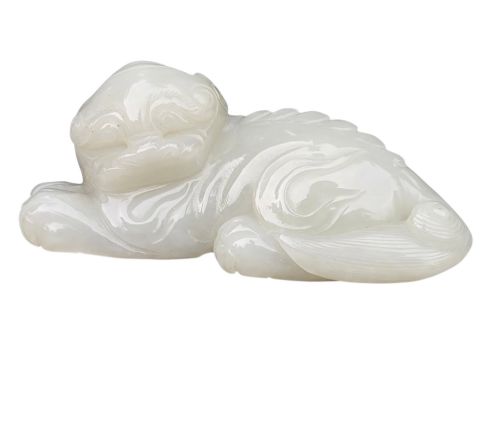
Carvers utilised local and imported timbers, notably linden wood, walnut, and various hardwoods, chosen for their grain and stability. Soft stones like soapstone and alabaster, alongside precious white jade and silver mounts, provided alternative mediums for detailed animal studies.
Hand tools such as gouges and chisels shaped the timber, followed by smoothing, staining, or painting to render fur, feathers, and anatomical detail. Certain regional traditions incorporated stamped signatures or folk-art painting directly onto the wooden surfaces.
Functional items appear alongside pure sculptures, including walking sticks, inkwells, bookends, and knife rests.
Judging quality in carvings
The distinction between ordinary and exceptional work rests on anatomical accuracy, depth of relief, and the liveliness of the carving. Master carvers captured movement, expression, and texture with precision, whereas naive pieces rely on charm and simplicity.
The choice of material heavily influences the piece, with fine-grained linden wood or translucent white jade allowing for crisper details than coarser woods or softer stones. Preservation of original surfaces and minimal repair work maintain the integrity of the object.
J Huggler·Bright And Sons
The Antique Animal Carving Glossary
- Black Forest
- A style of wood carving originating from the Brienz region of Switzerland and the Black Forest in Germany. These works typically depict bears, deer, and other alpine animals in realistic or amusing poses.
- Netsuke
- A small Japanese carved toggle used to secure a pouch or small container to a traditional kimono sash. They are often intricately carved from wood or ivory in the shape of animals or figures.
- Linden wood
- A pale, close-grained timber favored by nineteenth-century carvers for its cooperative nature under detailed chisel work. It allows for deep undercut fur and smooth anatomical contours.
- Folk art
- Objects created by self-taught or traditional artisans outside academic traditions. These carvings often display a naive or charmingly unpolished approach to form and proportion.
- Jade
- A tough, ornamental mineral utilised in Asian carvings for scholarly objects and animal figures. Its hardness requires specialised abrasion techniques rather than simple cutting.
Antique Animal Carving: Frequently Asked Questions
What animals appear most often?
Bears, dogs, deer, and birds dominate the recorded works, reflecting both European forest wildlife and traditional Asian subjects. Carvers frequently turned to creatures that allowed for expressive postures and detailed textures.
Domestic and farm animals also feature prominently, alongside exotic species imported during the nineteenth century. Each culture favored specific creatures in its decorative arts.
How do I care for wooden carvings?
Wooden animal sculptures require stable indoor humidity and protection from direct sunlight to prevent timber cracking or paint fading. Gentle dusting with a dry, soft brush preserves the surface finish without introducing moisture.
Waxes and polishes should be applied sparingly, if at all, to avoid building up a residue in the crevices of the carving. Maintaining a consistent temperature keeps the wood stable over time.
How are Black Forest carvings identified?
Black Forest carvings are typically rendered in linden wood and depict woodland animals, often with glass eyes and naturalistic texturing. Common motifs include bears holding trays or standing as bookends, originating from Swiss and German workshops.
Some pieces bear workshop stamps or signatures, though many remain anonymous. The regional style is distinct for its combination of rustic charm and high technical skill.
What is a netsuke used for?
A netsuke served as a practical toggle in traditional Japanese dress, securing suspended containers such as medicine boxes or tobacco pouches. They were threaded onto cords and tucked behind the sash of a kimono.
Over time, these functional objects became miniature sculptures prized for their intricate detail and tactile qualities. Carvers depicted animals, folklore figures, and everyday scenes within a compact format.