




Antique Amboyna Cupboard
An antique amboyna cupboard brings rich, figured wood and striking grain into a room, offering both practical storage and exceptional visual depth.
Antique Amboyna Cupboard
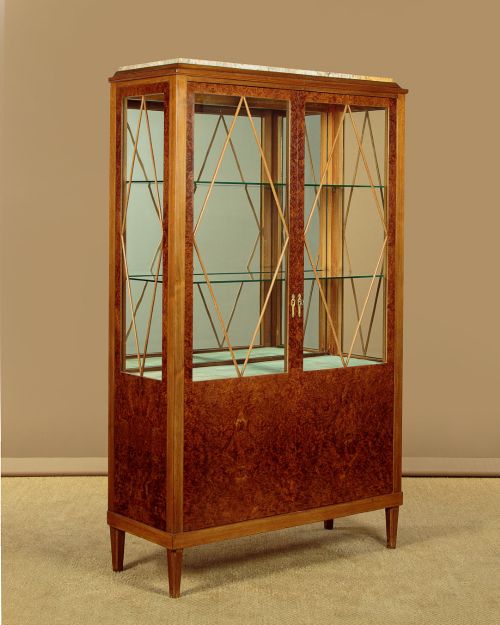
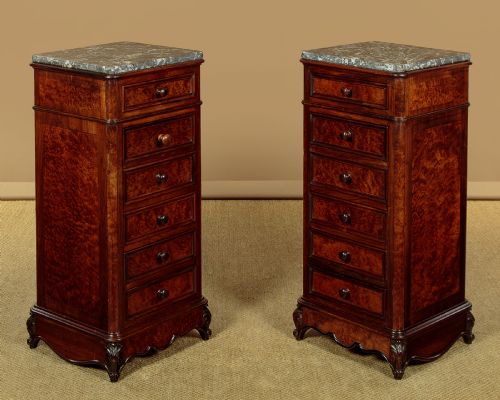
When you search for an antique amboyna cupboard, you encounter a selection of cabinets, bedside pedestals, side cabinets, and bookcases that utilise this distinct tropical timber. The pieces span several centuries, with examples originating from the William and Mary period through the Regency era and into late Victorian times.
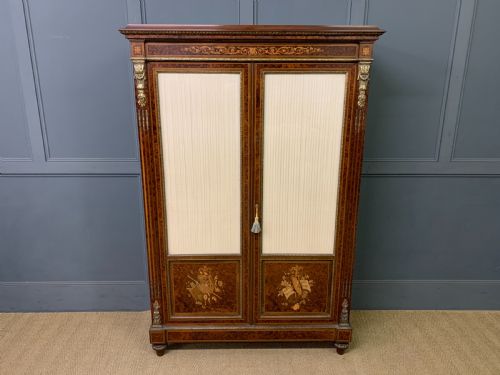
You are most likely to meet Victorian and 19th-century French interpretations on this page, often featuring polished amboyna veneer alongside contrasting woods like mahogany, rosewood, and ebony. These furniture forms serve various domestic functions, from bedside storage and corner wall cabinets to larger credenzas and bookcases.
The craftsmanship reflects the prevailing style of each period, ranging from French neoclassical influences to heavy Victorian revivalism. Each piece showcases the natural patterning of the wood, which forms dense, swirling eyes that define the character of the furniture.
How they were made
Cabinet makers utilised amboyna veneer to cover primary carcases, carefully arranging the figured sections to create symmetrical patterns across door panels and drawer fronts. This technique required expert sawing and application to ensure the thin, highly decorative wood remained stable over time.
Many pieces incorporate contrasting materials such as ebony, brass, or ormolu mounts to accent the warm, golden-brown tones of the amboyna. Marble tops also appear on specific bedside cabinets and commodes, providing a durable and decorative surface fitted precisely to the wooden structure.
Antique Amboyna Cupboard Retail Price Guide 2026
Typical asking prices for amboyna cupboard among the pieces listed under this phrase on Sellingantiques today, from the lower quarter to the upper quarter. They describe what is for sale here now, not the wider market.
Amboyna wood smells faintly of sweet spice when freshly cut, though centuries of polish tend to quiet the kitchen garden aromatics.
What varies in quality
The quality of an amboyna piece rests upon the density and visual impact of the grain pattern selected by the maker. Superior examples display tightly packed, unblemished burr formations that cover the surface evenly without awkward joints in the veneer.
Construction standards distinguish ordinary utility items from exhibition pieces, particularly in the precision of secondary timber use, dovetailed drawer construction, and the crispness of applied ormolu or carved ebony details. The integration of fine contrasting stringing and the stability of the polished finish further separate the standard production from the exceptional.
The Antique Amboyna Cupboard Glossary
- Veneer
- A thin slice of decorative wood applied over a stable secondary timber carcase. This technique allows cabinet makers to display expensive figured grain patterns efficiently.
- Ormolu
- Gilded bronze ornamentation applied to furniture, popular in French and Victorian pieces. It provides a bright, metallic contrast against dark woods and amboyna.
- Credenza
- A low-standing cabinet or sideboard designed for display and storage. They often feature glass doors and elaborate marquetry during the Victorian period.
- Burr
- A tree growth resulting in deformed wood grain that produces complex, circular patterns when sliced. Burr amboyna is particularly prized for its decorative qualities.
Antique Amboyna Cupboard: Frequently Asked Questions
How do I care for amboyna furniture?
Keep the wood away from direct sunlight and steady heat sources to prevent the veneer from drying out or lifting. Regular dusting with a soft, dry cloth maintains the polish.
Apply a quality beeswax polish occasionally to nourish the grain and preserve the warm lustre of the timber.
What periods do these cabinets come from?
The listings include pieces spanning from the 17th-century William and Mary era through Regency designs and deep into the Victorian period. Each era brings distinct proportions and decorative vocabulary to the furniture.
Nineteenth-century French and late Victorian interpretations appear most frequently among the available items.
Where were these pieces used originally?
These cabinets served multiple domestic rooms, functioning as bedside pedestals, corner wall units, and primary display pieces in drawing rooms. Credenzas and side cabinets were typically positioned in formal reception spaces to house porcelain and linens.
Smaller bedside tables and pot cupboards provided discrete storage within private bedchambers.
Is amboyna a solid wood?
Amboyna is almost exclusively found as a veneer rather than solid timber due to the scarcity of the tree and the irregular nature of its growth. Cabinet makers laid these decorative sheets over sturdier secondary woods like mahogany or oak.
This method protected the precious burr wood while providing a structurally sound piece of furniture.